5UL Tracking
Please enter the 5UL tracking number to check the latest shipping status.
About 5UL
5UL is the carrier name supplied for this tracking guide. Use the official 5UL website or 17TRACK to identify available shipment events, then confirm the current physical custodian before requesting delivery or post-shipment action.
| Field | Confirmed reference |
|---|---|
| Official website | 5ulogistics.com |
| Tracking role | Tracking availability depends on the number and the transport partners connected to the shipment. |
| Independent tracking | 17TRACK aggregates available carrier events; it does not transport parcels or decide claims. |
Carrier Entity Relationships
| Entity | Relationship and tracking meaning |
|---|---|
| 5UL | 5UL is the carrier entity selected for this tracking page; the shipment record determines which events are available. |
| Origin, transit and last-mile partners | A shipment may display events from different logistics parties; an event does not by itself prove that 5UL physically accepted the parcel. |
| 17TRACK | 17TRACK is an independent aggregation platform that presents available tracking data from connected carriers. |
Quick Answer
Enter the shipment tracking number on the official 5UL website or search it with 17TRACK. If no result appears, check that you entered a tracking number rather than an order number, remove spaces or punctuation, and allow time for the first acceptance scan. 17TRACK is independent and cannot change an address, release customs, approve a refund, or file a claim for you.
How to Track 5UL Packages
Use the official route first when you need carrier-specific instructions. Use 17TRACK when you want a consolidated view of available events or a shipment that may involve several transport parties.
| Step | Action |
|---|---|
| 1 | Copy the tracking number from the dispatch email, shipping label, seller account, receipt, or parcel handoff notice. |
| 2 | Check the official 5UL website and then compare the result with 17TRACK if another carrier may be involved. |
| 3 | Distinguish the tracking number from an order number, reference number, invoice number, or delivery notice number. |
| 4 | If the number is inactive, ask the seller or sender to confirm the number and the physical handoff status. |
Tracking Number Formats and Examples
A number that can be searched through a carrier system is not necessarily issued by that carrier. Sellers may provide a merchant reference, an origin-carrier identifier, a partner identifier, or a last-mile number. Use the complete number supplied by the sender rather than inferring the service from a prefix alone.
Tracking Number Format
| Identifier family | Normalized pattern and use |
|---|---|
| Carrier or partner tracking number | Use the exact alphanumeric identifier supplied by the sender; a redacted example is TRACK#######. |
| International postal identifier | Some cross-border postal shipments use an S10-style pattern such as AB#########CD; the issuing postal operator and destination system determine visibility. |
| Merchant order or reference ID | An order, invoice, or marketplace reference may identify the purchase but may not produce transport scans. |
| Last-mile identifier | A destination delivery partner may assign a second number after handoff; retain both numbers when the seller provides them. |
Tracking Statuses and Meanings
| Status | Meaning and next action |
|---|---|
| Label created / pre-shipment | Electronic information exists, but physical acceptance may not have occurred. The sender should confirm handoff. |
| Accepted / received | A facility or transport party recorded receipt. Continue monitoring the next movement scan. |
| In transit | The shipment is moving between processing points; scan gaps can occur during line-haul transport. |
| Customs or handoff | The shipment may be awaiting inspection, documents, duties, or a receiving-partner scan; arrival does not equal customs release. |
| Out for delivery | A delivery route has been assigned. Check the address and remain available where practical. |
| Delivered | A delivery event was recorded. Check the entrance, mailbox, building desk, household members, and nearby safe locations. |
| Exception or return | A delivery or transport issue requires attention. The sender should contact the responsible carrier or seller. |
Services and Delivery Times
A reliable delivery estimate requires the actual origin, destination, service level, handoff route, address quality, customs process, weekends, holidays, weather, and operating conditions. A tracking page estimate is not automatically a guaranteed delivery commitment.
Service Comparison
| Service type | Best use and limitation |
|---|---|
| Standard parcel | Suitable for routine shipments; coverage, scans, protection, size limits, and handoff arrangements depend on the booked product. |
| Express or priority | Usually selected for faster handling; confirm whether the quoted date is an estimate or a contractual guarantee. |
| Cross-border shipment | May include export processing, line-haul, import customs, and destination delivery; customs and partner scans can create gaps. |
Delivery Time
| Timing measure | How to interpret it |
|---|---|
| Published standard | Use the service-specific estimate shown for the shipment rather than a universal number. |
| Business or calendar days | Confirm whether the seller or carrier counts operating days, weekends, and holidays. |
| Delay factors | Customs, weather, peak volume, remote delivery, incomplete addresses, and partner handoffs can extend transit. |
Destination Country Delivery Times
| Destination group | Planning guidance |
|---|---|
| Domestic destination | Use the service-specific estimate and the latest movement scan; local routing determines the final window. |
| International destination | Allow for export, line-haul, import customs, duties or documents, destination processing, and final-mile delivery. |
| Remote or rural destination | Additional routing and delivery time may apply after the destination partner receives the parcel. |
Common Tracking Problems and Solutions
| Problem or status | First action and escalation path |
|---|---|
| Invalid number | Recheck every character and ask the sender whether the value is an order ID or a transport number. |
| No tracking events | Electronic pre-advice may precede the first physical scan. The sender should confirm handoff before opening a delivery inquiry. |
| Long period without an update | Check the last facility and any customs or partner wording, then ask the seller to contact the responsible shipping party. |
| Delivery exception or failed delivery | Verify the address, delivery instructions, notice, and local depot options; the sender may need to request redelivery. |
| Delivered but missing | Check the delivery location, household members, reception desk, neighbors, safe-place photo or proof of delivery, then contact the seller and delivery carrier. |
| Lost or damaged parcel | Keep packaging and photographs. The eligible claimant should use the carrier or seller’s inquiry and claims process. |
| Return to sender | Ask why delivery failed and whether the sender can arrange a resend; a recipient usually cannot reverse a completed return alone. |
International Shipping, Customs and Carrier Handoffs
| Stage | What customers should understand |
|---|---|
| Origin acceptance | A label or electronic pre-advice is different from a physical acceptance scan. |
| Export processing and line-haul | Security, export checks, consolidation, and transportation can produce fewer public scans. |
| Import customs | The destination authority may require information, duties, tax, or payment; arrival at an exchange facility does not prove release. |
| Partner handoff and last mile | The destination carrier may use the original number or issue another identifier. The first receiving scan is stronger evidence of physical handoff than electronic pre-advice. |
Customer Service
| Channel | Best use and preparation |
|---|---|
| Official website | 5ulogistics.com; use the carrier’s published contact or tracking route and keep the complete shipment number ready. |
| Seller or sender | Best for label errors, commercial refunds, missing dispatch confirmation, and claims where the sender owns the shipping contract. |
| Destination delivery partner | Best after a confirmed local handoff or delivery attempt; prepare the address, latest scan, notice, and proof-of-delivery concern. |
| 17TRACK | Useful for consolidated visibility; 17TRACK cannot alter delivery, release customs, or approve claims. |
FAQ
Basic FAQs
Enter the shipment number on the official 5UL website or 17TRACK.
Check the seller’s dispatch email, order page, shipping label, receipt, or handoff notice.
The number may be numeric or alphanumeric depending on the shipment route; use the complete sender-provided value.
A label can exist before physical acceptance or the first scan; ask the sender to confirm handoff.
Transport, consolidation, customs, or a partner handoff can create a visibility gap; check the last event and contact the seller if the gap becomes concerning.
The delivery window depends on route, service, destination processing, customs, and final-mile conditions.
Check the notice and address, then follow the available redelivery, pickup, or sender-contact instruction.
Check safe locations, household members, reception staff, neighbors, and proof of delivery before contacting the seller and delivery carrier.
Preserve packaging and evidence, then ask the sender or eligible claimant to begin the carrier inquiry or claim.
Start with the official 5UL website and keep the tracking number, shipment date, address, latest event, and seller details ready.
Expert FAQs
No. Label creation or electronic pre-advice does not by itself prove physical acceptance.
Yes. A seller, origin carrier, destination partner, or last-mile operator may expose different identifiers for the same movement.
No. Customs arrival and customs release are different events, and authorities may request documents, payment, or clarification.
The sender or contracting party commonly starts a transport inquiry; eligibility depends on the shipment arrangement and destination rules.
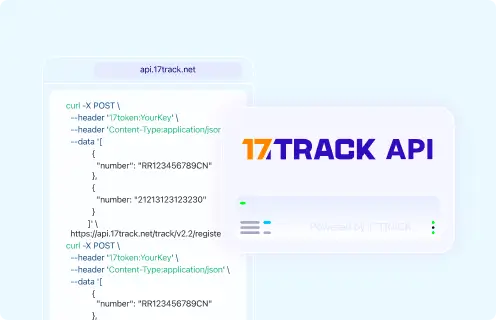
Businesses can review the current 17TRACK API documentation for connected-carrier tracking and confirm the supported carrier code before implementation.
Tracking API
// Carrier official API: a current public endpoint and authentication method
// require confirmation from 5UL before implementation.

// 17TRACK API
POST https://api.17track.net/track/v2.4/register
Headers:
  17token: YourKey
  Content-Type: application/json

Body:
[
  {
    "number": "TRACKING_NUMBER",
    "carrier": "CARRIER_CODE"
  }
]

// Replace CARRIER_CODE with the value shown in the current 17TRACK documentation.
// Webhooks, polling limits, and response fields should follow that documentation.
Sources & References
- 5ulogistics.com — Official 5UL website. 5UL
- 17TRACK — Multi-carrier tracking platform. 17TRACK
- 17TRACK API Documentation. 17TRACK
17TRACK is an independent tracking platform and is not affiliated with 5UL.
Track your package
Global express parcel tracking service