Package Stuck in Customs? Who to Contact and What to Prepare
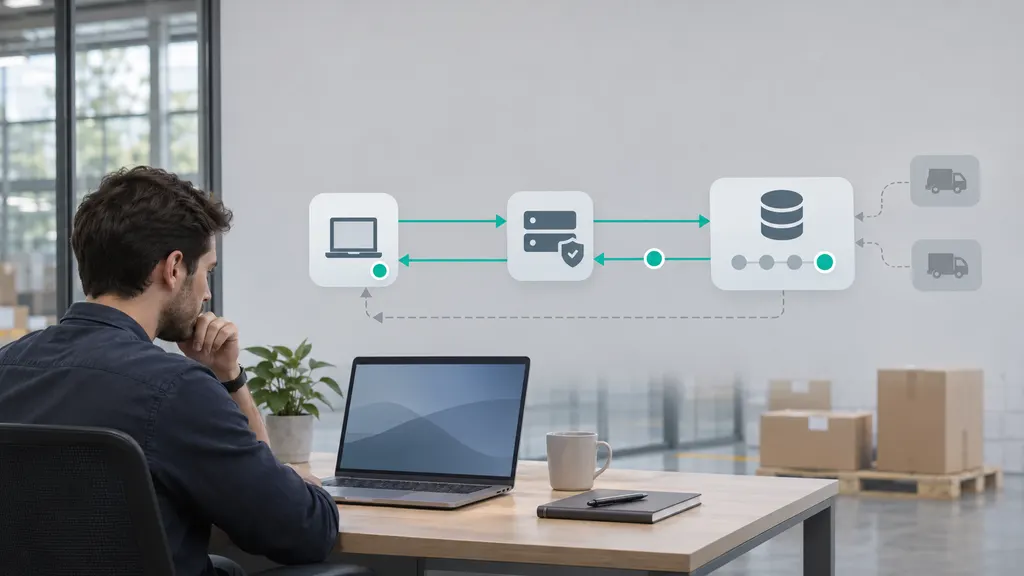
When a package is stuck in customs, contact the carrier or its customs broker first, then provide the documents needed to identify the shipment, verify its contents and value, and resolve any duty, tax, permit or declaration issue. Customs authorities may control the clearance decision, but the carrier or broker is usually the practical first point of contact because it handles the shipment’s clearance process and can tell you exactly what is missing.

A customs delay does not automatically mean that a parcel has been seized or lost. Tracking may remain unchanged while the carrier waits for information, payment, an inspection result or instructions from the importer. The fastest response is usually a focused one: identify who currently has the shipment, ask for the specific action required, and send complete, consistent documents through the requested channel.
Who should you contact?
The right contact depends on the shipment’s current status and the country involved. Use this order unless the tracking notice gives different instructions:
- The carrier or postal operator: Start with the company shown in the tracking record. Ask whether the parcel is waiting for customs information, duty or tax payment, an inspection, a delivery instruction or a response from the sender.
- The carrier’s customs broker or clearance team: Express carriers and postal operators may use a broker or a dedicated import-clearance department. The carrier can normally provide the broker’s contact details or transfer your case.
- The seller or sender: Contact the sender if the commercial invoice is incorrect, the product description is vague, the declared value is wrong or the carrier requires the shipper to amend the shipment data. The sender may also be responsible for opening a carrier investigation.
- The recipient or importer of record: The person or business importing the goods may need to provide identification, a tax number, an authorization, a permit or proof of payment. In many shipments, the recipient must respond even when the seller arranged shipping.
- The customs authority: Contact the relevant government customs agency when the carrier specifically directs you to do so, when an official customs notice provides a case number, or when you need authoritative information about import rules. Customs authorities generally cannot replace the carrier’s operational role or correct a commercial invoice created by the sender.
Do not rely on a message that asks for payment through an unfamiliar link. Confirm the request through the carrier’s official website, app or published customer-service number. A real customs charge may exist, but the payment method and shipment reference should be independently verified.
What does “stuck in customs” actually mean?
Tracking language varies by carrier, so a single status should not be treated as a final explanation. Common possibilities include:
- Customs clearance started: The shipment has entered the import process, but no problem is necessarily indicated.
- Clearance information required: The carrier or customs broker needs a document, product detail, identification number or confirmation from the importer.
- Import duties or taxes due: Payment may be required before delivery, although the responsible payer and collection method depend on the shipment terms and destination rules.
- Held for inspection: Customs may be reviewing the parcel or its documents. The carrier may not be able to predict how long the review will take.
- Restricted or prohibited goods: The item may require a permit, special documentation or a different import process. Some goods may not be eligible for import.
- Clearance delay: The parcel may be waiting for a response, a system update, a handoff or a decision by another party.
If tracking has not changed, ask a precise question rather than simply asking where the parcel is: “What exact document, payment or action is required, who must provide it, and what is the deadline?” Request the carrier’s case or reference number and keep the answer in writing.
Documents and information to prepare
Prepare a complete shipment file before contacting the carrier. Sending all relevant information at once can reduce back-and-forth, but do not submit documents that the carrier or customs authority has not requested through an official channel.
Shipment identification
- Tracking number and, if different, the carrier’s shipment or airway-bill number
- Recipient name, delivery address and contact details
- Sender name, address and contact details
- Purchase order, order number or marketplace transaction number
- The date the parcel was shipped and the latest tracking message
Commercial and payment records
- Commercial invoice or order receipt
- Proof of payment, such as a payment confirmation or transaction record
- Shipping charge and insurance amount, if shown separately
- Currency used for the transaction
- Any refund, discount, gift or replacement explanation that affects the declared value
The declared customs value should accurately reflect the transaction and the applicable rules. A low value entered merely to reduce duties can create a larger problem, including a request for evidence, a reassessment or a penalty. If the seller made an error, ask the seller or carrier whether a formal correction is possible rather than editing documents yourself.
Product details
- A plain-language description of each item
- Quantity, material, brand and model where relevant
- Country of origin or manufacture, when requested
- Intended use, such as personal use, resale, sample or repair
- Product specifications, safety information or ingredient lists when relevant
- Potentially applicable permits, licenses or certificates
“Gift,” “parts” or “merchandise” may be too vague to support clearance. A description such as “women’s cotton shirts, two units” is generally more useful than “clothing,” but the carrier or customs authority may require additional classification information. Do not guess a tariff classification if the shipment’s clearance team has asked for a specific code; request guidance or use a qualified customs professional where appropriate.
A practical escalation process
1. Check the latest official tracking record
Review the carrier’s own tracking page first. Confirm the destination country, the latest scan, any payment notice and any deadline. A multi-carrier tracking service such as 17TRACK can help you follow shipment events across carriers, but it does not replace the carrier or customs authority for submitting documents, paying charges or requesting a release.
2. Ask for the missing action
Contact the carrier using an official channel and ask whether the issue is documentation, payment, inspection, a restricted item or an address problem. Ask which party must act. The answer may be the sender, recipient, broker or carrier, and sending the same information to the wrong party will not necessarily move the shipment.
3. Submit a consistent document set
Make sure the names, addresses, item descriptions, quantities and values match across the invoice, order record and payment evidence. Explain any apparent difference, such as a discounted price, replacement shipment or warranty repair. Keep copies of every file and note the submission time, channel and case number.
4. Confirm payment and authorization requirements
Ask whether the carrier can collect duties and taxes from the recipient, whether the importer must pay the customs authority directly, and whether a broker authorization is needed. Rules vary by destination, shipment value, product type and delivery terms. The carrier should identify the amount and payment route; do not infer an official charge from an unsolicited text message.
5. Escalate when the case stops moving
If you have supplied the requested information and the tracking record remains unchanged, follow up with the case number. Ask whether the file is awaiting customs, the carrier, the sender or the importer. If the carrier cannot locate the parcel or provide a clearance explanation, the sender may need to open a formal investigation under the shipping contract. For business shipments, a licensed customs broker or freight professional may be appropriate when classification, permits or repeated imports are involved.
What not to do
- Do not send altered invoices, false descriptions or artificially reduced values.
- Do not pay through a link until the request is verified on the carrier’s official channel.
- Do not assume that a customs delay means the shipment has been confiscated.
- Do not send sensitive identity documents to an unverified email address.
- Do not repeatedly open new cases without referencing the original case number.
- Do not promise a customer a precise delivery date while clearance is unresolved.
For an ecommerce business, the operational response should include both the carrier follow-up and a clear customer update. Tell the customer that the parcel is awaiting a defined clearance action, state who must provide it, and give the next review point. Avoid claiming that customs is responsible unless the carrier has confirmed that status.
When a customs delay may require specialist help
A one-off personal shipment may be resolved with the carrier’s instructions. Specialist assistance is more useful when the goods are regulated, commercially imported, high-value, repeatedly delayed or subject to complex classification. Examples can include food, medicines, cosmetics, batteries, plants, animal products, branded goods, controlled technology and products requiring safety certification. The exact requirements depend on the destination and the goods, so a generic checklist cannot confirm eligibility for import.
If the carrier says that a government agency is reviewing the shipment, ask for the agency name, reference number and permitted response method. If the goods are prohibited or the import declaration cannot be corrected, ask about return-to-sender or disposal options and any associated charges before authorizing an action.
A short message you can send to the carrier
“Hello, I am contacting you about tracking number [number]. The latest status shows [status] on [date]. Please confirm whether the shipment is waiting for documents, payment, inspection or another action. Please specify who must act, which documents are required, the submission method, any deadline and the case reference number. The shipment contains [plain-language description], purchased for [amount and currency], and the recipient is [name and country].”
This format gives the clearance team the information needed to identify the parcel without making assumptions about the cause of the delay.
FAQ
Can I contact customs directly about a delayed package?
You can contact the relevant customs authority when an official notice directs you to do so or when you need government guidance. For most parcel delays, start with the carrier or its broker because they can identify the shipment’s clearance status and tell you how to submit information. Customs may not be able to change a carrier record or correct a sender’s invoice.
Does a customs hold mean my package is lost?
No. A hold may mean that the shipment is awaiting information, payment, inspection or an administrative update. Ask the carrier for the exact reason and the next required action before treating the parcel as lost or seized.
Who pays customs duties and taxes?
The responsible payer depends on the transaction terms, destination rules and shipping arrangement. The carrier or broker should identify the amount, payer and official payment method. Check the request through an official channel before paying.
What if the seller entered the wrong customs information?
Ask the seller to contact the carrier and provide corrected commercial information. Keep the original order and payment evidence, and do not create a replacement document that misstates the transaction. The carrier can explain whether a formal amendment is available.
How long should I wait before following up?
Follow the deadline in the carrier’s notice rather than relying on a universal waiting period. If no deadline is provided, contact the carrier after the first clear customs-related status and follow up using the case number if the requested action has already been completed.