Departure from Outward Office of Exchange: Meaning and the Next Tracking Update
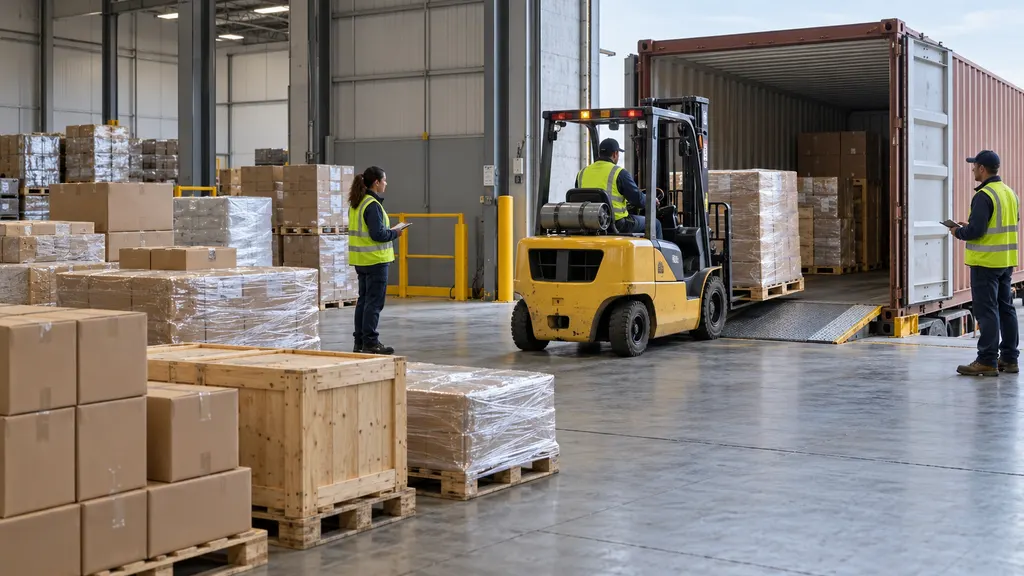
“Departure from outward office of exchange” means that an international postal item has left the export country’s main international mail processing office and has been dispatched toward the destination country or an intermediate transit point. It is generally a positive movement update, but it does not mean the parcel has arrived in the destination country, cleared customs, or is close to delivery. The next scan may show arrival at an inward office of exchange, transport or airline handling, customs processing, or another destination-country event.
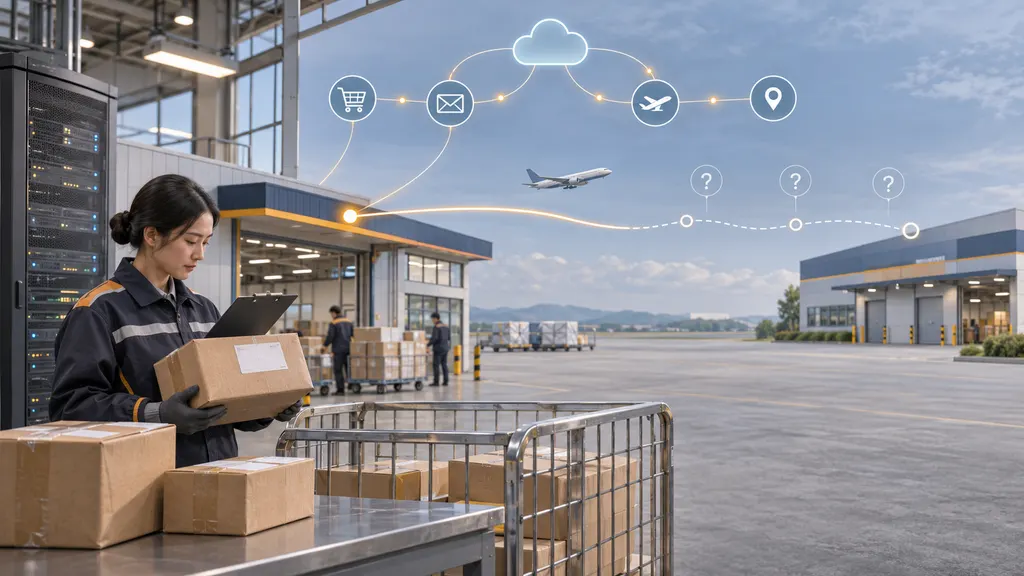
The wording is used in international postal tracking because cross-border mail passes through designated exchange offices. The exact event sequence depends on the postal operators, transport arrangements, destination country, customs procedures, and whether each handoff produces a public scan.
What does “outward office of exchange” mean?
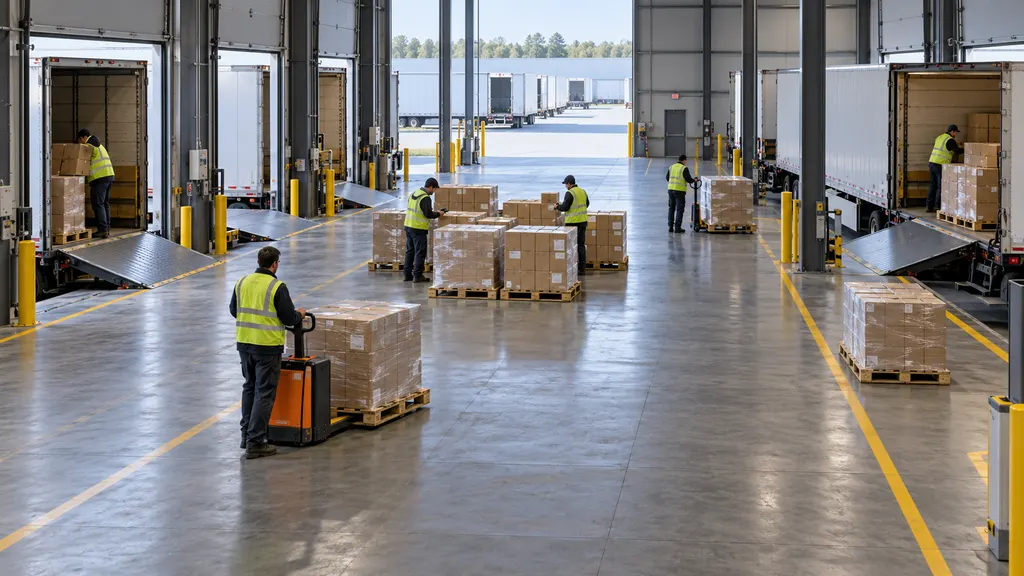
An outward office of exchange is an international mail processing facility in the country where the parcel was posted or exported. Postal operators use these facilities to consolidate, check, sort, and dispatch international mail. The facility may also be described in tracking data as an export office, outbound exchange office, or international dispatch center.
When tracking changes to “departure from outward office of exchange,” the exporting postal operator has recorded the item as leaving that stage of the international network. In practical terms, the parcel has usually completed at least part of the export process and has been released for onward transportation. The status does not identify the precise vehicle, flight, route, or departure time unless the postal operator provides that information separately.
The event is also not a universal guarantee that the item is already physically on an aircraft or truck. Postal tracking systems can record an administrative dispatch event before the next transport leg is completed. The item may be waiting for transport capacity, moving through a transit country, or traveling without a new public scan.
What happens after this tracking update?
There is no single mandatory next message for every international shipment. A common progression looks like this:
- Departure from the outward office of exchange: The export-side international mail facility has dispatched the item.
- Transport or transit processing: The shipment may be handled by an airline, postal transport network, or an intermediate exchange office. Some of these events may not appear in public tracking.
- Arrival at the inward office of exchange: The destination postal operator records the item at its international inbound facility. In some routes, the item may first arrive at a transit country’s exchange office.
- Import customs processing: Customs authorities or the destination postal operator may review the declaration, value, contents, duties, taxes, or import restrictions.
- Release to domestic delivery: After inbound processing, the parcel can move to a regional sorting center and then to the local delivery office.
These steps can appear in a different order in tracking results. For example, customs-related data may be posted before the customer sees an inward-office event, or several events may be uploaded together after a delay. Some postal operators show transport milestones, while others show only origin dispatch and destination delivery events.
How long can the parcel remain on this status?
The status can remain unchanged for several days, and sometimes longer, without proving that the parcel is lost. International mail often has gaps between scans because tracking depends on physical handoffs, transport schedules, data exchange between postal operators, weekends, holidays, customs workload, and the level of tracking purchased for the service.
A status gap is more meaningful when considered with the route, service type, destination, and the shipment’s delivery promise. A low-cost postal service may provide fewer events than a premium service. A parcel traveling through a transit country may also receive its next public scan only after it reaches the destination postal network.
Avoid treating a fixed number of days as a universal rule. Postal operators do not use identical service standards, and a tracking page may not distinguish between transport delay and missing data. The merchant’s stated delivery window, the carrier’s inquiry rules, and any applicable buyer-protection deadline are more useful reference points than the status label alone.
Does this status mean the parcel has cleared customs?
No. Departure from the outward office of exchange normally refers to export-side dispatch. It does not, by itself, confirm import customs clearance in the destination country. Import customs processing generally takes place after the item reaches the destination country or an appropriate customs gateway, although the exact data sequence varies by route.
A separate customs, import, or release event is usually needed before concluding that the item has passed destination-country customs. Even then, a tracking page may show only a general message. If customs requires information, payment, or documentation, the postal operator or customs authority may contact the recipient using the details attached to the shipment.
What should recipients do now?
For most recipients, the correct immediate action is to continue monitoring the shipment rather than contacting the local delivery office. The parcel is still in the international transportation stage, so the destination post may not yet have physical possession of it.
- Check the tracking number on the carrier or postal operator’s official website.
- Confirm that the destination country, address, and contact details are correct with the seller.
- Review the seller’s delivery estimate and any customs instructions.
- Watch for an inward-office, customs, delivery-office, attempted-delivery, or exception update.
- Keep the order number, receipt, tracking history, and correspondence in case an investigation becomes necessary.
A multi-carrier tracking service such as 17TRACK’s tracking page can be useful when a shipment changes postal networks or when the sender has not clearly identified the next carrier. It can help collect available events from supported tracking sources, but it cannot create scans that the carrier has not published. For the most authoritative delivery instruction, use the responsible postal operator’s own tracking and support channels.
When should a recipient contact the seller or carrier?
Contact the seller when the parcel passes the seller’s stated delivery window, the tracking number stops being recognized, the address appears incorrect, or the order is approaching a dispute or protection deadline. The seller is often the party that purchased the postal service and can request an inquiry or replacement under the applicable service terms.
Contact the postal operator when its published process allows the recipient to open an inquiry, particularly after the relevant waiting period has passed. That waiting period is not the same for every operator or service. Use the carrier’s official instructions instead of assuming that an unchanged status automatically qualifies as a lost-mail claim.
If tracking shows an address problem, customs request, return-to-sender event, or attempted delivery, act promptly. These events can require information or a response within a limited operational window. A parcel may be returned if the address is incomplete, import requirements are not met, or delivery cannot be completed.
How sellers should interpret this event
For an ecommerce seller, this update usually means the order has moved beyond the origin export facility, not that the delivery is nearly complete. Customer messaging should therefore be precise: the shipment has been dispatched from the origin international exchange office and is awaiting further transportation or destination-country processing.
Sellers should avoid promising a delivery date from this event alone. A better workflow is to monitor the next meaningful milestone, compare the shipment with the stated delivery window, and flag the order only when the delay exceeds the carrier’s or merchant’s operational threshold. If multiple orders show the same origin-side status for an unusual period, the seller can check for route disruption, transport congestion, documentation issues, or a carrier data delay.
Customer service teams should also distinguish between “no new scan” and “delivery exception.” The former describes a tracking-data gap; the latter indicates a published problem such as an address issue, customs hold, or failed delivery attempt. This distinction helps prevent unnecessary refunds or inaccurate explanations while still preserving the customer’s ability to escalate before a claim deadline.
A practical way to read the next tracking update
| Next message or situation | Likely meaning | Reasonable action |
|---|---|---|
| Arrival at inward office of exchange | The item has reached a destination-side or transit international facility. | Continue monitoring customs and domestic processing. |
| Customs inspection or import processing | The shipment is being reviewed under destination-country procedures. | Check for a request for documents, payment, or recipient action. |
| No update for an extended period | The parcel may be moving without a public scan, delayed, or affected by a data gap. | Compare the delay with the delivery window and contact the seller or carrier when eligible. |
| Return or address exception | Delivery cannot proceed normally. | Contact the seller and carrier promptly; do not wait for an automatic resolution. |
Bottom line
“Departure from outward office of exchange” is an export-dispatch milestone. It usually means the parcel has left the origin country’s international exchange facility and is moving toward a transit or destination network. The next update may be an arrival scan, transport event, customs message, or domestic processing event, and there may be a period with no visible tracking activity.
Do not interpret the status as proof of delivery, destination customs clearance, or a guaranteed delivery date. Monitor the official carrier record, keep the merchant’s delivery window in view, and escalate through the seller or postal operator if the delay becomes unreasonable or a formal claim window is approaching.
FAQ
Is “departure from outward office of exchange” a good sign?
It is generally a normal progress update because the parcel has left an origin international processing stage. It is not a guarantee that the parcel has already left the country by air or that the destination postal service has received it.
How many days after this status will delivery occur?
There is no universal number of days. Delivery depends on the postal service, route, transport availability, customs processing, destination operations, and the service level purchased. Use the carrier’s estimate and the seller’s stated delivery window rather than the status label alone.
Can a parcel be in transit even when tracking does not change?
Yes. A parcel can move between facilities or transport providers without a public scan. Tracking gaps can also result from delayed data exchange or a service that provides limited event detail.
Should I contact the destination post immediately?
Usually not. Before the parcel reaches the destination postal network, the destination operator may have limited information or authority to investigate it. Contact the seller or carrier when the delivery window or the operator’s inquiry conditions indicate that escalation is appropriate.
Does this status mean customs is finished?
No. The status concerns dispatch from the export-side exchange office. Look for a separate import, customs, release, or destination-processing event before concluding that destination customs has completed its review.
Sources
- Universal Postal Union: Postal supply chain and standards — background on international postal processing and standardized postal data.
- USPS: International Tracking — official guidance on international tracking availability and limitations.
- Japan Post: International Mail Services — official information about international postal services and tracking-related service conditions.
- 17TRACK: Package Tracking — tracking interface for available shipment events across supported carriers.