Logistics Facilities
Definition
Logistics facilities are physical sites used to receive, store, process, consolidate, transfer, dispatch, or return goods within a supply chain. The term is mainly used in logistics, warehousing, shipping, ecommerce, and cross-border trade. A logistics facility may handle inventory, parcels, freight, transportation equipment, customs-related processes, or returned merchandise, depending on its function.
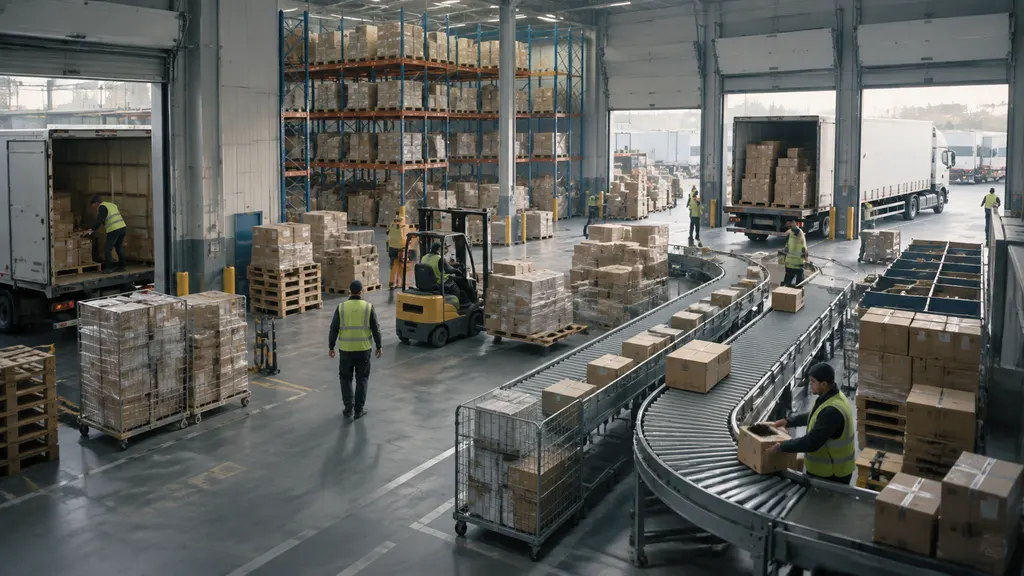
Logistics facilities connect different stages of commerce. An order may move from a supplier to a warehouse, then to a fulfillment or distribution facility, a carrier terminal, and finally the delivery address. In cross-border ecommerce, facilities may also support export preparation, import processing, customs coordination, and international transportation.
Role in Logistics
A logistics facility is a physical node in a supply chain. It does not necessarily own the goods or arrange the entire shipment. Its role depends on the operations performed there and on the relationships among the shipper, consignee, carrier, warehouse operator, customs authorities, and other service providers.
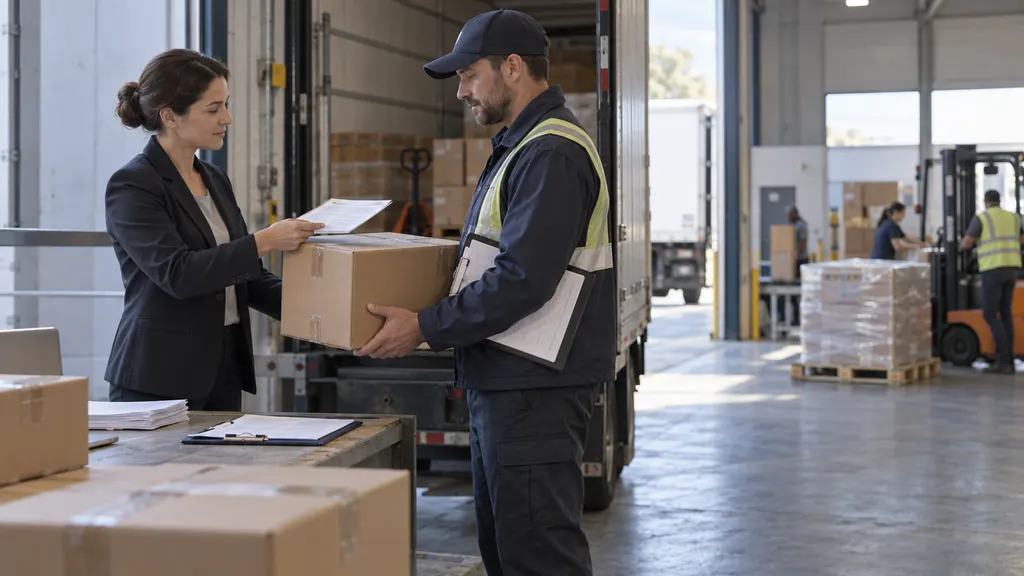
At a facility, goods may be unloaded, inspected, counted, stored, picked, packed, labeled, sorted, consolidated, transferred between transportation modes, or prepared for return. These activities can change the location, condition, packaging, or shipment status of goods without changing the underlying customer order.
Logistics Facilities in Ecommerce
In ecommerce, logistics facilities support the movement of products from sellers or suppliers to customers. A facility may receive inventory, store products, process orders, prepare parcels, and hand shipments to a carrier. Some facilities are designed for individual parcel orders, while others handle pallets, containers, bulk goods, or transfers between businesses.
For a cross-border ecommerce order, the facility may be located in the seller's country, the destination market, or a transit country. The relevant processes can include export packing, documentation, international line-haul transportation, import clearance coordination, local sorting, and last-mile dispatch. The exact activities depend on the shipment, the parties involved, and applicable customs and transport requirements.
Common Types of Logistics Facilities
There is no single universal classification that covers every logistics facility. The following categories are descriptive and are based on the facility's primary operational function.
| Facility type | Primary function | Typical goods or activity |
|---|---|---|
| Warehouse | Stores goods for a period of time and may support receiving, picking, packing, and inventory control. | Raw materials, components, finished products, or ecommerce inventory |
| Fulfillment center | Processes customer orders and prepares items for shipment. | Picked and packed ecommerce orders |
| Distribution center | Receives, organizes, and redistributes goods to stores, businesses, or other facilities. | Cartons, pallets, replenishment stock, or outbound shipments |
| Cross-dock facility | Transfers incoming goods to outbound transportation with limited or no long-term storage. | Consolidated freight, retail shipments, or time-sensitive goods |
| Sortation or parcel hub | Sorts parcels according to destination, service level, route, or carrier network. | Domestic or international parcels |
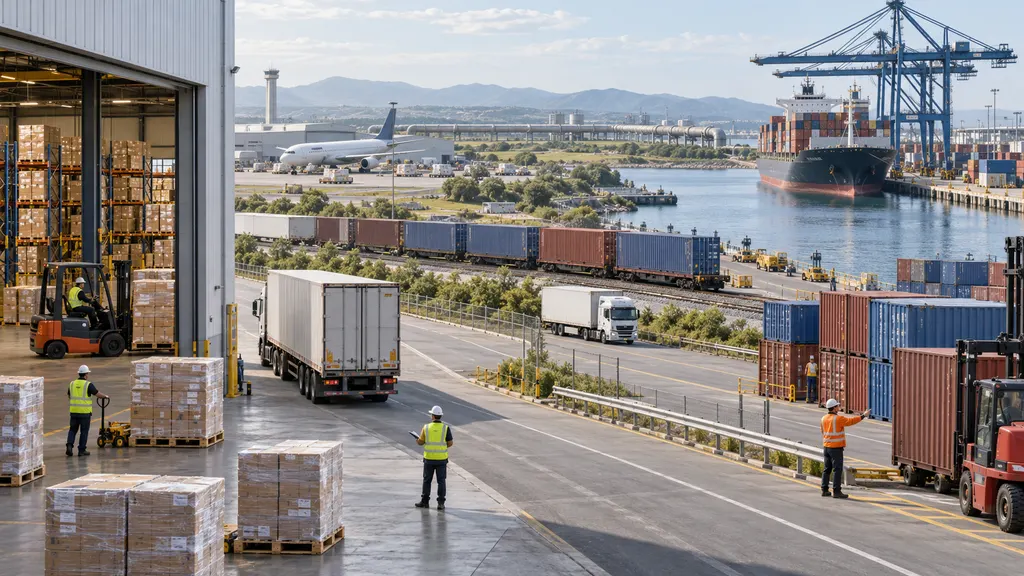
| Freight terminal | Handles the transfer of freight between vehicles, routes, or modes of transport. | Less-than-truckload freight, air cargo, rail freight, or other cargo |
| Container terminal | Transfers intermodal containers between ships, rail services, and road vehicles. | Containerized international cargo |
| Returns facility | Receives, examines, sorts, repairs, restocks, recycles, or disposes of returned goods. | Customer returns and reverse-logistics shipments |
| Bonded or customs-controlled facility | Holds or handles goods under customs procedures or controls where permitted by the relevant authority. | Imported goods awaiting a customs-related decision or procedure |
These labels can overlap. For example, a large distribution center may also contain warehouse storage, order fulfillment, parcel sortation, and returns operations. A facility's name alone does not establish its legal status or the customs procedures available there.
How Logistics Facilities Support a Shipment
- Receiving: Goods arrive from a supplier, seller, carrier, or another facility.
- Identification and checking: Staff or systems may record quantities, labels, dimensions, condition, and shipment information.
- Storage or staging: Goods are placed in inventory, held temporarily, or positioned for the next movement.
- Processing: The facility may pick items, combine shipments, repackage goods, apply labels, or prepare documents.
- Consolidation or transfer: Multiple orders or freight units may be grouped, or goods may be transferred to another vehicle or facility.
- Dispatch: The shipment leaves the facility for another supply-chain node or the final delivery address.
- Exception or return handling: Damaged, undeliverable, refused, or returned goods may be inspected and routed for a further decision.
This sequence is not mandatory for every shipment. A parcel may pass through a sortation hub without being stored, while inventory may remain in a warehouse for an extended period before an order is placed.
Logistics Facility and Related Terms
| Term | Meaning | How it differs from logistics facility |
|---|---|---|
| Warehouse | A facility primarily associated with storing and handling inventory. | A warehouse is one type of logistics facility; not every logistics facility is primarily a warehouse. |
| Fulfillment center | A facility that processes orders, usually by picking, packing, and dispatching products. | It focuses on order execution rather than only storage. |
| Distribution center | A facility that receives and redistributes goods within a supply network. | It may serve stores, businesses, or other facilities instead of individual consumers. |
| Carrier terminal | A carrier-operated or carrier-designated site where shipments are received, sorted, transferred, or dispatched. | It is connected to a carrier's transportation network and may not hold seller inventory. |
| Shipment | Goods or parcels moving under a transportation arrangement. | A shipment is the moving consignment, whereas a facility is the physical place where logistics activities occur. |
| Logistics infrastructure | The broader physical and operational network that enables logistics activity. | Infrastructure can include facilities, roads, ports, railways, information systems, and equipment; a facility is one component of that network. |
Common Misunderstandings
- A logistics facility is not always a warehouse. Some facilities mainly sort, transfer, consolidate, or dispatch goods and provide little long-term storage.
- A facility is not the same as a shipment status. A tracking record may show that a parcel reached a facility, but the facility itself is a physical location or operational site.
- A fulfillment center and a distribution center are not automatically identical. The terms can overlap in business usage, but fulfillment commonly emphasizes customer-order processing, while distribution commonly emphasizes redistribution through a supply network.
- A customs-controlled facility is not defined only by its physical appearance. Its legal status depends on the applicable customs rules, authorization, and procedures.
QA
What are logistics facilities?
Logistics facilities are physical sites used to store, process, sort, transfer, dispatch, or handle returns of goods in a supply chain.
What is the difference between a logistics facility and a warehouse?
A warehouse is mainly used for storage and inventory handling. Logistics facility is a broader term that also includes fulfillment centers, terminals, cross-dock sites, parcel hubs, and returns facilities.
What does a logistics facility do in ecommerce?
It may receive inventory, store products, process orders, pack parcels, sort shipments, transfer goods to a carrier, or handle returns.
Does every logistics facility handle customs clearance?
No. Customs-related activity is handled only where the relevant procedures, authorizations, and parties permit it. A logistics facility may support customs processes without being the authority that makes customs decisions.
Sources
- Encyclopaedia Britannica: Logistics — general logistics context and the movement of goods through supply networks.
- U.S. Bureau of Labor Statistics: Warehousing and Storage — official industry context for warehousing and storage operations.
- U.S. Customs and Border Protection: Basic Importing and Exporting — customs and cross-border trade context.