Can Vinyl Records Be Shipped Media Mail? USPS Rules, Rates, and Risks?
Yes. Vinyl records can generally be shipped by USPS Media Mail because they are sound recordings, one of the product categories USPS permits in the service. The low price makes Media Mail attractive for individual sellers, record stores, collectors, and libraries, but eligibility depends on what is inside the package—not simply on the fact that the item is a record. Media Mail is also slower than many consumer shipping services, is not guaranteed by a delivery date, and can be inspected by USPS to verify that the contents qualify.
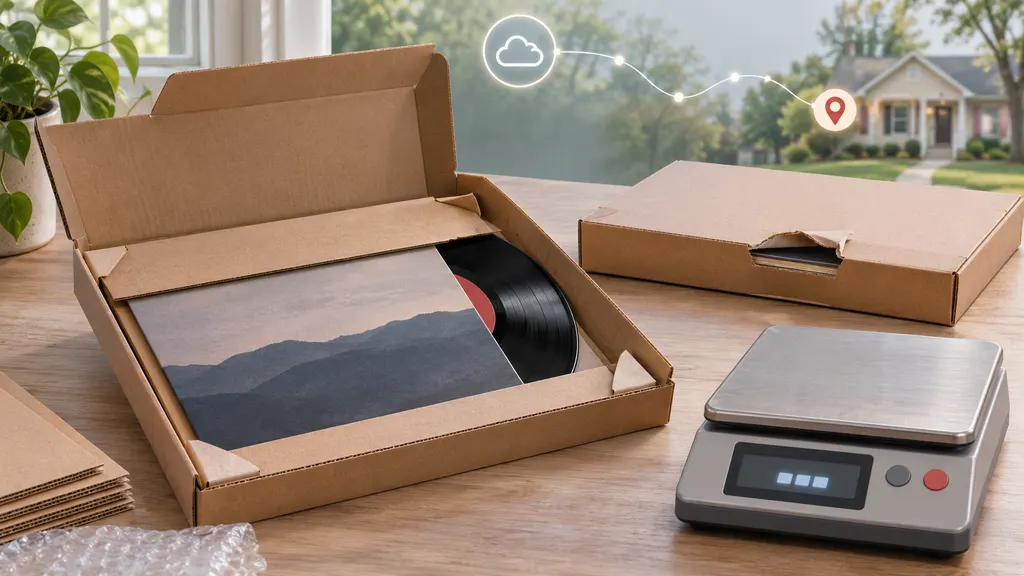
For a standard vinyl LP, the safest approach is to ship only the record and its normal album packaging, use strong protective materials, calculate the package weight accurately, and avoid adding unrelated merchandise. If the shipment contains posters, clothing, accessories, or other non-qualifying goods, the entire package may no longer fit the intended Media Mail rules.
Why vinyl records qualify for Media Mail
USPS Media Mail is a domestic service reserved for qualifying educational and recorded-media items. The USPS list includes sound recordings, and a vinyl record is a physical sound recording. That generally covers common formats such as:
- 12-inch LP records
- 7-inch singles
- 10-inch records
- Box sets containing recorded music
- Used or new records, provided the contents otherwise meet the service rules
The label, jacket, inner sleeve, and ordinary protective packaging normally travel with the record as part of the shipment. The key distinction is between packaging that protects or accompanies the recording and separate merchandise that does not qualify as recorded media.
Media Mail eligibility is not based on the item’s retail value, age, condition, or whether it is collectible. A rare first pressing and an inexpensive used LP are treated the same way for this eligibility question. What matters is the content and whether the package complies with the USPS standards for the service.
USPS Media Mail rules that matter for records
It is for qualifying contents only
Media Mail cannot be used as a general low-cost option for any small parcel. USPS may inspect Media Mail packages. If an inspection shows that the contents do not qualify, the package may be charged additional postage or handled under applicable USPS procedures. A seller should not place unrelated items in a Media Mail package merely because a record is also included.
Examples of items that can create a problem include T-shirts, jewelry, turntable parts, posters sold as separate merchandise, decorative goods, and unrelated promotional products. A packing slip or ordinary invoice is different from adding a second product, but sellers should keep enclosures limited to materials that are reasonably connected to the transaction.
The service is domestic
Media Mail is a USPS domestic service. It is not the appropriate service for sending vinyl records internationally. International shipments require an international mail service and may also require customs documentation, item descriptions, and import information.
Weight and package limits apply
A Media Mail package can weigh up to 70 pounds. Most individual records are far below that limit, but protective mailers, cardboard stiffeners, multiple records, and box sets can materially change the postage tier. USPS generally charges by the package’s weight tier, so a package that crosses the next pound may cost more than expected.
Weigh the fully packed parcel, not just the record. If the scale displays pounds and ounces, round up to the next whole-pound tier when calculating postage. The official USPS price table should be checked before buying the label because postage rates can change.
Delivery time is an estimate, not a guarantee
USPS describes Media Mail as an economical service for qualifying media, with delivery commonly taking several business days. The service is not designed for a guaranteed arrival date. Transit can take longer when a package moves across the country, during peak mailing periods, or when a parcel requires additional handling.
That makes Media Mail a poor choice for a record needed for a concert, gift date, auction deadline, or time-sensitive event. A buyer who selects the service should understand that a low postage price usually comes with less predictable speed than an expedited service.
How much does it cost to ship a vinyl record by Media Mail?
Media Mail pricing is primarily weight-based rather than zone-based. In practical terms, the distance between the sender and recipient usually does not create the same kind of zone pricing used by some other USPS package services. The amount you pay depends on the applicable USPS rate schedule, the package weight, and how postage is purchased.
There is no single price for “one vinyl record.” A lightweight 7-inch single in a compact mailer may fall into a lower tier, while a carefully protected LP, a double album, or a multi-record box can move into a higher tier. Packaging is part of the billable shipment weight.
Before buying postage, check the current USPS Notice 123 price list or the USPS postage calculator. Use the completed package’s weight and dimensions where requested. Online postage providers may display their own available rates or discounts, so the final label price can differ from a retail counter quote.
| Cost factor | What to check |
|---|---|
| Package weight | Weigh the record after it is inside the final mailer or box. |
| Current USPS tier | Use the latest Notice 123 table rather than an old marketplace estimate. |
| Extra services | Confirm whether tracking, insurance, or signature service is included or must be added. |
| Postage channel | Retail counter prices and online postage options may not be identical. |
Tracking, insurance, and seller risk
Media Mail is inexpensive, but the service has limitations that matter when a record is valuable. USPS provides tracking information for many Media Mail labels, allowing the sender and recipient to see acceptance and movement scans when those scans are recorded. Tracking is not the same as insurance, however. A tracking page may show that a parcel was accepted or delivered without reimbursing the sender for damage or loss.
Media Mail does not automatically provide the same protection that a seller might expect from a fully insured shipment. If the record is rare, expensive, difficult to replace, or being sold through a marketplace with strict delivery and refund rules, review the available USPS extra services and the platform’s own seller requirements before choosing the cheapest option.
Damage is another practical risk. Vinyl can warp, crack, or develop corner damage when it moves through a parcel network without enough support. A paper envelope is usually inadequate for a valuable LP. Use a purpose-built record mailer or a rigid box, place sturdy cardboard stiffeners around the jacket, prevent the record from sliding, and leave enough room for cushioning without allowing the package to become loose.
How to package a vinyl record for Media Mail
- Separate the disc from the jacket when appropriate. For valuable records, placing the disc beside—not tightly inside—the jacket can reduce the chance of seam splits during transit. Use a clean inner sleeve and a protective outer sleeve if suitable for the item.
- Use rigid support. Put the record between stiff cardboard inserts or use a record-specific mailer. The package should resist bending when handled.
- Stop movement. Add padding or properly sized inserts so the record cannot slide around inside the box.
- Protect against moisture. A plastic outer sleeve or inner polybag can help protect the jacket, but it should not replace a strong outer package.
- Seal every opening. Use durable packing tape and reinforce seams that may be stressed during handling.
- Measure and weigh the finished parcel. Record the actual weight before selecting the Media Mail tier.
- Keep the contents eligible. Do not use the parcel to combine the record with unrelated products.
For a high-value record, take photographs of the item and packaging before sealing the parcel. Keep the receipt, label information, and any available acceptance scan. These steps do not guarantee reimbursement, but they create a clearer record if a shipment is delayed, damaged, or disputed.
When Media Mail is a good choice—and when it is not
Media Mail is usually a sensible option when the record is eligible, the buyer accepts slower delivery, the package is well protected, and the value is modest enough that the seller is comfortable with the available protection. It is particularly practical for sellers sending several ordinary used records or buyers who prioritize lower postage over speed.
Choose another USPS service when the delivery date matters, the item is unusually fragile, the record has substantial replacement value, or the shipment contains merchandise that does not qualify. A faster service may also be more appropriate when a delay would trigger a marketplace claim or a poor customer experience.
The lowest postage is not always the lowest total cost. A damaged record can lead to a refund, replacement expense, additional customer support, and loss of buyer trust. Compare the postage saving with the item’s value and the consequences of a late or damaged delivery.
A practical decision checklist
- Is the main item a sound recording on vinyl?
- Does the package contain only the record, normal album materials, and protective packing?
- Is the shipment going to a U.S. address?
- Can the buyer accept an estimated rather than guaranteed delivery time?
- Has the fully packed parcel been weighed?
- Does the selected label use the current USPS Media Mail rate?
- Is the item’s value high enough to justify checking insurance or another service?
- Is the mailer rigid enough to reduce bending, crushing, and seam splitting?
If the answer to these questions is yes, Media Mail is generally a legitimate and economical way to ship a vinyl record. The main risk is not that vinyl is categorically excluded; it is that sellers misuse the service, underestimate packaging weight, expect guaranteed speed, or treat tracking as full protection against loss and damage.
FAQ
Can I ship a single LP by Media Mail?
Yes, a standard LP is generally eligible because it is a sound recording. Pack it securely, weigh the completed package, and make sure no unrelated merchandise is included.
Can I ship records internationally with Media Mail?
No. Media Mail is a domestic USPS service. International shipments need an appropriate international service and may require customs information.
Can I include a poster with a vinyl record?
A separate poster may not qualify as recorded media. If it is being sold as an additional product, placing it in the same Media Mail parcel can create an eligibility problem. Send it separately unless USPS confirms that the specific contents qualify.
Does Media Mail guarantee delivery by a certain date?
No. Media Mail is an economy service with an estimated delivery window, not a guaranteed delivery service. Avoid it when the record must arrive by a fixed event or deadline.
Is a Media Mail package automatically insured?
Do not assume that tracking means insurance. Check the current USPS service description and available extra services, especially when shipping a rare or expensive record.
What should I do if the record arrives damaged?
Keep the package and all packing materials, photograph the damage, save the tracking and postage records, and contact the seller or shipping provider promptly. The available remedy depends on the label, any purchased coverage, the marketplace rules, and the facts of the shipment.
Sources
- USPS Notice 123: Price List — current postage tables and service pricing.
- USPS Domestic Mail Manual — official domestic mailing standards, including Media Mail eligibility and conditions.
- USPS Mail and Shipping Services — USPS service descriptions and shipping guidance.
- USPS Customer Care: What Is Media Mail? — consumer-facing explanation of qualifying media and service limitations.