FSGJ Tracking
Please enter the FSGJ tracking number to check the latest shipping status.
About FSGJ
FSGJ is the carrier name supplied for this tracking guide. Use the official FSGJ website and the shipment record supplied by the sender to verify service details, tracking identifiers, and available support routes.
Carrier Overview
| Field | Verified page information |
|---|---|
| Carrier display name | FSGJ |
| Official website supplied for this guide | FSGJ official website |
| Tracking platform | 17TRACK provides an independent tracking interface; it does not transport shipments or decide carrier claims. |
Carrier Entity Relationships
| Entity | Relationship to FSGJ |
|---|---|
| FSGJ | FSGJ is the carrier identity that should be checked against the shipment record and official website. |
| 17TRACK | 17TRACK is an independent tracking platform that may aggregate available events; it is not the transporting party. |
| Sender or marketplace | The sender or marketplace normally supplies the shipment identifier and can confirm the service purchased. |
Quick Answer
Enter the shipment identifier supplied by the sender into the official FSGJ website or into 17TRACK. If no event appears, first check every character, remove accidental spaces or punctuation, confirm that the seller has handed over the parcel, and ask the sender whether the identifier is an order number rather than a tracking number.
How to Track FSGJ Packages
The practical tracking path is to identify the correct shipment number, submit it to the official FSGJ website or 17TRACK, and compare the latest event with the sender’s dispatch information.
Tracking Steps
| Step | Action |
|---|---|
| 1. Find the identifier | Check the dispatch email, order page, shipping label, receipt, or message from the sender. |
| 2. Verify the identifier type | Separate a tracking number from an order number, merchant reference, label reference, or delivery notice number. |
| 3. Search | Use the official FSGJ website or submit the number to 17TRACK. |
| 4. Resolve a blank result | Recheck the characters, allow time for the first physical scan, and ask the sender to confirm handover and service selection. |
Tracking Number Formats and Examples
A tracking identifier must be interpreted from the shipment record and service context. A number that can be searched through a tracking platform is not necessarily issued by the same party that performs the final delivery.
Tracking Number Format
| Identifier family | Normalized pattern | ||||||||||
|---|---|---|---|---|---|---|---|---|---|---|---|
| Shipment tracking number | Use the exact identifier supplied by the sender; preserve letters and digits while removing only accidental display spacing. | ||||||||||
View all details for shipment tracking numbers
| |||||||||||
| Merchant order or reference ID | An internal order reference may contain letters or digits and may not produce transport events. | ||||||||||
View all details for merchant references
| |||||||||||
Tracking Statuses and Meanings
Status Quick Lookup
| Status | Lifecycle stage | ||||||||
|---|---|---|---|---|---|---|---|---|---|
| Label created or pre-advice | Pre-shipment; electronic data may exist before a physical acceptance scan. | ||||||||
View all details for pre-shipment status
| |||||||||
| In transit | The shipment is moving between recorded processing points. | ||||||||
View all details for in-transit status
| |||||||||
| Delivered | The tracking system has recorded a delivery event. | ||||||||
View all details for delivered status
| |||||||||
Services and Delivery Times
A delivery estimate depends on the service selected, origin, destination, handoffs, address quality, weekends, holidays, customs, and operational conditions. Use the shipment record and the current official FSGJ information for a service-specific estimate.
Service Comparison
| Service record | Best next step |
|---|---|
| Service named by the sender | Use the exact service name on the receipt or dispatch message when asking for an estimate or support. |
| Delivery estimate | Treat an estimate as a planning window rather than a guaranteed delivery date unless the applicable service terms expressly state a guarantee. |
Delivery Time
| Timing item | How to interpret it |
|---|---|
| Published standard | Apply only when the service, origin, destination, and counting rules match the shipment. |
| Actual movement | Use the event history; missing scans can make the visible timeline differ from physical movement. |
| Delay factors | Check handoffs, address problems, customs processing, peak periods, weather, and service disruption notices. |
Destination Country Delivery Times
| Destination | Actionable timing guidance |
|---|---|
| Shipment destination shown in the order record | Use the service-specific estimate supplied for that shipment; customs and last-mile processing can change the visible delivery window. |
Common Tracking Problems and Solutions
Problem & Solution
| Problem or status | Check first and immediate action |
|---|---|
| Invalid number | Compare every character with the sender’s record and confirm that the number is a transport identifier. |
| No tracking event | Ask the sender whether the parcel was physically handed over; electronic label creation is not proof of acceptance. |
| Long period without an update | Check the latest location, weekends, holidays, handoffs, customs instructions, and the seller’s promised service window. |
| Delivery exception or failed delivery | Review the event wording, verify the address, and follow the official instruction or sender support route. |
| Delivered but not received | Check the delivery location, household members, reception desk, neighbours, local delivery point, and any available proof of delivery before contacting the sender. |
| Lost or damaged shipment | Preserve packaging and photographs, collect the order and value evidence, and ask the sender which party is authorised to open an inquiry or claim. |
International Shipping, Customs and Carrier Handoffs
For an international shipment, an electronic pre-advice event, physical handover, first receiving scan, customs processing, and last-mile delivery are separate steps. Arrival in a destination country does not by itself prove customs release.
International Flow
| Stage | Customer action |
|---|---|
| Origin preparation and acceptance | Confirm that the sender has supplied a valid identifier and completed the physical handover. |
| Export processing and line-haul | Allow for processing and transport gaps between scans; keep the dispatch record. |
| Destination arrival and customs | Respond to any request for documents, duties, taxes, or delivery information through the official channel. |
| Partner handoff and last mile | Check whether a destination delivery identifier is supplied and use the local delivery instructions when shown. |
Delivery Management and Post-shipment Options
Delivery changes depend on the service, destination, shipment stage, sender permissions, and the operating party currently holding the parcel. Ask the sender or use the official FSGJ route before relying on an address change, interception, redelivery, or pickup request.
Lost, Damaged, Claims, Insurance and Refunds
| Process | Use when |
|---|---|
| Tracking inquiry | Use when the event history needs clarification or a shipment appears stalled. |
| Loss or damage claim | Ask the sender which authorised party can file and preserve the packaging, contents, photos, receipt, and value evidence. |
| Merchant refund | A seller or marketplace decides its customer remedy separately from a carrier investigation. |
17TRACK cannot approve a FSGJ claim, issue a postage refund, change transport results, or replace a seller’s refund process.
Shipping Restrictions and Special Handling
| Category | Customer check |
|---|---|
| Regulated or hazardous goods | Check the current official rules before shipping batteries, liquids, chemicals, aerosols, or other regulated contents. |
| Customs-controlled contents | Use accurate descriptions and required documents; incorrect information can delay clearance or cause return. |
| Perishable or fragile contents | Use suitable packaging and confirm that the selected service accepts the contents. |
Customer Service
Customer Service
| Channel | Best use |
|---|---|
| Official website | Open the official FSGJ website and use the current contact or tracking route presented there. |
| Sender or marketplace | Use this route for order details, seller refunds, dispatch confirmation, and cases where the sender must initiate a carrier inquiry. |
| Information to prepare | Prepare the tracking identifier, order reference, dispatch date, address, latest scan, contents description, value evidence, and photographs where relevant. |
Ecommerce and Business Tracking
Businesses should distinguish the sender’s order system, the official FSGJ tracking route, and a multi-carrier tracking API. Standardise the identifier received from the fulfilment system before monitoring exceptions or answering delivery questions.
Developer/API Comparison
| Option | Provider | ||||||||||
|---|---|---|---|---|---|---|---|---|---|---|---|
| Official carrier integration | FSGJ | ||||||||||
View all details for the official carrier integration
| |||||||||||
| 17TRACK API | 17TRACK | ||||||||||
View all details for the 17TRACK API
| |||||||||||
FAQ
Basic FAQs
Enter the shipment identifier supplied by the sender on the official FSGJ website or in 17TRACK.
Check the dispatch message, order page, shipping label, receipt, or message supplied by the sender.
The format depends on the shipment record and service; use the exact identifier supplied by the sender rather than guessing from appearance alone.
Check the characters and confirm that the sender has handed over the shipment; electronic label creation may precede a physical scan.
Review the latest event, handoff stage, weekends, holidays, customs activity, and the delivery window promised by the sender.
Use the service-specific estimate in the shipment record; the actual date can change because of transport, customs, address, and last-mile conditions.
Read the latest exception, verify the address, and follow the official delivery instruction or contact the sender.
Check entrances, reception areas, household members, neighbours, and the local delivery location, then ask the sender to assist with an inquiry.
Preserve packaging and evidence and ask the sender which authorised party must open the inquiry or claim.
Use the current contact route on the official FSGJ website, or contact the sender or marketplace that purchased the service.
Expert FAQs
No; label creation can precede physical acceptance, so look for an event showing that the shipment entered the transport network.
Yes; electronic pre-advice, physical handover, and the first receiving scan are separate events and should not be treated as the same custody point.
No; arrival, customs processing, and customs release are different stages, and the event wording should be read before deciding that clearance is complete.
A shipment may retain one identifier or receive an associated destination identifier; ask the sender to confirm any linked number shown in the delivery record.
No; 17TRACK displays tracking information and cannot change delivery instructions or control the shipment.
Tracking API
// 1. FSGJ official tracking API
// Current public official tracking API endpoint and authentication details
// should be taken from the current FSGJ technical documentation.

// 2. 17TRACK API
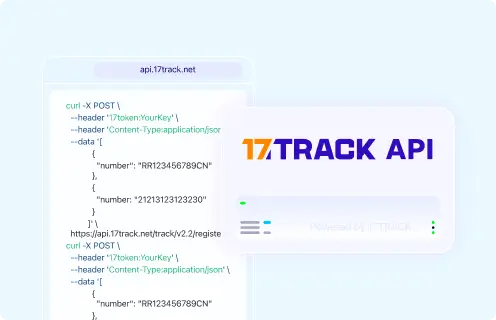
POST https://api.17track.net/track/v2.4/register
Header: 17token: YourKey
Header: Content-Type: application/json

Body:
[
  {
    "number": "TRACKING_NUMBER",
    "carrier": "CARRIER_CODE"
  }
]

// Confirm the current 17TRACK carrier catalogue before replacing
// CARRIER_CODE with a production value.
Sources & References
- FSGJ official website. Official website supplied for this carrier guide.
- 17TRACK API documentation. 17TRACK.
17TRACK is an independent tracking platform and is not affiliated with FSGJ.
Track your package
Global express parcel tracking service