worldwide logistics Tracking
Please enter the worldwide logistics tracking number to check the latest shipping status.
About WorldWide Logistics
WorldWide Logistics is the carrier name supplied for this tracking guide. Shipment-specific service, route, destination, and tracking capabilities should be determined from the shipping label, merchant record, and the latest carrier scan rather than inferred from the brand name alone.
| Field | Verified reference |
|---|---|
| Display name | WorldWide Logistics |
| Official website supplied for checking | https://www.worldwide-logistics.cn/ |
| Tracking role | Use the shipment record to determine whether WorldWide Logistics is the booking carrier, line-haul provider, freight forwarder, customs participant, or last-mile delivery party. |
Carrier Entity Relationships
| Entity | Relationship summary |
|---|---|
| WorldWide Logistics | The shipment record identifies the commercial logistics entity associated with the parcel or freight movement. |
| Merchant or shipper | The merchant or shipper normally supplies the tracking number and can request booking or delivery assistance. |
| Destination delivery partner | A destination partner may perform the final delivery when the shipment is handed over after transport or customs processing. |
| 17TRACK | 17TRACK is an independent tracking platform that aggregates available events and does not operate the shipment. |
Quick Answer
Enter the shipment tracking number shown in the merchant’s dispatch message, shipping label, receipt, or transport document on the official carrier website when available, or use 17TRACK to check aggregated events. If no result appears, first verify that you entered a tracking number rather than an order number, remove accidental spaces, and ask the seller whether the label has been physically handed to a transport provider.
How to Track WorldWide Logistics Packages
Use the number connected to the physical shipment. An order number identifies a purchase, while a tracking number identifies a transport record; a reference number may identify a customer or booking record and may not return scan events.
| Path | Steps |
|---|---|
| Official route | Open the carrier or booking-provider tracking page, enter the shipment identifier exactly as supplied, and compare the returned service and destination with the merchant’s information. |
| 17TRACK route | Open 17TRACK, submit the shipment identifier, review automatic carrier recognition, and compare the newest scan with the seller’s dispatch date. |
| No usable number | Contact the merchant or shipper. The buyer’s order number, invoice number, or payment reference may not be searchable as a transport identifier. |
| No first scan | A label or electronic pre-advice may exist before a physical acceptance scan. Ask the shipper to confirm handover and the selected transport provider. |
Tracking Number Formats and Examples
A WorldWide Logistics tracking format should be taken from the shipment document rather than guessed from a prefix. Logistics shipments can use carrier-issued numbers, forwarder references, partner numbers, postal identifiers, or multiple linked identifiers. The examples below are deliberately masked.
Tracking Number Format
| Identifier family | Masked example | ||||||||
|---|---|---|---|---|---|---|---|---|---|
| Carrier shipment identifier | WL######## or WL-####-#### | ||||||||
View all details for carrier shipment identifiers
| |||||||||
| Partner or last-mile identifier | ########### | ||||||||
View all details for partner identifiers
| |||||||||
| Order or reference number | ORDER-######## | ||||||||
View all details for order references
| |||||||||
Tracking Statuses and Meanings
| Status | Meaning and next action |
|---|---|
| Label created / pre-advice | Electronic shipment data exists, but physical acceptance may not have occurred. The shipper should confirm handover. |
| Accepted / received | A transport participant has recorded receipt. The next event is normally processing or movement. |
| In transit | The shipment is moving or awaiting movement between facilities. Check the scan date before escalating. |
| Customs or handover | The shipment is being reviewed, transferred, or awaiting information. Arrival at customs does not mean release. |
| Out for delivery | A local delivery route has been assigned. Keep the address and delivery instructions accessible. |
| Delivered | A delivery event was recorded. Check the delivery location, household, reception desk, neighbors, and proof of delivery. |
| Exception or return | A delivery or transport issue requires review. The seller or shipper should contact the responsible transport party. |
Services and Delivery Times
The shipment record is the reliable source for the booked service and delivery estimate. A generic carrier name does not establish a guaranteed service level or a universal delivery time.
Service Comparison
| Service record | Practical use |
|---|---|
| Domestic or regional shipment | Use the booked service shown by the shipper; coverage and scans depend on the route and receiving network. |
| International shipment | Expect separate export, line-haul, customs, handover, and last-mile events where systems are connected. |
| Freight or commercial movement | Use the transport document and shipper contact because a freight reference may not behave like a consumer parcel number. |
Delivery Time
| Timing question | How to interpret it |
|---|---|
| Published estimate | Use the estimate attached to the booking, origin, destination, and selected service. |
| Business or calendar days | Confirm the booking terms; weekends, holidays, customs, weather, and handovers can change elapsed time. |
| Guarantee | Do not treat an estimated delivery date as a money-back or guaranteed delivery commitment. |
Destination Country Delivery Times
| Destination | Shipment-specific guidance |
|---|---|
| Destination shown on the booking | Use the booked route and service estimate. Customs, destination restrictions, partner handover, address quality, and local delivery capacity can affect the actual date. |
Common Tracking Problems and Solutions
| Problem or status | Immediate action |
|---|---|
| Invalid number | Check every character, remove unintended punctuation, and ask the seller whether the number is an order reference or a transport identifier. |
| No update | Compare the last scan date with the promised window and ask the shipper to confirm physical handover and the correct carrier. |
| Shipping partner handoff | The displayed partner may have data but not physical possession. Ask the shipper which party currently holds the shipment. |
| Address problem or failed delivery | Contact the shipper and local delivery party promptly; provide the full address and any permitted delivery instruction. |
| Delivered but missing | Check the delivery location, household members, reception desk, neighbors, safe-place instructions, and proof of delivery before escalating to the seller. |
| Customs delay | Review requests for identification, invoice, tax, or import information and contact the importer or seller rather than assuming the carrier can pay duties. |
| Lost or damaged | Preserve packaging and evidence, notify the seller or shipper, and follow the applicable investigation or claim process. |
International Shipping, Customs and Carrier Handoffs
For an international movement, responsibility can change between the booking provider, origin transport party, customs authorities, destination partner, and final delivery operator. A customs arrival scan is not proof of customs release, and an electronic handoff event is not always proof of physical receipt.
| Stage | What the customer should understand |
|---|---|
| Origin preparation | The shipper creates data, packaging, and transport documents. A label event may precede physical acceptance. |
| Export processing | The shipment may undergo security, export documentation, and dispatch processing. |
| Line-haul movement | Long periods without scans can occur while the shipment is between connected facilities. |
| Destination customs | Authorities or their appointed representatives may request information, taxes, or duties. |
| Partner handoff | A destination provider may receive the parcel and add its own delivery events or identifier. |
| Last mile | The local delivery party manages route assignment, delivery attempts, pickup, or return according to its rules. |
Delivery Management and Post-shipment Options
| Option | Who should request it |
|---|---|
| Address correction | The shipper or merchant should contact the responsible transport provider; recipients should not assume a tracking platform can edit the address. |
| Redelivery or pickup | The recipient can follow the instruction on a delivery notice or ask the local delivery party whether pickup is available. |
| Proof of delivery | The recipient or shipper can request available delivery evidence from the party that recorded the delivery event. |
Lost, Damaged, Claims, Insurance and Refunds
| Process | Use when |
|---|---|
| Tracking inquiry | Use when an event is unclear or the latest scan needs explanation. |
| Transport investigation | The shipper should request an investigation when movement has stopped or delivery cannot be established. |
| Damage or loss claim | Use the applicable booking, insurance, or carrier claim procedure and preserve packaging, photographs, invoices, and value evidence. |
| Merchant refund | The buyer normally requests a purchase refund from the seller or marketplace; 17TRACK cannot approve it. |
Shipping Restrictions and Special Handling
| Category | Practical caution |
|---|---|
| Dangerous goods | Batteries, chemicals, aerosols, and other regulated goods may require route-specific approval or may be refused. |
| Liquids and perishables | Packaging, destination law, temperature exposure, and leakage risk can affect acceptance and delivery. |
| Valuable or restricted goods | The shipper must check the booking rules and destination import requirements before dispatch. |
| Documentation | Incomplete descriptions, invoices, or customs data can cause holds, returns, or additional requests. |
Customer Service
| Channel | Best use |
|---|---|
| Official website | WorldWide Logistics official website; use it to locate current company, service, contact, and shipment information. |
| Merchant or shipper | Best first contact for missing numbers, booking errors, address issues, refunds, and claims because the contracting party holds shipment documents. |
| Destination delivery party | Best for a local delivery attempt, pickup notice, proof of delivery, or last-mile exception after handover. |
| Information to prepare | Prepare the tracking number, order reference, ship date, origin and destination, latest event, address, contents description, and photographs where relevant. |
Ecommerce and Business Tracking
Businesses should distinguish the merchant order record, the carrier’s shipment record, and a multi-carrier tracking platform. Standardized status mapping, exception monitoring, and customer notifications are useful only when the underlying carrier or partner supplies events.
Developer/API Comparison
| Option | Provider | ||||||||
|---|---|---|---|---|---|---|---|---|---|
| Carrier or booking API | WorldWide Logistics or the contracted booking provider | ||||||||
View all details for the carrier or booking API
| |||||||||
| 17TRACK API | 17TRACK | ||||||||
View all details for the 17TRACK API
| |||||||||
FAQ
Basic FAQs
Enter the shipment tracking number on the official WorldWide Logistics website when available or use 17TRACK to view available events.
Check the seller’s dispatch email, shipping label, receipt, freight document, or order portal; ask the seller if only an order number is shown.
Formats can differ by booking and route, so use the identifier printed on the shipment record rather than inferring the service from a prefix.
The first scan appears after a connected transport participant records acceptance; a label or electronic pre-advice can exist earlier.
A shipment may be between scan points, awaiting handover, or still with the shipper; compare the last event with the promised window and contact the seller.
Delivery time depends on the booked service, origin, destination, customs, handovers, address, and local delivery capacity; use the shipment-specific estimate.
Read the delivery notice, verify the address, and contact the seller or local delivery party promptly about redelivery or pickup.
Check safe places, household members, reception, neighbors, and proof of delivery, then ask the seller to open a delivery inquiry.
Notify the seller or shipper, preserve the packaging and contents, collect photographs and value evidence, and follow the applicable claim process.
Start with the official website or the merchant that arranged shipment and provide the tracking number, latest scan, address, and dispatch details.
Expert FAQs
No; a label can represent electronic preparation before a transport participant records physical receipt.
Yes, a handover partner may expose a linked local identifier, so retain the original number and ask the seller for any secondary reference.
No; arrival, inspection, documentation requests, duty payment, and release are separate stages.
The shipper or contracting merchant should normally begin the transport inquiry because that party holds the booking and claim documents.
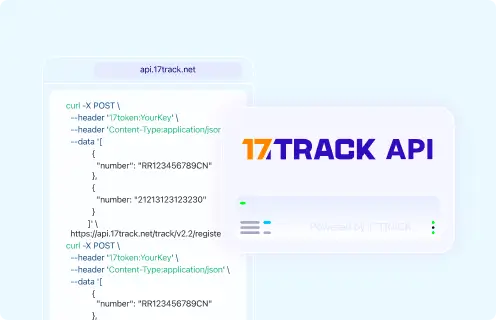
Businesses can use the documented 17TRACK API for supported multi-carrier tracking workflows, subject to account access, carrier recognition, and available events.
Tracking API
// Carrier-specific public API endpoint: current public documentation was not supplied.
POST https://api.17track.net/track/v2.4/register
17token: YourKey
Content-Type: application/json

[
  {
    "number": "TRACKING_NUMBER",
    "carrier": "CARRIER_CODE"
  }
]
Sources & References
- WorldWide Logistics — Official website supplied for carrier research. WorldWide Logistics
- 17TRACK API Documentation. 17TRACK
- Postal standards and international identifier guidance. Universal Postal Union
17TRACK is an independent tracking platform and is not affiliated with WorldWide Logistics.
Track your package
Global express parcel tracking service