About TYL
TYL is the carrier display name used on this tracking page for 广州泰裕物流有限公司, a Guangzhou-based integrated logistics company. TYL provides international air and ocean freight, China–Hong Kong transport, warehousing and distribution, customs-related services, bonded-zone logistics, and heavy-equipment handling. Its role is primarily freight forwarding and coordinated logistics rather than a conventional consumer parcel-post network.
TYL Overview
| Field | Verified information |
|---|
| Official legal name | 广州泰裕物流有限公司 |
| Official website | http://www.ty-logis.com/ |
| Carrier type | Integrated international logistics provider and freight forwarder |
| Primary region | South China, with domestic gateway coverage and an international agency network |
| Tracking page | The official website homepage includes a logistics-number query function. |
| Office address | Room 907, No. 78 Jiefangzhuang Road, Baiyun District, Guangzhou, China |
TYL states that its domestic service footprint includes Hong Kong, Guangzhou, Shenzhen, Xiamen, Fuzhou, Ningbo, Shanghai, Qingdao, Yantai, Tianjin, Beijing, Xi’an, Chengdu, and Chongqing. Its international agency network covers Europe, the Americas, Southeast Asia, Africa, and the Middle East, with particular attention to DDP and DDU import/export movements.
Carrier Entity Relationships
| Entity | Entity type |
|---|
| TYL | Canonical carrier display entity |
View all details for TYL
| Relationship to TYL | TYL identifies the logistics services associated with 广州泰裕物流有限公司 on this page. |
|---|
| Why it matters to tracking | Users should distinguish TYL from similarly named carriers and from airlines or destination agents appearing in shipment events. |
|---|
| Official evidence | The official company website describes the legal entity and its logistics services. |
|---|
|
| Air and ocean freight | Operated and coordinated services |
View all details for TYL freight services
| Relationship to TYL | TYL coordinates air import/export and full-container-load or less-than-container-load ocean freight. |
|---|
| Why it matters to tracking | Movement may be represented by a TYL reference, airline air waybill, ocean bill of lading, container number, or partner reference. |
|---|
| Official evidence | The official air-freight and ocean-freight pages describe these services. |
|---|
|
| Airline partners | Line-haul capacity providers |
View all details for airline relationships
| Relationship to TYL | TYL lists China Postal Airlines, Lion Air, Asiana Airlines, Thai Lion Air, Thai VietJet Air, and China Southern Airlines among its airline relationships. |
|---|
| Why it matters to tracking | An airline flight or air-waybill event identifies the line-haul operator; it does not mean the airline provides final delivery. |
|---|
| Official evidence | The official TYL air import/export page names these airlines and selected routes. |
|---|
|
| Customs and overseas agents | Clearance, transfer, and delivery partners |
View all details for customs and overseas agents
| Relationship to TYL | TYL coordinates customs, transfer, and destination services through its own resources and cooperating agents. |
|---|
| Why it matters to tracking | The responsible party can change at export clearance, international line-haul, import clearance, or destination delivery. |
|---|
| Official evidence | The company profile and customs-service page describe domestic customs resources and an international agency network. |
|---|
|
| 17TRACK | Independent tracking platform |
View all details for the 17TRACK relationship
| Relationship to TYL | 17TRACK can present available tracking data submitted under a supported carrier identification. |
|---|
| Why it matters to tracking | 17TRACK does not transport freight, perform customs clearance, change delivery instructions, or decide claims. |
|---|
| Official evidence | 17TRACK documentation describes its multi-carrier tracking API. |
|---|
|
Quick Answer
Enter the logistics or shipment number supplied by TYL, the shipper, or the booking agent in the query tool on the official TYL website. You can also submit the identifier to 17TRACK when the number belongs to a supported carrier or a downstream delivery partner. If no result appears, first copy the identifier directly from the shipping document, remove accidental spaces, and confirm whether it is a TYL logistics number, an air waybill, a bill-of-lading reference, a container number, or a final-mile carrier number.
Pro Tip: 17TRACK is an independent visibility platform. Shipment changes, customs documents, delivery arrangements, refunds, and claims must be handled by TYL, the c
ontracting shipper, or the carrier currently holding the freight.
How to Track TYL Packages
Use the identifier assigned to the physical shipment, not an ecommerce order number, and check both the TYL query channel and any operating carrier identified on the transport document.
- Locate the logistics number on the booking confirmation, shipping advice, invoice, air waybill, bill of lading, warehouse release, or seller dispatch message.
- Open the official TYL website and use its logistics-number query area.
- Paste the identifier exactly as issued. If the search fails, retry without spaces or punctuation only when the printed document clearly uses them as visual separators.
- For multi-carrier visibility, open 17TRACK, enter the shipment number, and verify the detected carrier before relying on the result.
- If the record identifies an airline, ocean carrier, customs agent, or final-mile carrier, use that operator’s official tracking channel for the stage it controls.
Which Identifier Should You Use?
| Identifier | How to use it |
|---|
| Shipment or logistics number | Use this first in the TYL query tool when it was supplied for shipment visibility. |
| Order number | Use it with the merchant. An order number usually identifies a purchase rather than a carrier movement. |
| Customer reference | Use it for correspondence with the contracting shipper unless the tracking interface explicitly accepts references. |
| Air waybill | Use it with the responsible airline or freight agent for air-cargo movement. |
| Bill of lading or container number | Use it with the ocean carrier or forwarder for sea-freight milestones. |
| Last-mile tracking number | Use it after destination handoff when a local delivery carrier has issued a separate identifier. |
If you have no shipment identifier, ask the seller or contracting shipper for the transport reference and the name of the operator currently holding the cargo. A newly created booking can exist before cargo is physically received, so the first operational event may appear only after warehouse acceptance, carrier tender, or document processing.
Tracking Statuses and Meanings
Freight tracking wording can come from TYL, an airline, an ocean carrier, a customs agent, a warehouse, or a delivery partner. The following lifecycle interpretations are operational guidance rather than a claim that every phrase appears verbatim in the TYL query tool.
Status Quick Lookup
| Status | Lifecycle stage |
|---|
| Booking or shipment information received | Pre-shipment |
View all details for booking information received| What it means | A record or transport booking exists; physical cargo acceptance should be established separately. |
|---|
| Current responsible party | The shipper remains responsible until cargo is tendered and accepted. |
|---|
| What happens next | Pickup, warehouse receipt, document review, or carrier acceptance. |
|---|
| What you should do | Confirm the planned handover date with the shipper if no acceptance event follows. |
|---|
|
| Cargo received or accepted | Accepted |
View all details for cargo accepted| What it means | A warehouse, forwarder, or transport operator recorded physical receipt. |
|---|
| Current responsible party | The named receiving facility or carrier. |
|---|
| What happens next | Measurement, consolidation, security review, customs preparation, or dispatch planning. |
|---|
| What you should do | Check cargo quantity and document acceptance if the shipment is commercial freight. |
|---|
|
| Departed origin or in transit | In transit |
View all details for in-transit cargo| What it means | The cargo has left an origin facility by truck, air, feeder, or vessel. |
|---|
| Current responsible party | The line-haul carrier or contracted transport operator. |
|---|
| What happens next | Transfer, arrival, discharge, or destination processing. |
|---|
| What you should do | Compare movement with the booked schedule and allow for scan gaps between facilities. |
|---|
|
| Customs documents under review | Customs |
View all details for customs review| What it means | A customs broker or authority is reviewing the declaration, classification, value, permits, or supporting documents. |
|---|
| Current responsible party | The declarant must provide accurate documents; customs controls release. |
|---|
| What happens next | Release, a document request, tax assessment, inspection, or another control action. |
|---|
| What you should do | Respond promptly through TYL or the appointed broker and do not treat arrival as customs release. |
|---|
|
| Handed to destination agent | Handover |
View all details for destination handover| What it means | A destination agent, trucker, warehouse, or delivery carrier has received or is scheduled to receive the cargo. |
|---|
| Current responsible party | Responsibility transfers only after the relevant physical acceptance, not merely after electronic pre-advice. |
|---|
| What happens next | Import processing, deconsolidation, appointment scheduling, or local delivery. |
|---|
| What you should do | Request the partner name and local reference if destination visibility is needed. |
|---|
|
| Out for delivery | Final delivery |
View all details for out for delivery| What it means | The local carrier has assigned the consignment to a delivery route. |
|---|
| Current responsible party | The named destination delivery carrier. |
|---|
| What happens next | Delivery, appointment rescheduling, refusal, or failed-attempt processing. |
|---|
| What you should do | Ensure site access, receiving staff, unloading capacity, and any required payment or documents are ready. |
|---|
|
| Delivered or proof of delivery recorded | Delivered |
View all details for delivered cargo| What it means | The delivery operator recorded completion to the consignee, receiving desk, warehouse, or authorized representative. |
|---|
| Current responsible party | The receiving party should verify quantity and condition; the carrier retains delivery evidence. |
|---|
| What happens next | Proof-of-delivery reconciliation and any exception reporting. |
|---|
| What you should do | Check the receiving area and obtain proof of delivery before alleging loss. |
|---|
|
| Available for pickup or release | Pickup |
View all details for pickup or release| What it means | Cargo is held at a warehouse, terminal, port, or agent pending collection and release conditions. |
|---|
| Current responsible party | The facility has custody; the consignee or appointed trucker must satisfy release requirements. |
|---|
| What happens next | Document release, fee settlement, appointment, and collection. |
|---|
| What you should do | Confirm release documents, opening hours, pickup reference, vehicle requirements, and storage exposure. |
|---|
|
| Exception or delivery failed | Exception |
View all details for a delivery exception| What it means | Delivery or movement could not proceed because of address, access, documentation, capacity, weather, inspection, or receiving issues. |
|---|
| Current responsible party | The party able to correct the specific cause, which may be the shipper, consignee, broker, or carrier. |
|---|
| What happens next | Correction, rebooking, redelivery, storage, or return planning. |
|---|
| What you should do | Contact the party named in the event with the shipment number and corrected information. |
|---|
|
| Return or shipment routed back | Return |
View all details for returned cargo| What it means | The cargo is moving toward the origin, shipper, or another agreed facility. |
|---|
| Current responsible party | The appointed return carrier and contracting party. |
|---|
| What happens next | Return transport, customs handling where applicable, and receipt by the designated party. |
|---|
| What you should do | Ask the contracting shipper to confirm authorization, costs, customs implications, and the return destination. |
|---|
|
Services and Delivery Times
TYL publishes service categories and route coverage, while shipment schedules are arranged around the selected mode, origin, destination, customs plan, consolidation, and operating carrier. Treat the schedule in the booking confirmation as the relevant shipment plan rather than applying a universal parcel-delivery estimate.
Service Comparison
| Service | Service type |
|---|
| Air import and export | International air freight |
View all details for air import and export| Best for | Commercial cargo requiring airport-based international transport. |
|---|
| Coverage | Primary focus on Southeast and Northeast Asia, with routes to Europe, the Americas, the Middle East, South Asia, Africa, and Latin America. |
|---|
| Tracking level | Shipment, house air waybill, master air waybill, or airline milestones may apply. |
|---|
| Key size/weight condition | Acceptance depends on the booked airline, aircraft, cargo characteristics, and handling plan. |
|---|
| Included protection/extra service | TYL describes pickup, warehousing, customs, airport ground handling, distribution, and information services. |
|---|
| Main limitation | Flight schedules, capacity, security screening, customs, and partner handling affect movement. |
|---|
|
| Ocean import and export | Full-container-load and less-than-container-load freight |
View all details for ocean import and export| Best for | Containerized or consolidated commercial cargo. |
|---|
| Coverage | Routes include Japan and Korea, Southeast Asia, the Middle East, the Red Sea, Europe, and North America. |
|---|
| Tracking level | Booking, bill of lading, container, vessel, transshipment, discharge, and release milestones may apply. |
|---|
| Key size/weight condition | Depends on container, consolidation, port, carrier, and cargo acceptance rules. |
|---|
| Included protection/extra service | TYL describes procurement, warehousing, transport, export customs, import clearance, and delivery coordination. |
|---|
| Main limitation | Sailing schedules, cutoffs, transshipment, port congestion, customs, and release procedures affect completion. |
|---|
|
| China–Hong Kong transport | Cross-border road and warehouse transfer |
View all details for China–Hong Kong transport| Best for | Container, truck, flatbed, storage, transfer, and customs movements between mainland China and Hong Kong. |
|---|
| Coverage | Routes through Huanggang, Shenzhen Bay, and Wenjindu ports are described by TYL. |
|---|
| Tracking level | Operational updates are associated with pickup, warehouse, border, customs, and delivery stages. |
|---|
| Key size/weight condition | Vehicle and handling requirements depend on cargo and booking. |
|---|
| Included protection/extra service | Warehouse transfer and customs coordination can form part of the movement. |
|---|
| Main limitation | Border processing, declaration readiness, vehicle assignment, and consignee access affect timing. |
|---|
|
| Warehousing and customs | Storage, handling, declaration, and distribution support |
View all details for warehousing and customs| Best for | Commercial cargo requiring storage, packing, inventory handling, customs, or onward distribution. |
|---|
| Coverage | TYL describes resources at major South China airports, ports, border points, and cooperating locations in East China. |
|---|
| Tracking level | Warehouse receipt, document processing, customs, release, and dispatch records may apply. |
|---|
| Key size/weight condition | Facility and equipment suitability must be agreed before delivery. |
|---|
| Included protection/extra service | Loading, distribution, packing, and inventory-management services are described. |
|---|
| Main limitation | Customs acceptance depends on accurate declarations, documents, permits, and cargo compliance. |
|---|
|
Delivery Time
| Service | Published delivery standard |
|---|
| Air import and export | Use the flight and handling schedule stated in the accepted booking. |
View timing conditions for air freight| Business or calendar days | Determined by the booked itinerary and local operating calendars. |
|---|
| Guarantee status | A schedule should not be treated as a delivery guarantee unless the shipment contract expressly provides one. |
|---|
| Starts counting from | Use the contractual milestone, such as cargo acceptance or scheduled departure, stated in the booking. |
|---|
| Main delay factors | Cutoff, capacity, security screening, flight changes, customs, transfer, weather, and destination delivery. |
|---|
| Official source date/validity | Route and service descriptions are available on the current official service page; shipment timing remains booking-specific. |
|---|
|
| Ocean full-container-load and less-than-container-load | Use the booked vessel schedule plus origin, transshipment, destination, customs, and release stages. |
View timing conditions for ocean freight| Business or calendar days | Sailing schedules use calendar dates; customs, port, warehouse, and delivery processes follow local operating days. |
|---|
| Guarantee status | Estimated departure and arrival dates are not delivery guarantees. |
|---|
| Starts counting from | Use the agreed booking milestone and distinguish cargo cutoff from vessel departure. |
|---|
| Main delay factors | Consolidation, port cutoff, rolled bookings, transshipment, congestion, customs, document release, and local delivery. |
|---|
| Official source date/validity | The official ocean-service page confirms service scope; each booking supplies the operational schedule. |
|---|
|
| China–Hong Kong road transport | Use the confirmed pickup, border, customs, and delivery plan. |
View timing conditions for China–Hong Kong transport| Business or calendar days | Depends on the booked vehicle and applicable border, customs, warehouse, and receiving hours. |
|---|
| Guarantee status | Operational planning is subject to border and customs completion. |
|---|
| Starts counting from | Use confirmed cargo readiness and vehicle pickup. |
|---|
| Main delay factors | Documents, border queues, inspection, vehicle restrictions, address quality, and receiving availability. |
|---|
| Official source date/validity | The official website describes the routes and cross-border service model. |
|---|
|
Destination Country Delivery Times
| Destination Country / Region | Primary Service Type |
|---|
| Thailand | Air freight and regional forwarding |
View delivery planning for Thailand| Estimated Delivery Time Range | Use the confirmed flight or multimodal booking schedule; no universal lane duration applies to every shipment. |
|---|
| Average Delivery Days | Assess from the shipment’s actual acceptance, departure, customs, and delivery events. |
|---|
| Last-Mile Partner / Handoff Carrier | The partner named in the shipment record or destination delivery order. |
|---|
| Customs & Clearance Tips | Prepare a consistent invoice, packing list, classification, consignee details, and any product permits before arrival. |
|---|
|
| Indonesia | Air freight and regional forwarding |
View delivery planning for Indonesia| Estimated Delivery Time Range | Use the accepted itinerary and destination clearance plan. |
|---|
| Average Delivery Days | Calculate from the actual shipment record rather than a parcel-network average. |
|---|
| Last-Mile Partner / Handoff Carrier | The destination agent or trucker identified by TYL for the booking. |
|---|
| Customs & Clearance Tips | Verify importer eligibility, commodity restrictions, classification, value, and permits before dispatch. |
|---|
|
| South Korea | Air or ocean freight |
View delivery planning for South Korea| Estimated Delivery Time Range | Follow the booked flight or sailing and local release schedule. |
|---|
| Average Delivery Days | Measure from cargo acceptance through delivery for the selected mode. |
|---|
| Last-Mile Partner / Handoff Carrier | The nominated destination agent, warehouse, or delivery carrier. |
|---|
| Customs & Clearance Tips | Align consignee information, invoice values, origin data, and product requirements before arrival. |
|---|
|
| Japan | Air or ocean freight |
View delivery planning for Japan| Estimated Delivery Time Range | Use the booking schedule for the selected airport, port, and delivery arrangement. |
|---|
| Average Delivery Days | Review actual milestones for the booked service. |
|---|
| Last-Mile Partner / Handoff Carrier | The destination agent or domestic delivery provider stated in the shipment instructions. |
|---|
| Customs & Clearance Tips | Provide precise product descriptions and confirm food, cosmetic, chemical, or regulated-goods requirements before shipping. |
|---|
|
| Vietnam | Air freight and regional forwarding |
View delivery planning for Vietnam| Estimated Delivery Time Range | Use the confirmed route, customs plan, and final-delivery schedule. |
|---|
| Average Delivery Days | Derive from actual booking events. |
|---|
| Last-Mile Partner / Handoff Carrier | The destination logistics provider named in the shipment record. |
|---|
| Customs & Clearance Tips | Confirm importer documentation, commodity classification, licensing, and declared value before dispatch. |
|---|
|
| Singapore | Air or ocean freight |
View delivery planning for Singapore| Estimated Delivery Time Range | Use the accepted booking and destination clearance arrangement. |
|---|
| Average Delivery Days | Compare acceptance, departure, release, and delivery timestamps. |
|---|
| Last-Mile Partner / Handoff Carrier | The destination agent or truck carrier assigned to the booking. |
|---|
| Customs & Clearance Tips | Ensure the importer, declaration, controlled-goods status, and tax information are prepared. |
|---|
|
| Malaysia | Air or ocean freight |
View delivery planning for Malaysia| Estimated Delivery Time Range | Use the route and release schedule accepted for the shipment. |
|---|
| Average Delivery Days | Review the shipment’s recorded milestones. |
|---|
| Last-Mile Partner / Handoff Carrier | The agent or delivery carrier named in the arrival or delivery order. |
|---|
| Customs & Clearance Tips | Confirm permit requirements, tariff classification, invoice detail, and importer information. |
|---|
|
| India | Air or ocean freight |
View delivery planning for India| Estimated Delivery Time Range | Use the confirmed carrier schedule and importer clearance plan. |
|---|
| Average Delivery Days | Measure from physical acceptance through customs release and delivery. |
|---|
| Last-Mile Partner / Handoff Carrier | The destination agent and local trucker assigned to the booking. |
|---|
| Customs & Clearance Tips | Validate importer registration, classification, valuation, product compliance, and supporting documents before shipment. |
|---|
|
| United States | Air or ocean freight |
View delivery planning for the United States| Estimated Delivery Time Range | Use the booked itinerary, port or airport plan, customs entry, and domestic delivery schedule. |
|---|
| Average Delivery Days | Assess the actual air or ocean shipment record; parcel-network averages are not interchangeable with freight schedules. |
|---|
| Last-Mile Partner / Handoff Carrier | The customs broker, drayage provider, truck carrier, or courier named for the shipment. |
|---|
| Customs & Clearance Tips | Confirm importer-of-record arrangements, classification, value, admissibility, agency requirements, and bond planning. |
|---|
|
| Spain | Air or ocean freight |
View delivery planning for Spain| Estimated Delivery Time Range | Use the booked European gateway and delivery schedule. |
|---|
| Average Delivery Days | Review actual route and clearance milestones. |
|---|
| Last-Mile Partner / Handoff Carrier | The European destination agent or local road carrier named in the booking. |
|---|
| Customs & Clearance Tips | Confirm importer registration, VAT arrangements, product compliance, classification, and complete commercial documents. |
|---|
|
| United Kingdom | Air or ocean freight |
View delivery planning for the United Kingdom| Estimated Delivery Time Range | Use the accepted route, border entry, and domestic delivery schedule. |
|---|
| Average Delivery Days | Measure the booked freight movement from acceptance to proof of delivery. |
|---|
| Last-Mile Partner / Handoff Carrier | The destination agent, customs broker, and road carrier selected for the shipment. |
|---|
| Customs & Clearance Tips | Confirm importer details, commodity codes, valuation, origin evidence, VAT or duty arrangements, and regulated-goods requirements. |
|---|
|
| Italy | Air or ocean freight |
View delivery planning for Italy| Estimated Delivery Time Range | Use the agreed gateway, sailing or flight, and delivery plan. |
|---|
| Average Delivery Days | Assess from the actual TYL and partner milestones. |
|---|
| Last-Mile Partner / Handoff Carrier | The destination logistics agent or local road carrier assigned to the shipment. |
|---|
| Customs & Clearance Tips | Prepare importer, VAT, classification, compliance, and commercial-document information before arrival. |
|---|
|
| Netherlands | Air or ocean freight |
View delivery planning for the Netherlands| Estimated Delivery Time Range | Use the confirmed gateway, customs, and onward road schedule. |
|---|
| Average Delivery Days | Use the shipment’s actual handling history. |
|---|
| Last-Mile Partner / Handoff Carrier | The destination agent, broker, terminal, or road carrier shown in the movement plan. |
|---|
| Customs & Clearance Tips | Confirm importer registration, VAT treatment, classification, value, origin, and any transit procedure before arrival. |
|---|
|
The country rows identify destinations expressly named in TYL’s published air-service materials. They are planning guidance, not statistical delivery averages or service guarantees. Freight time must be calculated from the accepted booking, actual mode, gateway, consolidation, customs status, and destination-delivery arrangement.
Common Tracking Problems and Solutions
Resolve a TYL tracking problem by identifying the transport document, current physical custodian, and last completed milestone. Freight visibility can pause between operational events even while the shipment continues moving.
Problem & Solution
| Problem/status shown | Likely cause |
|---|
| Number invalid | Wrong identifier type, transcription error, or incorrect operating carrier. |
View resolution steps for an invalid number| Check first | Compare the number with the original transport document. |
|---|
| Immediate action | Identify whether it is a TYL reference, air waybill, bill of lading, container number, or partner number. |
|---|
| When to escalate | Escalate when the shipper confirms the identifier but the responsible tracking channel rejects it. |
|---|
| Who to contact | The contracting shipper first, then TYL or the issuing carrier. |
|---|
|
| No tracking events | Booking created before physical receipt, data not yet published, or reference used in the wrong system. |
View resolution steps for no tracking events| Check first | Confirm the cargo handover date and receiving facility. |
|---|
| Immediate action | Ask for warehouse receipt or carrier acceptance evidence. |
|---|
| When to escalate | Escalate after the agreed handover milestone passes without confirmation. |
|---|
| Who to contact | The shipper or booking party, followed by TYL. |
|---|
|
| Long time without an update | Line-haul scan gap, consolidation, transfer, customs, port handling, or unpublished partner events. |
View resolution steps for a tracking gap| Check first | Compare the last event with the booked flight or vessel schedule. |
|---|
| Immediate action | Request the current custodian and next expected operational milestone. |
|---|
| When to escalate | Escalate when the booked milestone has passed or documents are urgently required. |
|---|
| Who to contact | TYL or the transport-document issuer. |
|---|
|
| Partner awaiting handoff | Electronic pre-advice exists, but physical transfer has not yet been recorded. |
View resolution steps for partner handoff| Check first | Look for a receiving scan from the named partner. |
|---|
| Immediate action | Ask the dispatching party for tender evidence. |
|---|
| When to escalate | Escalate after the planned transfer date passes without physical acceptance. |
|---|
| Who to contact | The dispatching carrier or TYL before the receiving partner. |
|---|
|
| Customs hold or document request | Classification, value, permit, consignee, origin, inspection, or payment issue. |
View resolution steps for customs issues| Check first | Identify the exact request and the declarant or broker responsible. |
|---|
| Immediate action | Provide accurate documents through the appointed customs channel. |
|---|
| When to escalate | Escalate immediately when a response deadline, storage charge, or compliance issue applies. |
|---|
| Who to contact | TYL, the appointed broker, and the importer or exporter responsible for the declaration. |
|---|
|
| Address or consignee problem | Incomplete address, wrong contact, restricted access, or mismatch with customs documents. |
View resolution steps for address problems| Check first | Compare the commercial documents, delivery order, and actual destination. |
|---|
| Immediate action | The contracting shipper should submit a correction request before delivery dispatch. |
|---|
| When to escalate | Escalate before customs filing or final-mile loading where possible. |
|---|
| Who to contact | TYL or the destination agent; the consignee should also inform the seller. |
|---|
|
| Delivery failed | Site closed, no receiver, access issue, unloading limitation, refusal, or missing payment/documents. |
View resolution steps for failed delivery| Check first | Read the delivery exception and identify the local carrier. |
|---|
| Immediate action | Arrange access, receiving staff, equipment, payment, or corrected documents. |
|---|
| When to escalate | Escalate promptly to limit storage, waiting, or redelivery charges. |
|---|
| Who to contact | The destination carrier and TYL shipment contact. |
|---|
|
| Available for pickup | Delivery was not booked, cargo requires terminal collection, or release conditions remain. |
View resolution steps for pickup cargo| Check first | Confirm release status, location, opening hours, reference, and storage terms. |
|---|
| Immediate action | Book an authorized vehicle and bring required release documents. |
|---|
| When to escalate | Escalate before free storage or pickup authorization expires. |
|---|
| Who to contact | The holding warehouse, terminal, destination agent, or TYL. |
|---|
|
| Returned to origin or shipper | Refusal, failed clearance, compliance issue, delivery failure, or shipper instruction. |
View resolution steps for returned cargo| Check first | Confirm the reason, return authorization, current location, and customs status. |
|---|
| Immediate action | The contracting shipper should approve routing and costs in writing. |
|---|
| When to escalate | Escalate before disposal, abandonment, storage, or re-export deadlines. |
|---|
| Who to contact | TYL, the shipper, and the customs or destination agent involved. |
|---|
|
| Delivered but not received | Delivered to a receiving desk, warehouse, agent, neighboring unit, or incorrect location. |
View resolution steps for delivered but not received| Check first | Check the receiving dock, security desk, warehouse, colleagues, appointed agent, and all listed delivery locations. |
|---|
| Immediate action | Request proof of delivery, receiver name, timestamp, address, and quantity from the delivery carrier. |
|---|
| When to escalate | Escalate immediately if the proof conflicts with the destination or the cargo cannot be located. |
|---|
| Who to contact | The local delivery carrier, TYL, and the contracting shipper. |
|---|
|
| Lost, short, or damaged cargo | Handling damage, shortage, misrouting, packaging failure, theft, or an unlocated unit. |
View resolution steps for lost or damaged cargo| Check first | Compare piece count, seals, weight, packaging, and proof of delivery with the shipping documents. |
|---|
| Immediate action | Record exceptions at receipt, take photographs, preserve packaging, and notify the contracting party in writing. |
|---|
| When to escalate | Escalate without delay under the applicable transport contract and insurance requirements. |
|---|
| Who to contact | TYL, the contracting shipper, the responsible carrier, and the cargo insurer where applicable. |
|---|
|
International Shipping, Customs and Carrier Handoffs
TYL can coordinate pickup, warehousing, export procedures, international air or ocean transport, import clearance, and destination delivery. Custody and responsibility can move among TYL, warehouses, customs brokers, airlines, ocean carriers, terminals, overseas agents, and final delivery providers.
International Flow
| Stage | Physical custodian/responsible entity |
|---|
| Booking and electronic pre-advice | Shipper, seller, or TYL booking team |
View all details for booking and pre-advice| Typical tracking event | Booking created or shipment information received. |
|---|
| What is happening | Transport data and documents are prepared before or alongside physical handover. |
|---|
| Can the tracking number change? | Yes. A booking reference can later be linked to a carrier document. |
|---|
| Normal visibility gap | There may be no physical event until pickup or warehouse acceptance. |
|---|
| What the customer should do | Confirm cargo readiness, document completeness, and planned handover. |
|---|
|
| Origin pickup and warehouse receipt | TYL, contracted trucker, or origin warehouse |
View all details for origin receipt| Typical tracking event | Picked up, cargo received, warehouse in, or acceptance recorded. |
|---|
| What is happening | Cargo is counted, measured, stored, consolidated, or prepared for export. |
|---|
| Can the tracking number change? | A warehouse or house reference may be linked to a master transport document. |
|---|
| Normal visibility gap | Updates may wait for warehouse processing or consolidation closure. |
|---|
| What the customer should do | Retain pickup and warehouse receipts and reconcile piece count. |
|---|
|
| Export customs and security | Exporter, declarant, broker, security facility, and customs authority |
View all details for export processing| Typical tracking event | Documents submitted, inspection, customs processing, or export release. |
|---|
| What is happening | The declaration and cargo are reviewed for export compliance and transport acceptance. |
|---|
| Can the tracking number change? | The transport identifier usually remains, but a declaration number may be added. |
|---|
| Normal visibility gap | Public tracking may not show every customs interaction. |
|---|
| What the customer should do | Respond through the appointed broker with accurate documents. |
|---|
|
| International line-haul | Airline, ocean carrier, feeder, or contracted transport operator |
View all details for international line-haul| Typical tracking event | Loaded, departed, transshipment, flight arrived, vessel arrived, or discharged. |
|---|
| What is happening | The carrier transports cargo between gateways. |
|---|
| Can the tracking number change? | House and master identifiers may coexist; the line-haul carrier uses its own document. |
|---|
| Normal visibility gap | There may be no public scan between departure and the next gateway milestone. |
|---|
| What the customer should do | Compare events with the booked itinerary rather than expecting parcel-style scans. |
|---|
|
| Destination arrival and partner handoff | Terminal, destination agent, warehouse, or deconsolidator |
View all details for destination handoff| Typical tracking event | Arrived, discharged, pre-advised to agent, received by agent, or deconsolidated. |
|---|
| What is happening | Electronic data may reach the destination agent before the physical cargo is available. |
|---|
| Can the tracking number change? | Yes. A local reference or delivery-order number may be assigned. |
|---|
| Normal visibility gap | A gap can occur between arrival, unloading, document transfer, and the first destination receipt scan. |
|---|
| What the customer should do | Ask for the partner name and local reference only after physical handoff is established. |
|---|
|
| Import customs and release | Importer, customs broker, customs authority, and relevant regulators |
View all details for import customs| Typical tracking event | Entry filed, documents requested, inspection, duties due, or customs released. |
|---|
| What is happening | Authorities decide admissibility and assess applicable taxes or controls. |
|---|
| Can the tracking number change? | The shipment number usually remains, while customs and broker references are added. |
|---|
| Normal visibility gap | Tracking may show arrival without showing every clearance step. |
|---|
| What the customer should do | Do not interpret destination arrival as customs release; respond to broker requests promptly. |
|---|
|
| Final delivery or collection | Destination trucker, courier, warehouse, or consignee-appointed carrier |
View all details for final delivery| Typical tracking event | Delivery appointment, out for delivery, available for pickup, delivered, or proof of delivery. |
|---|
| What is happening | Released cargo moves from the destination facility to the consignee or is collected. |
|---|
| Can the tracking number change? | A local carrier may use a separate delivery number. |
|---|
| Normal visibility gap | Local delivery events may appear only in the destination carrier’s system. |
|---|
| What the customer should do | Prepare access, unloading, documents, receiving personnel, and any agreed charges. |
|---|
|
Delivery Management and Post-shipment Options
TYL shipment changes are operational requests tied to the transport contract, customs status, and current custodian. The contracting shipper generally has more authority than the consignee to change routing or delivery instructions.
Delivery Management
| Option | Who can request |
|---|
| Delivery-address or consignee correction | Usually the contracting shipper or authorized booking party |
View address-correction conditions| Eligibility | Subject to transport-document, customs, carrier, and security restrictions. |
|---|
| Deadline/available stage | Request before customs filing or final delivery dispatch whenever possible. |
|---|
| Fee | Contract and operational costs can apply. |
|---|
| Guaranteed? | No; acceptance depends on the current stage and responsible operator. |
|---|
| Official action link | Contact TYL through the official website. |
|---|
|
| Delivery appointment or redelivery | Consignee, shipper, or authorized local contact |
View delivery-appointment conditions| Eligibility | Available when the destination carrier supports appointments and cargo is released. |
|---|
| Deadline/available stage | After local availability and before route dispatch or storage escalation. |
|---|
| Fee | Waiting, storage, redelivery, or appointment charges may be contractual. |
|---|
| Guaranteed? | No; the local carrier confirms the available slot. |
|---|
| Official action link | Use the destination contact supplied in the shipment record or contact TYL. |
|---|
|
| Warehouse or terminal pickup | Authorized consignee or nominated trucker |
View pickup conditions| Eligibility | Cargo must be available, released, and covered by the required pickup authorization. |
|---|
| Deadline/available stage | After release and before applicable storage or terminal deadlines. |
|---|
| Fee | Handling, storage, equipment, or release charges can apply. |
|---|
| Guaranteed? | Collection depends on facility rules, appointment availability, and complete documents. |
|---|
| Official action link | Use the warehouse or terminal details supplied by TYL. |
|---|
|
| Proof of delivery request | Contracting shipper, consignee, or authorized account contact |
View proof-of-delivery request conditions| Eligibility | Depends on the delivery carrier and shipment record. |
|---|
| Deadline/available stage | After the delivery event is recorded. |
|---|
| Fee | Any charge is governed by the shipment agreement. |
|---|
| Guaranteed? | The form and level of evidence depend on the carrier and delivery method. |
|---|
| Official action link | Request it from the named local carrier or TYL. |
|---|
|
Lost, Damaged, Claims, Insurance and Refunds
A tracking inquiry, cargo search, transport claim, cargo-insurance claim, freight-charge dispute, and seller refund are separate processes. Preserve the goods, packaging, labels, seal information, photographs, invoices, packing lists, transport documents, and proof of delivery until the responsible party completes its review.
Claims and Refunds
| Process | Use when |
|---|
| Shipment inquiry or cargo search | The cargo location or next milestone needs operational confirmation. |
View shipment inquiry details| Who files | The shipper, consignee, or authorized account contact. |
|---|
| Earliest/latest filing time | Raise it when a booked milestone passes or an exception appears; contractual notice rules govern formal rights. |
|---|
| Required evidence | Shipment number, transport document, dates, route, piece count, last event, and contacts. |
|---|
| Possible outcome | Location update, partner trace, document request, corrected routing, or formal claim direction. |
|---|
| Official link | TYL official website |
|---|
|
| Loss, shortage, or damage claim | Cargo is missing, short, physically damaged, or missing contents. |
View cargo claim details| Who files | The party holding contractual claim rights, commonly the contracting shipper or cargo-interest representative. |
|---|
| Earliest/latest filing time | Give written notice promptly and follow the limits in the applicable booking, waybill, bill of lading, carrier terms, and governing transport convention. |
|---|
| Required evidence | Transport documents, invoices, value proof, packing list, photos, survey or repair evidence, exception notation, packaging, and correspondence. |
|---|
| Possible outcome | Investigation, request for evidence, settlement under applicable liability, insurer handling, or denial. |
|---|
| Official link | Contact TYL |
|---|
|
| Cargo-insurance claim | The shipment was covered by a cargo policy and an insured event occurred. |
View cargo-insurance claim details| Who files | The insured party or authorized beneficiary under the policy. |
|---|
| Earliest/latest filing time | Follow the policy’s notice, mitigation, survey, and filing requirements. |
|---|
| Required evidence | Policy or certificate, transport documents, commercial evidence, photos, survey, carrier notice, and loss calculation. |
|---|
| Possible outcome | Insurer investigation, settlement, recovery action, partial payment, or denial under policy terms. |
|---|
| Official link | Use the insurer or broker named on the cargo-insurance document. |
|---|
|
| Seller refund or replacement | A buyer seeks a commercial remedy for an ecommerce order. |
View seller refund details| Who files | The buyer submits the request to the merchant or marketplace. |
|---|
| Earliest/latest filing time | Use the seller or marketplace purchase-protection rules. |
|---|
| Required evidence | Order details, tracking, delivery evidence, photos, and merchant correspondence. |
|---|
| Possible outcome | Replacement, refund, partial refund, further investigation, or denial under the sales terms. |
|---|
| Official link | Use the seller or marketplace support channel. |
|---|
|
17TRACK cannot approve compensation, insurance claims, freight refunds, or seller refunds and cannot change the outcome of a carrier investigation.
Shipping Restrictions and Special Handling
Acceptance depends on the exact commodity, mode, route, carrier, aircraft or vessel restrictions, customs law, destination controls, packaging, documentation, and permits. Obtain written acceptance from TYL before tendering regulated or sensitive cargo.
Shipping Restrictions
| Category | Prohibited or restricted |
|---|
| Dangerous goods | Restricted and subject to classification, carrier acceptance, packaging, marking, labeling, and documentation. |
View dangerous-goods conditions| Typical examples | Flammable, corrosive, toxic, pressurized, oxidizing, or reactive substances. |
|---|
| Key condition/packaging | Provide an accurate safety data sheet and dangerous-goods declaration where applicable. |
|---|
| Transport limitation | Mode, route, carrier, quantity, aircraft, vessel, and port restrictions can apply. |
|---|
| Possible tracking/delivery impact | Special screening, segregation, rejection, rebooking, or inspection can change the schedule. |
|---|
| Official rules | Confirm acceptance with TYL and the selected operating carrier before booking. |
|---|
|
| Lithium batteries | Restricted according to battery type, configuration, state of charge, quantity, and transport mode. |
View battery-shipping conditions| Typical examples | Cells, standalone batteries, batteries packed with equipment, and batteries contained in equipment. |
|---|
| Key condition/packaging | Classification, test documentation, terminal protection, packaging, labels, and declarations may be required. |
|---|
| Transport limitation | Passenger-aircraft, cargo-aircraft, ocean, and destination restrictions differ. |
|---|
| Possible tracking/delivery impact | Document review or carrier rejection may delay acceptance or require rerouting. |
|---|
| Official rules | Declare batteries before quoting and obtain mode-specific acceptance. |
|---|
|
| Liquids, cosmetics, food, and perishables | Restricted by product composition, leakage risk, shelf life, temperature, permits, and destination law. |
View sensitive-product conditions| Typical examples | Cosmetics, wine, liquid chemicals, chilled goods, food products, and temperature-sensitive materials. |
|---|
| Key condition/packaging | Leak-proof or temperature-appropriate packaging and complete ingredient or regulatory documents may be needed. |
|---|
| Transport limitation | Customs, health, airline, ocean carrier, and destination controls apply. |
|---|
| Possible tracking/delivery impact | Inspection, laboratory review, permit checks, or temperature-handling constraints can extend processing. |
|---|
| Official rules | TYL describes import-clearance experience with wine and cosmetics; acceptance still requires shipment-specific review. |
|---|
|
| Oversized, heavy, or precision equipment | Special handling and route planning required. |
View heavy-equipment conditions| Typical examples | Large machinery, road or bridge equipment, and precision instruments. |
|---|
| Key condition/packaging | Provide dimensions, weight, center of gravity, lifting points, drawings, and handling instructions. |
|---|
| Transport limitation | Crane, forklift, vehicle, terminal, road permit, and site-access constraints may apply. |
|---|
| Possible tracking/delivery impact | Lift planning, permits, equipment availability, and delivery-site preparation affect milestones. |
|---|
| Official rules | TYL offers heavy-machinery and precision-instrument handling; approval is project-specific. |
|---|
|
Customer Service
For a TYL shipment inquiry, use the official website or the published Guangzhou contact details. Prepare the shipment number, shipper and consignee names, transport mode, route, cargo description, piece count, dates, and last known milestone.
Customer Service
| Channel | Verified contact/link |
|---|
| Official website and tracking query | http://www.ty-logis.com/ |
View website contact details| Best for | Logistics-number query, company information, service review, and website messages. |
|---|
| Region/language | China-based website with Chinese and English navigation. |
|---|
| Hours and time zone | Website access is available online; operational response follows the company’s handling schedule. |
|---|
| Information to prepare | Shipment number, mode, route, shipper, consignee, and last event. |
|---|
| Important limitation | A website query result may not include every airline, customs, ocean-carrier, or local-delivery event. |
|---|
|
| Telephone and WeChat | +86 134 1622 4772; WeChat 134 1622 4772; contact: Jov Huang |
View telephone contact details| Best for | Shipment-specific operations, quotations, documents, customs coordination, and urgent exceptions. |
|---|
| Region/language | Guangzhou, China contact. |
|---|
| Hours and time zone | Contact within normal Guangzhou business periods unless an operational contact has arranged otherwise. |
|---|
| Information to prepare | Shipment reference, company name, route, cargo details, dates, and requested action. |
|---|
| Important limitation | The contracting shipper may need to authorize routing, consignee, or delivery changes. |
|---|
|
| Email | info@ty-logis.com |
View email contact details| Best for | Documented shipment inquiries, commercial requests, customs documents, and exception evidence. |
|---|
| Region/language | Official company email published on the TYL website. |
|---|
| Hours and time zone | Email can be sent at any time; response timing follows company operations. |
|---|
| Information to prepare | Subject line with shipment number, route, issue, contact details, and relevant attachments. |
|---|
| Important limitation | Do not send sensitive identity or payment information unless the recipient and need are verified. |
|---|
|
| Office | Room 907, No. 78 Jiefangzhuang Road, Baiyun District, Guangzhou, China |
View office contact details| Best for | Prearranged commercial or operational meetings. |
|---|
| Region/language | Guangzhou, China. |
|---|
| Hours and time zone | Arrange a visit with the company contact in advance. |
|---|
| Information to prepare | Appointment details and shipment or business reference. |
|---|
| Important limitation | The office address is not automatically a cargo drop-off or pickup facility. |
|---|
|
Escalate efficiently in this order: identify the contracting shipper; confirm the last physical custodian; contact the TYL shipment handler with documents; then involve the operating carrier, broker, insurer, or merchant according to the issue. For damage, include photographs of the goods, outer packaging, labels, seals, and delivery exception. For value-based claims, include invoices and other proof of value.
Ecommerce and Business Tracking
Businesses should preserve the mapping between order ID, TYL shipment reference, house transport document, master transport document, container or flight details, customs reference, and destination delivery number. That mapping is essential when several operators control different stages.
Developer/API Comparison
| Option | Provider |
|---|
| Official website query | TYL |
View all details for the TYL website query| Carrier coverage | TYL shipment records and any connected operational data exposed by the query. |
|---|
| Primary use | Manual consumer or business lookup. |
|---|
| Authentication | Use the website workflow and shipment identifier. |
|---|
| Tracking/batch/webhook capability | The public evidence supports a website logistics-number query, not a documented developer integration. |
|---|
| Current developer documentation | Use the official TYL website for the available query channel. |
|---|
| Migration/deprecation note | Do not build against undocumented endpoints discovered in browser traffic. |
|---|
|
| Multi-carrier tracking API | 17TRACK |
View all details for the 17TRACK API| Carrier coverage | Multiple supported carriers through one integration. |
|---|
| Primary use | Registration, normalized tracking visibility, batch workflows, exception monitoring, and customer-facing shipment updates. |
|---|
| Authentication | API key supplied in the 17token request header. |
|---|
| Tracking/batch/webhook capability | Use capabilities and limits described in the current 17TRACK API documentation. |
|---|
| Current developer documentation | 17TRACK API documentation |
|---|
| Migration/deprecation note | Use the documented current API version and review release guidance before implementation. |
|---|
|
| Operating-carrier tracking | Airline, ocean carrier, or final-mile partner |
View all details for operating-carrier tracking| Carrier coverage | The operator’s own transport stage. |
|---|
| Primary use | Air-waybill, bill-of-lading, container, flight, vessel, or local-delivery milestones. |
|---|
| Authentication | Depends on the operating carrier and account relationship. |
|---|
| Tracking/batch/webhook capability | Depends on the named operator’s current platform. |
|---|
| Current developer documentation | Use only the official documentation of the operator shown on the transport document. |
|---|
| Migration/deprecation note | Carrier systems can change; validate endpoints and credentials before production use. |
|---|
|
FAQ
1. How do I track my TYL package or freight shipment?Enter the logistics number in the query area on the official TYL website, or use 17TRACK when the identifier belongs to a supported carrier. If another airline, ocean carrier, or delivery company currently holds the cargo, also check that operator’s official tracking channel.
2. Where can I find my TYL tracking number?Look on the booking confirmation, shipping advice, invoice, warehouse receipt, air waybill, bill of lading, or dispatch message. If you only have an order number, ask the seller or shipper for the transport identifier.
3. What does a TYL tracking number look like?TYL shipments do not share one dependable public prefix or length because TYL handles air, ocean, road, warehouse, customs, and partner-delivery movements. Use the exact identifier from the transport document and identify its issuer before choosing a tracking system.
4. When will the first TYL tracking event appear?The first physical event normally follows pickup, warehouse receipt, or carrier acceptance rather than booking creation alone. Ask the shipper for handover evidence when only electronic shipment information is visible.
5. Why is my TYL tracking not updating?A tracking gap can occur during consolidation, flight or vessel movement, transshipment, customs processing, terminal handling, or partner transfer. Compare the last event with the accepted schedule and ask TYL which party currently has physical custody.
6. How long does TYL delivery take?Use the schedule in the accepted booking because timing depends on mode, route, consolidation, carrier, customs, release, and destination delivery. An estimated departure or arrival date is not automatically a guaranteed delivery date.
7. What should I do after a failed TYL delivery?Read the exception, identify the local delivery carrier, and correct the stated access, address, receiving, unloading, payment, or document problem. Act promptly because storage, waiting, or redelivery charges can arise under the shipment contract.
8. What should I do if TYL tracking says delivered but I received nothing?Check the receiving dock, warehouse, front desk, security team, colleagues, and appointed destination agent, then request proof of delivery. If the receiver or address does not match, notify TYL, the local carrier, and the contracting shipper immediately.
9. How do I report lost or damaged TYL cargo?Notify TYL and the contracting shipper in writing, record any shortage or damage at receipt, photograph the goods and packaging, and preserve all materials. Formal notice and claim rights follow the applicable transport document, carrier terms, insurance policy, and governing law.
10. How do I contact TYL customer service?Use the official website, email info@ty-logis.com, or contact Jov Huang at +86 134 1622 4772. Include the shipment number, route, mode, cargo details, parties, dates, and last tracking event.
11. Why can one TYL shipment have several tracking numbers?A shipment can have a TYL reference, house document, master air waybill or bill of lading, container number, customs reference, and destination-delivery number. Each identifier belongs to a different contractual or physical layer, so businesses should preserve the mapping among them.
12. Does an airline event mean the airline will deliver my TYL shipment?No. The airline normally controls airport-to-airport line-haul, while TYL, warehouses, brokers, destination agents, and local carriers handle the other stages. Final delivery responsibility begins only when the destination carrier accepts the cargo.
13. Does arrival in the destination country mean TYL customs clearance is complete?No. Arrival, unloading, deconsolidation, customs filing, inspection, tax assessment, release, and local delivery are separate milestones. Wait for an explicit release event or confirmation from the appointed customs broker.
14. What is the difference between TYL DDP and DDU coordination?The commercial terms determine which party bears specified transport, import, duty, tax, and delivery obligations; they do not remove customs requirements. Confirm the agreed Incoterm, named place, importer role, and charge responsibilities in the sales and transport documents.
15. Can businesses track TYL shipments through an API?Businesses can use the 17TRACK multi-carrier API for supported tracking workflows, while the public TYL evidence supports a website logistics-number query rather than a documented public developer API. Keep the carrier code as a configurable value until it is verified in current 17TRACK carrier data.
16. Who can change a TYL shipment address after dispatch?The contracting shipper or authorized booking party generally must request the change. Acceptance depends on the current custodian, customs status, transport document, security rules, carrier approval, and whether final delivery has already started.
Tracking API
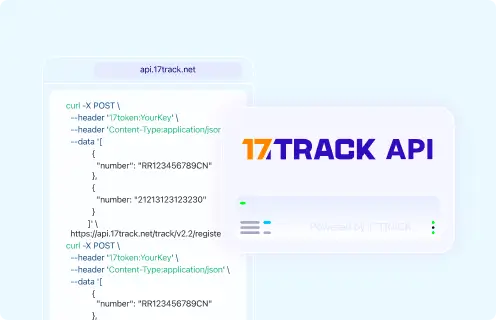
Use the official TYL website for its public logistics-number query. For multi-carrier integration, follow the current 17TRACK API documentation. The TYL carrier code is left as a placeholder below because it must be verified against current 17TRACK carrier data rather than inferred from the brand name or website domain.
# 1. TYL official tracking API
# Current public official tracking API not confirmed.
# Use the logistics-number query on:
# http://www.ty-logis.com/

# 2. 17TRACK multi-carrier API
curl --request POST \
  --url https://api.17track.net/track/v2.4/register \
  --header '17token: YourKey' \
  --header 'Content-Type: application/json' \
  --data '[
    {
      "number": "TRACKING_NUMBER",
      "carrier": "CARRIER_CODE"
    }
  ]'
Sources & References
17TRACK is an independent tracking platform and is not affiliated with TYL.