About SFship
The supplied SFship website identifies itself as a logistics ERP system. That description identifies software, not the company physically carrying any particular parcel. To identify the carrier for an order, use the shipping confirmation or ask the seller which company accepted the parcel.
| Overview field | Verified information |
|---|
| Displayed name | SFship |
| Official website supplied for this guide | https://www.sfship.cn/ |
| Website description | “物流ERP系统” — logistics ERP system. The description alone does not establish a parcel-carrier network. |
Carrier Entity Relationships
| Entity | Entity type |
|---|
| SFship | Website identity |
View all details for SFship| Relationship to SFship | The supplied SFship website describes a logistics ERP system. |
|---|
| Why it matters to tracking | A software-system name does not by itself identify who physically accepted or delivers a parcel. |
|---|
| Official evidence | SFship website |
|---|
|
| Shipping merchant | Order-information holder |
View all details for the shipping merchant| Relationship to SFship | A merchant may display SFship in an order workflow; that label does not establish the parcel’s physical custodian. |
|---|
| Why it matters to tracking | Ask the merchant for the actual carrier name, carrier-issued tracking number and any later last-mile number. |
|---|
| Official evidence | SFship website description; the merchant must identify its shipment arrangement. |
|---|
|
| 17TRACK | Independent tracking platform |
View all details for 17TRACK| Relationship to SFship | 17TRACK can be used to check available events for a supplied tracking number; it does not establish that SFship operates the shipment. |
|---|
| Why it matters to tracking | Confirm the detected carrier against the merchant’s shipping confirmation before treating a result as your parcel. |
|---|
| Official evidence | 17TRACK API documentation |
|---|
|
Quick Answer
To investigate an order labelled SFship, find the tracking number in the seller’s dispatch message and enter it on 17TRACK. If there is no result, first check that you entered a tracking number rather than an order ID, then ask the seller for the actual carrier and its official tracking link. 17TRACK is an independent tracking platform: it does not transport parcels, change addresses, issue refunds or approve claims.
How to Track SFship Packages
Use the number supplied for the shipment, then verify which carrier issued it. The supplied SFship website describes logistics ERP software; its homepage should not be treated as proof that SFship accepted the parcel.
- Open the merchant’s dispatch email, order details or shipping label and copy the shipment tracking number, not merely the order number.
- Enter the number on 17TRACK and examine the identified carrier and available scans.
- If the seller names a physical carrier, compare the result with that carrier’s official tracking page. Use any second last-mile number supplied by the seller when a handoff occurs.
- If the number fails or shows only label information, ask the seller whether the parcel has been physically handed to a carrier and request the carrier-issued identifier.
Tracking Statuses and Meanings
The following are general interpretations of events that may appear under the actual carrier’s tracking record, not a list of SFship-specific status wording. Read each event alongside its carrier name and location.
Status Quick Lookup
| Status | What it means |
|---|
| Label created | Shipment information exists; physical carrier acceptance is a separate event. |
View all details for label created| Lifecycle stage | Pre-shipment. |
|---|
| Current responsible party | Ask the sender who holds the parcel until a carrier acceptance scan appears. |
|---|
| What happens next | Physical handoff and, where recorded, a receiving scan. |
|---|
| What you should do | Ask the seller whether handoff has occurred if the record does not progress. |
|---|
|
| Accepted by carrier | The named carrier records receipt of the shipment. |
View all details for carrier acceptance| Lifecycle stage | Accepted. |
|---|
| Current responsible party | The carrier named on the acceptance event. |
|---|
| What happens next | Sorting or departure, depending on its route. |
|---|
| What you should do | Check the named carrier’s own record for route-specific information. |
|---|
|
| In transit | A carrier reports movement or processing; it does not establish a delivery date. |
View all details for in transit| Lifecycle stage | Sorting or line-haul. |
|---|
| Current responsible party | The carrier or transport partner identified in the latest event. |
|---|
| What happens next | A later facility, handoff or delivery-stage scan may appear. |
|---|
| What you should do | Compare the latest event with the seller’s service estimate. |
|---|
|
| Customs processing | An international shipment is undergoing a border-related step; arrival is not clearance. |
View all details for customs processing| Lifecycle stage | Customs or handoff. |
|---|
| Current responsible party | The customs authority and presenting carrier have different roles; check the specific event. |
|---|
| What happens next | Documentation, inspection, release or another decision. |
|---|
| What you should do | Check for a request for documents or charges through an authenticated carrier or customs channel. |
|---|
|
| Out for delivery | The delivering carrier reports a delivery-stage attempt or route. |
View all details for out for delivery| Lifecycle stage | Last mile. |
|---|
| Current responsible party | The carrier named in the delivery-stage record. |
|---|
| What happens next | Delivery, a failed attempt or a revised instruction. |
|---|
| What you should do | Check that the delivery address and access arrangements are correct. |
|---|
|
| Delivered | The delivering carrier recorded completion; check the stated location or recipient. |
View all details for delivered| Lifecycle stage | Delivery. |
|---|
| Current responsible party | The delivering carrier can investigate its delivery scan; the seller can assist with the order. |
|---|
| What happens next | A proof-of-delivery check or investigation if receipt is disputed. |
|---|
| What you should do | Check the delivery location and household or reception desk before reporting a missing parcel. |
|---|
|
| Available for pickup | The actual carrier directs the recipient to collect the shipment. |
View all details for available for pickup| Lifecycle stage | Pickup. |
|---|
| Current responsible party | The named pickup operator. |
|---|
| What happens next | Collection or handling under that operator’s rules. |
|---|
| What you should do | Check the authenticated notice for location, identification requirements and collection deadline. |
|---|
|
| Delivery exception | A reported issue has interrupted the expected delivery process. |
View all details for delivery exceptions| Lifecycle stage | Exception. |
|---|
| Current responsible party | Depends on whether the issue concerns the carrier, address, customs or recipient action. |
|---|
| What happens next | Correction, another attempt, pickup or return, according to the carrier’s notice. |
|---|
| What you should do | Read the full event and contact the named carrier or seller for the requested action. |
|---|
|
| Return to sender | The carrier reports movement back toward the sender. |
View all details for return to sender| Lifecycle stage | Return. |
|---|
| Current responsible party | The returning carrier handles transport; the seller handles the order resolution. |
|---|
| What happens next | Return processing and a seller decision on replacement or refund. |
|---|
| What you should do | Ask the seller to confirm the reason and available order remedies. |
|---|
|
Services and Delivery Times
Use the service name and delivery estimate on the seller’s actual shipping confirmation. The supplied SFship website identifies a logistics ERP system; it does not substantiate carrier-operated service names or country-by-country transit statistics.
Service Comparison
| Service | Best for |
|---|
| Service named on the shipping label | Identifying the shipment the sender actually purchased. |
View all details for the labelled service| Service type | Determine this from the named carrier and label, rather than the SFship website description. |
|---|
| Coverage | Check the purchased carrier service’s origin and destination rules. |
|---|
| Tracking level | Check the carrier’s service terms and available event history. |
|---|
| Key size/weight condition | Use the purchased carrier service’s acceptance rules. |
|---|
| Included protection/extra service | Check the shipping receipt or seller’s purchase record. |
|---|
| Main limitation | An order-system label alone cannot establish the service or its benefits. |
|---|
|
Delivery Time
| Service | Published delivery standard |
|---|
| Service on the carrier-issued label | Check that carrier’s current route-specific standard or the seller’s stated estimate. |
View all delivery-time details for the labelled service| Business or calendar days | Use the unit stated by the actual carrier or seller; do not interchange them. |
|---|
| Guarantee status | An estimate is not a money-back guarantee; check the purchased carrier’s terms. |
|---|
| Starts counting from | Check whether the published standard starts at carrier acceptance rather than label creation. |
|---|
| Main delay factors | Handoffs, customs where applicable, address issues, weather and operational interruptions. |
|---|
| Official source date/validity | Use the current terms for the carrier and service shown on the shipping receipt. |
|---|
|
Destination Country Delivery Times
| Destination Country / Region | Primary Service Type |
|---|
| Destination shown on the shipment | Use the service and physical carrier named by the seller. |
View all destination delivery-time guidance| Estimated Delivery Time Range | Obtain a route-specific range from the purchased carrier service or seller. |
|---|
| Average Delivery Days | Use a documented average for the same carrier, service, origin, destination and measurement period; an unsupported figure would be misleading. |
|---|
| Last-Mile Partner / Handoff Carrier | Use the carrier named in the handoff event or updated shipping notice. |
|---|
| Customs & Clearance Tips | For cross-border shipments, respond to document or payment requests only through authenticated carrier or customs channels. |
|---|
|
A country list with invented day ranges, averages or named delivery partners would not identify the service purchased for this parcel. Distinguish the carrier’s service standard from a tracking-based estimated arrival date and from any explicitly stated guarantee.
Common Tracking Problems and Solutions
First identify the physical carrier and its most recent scan. The seller can resolve order and label questions; the carrier identified in a physical scan can investigate its own handling.
Problem & Solution
| Problem/status shown | Immediate action |
|---|
| Invalid number or no result | Copy the full shipment number; ask the seller whether it is an order ID. |
View all details for an invalid number| Likely cause | Wrong identifier, transcription error or a number issued for another carrier. |
|---|
| Check first | Shipping confirmation and the carrier named on the label. |
|---|
| When to escalate | When the seller cannot provide a usable shipment identifier or explain the dispatch record. |
|---|
| Who to contact | The seller first. |
|---|
|
| Label created; no acceptance | Ask whether the sender has physically handed over the parcel. |
View all details for a label-only record| Likely cause | The label was prepared before physical acceptance, or a receiving scan has yet to appear. |
|---|
| Check first | The sender’s handoff evidence and the actual carrier’s tracking. |
|---|
| When to escalate | When the seller’s dispatch promise is missed or its handoff account conflicts with the record. |
|---|
| Who to contact | The seller or sender. |
|---|
|
| Long gap or stuck in transit | Check the latest location and the purchased service’s estimate. |
View all details for a transit gap| Likely cause | Movement between scanning points, handoff, customs or an operational delay. |
|---|
| Check first | The last physical scan, named carrier and route-specific service estimate. |
|---|
| When to escalate | Follow that carrier’s inquiry rules or ask the seller to investigate an overdue shipment. |
|---|
| Who to contact | The carrier holding the parcel, or the seller when the carrier requires a sender inquiry. |
|---|
|
| Partner handoff pending | Look for the receiving carrier’s first physical acceptance scan. |
View all details for partner handoff| Likely cause | Electronic shipment information can precede transfer of the parcel. |
|---|
| Check first | Which company generated each event and whether a receiving scan exists. |
|---|
| When to escalate | When the seller’s handoff explanation or promised delivery period is inconsistent with the record. |
|---|
| Who to contact | The sender or the partner still holding the parcel. |
|---|
|
| Delivery exception, address issue or failed attempt | Read the carrier’s full notice and follow its correction or collection instructions. |
View all details for a delivery exception| Likely cause | Address, access, attempted delivery or another carrier-reported issue. |
|---|
| Check first | Address on the order and instructions on the authenticated carrier notice. |
|---|
| When to escalate | Before a stated action or collection deadline; use that carrier’s applicable rules. |
|---|
| Who to contact | The delivering carrier for its available options; the seller for order-address errors. |
|---|
|
| Customs hold | Check whether an authenticated request for documents or payment awaits a response. |
View all details for a customs hold| Likely cause | Border review, missing information or an import-charge process. |
|---|
| Check first | The actual import carrier’s instructions and the shipment documents. |
|---|
| When to escalate | When the carrier or customs authority requests action, or the seller must correct declaration details. |
|---|
| Who to contact | The named import carrier or customs contact; the sender for declaration corrections. |
|---|
|
| Delivered but not received | Check the address, delivery location, household and reception desk; then request delivery evidence. |
View all details for a missing delivered parcel| Likely cause | The parcel may be at a stated safe place, with another recipient, or subject to a disputed delivery scan. |
|---|
| Check first | Delivery location, household members, reception, neighbours where appropriate and available proof of delivery. |
|---|
| When to escalate | After those checks, report the discrepancy through the delivering carrier’s process and notify the seller. |
|---|
| Who to contact | The carrier that recorded delivery and the seller. |
|---|
|
| Return to sender, loss or damage | Save the event history; for damage, retain the contents and packaging and take photos. |
View all details for return, loss or damage| Likely cause | Use the carrier’s stated return reason or investigation findings rather than guessing. |
|---|
| Check first | Purchased carrier service, shipping receipt, order details and the latest scan. |
|---|
| When to escalate | Promptly under the actual carrier’s service-specific inquiry or claim rules. |
|---|
| Who to contact | The seller for the purchase remedy and the eligible claimant for a carrier claim. |
|---|
|
International Shipping, Customs and Carrier Handoffs
For a cross-border order labelled SFship, identify the actual origin and destination carriers from the shipping confirmation and scans. The flow below is conditional guidance, not a claim that SFship operates any stage.
International Flow
| Stage | What is happening |
|---|
| Origin acceptance | The named origin carrier physically receives the shipment. |
View all details for origin acceptance| Physical custodian/responsible entity | The origin carrier after physical handoff; the sender beforehand. |
|---|
| Typical tracking event | Acceptance, where recorded. |
|---|
| Can the tracking number change? | A later carrier may assign another number. |
|---|
| Normal visibility gap | Shipment data can appear before physical acceptance. |
|---|
| What the customer should do | Ask the sender for handoff evidence when only label data appears. |
|---|
|
| Export processing and line-haul | The origin network processes the shipment for international transport. |
View all details for export and line-haul| Physical custodian/responsible entity | Check the named origin carrier or its transport contractor. |
|---|
| Typical tracking event | Departure or export processing, if the service exposes such scans. |
|---|
| Can the tracking number change? | It depends on the carrier’s partner arrangement. |
|---|
| Normal visibility gap | Individual transport legs may have no public scan. |
|---|
| What the customer should do | Use the purchased service estimate and latest physical event as context. |
|---|
|
| Import and customs | The shipment enters the destination country’s border process; arrival does not mean release. |
View all details for import and customs| Physical custodian/responsible entity | The presenting carrier and customs authority perform distinct functions. |
|---|
| Typical tracking event | Import processing, customs review or release, where available. |
|---|
| Can the tracking number change? | A destination operator may use a linked local identifier. |
|---|
| Normal visibility gap | Public tracking may not show each customs action. |
|---|
| What the customer should do | Check authenticated requests for documents or import charges; ask the sender about declaration errors. |
|---|
|
| Partner handoff | Electronic notice, physical transfer and the receiving carrier’s scan are separate events. |
View all details for international partner handoff| Physical custodian/responsible entity | Identify the transferring party until actual receipt by the destination carrier is recorded. |
|---|
| Typical tracking event | Partner notification followed, where recorded, by a receiving scan. |
|---|
| Can the tracking number change? | Yes, if the destination carrier assigns a local number. |
|---|
| Normal visibility gap | Partner systems may update at different times. |
|---|
| What the customer should do | Request any linked local number and check the receiving carrier’s tracking. |
|---|
|
| Destination delivery | The receiving carrier undertakes local delivery or collection handling. |
View all details for destination delivery| Physical custodian/responsible entity | The destination carrier after it accepts the shipment. |
|---|
| Typical tracking event | Local acceptance, out for delivery, pickup or delivery. |
|---|
| Can the tracking number change? | Use the local number if one is supplied; the original may remain searchable. |
|---|
| Normal visibility gap | Handoff events can appear later than physical movement. |
|---|
| What the customer should do | Follow the destination carrier’s authenticated delivery instructions. |
|---|
|
Delivery Management and Post-shipment Options
For redelivery, address corrections, pickup or proof of delivery, use the options offered by the actual delivering carrier. Ask the seller to identify that carrier and request a change on your behalf if carrier rules require the sender to act. Do not assume a control displayed in order-management software can redirect a parcel already in another company’s custody.
Lost, Damaged, Claims, Insurance and Refunds
A delivery investigation, a carrier compensation claim and a seller refund are different processes. Identify the purchased carrier service before applying its eligibility rules or filing deadlines.
Claims and Refunds
| Process | Use when |
|---|
| Carrier inquiry | Scans stop, conflict or show disputed delivery. |
View all details for a carrier inquiry| Who files | The eligible sender or recipient under the actual carrier’s rules. |
|---|
| Earliest/latest filing time | Follow the purchased service’s current inquiry rules. |
|---|
| Required evidence | Tracking number, shipping date, addresses and last event. |
|---|
| Possible outcome | Location update, investigation result or further instructions. |
|---|
| Official link | Use the carrier identified on the shipping label or acceptance scan. |
|---|
|
| Loss or damage claim | The eligible shipment is lost or arrives damaged. |
View all details for a loss or damage claim| Who files | Check the actual carrier’s terms and who purchased any protection. |
|---|
| Earliest/latest filing time | Use that carrier’s current service-specific claim window. |
|---|
| Required evidence | Shipping receipt, value proof and, for damage, photos, contents and retained packaging. |
|---|
| Possible outcome | Carrier investigation followed by its applicable claim decision. |
|---|
| Official link | Use the claims channel of the carrier named on the shipping receipt. |
|---|
|
| Seller order remedy | A purchased item does not arrive as agreed or arrives damaged. |
View all details for a seller order remedy| Who files | The buyer contacts the seller or marketplace. |
|---|
| Earliest/latest filing time | Follow the applicable order and payment terms. |
|---|
| Required evidence | Order ID, messages, tracking history and photos where relevant. |
|---|
| Possible outcome | Seller-led investigation, replacement or refund under the order terms. |
|---|
| Official link | Use the support channel shown in the original order. |
|---|
|
17TRACK cannot approve claims or refunds or change a carrier’s delivery outcome.
Shipping Restrictions and Special Handling
Check the rules of the physical carrier, route and destination before sending batteries, liquids, dangerous goods or regulated merchandise. The SFship website’s ERP description is not a substitute for that carrier’s acceptance terms or customs rules; a border or safety review can affect tracking and delivery.
Customer Service
Start with the seller for an order labelled SFship: ask for the carrier-issued number, service and proof of handoff. For a parcel with an acceptance scan, contact the carrier named on that event about transport or delivery.
Customer Service
| Channel | Best for |
|---|
| Seller’s order-support channel | Identifying the carrier, correcting order information and seeking an order remedy. |
View all details for seller support| Verified contact/link | Use the contact method in the original order confirmation. |
|---|
| Region/language | Follow the seller’s published support options. |
|---|
| Hours and time zone | Check the seller’s current contact page. |
|---|
| Information to prepare | Order ID, shipment number, dispatch message and latest scan. |
|---|
| Important limitation | The seller may need to ask the physical carrier to investigate. |
|---|
|
| Actual carrier’s official support | A physical scan, failed delivery, pickup instruction or delivery investigation. |
View all details for actual carrier support| Verified contact/link | Open the official website of the carrier named on the label or acceptance scan. |
|---|
| Region/language | Choose the destination or origin region relevant to the scan. |
|---|
| Hours and time zone | Check that carrier’s regional support page. |
|---|
| Information to prepare | Carrier tracking number, addresses, shipping date, service and most recent event; retain value evidence and damage photos if needed. |
|---|
| Important limitation | Some requests must come from the sender or account holder. |
|---|
|
| SFship website | Reviewing the supplied site’s logistics ERP identity. |
View all details for the SFship website| Verified contact/link | https://www.sfship.cn/ |
|---|
| Region/language | The supplied homepage presents a Chinese-language description. |
|---|
| Hours and time zone | Use any contact information published on the site itself. |
|---|
| Information to prepare | Describe the software or order reference involved, without assuming the site’s operator carries the parcel. |
|---|
| Important limitation | The homepage description does not establish responsibility for a carrier’s delivery or claim. |
|---|
|
Ecommerce and Business Tracking
Businesses should preserve the actual carrier name and carrier-issued number alongside any SFship-related order reference. This prevents an ERP identifier from being mistaken for a physical handoff or a carrier claim reference.
Developer/API Comparison
| Option | Provider |
|---|
| Carrier-specific tracking integration | The actual shipping carrier |
View all details for carrier-specific integration| Carrier coverage | That provider’s own services and documented partners. |
|---|
| Primary use | Carrier-specific shipment operations where the business has access. |
|---|
| Authentication | Follow the carrier’s current developer documentation. |
|---|
| Tracking/batch/webhook capability | Use only features documented for the selected carrier account. |
|---|
| Current developer documentation | Obtain it from the carrier identified on the shipment. |
|---|
| Migration/deprecation note | Review that carrier’s current notices before implementing an endpoint. |
|---|
|
| Multi-carrier tracking integration | 17TRACK |
View all details for 17TRACK integration| Carrier coverage | Use the supported-carrier information in the 17TRACK documentation. |
|---|
| Primary use | Registering and retrieving available tracking information across supported carriers. |
|---|
| Authentication | Use the account token as specified in the documentation. |
|---|
| Tracking/batch/webhook capability | Implement only the capabilities documented for the account and API version. |
|---|
| Current developer documentation | 17TRACK API documentation |
|---|
| Migration/deprecation note | Check the documentation before upgrading an integration. |
|---|
|
FAQ
1. How do I track an order labelled SFship?Enter the seller-provided shipment number on 17TRACK, then compare the identified carrier with the shipping confirmation. Ask the seller for the physical carrier if the result does not match.
2. Where can I find my SFship-related tracking number?Look in the dispatch email, marketplace order details or shipping label. If only an order ID appears, request the carrier-issued number from the seller.
3. What does a SFship tracking number look like?A number shown beside SFship in an order workflow should be checked against its issuing carrier’s format. A prefix alone cannot establish that SFship issued or transports the parcel.
4. When will the first scan appear for an order labelled SFship?The first physical scan depends on when the sender hands the parcel to the actual carrier and when that carrier records receipt. Ask the sender for handoff evidence if tracking shows only label data.
5. Why is tracking for my SFship-related order not updating?The latest available carrier event may precede an unscanned transport leg or partner handoff. Identify the carrier responsible for that stage and compare the gap with the purchased service estimate.
6. How long will my SFship-related order take to arrive?Use the delivery estimate for the service actually purchased by the seller. The supplied SFship site describes logistics ERP software rather than publishing a substantiated carrier delivery standard for your parcel.
7. What should I do if delivery of my SFship-related order fails?Read the delivering carrier’s authenticated notice for redelivery, address or pickup instructions. Ask the seller for the local carrier name if the order page does not identify it.
8. What if my SFship-related order says delivered but I cannot find it?Check the recorded delivery place, household members, reception and available delivery evidence first. Then report the discrepancy to the carrier that recorded delivery and notify the seller.
9. How do I report a lost or damaged SFship-related parcel?Contact the seller about the order and identify the actual carrier for a transport inquiry or eligible claim. For damage, photograph the item and retain the packaging and contents.
10. How do I contact someone about a SFship-related shipment?Contact the seller for carrier identity, handoff evidence and purchase remedies; use the named carrier’s official support for its scans or delivery attempts. Prepare the order ID, tracking number and latest event.
11. Does the SFship website prove SFship physically carries my package?No: the supplied website identifies a logistics ERP system. Determine physical custody from the shipping label, carrier acceptance scan and seller’s handoff evidence instead.
12. Can a SFship-related order have two tracking numbers?A shipment may have separate origin and last-mile identifiers if its carriers assign them. Ask the seller for any linked number and check which carrier issued each one.
13. Does a partner notification mean the last-mile carrier has my SFship-related parcel?No: electronic notification and physical acceptance are separate steps. Look for the receiving carrier’s first acceptance scan before attributing custody to it.
14. Does arrival in the destination country mean customs released my SFship-related parcel?No: arrival and customs release are distinct events. Check the import carrier’s record for a release event or a request for documents or payment.
15. Who can change the address of a SFship-related shipment?Eligibility depends on the actual carrier’s rules, shipment stage and the requester’s role. Ask the carrier about available changes and contact the sender if only the account holder can request one.
16. Can a business use an API to track SFship-related shipments?A business can evaluate the actual carrier’s documented integration or the 17TRACK API for supported carrier numbers. Keep the carrier-issued identifier separate from the merchant order reference and check the current developer documentation before implementation.
Tracking API
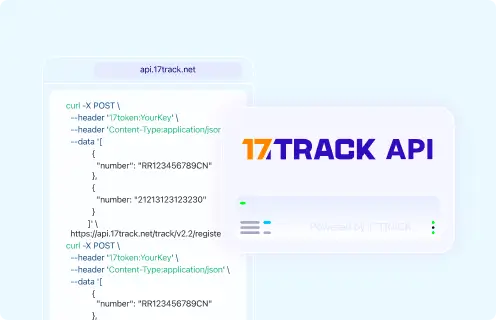
The SFship homepage describes a logistics ERP system. Use 17TRACK’s developer documentation for a multi-carrier integration; obtain the applicable carrier code from its current documentation rather than deriving one from the SFship name.
API request example
# 1. SFship official tracking API
# Current public official tracking API not confirmed.
# Do not substitute an ERP order ID for a carrier-issued number.

# 2. 17TRACK API — consult current documentation and account access.
# Replace CARRIER_CODE with a code verified for the actual carrier.
curl -X POST "https://api.17track.net/track/v2.4/register" \
  -H "17token: YourKey" \
  -H "Content-Type: application/json" \
  -d '[{"number":"TRACKING_NUMBER","carrier":"CARRIER_CODE"}]'
Sources & References
17TRACK is an independent tracking platform and is not affiliated with SFship.