QuickSilver Tracking
Please enter the QuickSilver tracking number to check the latest shipping status.
About Quicksilver
Quicksilver is the carrier name supplied for this tracking guide. Use the carrier’s own website or the shipping confirmation from the sender to identify the service, shipment number, and available support route.
| Field | Verified reference |
|---|---|
| Display name | Quicksilver |
| Official website | https://www.quick-silver.express/ |
Service names, coverage, number patterns, delivery promises, contact details, and partner relationships should be taken from the shipment’s commercial documents and the current carrier page rather than inferred from a prefix or a marketplace order number.
Quick Answer
Enter the shipment tracking number, not the marketplace order number, on the official Quicksilver website or in 17TRACK. If no event appears, first check every character, remove spaces or hyphens, confirm that the sender has handed over the parcel, and verify that the number belongs to Quicksilver.
How to Track Quicksilver Packages
| Path | Steps |
|---|---|
| Official route | Open the Quicksilver website, locate its tracking entry, enter the shipment number, and save the displayed event history. |
| 17TRACK route | Open 17TRACK, paste the shipment number, allow carrier recognition, and compare the latest event with the seller’s order record. |
| No number | Ask the sender or marketplace for the carrier tracking number. An order ID, invoice number, or reference number may not query transport events. |
A label-created event can mean that electronic shipment data exists before a physical acceptance scan. The sender is the best party to confirm dispatch; the recipient should preserve the order record and delivery address.
Tracking Number Formats and Examples
A carrier-issued number, an origin-post number, a partner number, a last-mile number, and a merchant order ID are different identifiers. No Quicksilver-specific pattern is assigned here without a published format. Use the complete number exactly as supplied by the sender.
| Identifier family | Normalized pattern |
|---|---|
| Carrier shipment number | Use the exact alphanumeric string supplied by Quicksilver or the sender. |
| Origin or partner number | A number issued before a handoff may remain visible after another carrier receives the parcel. |
| Merchant order or reference ID | This identifies a purchase or internal transaction and may not produce transport scans. |
| Visible barcode identifier | A barcode or label reference is not automatically a public parcel tracking number. |
Tracking Statuses and Meanings
| Status stage | Meaning and next action |
|---|---|
| Pre-shipment | Electronic information may exist before physical acceptance. The sender should confirm handover. |
| Accepted or in transit | A transport scan has been recorded. Continue monitoring the next movement or facility event. |
| Handoff or customs | Another facility, partner, or authority may be handling the shipment. Arrival at customs does not by itself mean release. |
| Out for delivery | The parcel is assigned to a delivery route. Check the address and remain available where appropriate. |
| Delivered, pickup, exception, or return | Check the delivery location, notice, pickup instructions, or return reason. Contact the sender when a correction or claim is required. |
Services and Delivery Times
Use the service name shown on the shipping receipt, commercial invoice, or seller confirmation. Delivery estimates depend on origin, destination, handoffs, address quality, operating days, weather, customs, and service disruptions.
Service Comparison
| Service information | How to use it |
|---|---|
| Service name | Read the exact product name from the shipment record; do not infer it from a number prefix. |
| Delivery standard | Treat a displayed estimate as a planning window unless the applicable shipping terms expressly provide a guarantee. |
Delivery Time
| Time question | Practical interpretation |
|---|---|
| When does counting begin? | Confirm whether the seller’s estimate begins at label creation, physical acceptance, or departure. |
| Country-specific delivery time | Use the quotation or service terms for the shipment’s origin, destination, product, and handoff route. |
Destination Country Delivery Times
| Destination | Planning guidance |
|---|---|
| Any destination | A destination-specific Quicksilver delivery range should be taken from the applicable shipment quote or service terms, together with customs and last-mile conditions. |
Common Tracking Problems and Solutions
| Problem | Immediate action |
|---|---|
| Invalid number | Compare the characters with the receipt, remove accidental spaces, and ask the sender to confirm the carrier and identifier. |
| No event or no update | Check whether the item was physically handed over. Ask the sender for dispatch evidence before escalating. |
| Customs or handoff delay | Review any request for documents, taxes, or address information and contact the party named in the latest event. |
| Delivered but not received | Check the entrance, safe place, household members, reception desk, neighbors, delivery notice, and proof of delivery; then contact the sender. |
| Damaged, lost, or returned | Photograph the parcel and packaging, retain evidence, and ask the sender which inquiry or claim process applies. |
International Shipping, Customs and Carrier Handoffs
| Stage | Customer interpretation |
|---|---|
| Origin acceptance | The origin party records the parcel and prepares it for transport. |
| Export and line-haul | The parcel moves through export processing and transportation; scans may be separated by a visibility gap. |
| Import customs | Authorities may review declarations, taxes, duties, permits, or prohibited contents. Arrival is not the same as release. |
| Destination handoff and last mile | A destination carrier may perform final delivery. The original number may continue, or a second local identifier may appear. |
Customer Service
| Channel | Best use |
|---|---|
| Official website | Visit Quicksilver for the current tracking and contact routes displayed by the carrier. |
| Sender or merchant | Use this route for order corrections, dispatch confirmation, refunds, and claims where the shipping contract is held by the sender. |
Prepare the tracking number, order reference, ship date, origin and destination, latest event, delivery address, contents description, value evidence, and photographs before requesting help.
FAQ
Enter the shipment tracking number on the official Quicksilver website or in 17TRACK, then compare the latest event with the sender’s record.
Look in the dispatch email, shipping receipt, marketplace shipment page, or label information supplied by the sender.
The applicable format depends on the service and issuing party, so use the complete identifier provided with the shipment rather than guessing from a prefix.
Check for typing errors, confirm that it is a tracking number rather than an order ID, and ask the sender whether the parcel has been handed over.
A scan gap can occur between label creation, physical acceptance, facility movement, customs processing, or a partner handoff; the sender can confirm dispatch status.
Use the estimate attached to the specific service and route; customs, handoffs, operating days, address quality, and disruptions can change the delivery window.
Read the latest event or notice for a retry, pickup, address correction, or return instruction and contact the sender when an action is required.
Check the entrance, safe place, household members, reception desk, neighbors, and proof of delivery before asking the sender to open the appropriate inquiry.
Photograph the outer packaging and contents, keep all materials, and ask the sender which claim process applies to the shipment.
Use the contact route displayed on the official Quicksilver website and include the tracking number and latest event.
No. An order number identifies a purchase, while a tracking number identifies a transport record when the carrier system accepts it.
No. 17TRACK displays available tracking events and does not control transport, delivery instructions, refunds, or claims.
Yes, a shipment can retain an origin or partner identifier after a handoff, so visibility in Quicksilver does not alone establish who issued the number.
No. Customs arrival records entry into review; release may require assessment, documents, payment, or additional processing.
The sender or contracting customer commonly controls the claim or refund route, while the recipient should provide delivery facts and evidence.
A handoff can introduce another local identifier; compare the seller record, carrier events, and destination delivery notice before treating the numbers as unrelated.
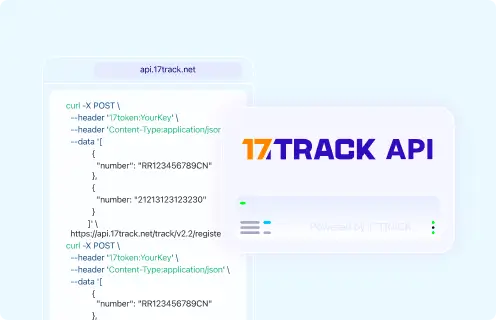
Businesses should use a currently documented carrier API only when the carrier publishes one, or use a multi-carrier provider such as 17TRACK with the required account credentials.
Tracking API
// Quicksilver carrier-specific public API endpoint and credentials require
// current official documentation before implementation.
//
// 17TRACK API: POST https://api.17track.net/track/v2.4/register
// Header: 17token: YourKey
// Header: Content-Type: application/json
//
// The current Quicksilver carrier code should be obtained from 17TRACK’s
// current carrier directory; do not infer it from the brand name.
[
  {
    "number": "TRACKING_NUMBER",
    "carrier": "CARRIER_CODE"
  }
]
Sources & References
- Quicksilver — Official website. Quicksilver
- 17TRACK API Documentation. 17TRACK
17TRACK is an independent tracking platform and is not affiliated with Quicksilver.
Track your package
Global express parcel tracking service