About Peninsula Truck Lines
Peninsula Truck Lines is a regional less-than-truckload freight carrier serving the Pacific Northwest. Its role is to move palletized and commercial freight through a terminal network, provide shipment-status information, and complete or coordinate pickup and delivery within its service network. Freight tracking commonly uses a PRO number rather than a consumer parcel number.
Carrier Overview
Carrier Entity Relationships
| Entity | Relationship |
|---|
| Peninsula Truck Lines | Peninsula Truck Lines is the canonical carrier responsible for freight it has physically accepted into its network. |
View all details for the canonical carrier| Entity type | Regional LTL freight carrier |
|---|
| Why it matters to tracking | A created shipment record does not prove that Peninsula Truck Lines has physically received the freight; an acceptance, pickup, or terminal scan provides stronger custody evidence. |
|---|
| Official evidence | The official website identifies the business and provides access to shipment tools. |
|---|
|
| Regional LTL service | Regional LTL transportation consolidates freight from multiple shippers while keeping each shipment associated with its own PRO record. |
View all details for regional LTL service| Entity type | Operated freight service |
|---|
| Why it matters to tracking | LTL events reflect pickup, terminal handling, line-haul movement, destination-terminal processing, appointment activity, and delivery. |
|---|
| Official evidence | Peninsula Truck Lines presents itself as a regional LTL carrier. |
|---|
|
| PRO number | A PRO number is the principal carrier shipment identifier used to trace an LTL freight movement. |
View all details for PRO-number tracking| Entity type | Freight tracking identifier |
|---|
| Why it matters to tracking | The PRO number normally gives a more direct carrier lookup than a retailer order number or an internal warehouse reference. |
|---|
| Official evidence | Use the identifier printed on the Peninsula Truck Lines shipping record or supplied by the shipper. |
|---|
|
| Origin and destination terminals | Terminals handle local pickup, freight consolidation, line-haul transfer, destination processing, and final delivery dispatch. |
View all details for terminal operations| Entity type | Network facilities |
|---|
| Why it matters to tracking | A terminal status identifies a processing location, not necessarily a delivery attempt or customs milestone. |
|---|
| Official evidence | Terminal handling is part of the regional LTL operating model. |
|---|
|
| Connecting carrier | A connecting carrier may handle freight outside Peninsula Truck Lines’ direct operating network when an interline arrangement applies. |
View all details for connecting-carrier handoffs| Entity type | Potential interline or final-delivery carrier |
|---|
| Why it matters to tracking | Electronic tendering and physical freight transfer are separate events. Responsibility changes only after the receiving carrier accepts the freight. |
|---|
| Official evidence | The bill of lading, rate confirmation, or shipment record should identify whether another carrier participates. |
|---|
|
| 17TRACK | 17TRACK is an independent platform that displays available tracking events and does not transport Peninsula Truck Lines freight. |
View all details for the 17TRACK relationship| Entity type | Independent tracking platform |
|---|
| Why it matters to tracking | 17TRACK can organize available events but cannot change an address, schedule a dock appointment, release freight, approve a claim, or issue a refund. |
|---|
| Official evidence | 17TRACK API documentation |
|---|
|
Quick Answer
To track Peninsula Truck Lines freight, enter the PRO number from the bill of lading, freight label, pickup confirmation, invoice, or shipper’s dispatch message in the shipment-tracing tool on the official website. You can also submit the identifier to 17TRACK when carrier support is available. If no result appears, remove spaces or punctuation, confirm that the number is a PRO number rather than an order number, and ask the shipper whether pickup has physically occurred.
Pro Tip: A booking, label, or dispatch record can exist before Peninsula Truck Lines has the freight. Look for a pickup, acceptance, or origin-terminal event before treating the shipment as physically in carrier custody.
17TRACK is an independent tracking platform. It cannot perform transportation, correct freight documents, reschedule a delivery, waive storage or accessorial charges, approve a cargo claim, or refund a purchase.
How to Track Peninsula Truck Lines Packages
Peninsula Truck Lines primarily handles freight shipments, so users usually track a pallet or LTL consignment by PRO number rather than a small-parcel tracking number.
- Find the PRO number on the bill of lading, freight label, pickup paperwork, carrier invoice, delivery receipt, or shipper’s dispatch notice.
- Open the official Peninsula Truck Lines website and select its shipment-tracing function.
- Enter the identifier exactly as printed. If the lookup fails, retry without spaces, hyphens, or the written “PRO” label.
- Read the latest event together with its terminal, event time, and appointment or exception note.
- For a consolidated view, enter the same identifier in 17TRACK and select Peninsula Truck Lines if carrier selection is requested.
Where to Find the Right Identifier
| Identifier | How to use it |
|---|
| PRO number | Use first for direct carrier tracing; it is the shipment identifier most closely associated with LTL movement. |
| Bill of lading number | Use only when the tracing tool supports shipper references or ask the shipper to map it to the PRO number. |
| Purchase-order or customer-reference number | This may identify the commercial transaction but may require an account-specific lookup. |
| Retailer order number | Use it with the seller, warehouse, or marketplace; it is not automatically a carrier-issued tracking number. |
| Delivery receipt number | Use it to locate completed-delivery paperwork or proof of delivery when linked to the shipment record. |
If the shipper has not provided a PRO number, the consignee should request it from the seller or shipping department. The shipper has the commercial documents needed to connect an order, purchase order, or bill of lading to the carrier record.
Tracking Statuses and Meanings
LTL tracking describes freight custody, terminal movement, appointment activity, and delivery exceptions. Wording can differ by account or system, so the location, timestamp, and shipment notes are as important as the status label.
Status Quick Lookup
| Status | What it means |
|---|
| Shipment information received | A shipment record or electronic tender exists, but physical pickup may still be pending. |
View all details for shipment information received| Lifecycle stage | Pre-shipment |
|---|
| Current responsible party | The shipper remains responsible for making freight available until physical pickup. |
|---|
| What happens next | A driver collects the freight and an acceptance or origin-terminal event is recorded. |
|---|
| What you should do | Ask the shipper to confirm the pickup date and PRO number if the status persists. |
|---|
|
| Picked up / accepted | Peninsula Truck Lines has taken physical custody of the freight. |
View all details for picked up or accepted| Lifecycle stage | Accepted |
|---|
| Current responsible party | Peninsula Truck Lines at pickup or the origin terminal. |
|---|
| What happens next | Freight is checked, consolidated, and prepared for line-haul movement. |
|---|
| What you should do | Verify piece count and note any pickup discrepancy promptly. |
|---|
|
| At origin terminal / in transit | The freight is being processed or moved between terminals. |
View all details for terminal or in-transit movement| Lifecycle stage | In transit |
|---|
| Current responsible party | Peninsula Truck Lines or an identified connecting carrier. |
|---|
| What happens next | The line-haul trailer reaches another terminal or the destination service center. |
|---|
| What you should do | Monitor the estimated schedule and investigate only when the shipment passes the applicable route plan without a new event. |
|---|
|
| Arrived at destination terminal | The freight has reached the terminal that normally coordinates final delivery. |
View all details for arrival at destination terminal| Lifecycle stage | Destination processing |
|---|
| Current responsible party | Destination terminal or connecting delivery carrier. |
|---|
| What happens next | Freight is unloaded, checked, scheduled, or assigned to a delivery route. |
|---|
| What you should do | Ensure the consignee’s contact, dock hours, and appointment requirements are correct. |
|---|
|
| Appointment required / consignee contacted | Delivery needs coordination before the freight can be dispatched or completed. |
View all details for appointment activity| Lifecycle stage | Delivery planning |
|---|
| Current responsible party | The destination terminal coordinates with the consignee; the consignee must provide access and availability. |
|---|
| What happens next | A delivery window is arranged and freight is assigned to a route. |
|---|
| What you should do | Respond to calls or messages and disclose limited access, liftgate, inside-delivery, or receiving-hour requirements. |
|---|
|
| Out for delivery | The freight has been dispatched on a local delivery route. |
View all details for out for delivery| Lifecycle stage | Final delivery |
|---|
| Current responsible party | Peninsula Truck Lines delivery terminal and driver, or the identified final carrier. |
|---|
| What happens next | The driver attempts delivery and obtains a signed delivery receipt where required. |
|---|
| What you should do | Keep the receiving area accessible and inspect the freight before signing. |
|---|
|
| Delivered | Delivery was recorded, usually with a date, time, consignee, or signature reference. |
View all details for delivered| Lifecycle stage | Delivered |
|---|
| Current responsible party | The consignee controls the freight after accepted delivery, subject to documented shortage or damage. |
|---|
| What happens next | The delivery receipt or proof of delivery is associated with the shipment record. |
|---|
| What you should do | Check the receiving dock, named signer, piece count, condition, and proof of delivery. |
|---|
|
| Delivery exception | A condition such as closure, access problem, appointment issue, address discrepancy, weather, or freight exception prevented normal progress. |
View all details for a delivery exception| Lifecycle stage | Exception |
|---|
| Current responsible party | The named party in the exception must resolve the cause; the terminal controls redispatch. |
|---|
| What happens next | The carrier requests instructions, reschedules, corrects documents, or holds freight. |
|---|
| What you should do | Contact the shipper or terminal with the PRO number and precise corrective information. |
|---|
|
| Returned / disposition requested | The shipment cannot proceed as originally tendered and requires return or other written disposition. |
View all details for return or disposition| Lifecycle stage | Return |
|---|
| Current responsible party | The carrier holds or returns freight under instructions from the authorized shipper or payer. |
|---|
| What happens next | New delivery, storage, reconsignment, or return charges may apply according to the shipment terms. |
|---|
| What you should do | The authorized shipping party should provide written disposition promptly. |
|---|
|
Services and Delivery Times
Peninsula Truck Lines focuses on regional LTL freight. Transit planning depends on the exact origin terminal, destination terminal, pickup time, service conditions, appointment requirements, freight characteristics, and any connecting-carrier segment.
Service Comparison
| Service | Best for |
|---|
| Regional less-than-truckload freight | Palletized or commercial freight that does not require a full trailer. |
View all details for regional LTL freight| Service type | Regional freight transportation |
|---|
| Coverage | Pacific Northwest routes within the carrier’s operating network and eligible connecting arrangements. |
|---|
| Tracking level | PRO-based pickup, terminal, movement, exception, appointment, and delivery events where recorded. |
|---|
| Key size/weight condition | Shipment acceptance depends on freight class, dimensions, weight, packaging, equipment, and tariff conditions. |
|---|
| Included protection/extra service | Liability and accessorial services are governed by the bill of lading, tariff, rate agreement, and commodity rules. |
|---|
| Main limitation | LTL delivery is not the same as unattended parcel delivery; dock access, appointments, and special equipment may be required. |
|---|
|
| Connecting-carrier movement | Freight whose origin or destination requires another carrier outside the direct terminal network. |
View all details for connecting-carrier movement| Service type | Interline or partner-assisted freight movement |
|---|
| Coverage | Shipment-specific and identified in the quote, routing, or bill of lading. |
|---|
| Tracking level | Event visibility may change during the handoff, and a partner identifier may be needed. |
|---|
| Key size/weight condition | Both carriers’ handling, commodity, and equipment conditions can apply. |
|---|
| Included protection/extra service | Liability and service terms follow the governing transportation documents. |
|---|
| Main limitation | Electronic tendering does not prove that the connecting carrier has physically received the freight. |
|---|
|
Delivery Time
| Service | Published delivery standard |
|---|
| Regional LTL | Use the lane-specific transit schedule or shipment estimate provided for the booked origin and destination. |
View all delivery-time details for regional LTL| Business or calendar days | LTL schedules are generally expressed in operating or business days for the quoted lane. |
|---|
| Guarantee status | Treat a transit estimate as non-guaranteed unless the shipment contract expressly identifies a guaranteed service. |
|---|
| Starts counting from | Physical pickup and acceptance, subject to pickup cutoff and route scheduling. |
|---|
| Main delay factors | Late tender, missed cutoff, terminal congestion, weather, road conditions, address quality, appointment availability, special equipment, freight inspection, and connecting-carrier handoff. |
|---|
| Official source date/validity | Confirm the current lane schedule during rating or booking because route plans and service conditions can change. |
|---|
|
| Appointment or limited-access delivery | The line-haul transit plan is followed by consignee coordination and an available delivery appointment. |
View all delivery-time details for appointment freight| Business or calendar days | Operating days plus the time needed to reach the consignee and secure an appointment. |
|---|
| Guarantee status | An estimated terminal arrival does not guarantee a completed delivery appointment. |
|---|
| Starts counting from | Carrier acceptance, while the final delivery stage depends on consignee availability. |
|---|
| Main delay factors | Incorrect phone number, restricted receiving hours, site access, liftgate requirements, and unavailable receiving personnel. |
|---|
| Official source date/validity | Use the current shipment record and appointment confirmation. |
|---|
|
| Connecting-carrier movement | The quoted route includes transfer and the participating carrier’s operating schedule. |
View all delivery-time details for connecting-carrier freight| Business or calendar days | Based on the contracted route and both carriers’ operating days. |
|---|
| Guarantee status | Only the written rate or service confirmation determines whether a commitment applies. |
|---|
| Starts counting from | Physical acceptance by the origin carrier, subject to the routing agreement. |
|---|
| Main delay factors | Transfer scheduling, missing documents, identifier mapping, capacity, weather, and destination appointment requirements. |
|---|
| Official source date/validity | Verify against the current quote and bill of lading. |
|---|
|
Destination Country Delivery Times
Peninsula Truck Lines is a regional U.S. freight carrier rather than a global postal operator. The relevant destination analysis is therefore by Pacific Northwest freight market. Exact transit days should come from the shipment-specific lane schedule instead of an unsupported country-level average.
| Destination Country / Region | Primary Service Type |
|---|
| Seattle metropolitan area, Washington | Regional LTL |
View delivery planning details for Seattle| Estimated Delivery Time Range | Use the booked origin-to-Seattle lane schedule and pickup cutoff. |
|---|
| Average Delivery Days | Use the shipment ETA calculated for the specific origin, service date, and terminal route. |
|---|
| Last-Mile Partner / Handoff Carrier | Peninsula Truck Lines within direct service; the bill of lading identifies any connecting carrier. |
|---|
| Customs & Clearance Tips | No import customs applies to domestic freight; account for urban receiving windows, congestion, and appointment requirements. |
|---|
|
| Tacoma and South Puget Sound, Washington | Regional LTL |
View delivery planning details for Tacoma| Estimated Delivery Time Range | Use the lane schedule quoted for the pickup terminal and Tacoma-area destination. |
|---|
| Average Delivery Days | Use the current shipment ETA rather than a network-wide average. |
|---|
| Last-Mile Partner / Handoff Carrier | Peninsula Truck Lines where directly served. |
|---|
| Customs & Clearance Tips | Domestic freight has no customs stage; port, industrial-site, and appointment restrictions can affect completion. |
|---|
|
| Olympia, Washington | Regional LTL |
View delivery planning details for Olympia| Estimated Delivery Time Range | Follow the route-specific transit schedule supplied at booking. |
|---|
| Average Delivery Days | The shipment record provides the relevant estimate. |
|---|
| Last-Mile Partner / Handoff Carrier | Peninsula Truck Lines within direct service or the carrier named in the routing record. |
|---|
| Customs & Clearance Tips | No domestic customs clearance; verify government, campus, or restricted receiving hours. |
|---|
|
| Bellingham and northwest Washington | Regional LTL |
View delivery planning details for Bellingham| Estimated Delivery Time Range | Use the confirmed lane schedule and destination service date. |
|---|
| Average Delivery Days | Use the PRO-level ETA. |
|---|
| Last-Mile Partner / Handoff Carrier | Peninsula Truck Lines where directly served. |
|---|
| Customs & Clearance Tips | Domestic delivery has no customs event; cross-border freight requires separate customs and line-haul arrangements. |
|---|
|
| Everett and Snohomish County, Washington | Regional LTL |
View delivery planning details for Everett| Estimated Delivery Time Range | Use the current origin-to-destination transit plan. |
|---|
| Average Delivery Days | Use the shipment-specific ETA. |
|---|
| Last-Mile Partner / Handoff Carrier | Peninsula Truck Lines where directly served. |
|---|
| Customs & Clearance Tips | No domestic customs; aerospace, industrial, and secured facilities may require appointments or special access. |
|---|
|
| Yakima and central Washington | Regional LTL |
View delivery planning details for Yakima| Estimated Delivery Time Range | Apply the booked lane’s operating-day schedule. |
|---|
| Average Delivery Days | Use the PRO-level ETA generated for the route. |
|---|
| Last-Mile Partner / Handoff Carrier | Peninsula Truck Lines where directly served. |
|---|
| Customs & Clearance Tips | No domestic customs; agricultural freight may require commodity, temperature, sanitation, or appointment planning. |
|---|
|
| Wenatchee and north-central Washington | Regional LTL |
View delivery planning details for Wenatchee| Estimated Delivery Time Range | Follow the current terminal-to-terminal route plan. |
|---|
| Average Delivery Days | Use the shipment estimate rather than a generalized market average. |
|---|
| Last-Mile Partner / Handoff Carrier | Peninsula Truck Lines or the carrier shown on the routing record. |
|---|
| Customs & Clearance Tips | No domestic customs; mountain weather, seasonal road conditions, and rural appointments can affect timing. |
|---|
|
| Spokane and eastern Washington | Regional LTL |
View delivery planning details for Spokane| Estimated Delivery Time Range | Use the quoted lane schedule from the actual origin terminal. |
|---|
| Average Delivery Days | Use the current ETA attached to the shipment. |
|---|
| Last-Mile Partner / Handoff Carrier | Peninsula Truck Lines where directly served. |
|---|
| Customs & Clearance Tips | No domestic customs; winter weather and long-haul terminal connections can change the operating plan. |
|---|
|
| Vancouver, Washington | Regional LTL |
View delivery planning details for Vancouver, Washington| Estimated Delivery Time Range | Use the confirmed lane schedule and receiving appointment. |
|---|
| Average Delivery Days | Use the shipment-specific ETA. |
|---|
| Last-Mile Partner / Handoff Carrier | Peninsula Truck Lines within direct service. |
|---|
| Customs & Clearance Tips | No customs for domestic freight; distinguish Vancouver, Washington from Vancouver, British Columbia on all documents. |
|---|
|
| Portland metropolitan area, Oregon | Regional LTL |
View delivery planning details for Portland| Estimated Delivery Time Range | Use the booked origin-to-Portland lane schedule. |
|---|
| Average Delivery Days | Use the PRO-level ETA. |
|---|
| Last-Mile Partner / Handoff Carrier | Peninsula Truck Lines where directly served. |
|---|
| Customs & Clearance Tips | No domestic customs; congestion, port access, and restricted receiving windows can affect final delivery. |
|---|
|
| Salem, Oregon | Regional LTL |
View delivery planning details for Salem| Estimated Delivery Time Range | Follow the current lane and service-day schedule. |
|---|
| Average Delivery Days | Use the shipment record’s estimate. |
|---|
| Last-Mile Partner / Handoff Carrier | Peninsula Truck Lines where directly served. |
|---|
| Customs & Clearance Tips | No domestic customs; government sites and appointment deliveries may require additional coordination. |
|---|
|
| Eugene and Springfield, Oregon | Regional LTL |
View delivery planning details for Eugene and Springfield| Estimated Delivery Time Range | Use the origin-specific transit schedule. |
|---|
| Average Delivery Days | Use the current shipment ETA. |
|---|
| Last-Mile Partner / Handoff Carrier | Peninsula Truck Lines or the carrier identified in the route. |
|---|
| Customs & Clearance Tips | No domestic customs; campus, construction-site, and limited-access delivery rules can affect completion. |
|---|
|
| Medford and southern Oregon | Regional LTL |
View delivery planning details for Medford| Estimated Delivery Time Range | Follow the current long-lane terminal schedule from the pickup point. |
|---|
| Average Delivery Days | Use the shipment-specific estimate. |
|---|
| Last-Mile Partner / Handoff Carrier | Peninsula Truck Lines where directly served or the named connecting carrier. |
|---|
| Customs & Clearance Tips | No domestic customs; mountain passes, wildfire impacts, and rural delivery appointments can affect timing. |
|---|
|
| Bend and central Oregon | Regional LTL |
View delivery planning details for Bend| Estimated Delivery Time Range | Use the route plan confirmed for the pickup date and destination service area. |
|---|
| Average Delivery Days | Use the current PRO-level ETA. |
|---|
| Last-Mile Partner / Handoff Carrier | Peninsula Truck Lines or the carrier named on the shipment route. |
|---|
| Customs & Clearance Tips | No domestic customs; winter roads, remote sites, and appointment constraints can affect final delivery. |
|---|
|
| Boise and southwest Idaho | Regional or connecting LTL |
View delivery planning details for Boise| Estimated Delivery Time Range | Use the shipment’s booked interstate lane schedule. |
|---|
| Average Delivery Days | Use the ETA associated with the actual route and service date. |
|---|
| Last-Mile Partner / Handoff Carrier | The shipment record determines whether Peninsula Truck Lines or a connecting carrier completes delivery. |
|---|
| Customs & Clearance Tips | No customs applies to U.S. interstate freight; weather, capacity, rural service, and handoff timing can affect visibility. |
|---|
|
These market notes are planning guidance, not promised transit times or measured averages. A quoted service standard begins only after physical carrier acceptance and remains separate from an estimated delivery date or appointment window.
Common Tracking Problems and Solutions
Start by confirming the PRO number, physical pickup, latest terminal, delivery requirements, and who is authorized to change the shipment. Escalation timing should follow the quoted route and shipment terms rather than a universal parcel-mail threshold.
Problem & Solution
| Problem/status shown | Likely cause |
|---|
| Invalid number or no result | The value may be an order, purchase-order, or bill-of-lading reference instead of the carrier PRO number. |
View solutions for an invalid number| Check first | Compare the value with the freight label and shipping documents. |
|---|
| Immediate action | Remove spaces and punctuation, then ask the shipper for the PRO number. |
|---|
| When to escalate | Escalate when the shipper confirms the identifier and physical pickup but tracing still fails. |
|---|
| Who to contact | Shipper first; Peninsula Truck Lines second with pickup date and document references. |
|---|
|
| Shipment information received | Electronic shipment data was created before physical tender or the first operational scan. |
View solutions for pre-shipment status| Check first | Ask whether a driver collected the freight and obtain the pickup date. |
|---|
| Immediate action | The shipper should check the dock, pickup confirmation, and carrier dispatch record. |
|---|
| When to escalate | Escalate after a confirmed pickup lacks an acceptance or terminal event. |
|---|
| Who to contact | The shipping department or pickup terminal. |
|---|
|
| Long gap while in transit | The freight may be moving line-haul, waiting for a terminal unload, or missing an intermediate event. |
View solutions for a long in-transit gap| Check first | Compare the last location and timestamp with the quoted lane schedule. |
|---|
| Immediate action | Check for weather, road, terminal, or connecting-carrier notes. |
|---|
| When to escalate | Escalate after the route’s expected terminal-arrival point passes without a new event. |
|---|
| Who to contact | The shipper or Peninsula Truck Lines with the PRO number. |
|---|
|
| Connecting-carrier handoff | Electronic transfer data may precede physical transfer and the partner’s first scan. |
View solutions for a carrier handoff| Check first | Identify the current physical custodian and any partner PRO number. |
|---|
| Immediate action | Keep both identifiers and check whether a physical acceptance event exists. |
|---|
| When to escalate | Escalate when transfer timing exceeds the contracted route plan. |
|---|
| Who to contact | The carrier currently holding the freight; use the shipper or broker to resolve unclear custody. |
|---|
|
| Address or consignee problem | The street address, suite, receiving hours, contact details, or site-access information may be incomplete. |
View solutions for an address problem| Check first | Verify the bill of lading and exact delivery location. |
|---|
| Immediate action | The authorized shipper should submit corrected written instructions. |
|---|
| When to escalate | Act before dispatch or immediately after an address exception. |
|---|
| Who to contact | Shipper, payer, or broker; the consignee may provide access details but may lack authority to reroute freight. |
|---|
|
| Delivery attempted or consignee unavailable | The location was closed, inaccessible, unprepared, or unable to receive the freight. |
View solutions for a failed delivery| Check first | Review the attempt note, receiving hours, equipment needs, and appointment status. |
|---|
| Immediate action | Coordinate a new delivery date and disclose liftgate, limited-access, or inside-delivery needs. |
|---|
| When to escalate | Contact the terminal promptly because redelivery or storage conditions may apply. |
|---|
| Who to contact | Destination terminal and authorized shipping party. |
|---|
|
| Delivered but not located | The freight may be at another dock, receiving department, building, or under a signer’s control. |
View solutions for delivered freight that cannot be located| Check first | Review the proof of delivery, signer, delivery time, piece count, and delivery address. |
|---|
| Immediate action | Search receiving docks, security desks, neighboring suites, warehouses, and internal transfers in that order. |
|---|
| When to escalate | Escalate immediately if the signer or location cannot be matched. |
|---|
| Who to contact | Receiving management, shipper, and Peninsula Truck Lines with the PRO number. |
|---|
|
| Shortage, visible damage, or concealed damage | Pieces may be missing, packaging may have failed, or damage may have become visible after unpacking. |
View solutions for shortage or damage| Check first | Compare piece count, pallet condition, labels, seal information, and delivery receipt notes. |
|---|
| Immediate action | Record specific exceptions before signing, photograph all sides, and retain packaging and contents. |
|---|
| When to escalate | Notify the shipper and carrier promptly and follow the governing claim instructions. |
|---|
| Who to contact | The party entitled to file under the bill of lading and Peninsula Truck Lines claims support. |
|---|
|
| Return or disposition required | Delivery cannot be completed because of refusal, address failure, damage, closure, or missing instructions. |
View solutions for return or disposition| Check first | Identify the reason, current terminal, freight condition, and party authorized to instruct the carrier. |
|---|
| Immediate action | Provide written disposition and updated billing responsibility. |
|---|
| When to escalate | Act promptly to limit storage, reconsignment, or redelivery complications. |
|---|
| Who to contact | Shipper, payer, broker, and holding terminal. |
|---|
|
International Shipping, Customs and Carrier Handoffs
Peninsula Truck Lines should be treated as a regional freight carrier, not as the international customs broker or overseas postal operator unless the shipment contract expressly assigns another role. International freight may include Peninsula Truck Lines as a domestic pickup, transfer, or final-delivery segment while a forwarder, broker, line-haul carrier, and customs authority handle other stages.
International Flow
| Stage | Physical custodian/responsible entity |
|---|
| Domestic pickup or final-mile tender | Peninsula Truck Lines only after physical acceptance is recorded. |
View details for the domestic freight segment| Typical tracking event | Pickup, accepted, origin terminal, destination terminal, or delivered. |
|---|
| What is happening | Freight moves between a domestic shipper, warehouse, terminal, port, airport, forwarder, or consignee. |
|---|
| Can the tracking number change? | Yes. The PRO number can coexist with a forwarder, master, house, container, air-waybill, or partner identifier. |
|---|
| Normal visibility gap | A gap can occur between electronic tendering and physical pickup or between terminal transfer and the next operator’s acceptance. |
|---|
| What the customer should do | Keep every identifier and confirm which company physically holds the freight. |
|---|
|
| Export documentation and security processing | Shipper, freight forwarder, customs broker, security authority, and export carrier. |
View details for export processing| Typical tracking event | Received by forwarder, documentation pending, export hold, or departed gateway. |
|---|
| What is happening | Commercial documents, security checks, export controls, and carrier acceptance are completed. |
|---|
| Can the tracking number change? | Yes. International documents commonly introduce a new master or house identifier. |
|---|
| Normal visibility gap | Events may appear only in the forwarder or international carrier’s system. |
|---|
| What the customer should do | Contact the forwarder or broker for documentation and export status. |
|---|
|
| International line-haul | Ocean, air, rail, or cross-border road carrier identified by the forwarding documents. |
View details for international line-haul| Typical tracking event | Departed origin gateway, in transit, arrived at destination gateway. |
|---|
| What is happening | The international carrier transports consolidated freight between countries. |
|---|
| Can the tracking number change? | The Peninsula Truck Lines PRO may remain as a reference while the line-haul carrier uses another identifier. |
|---|
| Normal visibility gap | Long gaps can occur between departure and destination-gateway processing. |
|---|
| What the customer should do | Track with the international carrier’s identifier and avoid interpreting a gateway arrival as customs release. |
|---|
|
| Import customs clearance | Importer of record, customs broker, and destination customs authority. |
View details for import customs clearance| Typical tracking event | Customs entry filed, documentation requested, examination, duties due, or released. |
|---|
| What is happening | Authorities assess admissibility, classification, value, taxes, permits, and security requirements. |
|---|
| Can the tracking number change? | Customs entries and broker files have separate identifiers from the freight PRO. |
|---|
| Normal visibility gap | Carrier tracking may show only gateway arrival while broker and customs systems hold more detail. |
|---|
| What the customer should do | The importer should respond to broker requests and pay assessed duties or taxes through an authorized channel. |
|---|
|
| Partner handoff to domestic carrier | The forwarder or line-haul operator remains responsible until Peninsula Truck Lines physically accepts the freight. |
View details for the partner handoff| Typical tracking event | Tendered, available for pickup, picked up, or accepted at terminal. |
|---|
| What is happening | Electronic data is mapped, freight is released, and physical possession transfers. |
|---|
| Can the tracking number change? | Yes. A Peninsula Truck Lines PRO can be assigned for the domestic segment. |
|---|
| Normal visibility gap | The interval between electronic tender and the first physical acceptance scan. |
|---|
| What the customer should do | Do not treat “tendered” or “awaiting pickup” as proof that Peninsula Truck Lines has the freight. |
|---|
|
| Domestic final delivery | Peninsula Truck Lines or the specifically identified destination carrier. |
View details for domestic final delivery| Typical tracking event | At destination terminal, appointment scheduled, out for delivery, delivered, or exception. |
|---|
| What is happening | Cleared freight moves from the domestic terminal to the consignee. |
|---|
| Can the tracking number change? | The domestic PRO normally remains useful through final delivery. |
|---|
| Normal visibility gap | A short gap can occur during appointment coordination or proof-of-delivery processing. |
|---|
| What the customer should do | Prepare the receiving site, inspect freight, count pieces, and note exceptions before signing. |
|---|
|
Delivery Management and Post-shipment Options
LTL delivery changes usually require authorization from the shipper, payer, broker, or another party named in the transportation contract. A consignee can supply access and appointment details but should not assume it can reroute or reconsign freight.
Delivery Management
| Option | Who can request |
|---|
| Delivery appointment coordination | Consignee or authorized shipping party. |
View appointment coordination details| Eligibility | Shipment requires or permits an appointment and has reached delivery planning. |
|---|
| Deadline/available stage | Before local dispatch whenever possible. |
|---|
| Fee | Determined by the shipment tariff, quote, or account terms. |
|---|
| Guaranteed? | No; route capacity and consignee availability still apply. |
|---|
| Official action link | Peninsula Truck Lines official website |
|---|
|
| Address correction or reconsignment | Authorized shipper, payer, or broker. |
View address correction and reconsignment details| Eligibility | Carrier can validate authority, destination feasibility, and revised charges. |
|---|
| Deadline/available stage | Request before dispatch or immediately after an address exception. |
|---|
| Fee | Additional transportation or accessorial charges may apply under the governing terms. |
|---|
| Guaranteed? | No; an in-transit change depends on location and operational feasibility. |
|---|
| Official action link | Peninsula Truck Lines official website |
|---|
|
| Redelivery after failed attempt | Consignee in coordination with the authorized shipping party. |
View redelivery details| Eligibility | The freight remains available and the cause of the failed attempt is resolved. |
|---|
| Deadline/available stage | After the exception and before further disposition or return. |
|---|
| Fee | Redelivery or storage charges may apply according to shipment terms. |
|---|
| Guaranteed? | No; a new route date or appointment must be arranged. |
|---|
| Official action link | Peninsula Truck Lines official website |
|---|
|
| Proof of delivery request | Shipper, consignee, payer, or authorized account user. |
View proof of delivery request details| Eligibility | A completed delivery record exists. |
|---|
| Deadline/available stage | After delivery processing. |
|---|
| Fee | Account and document-access terms apply. |
|---|
| Guaranteed? | The document reflects recorded delivery data but does not by itself resolve a shortage or damage dispute. |
|---|
| Official action link | Peninsula Truck Lines official website |
|---|
|
Lost, Damaged, Claims, Insurance and Refunds
A tracking inquiry, freight search, cargo claim, transportation-charge dispute, and seller refund are separate processes. Preserve the freight, packaging, labels, photographs, proof of value, bill of lading, delivery receipt, and PRO number until the responsible parties complete their review.
Claims and Refunds
| Process | Use when |
|---|
| Shipment tracing inquiry | Tracking is stale, custody is unclear, or a terminal event needs explanation. |
View shipment tracing inquiry details| Who files | Shipper, consignee, payer, or broker with sufficient shipment information. |
|---|
| Earliest/latest filing time | Start when the shipment falls outside its applicable route plan or an exception needs action. |
|---|
| Required evidence | PRO number, pickup date, origin, destination, piece count, commodity, and latest event. |
|---|
| Possible outcome | Location update, terminal search, partner inquiry, delivery coordination, or formal claim guidance. |
|---|
| Official link | Peninsula Truck Lines official website |
|---|
|
| Cargo loss or damage claim | Freight is lost, short, visibly damaged, or found with concealed damage. |
View cargo claim details| Who files | The party entitled to claim under the bill of lading, contract, ownership interest, or assignment. |
|---|
| Earliest/latest filing time | Notify the parties promptly and follow the filing period stated in the governing bill of lading, tariff, rate agreement, and applicable law. |
|---|
| Required evidence | PRO number, claim amount, invoice or value proof, bill of lading, delivery receipt, photographs, inspection information, and retained packaging. |
|---|
| Possible outcome | Investigation, request for more evidence, settlement under applicable liability, compromise, or denial with reasons. |
|---|
| Official link | Peninsula Truck Lines official website |
|---|
|
| Transportation-charge dispute | The payer disputes freight charges, accessorials, classification, reweighing, redelivery, or another invoice item. |
View transportation-charge dispute details| Who files | The billed party or authorized account representative. |
|---|
| Earliest/latest filing time | Use the invoice-dispute process and contractual period applicable to the account. |
|---|
| Required evidence | Invoice, quote, rate confirmation, bill of lading, weight and dimensions, classification support, and accessorial records. |
|---|
| Possible outcome | Charge confirmation, correction, credit, additional documentation request, or denial. |
|---|
| Official link | Peninsula Truck Lines official website |
|---|
|
| Seller refund or replacement | A buyer wants a refund, replacement, cancellation, or commercial remedy for an order. |
View seller refund details| Who files | The buyer contacts the seller or marketplace; the seller handles any carrier claim separately. |
|---|
| Earliest/latest filing time | Follow the seller’s order and returns policy. |
|---|
| Required evidence | Order number, PRO number, delivery status, photographs, receipt, and communication history. |
|---|
| Possible outcome | Replacement, refund, repair, seller investigation, or policy-based denial. |
|---|
| Official link | Use the seller or marketplace support channel associated with the purchase. |
|---|
|
17TRACK cannot inspect freight, determine legal liability, approve a cargo claim, issue a transportation credit, or refund a commercial purchase.
Shipping Restrictions and Special Handling
Freight acceptance depends on the commodity, packaging, classification, dimensions, weight, equipment, declared information, route, and applicable transportation rules. Obtain written carrier approval before tendering hazardous, temperature-sensitive, high-value, regulated, or unusual freight.
Shipping Restrictions
| Category | Prohibited or restricted |
|---|
| Hazardous materials | Restricted and subject to carrier acceptance, classification, documentation, packaging, marking, labeling, and legal requirements. |
View hazardous-material details| Typical examples | Flammable liquids, corrosives, gases, oxidizers, and regulated batteries. |
|---|
| Key condition/packaging | Correct classification, packaging group, shipping name, labels, placards, emergency information, and trained shipper certification where required. |
|---|
| Transport limitation | Some commodities, quantities, routes, or equipment combinations may be refused. |
|---|
| Possible tracking/delivery impact | Inspection, documentation correction, segregation, routing limits, or refusal can delay movement. |
|---|
| Official rules | Check current carrier terms and applicable hazardous-material regulations before tender. |
|---|
|
| Lithium batteries and battery-powered equipment | Restricted according to battery type, condition, energy rating, packaging, and hazardous-material classification. |
View battery-shipping details| Typical examples | Standalone lithium batteries, batteries packed with equipment, electric tools, mobility devices, and damaged batteries. |
|---|
| Key condition/packaging | Protect terminals, prevent movement and activation, use compliant packaging, and provide required marks and documents. |
|---|
| Transport limitation | Damaged, defective, recalled, or heat-producing batteries can face stricter controls. |
|---|
| Possible tracking/delivery impact | Freight may be held for clarification or refused before line-haul movement. |
|---|
| Official rules | Confirm acceptance before pickup and follow current regulatory requirements. |
|---|
|
| Liquids and leak-prone freight | Restricted by commodity, hazard status, container integrity, and packaging. |
View liquid-freight details| Typical examples | Drums, pails, chemicals, oils, beverages, and liquid-filled machinery. |
|---|
| Key condition/packaging | Leak-resistant primary containers, closures, upright handling, compatible absorbent or secondary containment, and secure palletization. |
|---|
| Transport limitation | Hazardous or temperature-sensitive liquids require additional controls. |
|---|
| Possible tracking/delivery impact | Leakage can trigger inspection, segregation, cleanup, refusal, or disposal procedures. |
|---|
| Official rules | Disclose the exact commodity and obtain carrier acceptance. |
|---|
|
| Perishable or temperature-sensitive freight | Restricted because ordinary LTL movement may not provide active temperature control or protection from delay. |
View perishable-freight details| Typical examples | Food, plants, pharmaceuticals, frozen products, and heat-sensitive materials. |
|---|
| Key condition/packaging | Packaging must maintain required conditions for the route and foreseeable delay. |
|---|
| Transport limitation | Acceptance and liability can be restricted by commodity and service capability. |
|---|
| Possible tracking/delivery impact | Weather, missed appointments, weekends, and delivery exceptions can create spoilage risk. |
|---|
| Official rules | Obtain written service confirmation before tender. |
|---|
|
| High-value, fragile, or unusual freight | Restricted by liability terms, packaging adequacy, commodity rules, and prior approval. |
View high-value and fragile freight details| Typical examples | Artwork, electronics, machinery, glass, antiques, personal effects, and oversized items. |
|---|
| Key condition/packaging | Use crates, blocking, bracing, edge protection, shock protection, and labels appropriate to the freight. |
|---|
| Transport limitation | Declared-value treatment does not automatically create all-risk insurance. |
|---|
| Possible tracking/delivery impact | Inspection, special equipment, limited handling, or appointment requirements may add processing steps. |
|---|
| Official rules | Review the current bill-of-lading and tariff terms before shipping. |
|---|
|
Customer Service
Use the official website to access current Peninsula Truck Lines tracing and contact options. For the fastest resolution, contact the party best positioned to act: the shipper for order-to-PRO mapping, the destination terminal for appointment details, and the authorized payer or shipper for rerouting, reconsignment, billing, or claims.
Customer Service
| Channel | Verified contact/link |
|---|
| Official shipment tracing | Peninsula Truck Lines official website |
View official tracing channel details| Best for | PRO-number tracking, current shipment events, and delivery status. |
|---|
| Region/language | Pacific Northwest freight; English-language business support. |
|---|
| Hours and time zone | Web tracing can be used online; operational follow-up follows the responsible terminal’s business schedule. |
|---|
| Information to prepare | PRO number, pickup date, origin, destination, shipper, consignee, and latest event. |
|---|
| Important limitation | Electronic status may lag physical activity and does not replace written delivery-change authorization. |
|---|
|
| Official contact options | Use the current contact and terminal information on the official website. |
View official contact channel details| Best for | Exceptions, appointments, pickup confirmation, document requests, billing direction, and claim-routing questions. |
|---|
| Region/language | Service-region and terminal-specific support. |
|---|
| Hours and time zone | Use the hours displayed for the relevant office or terminal. |
|---|
| Information to prepare | PRO number, contact details, exact request, freight description, piece count, and supporting documents. |
|---|
| Important limitation | The representative may require authorization from the shipper, payer, or broker before changing a shipment. |
|---|
|
| Shipper or seller support | Use the shipping confirmation, invoice, marketplace order page, or purchase contract. |
View shipper support details| Best for | Obtaining the PRO number, confirming pickup, correcting order data, authorizing rerouting, and requesting a refund or replacement. |
|---|
| Region/language | Defined by the seller or shipper. |
|---|
| Hours and time zone | Defined by the seller or shipping department. |
|---|
| Information to prepare | Order number, purchase order, bill of lading, item details, and delivery address. |
|---|
| Important limitation | The seller cannot create a carrier scan but can open an inquiry and provide transportation documents. |
|---|
|
| 17TRACK | 17TRACK shipment tracking |
View 17TRACK channel details| Best for | Consolidating available events across multiple carriers. |
|---|
| Region/language | Global tracking interface with multilingual availability. |
|---|
| Hours and time zone | Online platform access. |
|---|
| Information to prepare | PRO or tracking number and carrier selection when requested. |
|---|
| Important limitation | 17TRACK cannot transport freight, edit carrier records, schedule delivery, or approve claims. |
|---|
|
Before escalating, prepare the PRO number, bill of lading, pickup date, origin and destination, shipper and consignee names, service description, latest event, piece count, commodity, freight value evidence, delivery receipt, and photographs where damage or shortage is involved.
Ecommerce and Business Tracking
Businesses should store the order number, purchase order, bill-of-lading number, Peninsula Truck Lines PRO number, and any connecting-carrier number as separate fields. This prevents an order reference from being mistaken for a carrier identifier and supports exception handling across warehouses, brokers, carriers, and receiving teams.
Developer/API Comparison
| Option | Provider |
|---|
| Official browser-based shipment tools | Peninsula Truck Lines |
View developer details for official shipment tools| Carrier coverage | Peninsula Truck Lines shipments and account functions exposed through its website. |
|---|
| Primary use | Consumer or business shipment tracing and operational self-service. |
|---|
| Authentication | Follow the requirements shown by the official tool or customer account. |
|---|
| Tracking/batch/webhook capability | Use only capabilities presented in the current official interface or account agreement. |
|---|
| Current developer documentation | Peninsula Truck Lines official website |
|---|
| Migration/deprecation note | Do not automate undocumented browser endpoints or rely on copied legacy integration examples. |
|---|
|
| Multi-carrier Tracking API | 17TRACK |
View developer details for the 17TRACK API| Carrier coverage | Multi-carrier tracking subject to the current 17TRACK carrier catalog and account plan. |
|---|
| Primary use | Centralized registration, status normalization, exception monitoring, and multi-carrier shipment visibility. |
|---|
| Authentication | 17token request header with an API key. |
|---|
| Tracking/batch/webhook capability | Use the endpoints and notification capabilities documented for the active API version and plan. |
|---|
| Current developer documentation | 17TRACK API documentation |
|---|
| Migration/deprecation note | Pin integrations to the documented version and review release notices before changing endpoints or payloads. |
|---|
|
| Transportation-management integration | Shipper, broker, or approved technology provider |
View developer details for transportation-management integration| Carrier coverage | Defined by the shipper’s carrier contracts and technology provider. |
|---|
| Primary use | Rating, tendering, PRO assignment, document exchange, status events, invoices, and exception workflows. |
|---|
| Authentication | Contract-specific credentials and approved integration method. |
|---|
| Tracking/batch/webhook capability | Defined by the signed integration and account configuration. |
|---|
| Current developer documentation | Obtain implementation material directly from the contracted provider. |
|---|
| Migration/deprecation note | Validate field mappings, identifier ownership, event semantics, and cutover dates before production use. |
|---|
|
FAQ
1. How do I track my Peninsula Truck Lines package?Enter the PRO number in the shipment-tracing tool on the official Peninsula Truck Lines website or use 17TRACK when carrier support is available. Peninsula Truck Lines usually handles palletized freight, so the shipment may be described as an LTL consignment rather than a parcel.
2. Where can I find my Peninsula Truck Lines tracking number?Look for the PRO number on the bill of lading, freight label, pickup paperwork, carrier invoice, delivery receipt, or shipper’s dispatch notice. If you only have a retailer order number, ask the seller to map it to the PRO number.
3. What does a Peninsula Truck Lines tracking number look like?It is typically presented as a PRO number on freight documents. Use the complete value exactly as supplied and do not identify the service or delivery promise from the prefix or character count alone.
4. When will Peninsula Truck Lines tracking start?A record can appear when shipment data is created, but reliable custody begins with pickup, acceptance, or an origin-terminal event. Ask the shipper to confirm physical pickup if only pre-shipment information appears.
5. Why is my Peninsula Truck Lines tracking not updating?The freight may be moving between terminals, waiting for an unload, awaiting an appointment, or transferring to another carrier. Compare the last scan with the quoted route schedule and contact the shipper or carrier when that route plan has passed without a new event.
6. How long does Peninsula Truck Lines delivery take?Delivery time is lane-specific and should be taken from the quote, transit schedule, or shipment ETA for the exact origin and destination. Pickup cutoff, weekends, weather, terminal operations, appointments, special equipment, and partner handoffs can affect completion.
7. What should I do after a failed Peninsula Truck Lines delivery?Review the exception note and contact the destination terminal or shipper to arrange a new delivery plan. Provide receiving hours, site-access details, liftgate needs, contact information, and any appointment restrictions.
8. What should I do if Peninsula Truck Lines says delivered but I cannot find the freight?Check the proof of delivery, named signer, delivery time, address, piece count, receiving dock, security desk, neighboring suites, and internal warehouse transfers. Escalate promptly to the shipper and Peninsula Truck Lines if the signer or location cannot be matched.
9. What should I do about lost or damaged Peninsula Truck Lines freight?Document the shortage or damage, retain the freight and packaging, photograph all sides, and preserve the bill of lading and delivery receipt. The party entitled to claim should follow the carrier’s current cargo-claim process and governing transportation terms.
10. How do I contact Peninsula Truck Lines?Use the current tracing, contact, and terminal information on the official Peninsula Truck Lines website. Prepare the PRO number, pickup date, origin, destination, shipper, consignee, latest event, and exact assistance requested.
11. Is a Peninsula Truck Lines PRO number the same as an order number?No. The PRO number identifies the carrier shipment, while an order number identifies the commercial purchase. A seller or transportation system must map the order to one or more PRO records.
12. Who is responsible when Peninsula Truck Lines shows shipment information received?The shipper normally retains physical responsibility until Peninsula Truck Lines records pickup or acceptance. Electronic tendering alone does not establish that the freight has left the shipping dock.
13. Can the tracking number change when Peninsula Truck Lines hands freight to another carrier?Yes. A connecting carrier can assign its own identifier while the original Peninsula Truck Lines PRO remains a useful reference. Keep both values and verify which carrier currently has physical custody.
14. Does arrival at a Peninsula Truck Lines destination terminal mean delivery is imminent?It means the freight reached the terminal responsible for destination processing, not that delivery is complete. Unloading, appointment coordination, route assignment, consignee availability, and special-equipment requirements may still remain.
15. Can a consignee change the Peninsula Truck Lines delivery address?A consignee can provide access and appointment details, but a material address change or reconsignment usually requires authorization from the shipper, payer, or broker. Operational feasibility and additional charges may also apply.
16. How should businesses integrate Peninsula Truck Lines tracking?Businesses should first use an approved carrier or transportation-management integration obtained through their account relationship. For multi-carrier visibility, the 17TRACK API can register identifiers and normalize available events, subject to current carrier coverage.
17. What is the difference between a Peninsula Truck Lines ETA and a guaranteed delivery?An ETA predicts or plans delivery, while a guarantee exists only when the written service agreement expressly provides one. A terminal arrival estimate also differs from a consignee appointment or completed delivery.
18. Does proof of delivery close every Peninsula Truck Lines damage or shortage issue?No. Proof of delivery records the delivery event and receipt details, but liability still depends on piece counts, exception notes, packaging, evidence, contract terms, and the claim review. Consignees should record visible exceptions before signing whenever possible.
Tracking API
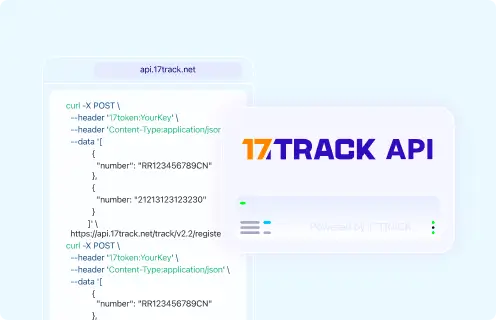
Use only an approved Peninsula Truck Lines integration supplied through a carrier account or contracted technology provider. The example below does not invent a carrier endpoint. The 17TRACK request uses the documented registration endpoint; confirm Peninsula Truck Lines support and replace CARRIER_CODE with the current code from 17TRACK before production use.
# 1. Peninsula Truck Lines official tracking API
# No carrier endpoint is presented here.
# Use only current integration documentation supplied through an approved account.

# 2. 17TRACK API
curl --request POST \
  --url https://api.17track.net/track/v2.4/register \
  --header '17token: YourKey' \
  --header 'Content-Type: application/json' \
  --data '[
    {
      "number": "TRACKING_NUMBER",
      "carrier": "CARRIER_CODE"
    }
  ]'
Developer documentation: https://api.17track.net/en/doc.
Sources & References
17TRACK is an independent tracking platform and is not affiliated with Peninsula Truck Lines.