Pacific International Lines Tracking
Please enter the Pacific International Lines tracking number to check the latest shipping status.
About Pacific International Lines
Pacific International Lines is a Singapore-headquartered container shipping and logistics company. Pacific International Lines operates liner services connecting Asia, Africa, Latin America, the Middle East, Oceania and the Indian Subcontinent, with services offered through more than 500 locations in over 90 countries.
| Verified field | Information |
|---|---|
| Official name | Pacific International Lines Pte Ltd |
| Official website | https://www.pilship.com/ |
| Carrier type | Container shipping line with logistics and digital shipping services. |
| Primary region | Asia, Africa, Latin America, the Middle East, Oceania and the Indian Subcontinent. |
| Official tracking page | Pacific International Lines Digital Solutions |
| Headquarters | Singapore. |
Carrier Entity Relationships
| Entity | Relationship |
|---|---|
| Pacific International Lines | Pacific International Lines operates container liner services and provides shipment, container and booking tracking. |
| Container T&T | Container T&T is the official Pacific International Lines tracking function for container numbers, B/L numbers, booking references and P.O. numbers. |
| PocketPIL | PocketPIL is Pacific International Lines’ customer platform for registration, bookings, schedules and shipment tracking. |
| Service routes and vessels | Pacific International Lines’ route and vessel schedule information provides operational context for port-to-port movement but is not the same as a parcel delivery scan. |
| 17TRACK | 17TRACK is an independent tracking platform that may aggregate available shipment events; it does not operate Pacific International Lines vessels or resolve commercial claims. |
Quick Answer
For a Pacific International Lines shipment, use the official Container T&T page and select the identifier available to you: container number, B/L number, booking reference or P.O. number. You can also submit the identifier to 17TRACK. If no result appears, check that you entered the correct identifier type, remove accidental spaces, confirm that the booking or container has been entered into the carrier system, and ask the shipper or Pacific International Lines local office to verify the reference.
How to Track Pacific International Lines Packages
Pacific International Lines is primarily a container and ocean-shipping carrier, so the most useful tracking identifiers are shipment references rather than a consumer parcel number.
| Route | Steps |
|---|---|
| Official tracking | Open the official Pacific International Lines Digital Solutions page, choose Container T&T, select Container Number, B/L Number, Booking Reference or P.O. Number, enter the reference and search. |
| 17TRACK | Open 17TRACK, enter the shipment identifier, review available events and compare the result with the official Pacific International Lines record. |
| No identifier | Ask the shipper, freight forwarder or seller for the booking reference, B/L number or container number. An order number alone may not be searchable. |
| No first event | Confirm the reference with the booking party and allow the carrier record to be created or updated; a booking reference is not proof that a container has been received or loaded. |
Tracking Number Formats and Examples
Pacific International Lines’ official page identifies several searchable reference families. The supplied official material does not publish one universal public pattern or fixed length for every reference, so the identifier type selected in the search tool matters more than a prefix-based guess.
Tracking Number Format
| Identifier family | Normalized pattern and use |
|---|---|
| Container number | An equipment identifier supplied on shipping documents and the container itself. Use the exact letters and digits shown by the shipper; do not infer a service from a prefix. |
| B/L number | A bill-of-lading reference used for cargo documentation and shipment lookup. It is issued in the shipping-document workflow and is different from an online-store order number. |
| Booking reference | A reservation reference used before and during the ocean shipment. A booking reference may exist before physical cargo acceptance or loading. |
| P.O. number | A purchase-order reference supplied by the commercial parties. Its searchability depends on whether it was recorded in the carrier system. |
Tracking Statuses and Meanings
Container events describe a port, vessel, documentation or equipment milestone. They do not necessarily provide the door-delivery detail associated with a parcel carrier.
Status Quick Lookup
| Status stage | Meaning and next action |
|---|---|
| Booking created | A reservation reference exists. The shipper should confirm cargo cut-offs, documentation and planned sailing. |
| Received or gated in | The container has an operational receipt event. The next movement depends on terminal handling and vessel planning. |
| Loaded or departed | The container has reached a vessel movement milestone. Compare the event with the published service schedule. |
| Transshipment | The shipment is moving through an intermediate port or vessel connection. A visibility gap can occur between terminal events. |
| Arrived at destination port | The vessel or container has reached the destination port stage; customs release, terminal handling and inland delivery may remain. |
| Exception or delay | The planned movement may have changed. Contact the booking party or local office with the reference, port pair and latest event. |
Services and Delivery Times
Pacific International Lines publishes service routes and schedules rather than a single parcel-style delivery promise. Transit depends on the selected port pair, vessel schedule, terminal operations, customs and any inland arrangement.
Service Comparison
| Service | Best use |
|---|---|
| Container liner services | Port-to-port international cargo movement across Pacific International Lines service regions. |
| Specialised shipping solutions | Cargo requiring tailored handling, including industrial, fragile, perishable, chemical, food and pharmaceutical cargo. |
| Logistics and intermodal solutions | Additional storage, agency, inland or customised logistics arrangements where offered for the shipment. |
Delivery Time
| Planning basis | What it means |
|---|---|
| Published vessel schedule | Use the official port, point-to-point or vessel schedule for the selected origin, destination and date. |
| Estimated transit | A planning estimate can change because of sailing changes, transshipment, weather, port congestion, customs and inland delivery. |
| Guarantee status | The supplied official pages do not describe a universal guaranteed delivery date for all Pacific International Lines services. |
Destination Country Delivery Times
| Destination region | Planning guidance |
|---|---|
| North America | Use the selected port-pair schedule; destination customs, terminal release and inland transport determine final delivery. |
| Europe | Use the selected port-pair schedule and confirm destination terminal, customs and inland arrangements. |
| East and Southeast Asia | Use the official service-route and vessel schedule; transshipment and port operations may affect the estimate. |
| Africa | Use the route schedule and local office guidance because port handling and inland delivery conditions differ by destination. |
| Latin America | Confirm the selected route, destination port, customs requirements and inland delivery responsibility. |
| Middle East, Oceania and Indian Subcontinent | Use the official route and vessel search for the exact port pair rather than a generic country average. |
Common Tracking Problems and Solutions
| Problem | Immediate solution |
|---|---|
| Invalid reference | Select the correct search type, re-enter the identifier exactly, and ask the shipper to confirm whether it is a container, B/L, booking or P.O. reference. |
| No tracking event | Check whether the booking or container has been entered into the carrier system and contact the booking party. |
| No update during transit | Compare the latest event with the vessel schedule and allow for terminal or transshipment visibility gaps before escalating with the shipment reference. |
| Customs or destination delay | Ask the importer, broker or destination office which documents, duties, release steps or terminal charges remain. |
| Delivered cargo issue | Contact the named consignee, terminal, delivery provider or local Pacific International Lines office; 17TRACK cannot investigate physical cargo. |
| Cargo damaged or missing | Preserve packaging and records, notify the contractual shipping party promptly, and follow the applicable transport-document claim process. |
International Shipping, Customs and Carrier Handoffs
A Pacific International Lines international shipment can involve the shipper, terminal, Pacific International Lines vessel operations, customs authorities, destination agents and inland providers. Arrival at a port is not the same as customs release or final delivery.
International Flow
| Stage | Customer interpretation |
|---|---|
| Booking and documentation | The shipper and carrier establish the booking, cargo details and transport documents. |
| Origin terminal | The container is received, processed and prepared for vessel loading. |
| Export clearance | Export authorities and the shipping parties complete required formalities. |
| Ocean movement | Pacific International Lines or a documented service partner moves the container between ports; event gaps can occur between scans. |
| Transshipment or handoff | An intermediate terminal, vessel, agent or logistics provider may handle the next movement. An electronic reference does not by itself prove physical handoff. |
| Import customs and destination terminal | The importer or broker handles destination requirements; port arrival does not prove customs release. |
| Inland delivery | The contractual delivery arrangement, local agent or inland provider completes the final movement where included. |
Delivery Management and Post-shipment Options
Available changes depend on the booking terms, cargo stage, destination and responsible contractual party. Request changes through the shipper, freight forwarder or applicable Pacific International Lines local office before the cargo reaches the affected operational stage.
| Option | Responsible requester |
|---|---|
| Booking amendment | The shipper or authorised booking party should request amendments through Pacific International Lines or its local office. |
| Destination or delivery instruction | The contractual customer should confirm whether the instruction is permitted before release, customs completion or inland dispatch. |
| Schedule information | Customers can use the official port, point-to-point and vessel schedule tools for planning. |
Lost, Damaged, Claims, Insurance and Refunds
A tracking enquiry, cargo investigation, transport claim, insurance claim, freight refund and seller refund are separate processes. The contractual shipper or consignee should use the applicable transport documents and contact the Pacific International Lines office or commercial counterparty handling the shipment.
| Process | Use when and evidence |
|---|---|
| Tracking enquiry | Use when an event or reference needs clarification; provide the identifier, booking details and latest event. |
| Cargo investigation | Use for suspected delay, shortage or misrouting; preserve transport documents, delivery records and correspondence. |
| Damage or loss claim | Use the contractual claim route; retain photographs, packaging, inspection records, invoices, value evidence and the relevant bill of lading. |
| 17TRACK assistance | 17TRACK can display available tracking data but cannot approve a Pacific International Lines claim or refund. |
Shipping Restrictions and Special Handling
Pacific International Lines provides cargo and shipping guidance for different cargo categories. Shippers should review the current official shipping guide and confirm destination requirements before booking.
| Category | Required action |
|---|---|
| Dangerous or chemical cargo | Declare cargo accurately and confirm acceptance, documentation, packing and route requirements before booking. |
| Perishable and temperature-sensitive cargo | Confirm equipment, handling and destination arrangements; delays at ports or customs can affect delivery conditions. |
| Heavy, industrial or oversized cargo | Provide accurate cargo specifications and obtain a tailored handling decision before shipment. |
| Food, pharmaceutical and agricultural cargo | Check origin, destination, customs and documentation rules with the shipping party and local authorities. |
Customer Service
| Channel | Best use |
|---|---|
| Official Contact Us page | Contact Pacific International Lines for shipping questions, special cargo, pricing or customised solutions. |
| Local office search | Use the official website to find the relevant local office for the shipment’s origin or destination. |
| Official tracking page | Use Container T&T for container, B/L, booking or P.O. references. |
| Information to prepare | Prepare the reference, origin and destination, booking date, latest event, cargo description, consignee details and relevant documents. |
Ecommerce and Business Tracking
Business customers can use Pacific International Lines’ digital tools for booking, schedules, container tracking, eVGM, electronic bills of lading and data integration. The official material describes partner data integration, but it does not publish a general public REST tracking endpoint in the supplied evidence.
Developer/API Comparison
| Option | Provider |
|---|---|
| Official digital integration | Pacific International Lines |
| Multi-carrier tracking API | 17TRACK |
FAQ
Basic FAQs
Use Pacific International Lines Container T&T with a container number, B/L number, booking reference or P.O. number, or submit the identifier to 17TRACK.
Check the booking confirmation, bill of lading, container documents or shipper’s dispatch message.
Pacific International Lines uses several reference families, including container numbers, B/L numbers, booking references and P.O. numbers; there is no single public pattern for every family.
The reference may not yet be active, the wrong identifier type may have been selected, or the shipment may be between operational events.
Use the official port, point-to-point or vessel schedule because transit depends on the exact route, vessel, transshipment and destination handling.
Compare the latest event with the official schedule and contact the shipper, forwarder or relevant local office with the shipment reference.
Port arrival may be followed by customs, terminal release or inland delivery; ask the importer, broker or destination office which step remains.
The contractual shipper or consignee should start the applicable transport claim process and preserve documents, photographs and value evidence.
No. 17TRACK can display available tracking events but cannot amend bookings, release cargo, redirect shipments or approve claims.
Use the official Contact Us page or local office search and include the shipment reference, route, latest event and relevant documents.
Expert FAQs
No. A booking reference records a reservation; physical receipt, terminal processing and vessel loading are separate operational milestones.
A container number identifies equipment, while a B/L number identifies the transport document and cargo movement.
Yes. The official digital tools provide schedules by port, point to point and vessel; schedules are planning information and can change.
The container may move through an intermediate port or vessel connection, and tracking visibility can pause between terminal events.
The official material confirms partner data integration and digital platforms but does not publish a general public tracking endpoint in the supplied evidence; contact Pacific International Lines for partner integration access.
Tracking API
// 1. Pacific International Lines official API
// Current public official tracking API endpoint and authentication are not confirmed
// in the supplied official material. Use the official data-integration contact route.

// 2. 17TRACK API
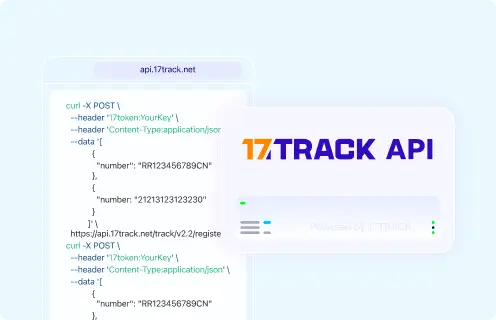
// Documentation: https://api.17track.net/en/doc
POST https://api.17track.net/track/v2.4/register
Headers:
  17token: YourKey
  Content-Type: application/json

Body:
[
  {
    "number": "TRACKING_NUMBER",
    "carrier": "CARRIER_CODE"
  }
]

// Confirm the current 17TRACK carrier code in the developer documentation
// before production use; do not infer a code from the carrier name.
Sources & References
- Pacific International Lines — Official website. Pacific International Lines
- Shipping Solutions Overview. Pacific International Lines
- Service Routes. Pacific International Lines
- Digital Solutions, Track and Trace and PocketPIL. Pacific International Lines
- 17TRACK API Documentation. 17TRACK
17TRACK is an independent tracking platform and is not affiliated with Pacific International Lines.
Track your package
Global express parcel tracking service