ONE (Ocean Network Express) Tracking
Please enter the ONE (Ocean Network Express) tracking number to check the latest shipping status.
About ONE (Ocean Network Express)
ONE (Ocean Network Express) is a global ocean container carrier. It transports commercial cargo on major trade lanes and also coordinates selected inland and intermodal connections. ONE handles dry, refrigerated, dangerous and special cargo, rather than acting as a conventional consumer parcel courier.
| Field | Confirmed information |
|---|---|
| Official name | Ocean Network Express Pte. Ltd. |
| Brand | ONE (Ocean Network Express) |
| Official website | https://www.one-line.com/en |
| Carrier type | Ocean container carrier with transportation, inland/intermodal and digital shipping solutions. |
| Primary region | Global trade lanes and major ports; the official site describes network coverage spanning more than 120 countries. |
| Official tracking page | ONE website — Track |
Carrier Entity Relationships
| Entity | Relationship and tracking significance |
|---|---|
| Canonical carrier | ONE (Ocean Network Express) operates ocean container transportation and publishes shipment visibility through its digital services. |
| Operated services | ONE provides dry cargo, refrigerated cargo, dangerous cargo, special cargo, inland and intermodal solutions, and selected green shipping solutions. |
| Tracking products | The ONE website provides Track functions, while ONE eCommerce and CONTAINER+ provide shipment or reefer visibility for applicable users and cargo. |
| Network entities | Vessels, terminals, ports, inland connections and customs locations may generate events at different stages of a container movement. |
| Partners and handoffs | Inland transport and destination operations can involve local facilities or transport providers; an event at a partner facility does not by itself prove that ONE physically performed that movement. |
| 17TRACK | 17TRACK is an independent platform that may aggregate available ONE shipment events; it does not operate the vessel, change a booking, or decide a claim. |
Quick Answer
Enter the ONE booking, bill of lading, container or shipment reference shown in the shipping documents into the official ONE Track function. You can also submit the identifier to 17TRACK when the service is supported. If no result appears, check whether the value is an order or booking reference rather than the tracking identifier, remove spaces or punctuation, confirm the shipment was released for tracking, and ask the booking party to verify the reference.
How to Track ONE (Ocean Network Express) Packages
| Tracking path | Steps and identifier guidance |
|---|---|
| Official ONE tracking | Open the official ONE website, choose Track, enter the reference supplied in the booking or transport documents, and compare the latest event with the vessel, port or inland movement. |
| 17TRACK | Submit the shipment identifier to 17TRACK. Automatic carrier recognition can help, but the official ONE result remains the appropriate source for booking-specific action. |
| Where to find the number | Look in the booking confirmation, bill of lading, arrival notice, container documentation, ONE eCommerce account or a freight forwarder’s shipment notice. |
| Wrong identifier | An order number, invoice number, quote number or merchant reference may not retrieve a container movement. Ask the shipper or forwarder which reference is searchable. |
| No first event | The booking may be created before cargo or equipment is accepted, the reference may not yet be visible, or the shipment may be handled through a forwarder’s system. Confirm the booking status with the booking party. |
Tracking Number Formats and Examples
ONE’s public pages describe shipment tracking and digital integration, but a single consumer-parcel-style format is not established by the supplied official evidence. Ocean shipments commonly use several references at once. Use the exact identifier appearing in the transport document instead of inferring the service from a prefix alone.
Tracking Number Format
| Identifier family | Normalized pattern and use |
|---|---|
| Container identifier | A container number normally follows an equipment identification convention and is printed on the container and transport documents. Confirm the complete value with ONE or the booking party; do not invent a live example. |
| Bill of lading or booking reference | A carrier or forwarder reference identifies a booking or transport document. It is usually seen by the shipper, consignee, broker and logistics provider. |
| Shipment or cargo reference | A customer or ONE eCommerce reference can connect an account shipment to visibility records. It may differ from the container or bill of lading number. |
| Merchant or order reference | An ecommerce order number identifies a commercial transaction, not necessarily the physical ocean shipment. It may not be searchable on ONE. |
| Partner or inland reference | Road, rail, terminal or forwarder systems may create additional identifiers. A partner event can be linked to the ONE movement without the partner reference being issued by ONE. |
Tracking Statuses and Meanings
| Status | Lifecycle meaning |
|---|---|
| Booking or pre-shipment | A booking or electronic record exists, but this does not prove that cargo has been received, loaded or accepted at a terminal. |
| Received or gated in | A terminal or responsible facility has recorded a physical cargo or equipment event. Confirm the event location and timestamp. |
| Loaded or departed | Cargo has been associated with a vessel movement or departure event. Port schedules can change because of operational or external conditions. |
| Transshipment | The cargo is moving through an intermediate port or vessel connection. A gap between scans can occur while the container is at sea or awaiting connection. |
| Arrived at destination | The vessel or cargo has reached a destination port event; this is not the same as customs release or final delivery. |
| Customs or documentation hold | The shipment requires review, documents, duties, permits or another clearance action. The importer, broker or shipper may need to act. |
| Available for delivery or released | The cargo can proceed subject to applicable port, customs, payment, appointment and inland arrangements. |
| Delivered or empty returned | A final transport or equipment event has been recorded. Request the applicable delivery evidence or terminal record if the event is disputed. |
Services and Delivery Times
Service Comparison
| Service | Best fit and tracking scope |
|---|---|
| Dry Cargo | General cargo such as apparel, electronics and raw materials; movement is tracked through booking, port, vessel and inland events where available. |
| Refrigerated Cargo | Temperature-sensitive cargo; CONTAINER+ can provide visibility for applicable reefer shipments, including temperature, humidity and location data. |
| Dangerous Cargo | Regulated cargo requiring documentation, packaging and handling compliance; acceptance depends on applicable rules and approvals. |
| Special Cargo | Out-of-gauge, in-gauge and breakbulk cargo requiring route, equipment and handling planning. |
| Inland and intermodal | Road, rail and barge connections between ports, warehouses and destinations in selected markets. |
Delivery Time
| Service | Published timing guidance |
|---|---|
| Ocean transportation | Transit time is route, vessel, port-pair and schedule specific. Use ONE Service Maps or the booking schedule rather than a universal parcel delivery estimate. |
| Inland and intermodal | Timing depends on the selected road, rail or barge connection, appointment, terminal release and destination arrangements. |
| Reefer and special cargo | Timing is shipment-specific and can be affected by equipment, documentation, handling and regulatory requirements. |
Destination Country Delivery Times
| Destination country or region | Planning guidance |
|---|---|
| North America | Use the booked port pair, sailing schedule and inland destination plan. Customs, terminal availability and final inland arrangements affect the end-to-end date. |
| Europe | Use the applicable ONE service map and booking schedule. Import clearance, port congestion and onward transport may create visibility gaps. |
| Asia-Pacific | Transit depends on the selected trade lane, transshipment plan, destination port and inland connection. |
| Latin America, Middle East and Africa | Confirm the exact port pair and local delivery arrangement with the booking office because routing and inland availability differ by destination. |
A vessel transit estimate, a port arrival estimate and a final delivery date are different measurements. Weather, port operations, vessel changes, customs, documentation, equipment, weekends, holidays and inland appointments can affect the outcome. The official evidence supplied for ONE does not establish a universal country-by-country parcel average or a general money-back delivery guarantee.
Common Tracking Problems and Solutions
Problem & Solution
| Problem or status | Immediate action |
|---|---|
| Invalid number | Check the source document, remove accidental spaces, and ask the shipper or forwarder to identify the searchable ONE reference. |
| No tracking event | Confirm that the booking exists and that the cargo or equipment has reached the relevant acceptance stage. |
| Long period without an update | Compare the last event with the scheduled port or vessel movement. Ask the booking party or ONE office whether a schedule, transshipment or documentation change occurred. |
| Customs or documentation hold | The importer, broker or shipper should provide requested documents, permits, classification or payment information to the responsible authority or logistics party. |
| Delivered event disputed | Request the applicable delivery, terminal or equipment record and compare it with the consignee, destination and date. |
| Cargo loss or damage | Notify the contracting shipper, forwarder or carrier office promptly, preserve packaging and cargo evidence, and follow the applicable bill of lading and claims process. |
International Shipping, Customs and Carrier Handoffs
ONE’s international movement is generally a commercial container journey rather than a postal parcel handoff. The responsible party changes by stage: booking party, terminal, vessel operator, customs authority, inland provider, consignee and destination facility may each produce different events.
| Stage | What the event means |
|---|---|
| Booking and origin preparation | A booking, equipment request or shipping instruction is created. This is not proof that cargo has entered the terminal. |
| Origin terminal and export processing | Cargo or equipment is received, gated, inspected or prepared for loading subject to terminal and export requirements. |
| Vessel and line-haul | The container is associated with a vessel voyage. At-sea periods can have fewer scans than terminal periods. |
| Transshipment or partner handoff | A transfer may occur between vessels, terminals or inland providers. An electronic pre-advice is different from physical receipt and first acceptance scanning. |
| Destination port and import customs | Arrival at a port does not equal customs release. Import documents, duties, permits and examinations may be required. |
| Inland delivery and final receipt | After release, the selected road, rail, barge, warehouse or consignee arrangement controls the next movement and evidence of receipt. |
Delivery Management and Post-shipment Options
| Option | Who should request it and where |
|---|---|
| Booking amendment | The contracting shipper or authorized account user should contact the responsible ONE office or booking channel before the relevant operational cutoff. |
| Destination delivery instruction | The consignee, importer or authorized logistics representative should coordinate destination instructions with the responsible office, broker or inland provider. |
| Shipment visibility | ONE eCommerce and applicable digital tools can provide shipment management and visibility features for eligible accounts and shipments. |
Lost, Damaged, Claims, Insurance and Refunds
| Process | Use and evidence |
|---|---|
| Tracking inquiry | Use when an event is unclear or missing. Prepare the searchable reference, booking party, last event, voyage or port information and contact details. |
| Cargo damage or loss claim | The contracting party or authorized claimant should follow the applicable transport contract and carrier office process. Preserve photographs, packaging, inspection records, invoices and value evidence. |
| Insurance claim | File with the insurer or policy administrator when separate cargo insurance exists. Carrier tracking alone does not create insurance coverage. |
| Merchant refund | A buyer’s commercial refund is normally handled by the seller, marketplace or contracting merchant; 17TRACK cannot approve it. |
Shipping Restrictions and Special Handling
| Category | Operational implication |
|---|---|
| Dangerous cargo | Chemicals, gases, flammable liquids and other regulated cargo require correct classification, declarations, packaging and approval. |
| Refrigerated or pharmaceutical cargo | Temperature, humidity, equipment readiness and GDP-aligned procedures may be relevant. Eligibility and monitoring depend on the selected solution. |
| Out-of-gauge and special cargo | Route, dimensions, weight, equipment, lifting and terminal acceptance must be assessed before booking. |
| Documentation and customs | Incorrect descriptions, permits, classification or import documents can delay acceptance, clearance or delivery. |
The table is a high-level operational summary, not a complete legal or dangerous-goods rulebook. Confirm the current requirements with the relevant ONE office, origin and destination authorities before tendering cargo.
Customer Service
| Channel | Best use and preparation |
|---|---|
| Official website | ONE official website. Use Track, Contact Us, Local Information or the relevant digital solution. |
| Local office or contact route | Use the official Contact Us and Local Information areas for the shipment’s origin or destination. Regional hours and languages depend on the office. |
| Digital account support | ONE eCommerce users can use the applicable account and shipment-management route; business integration users should use the developer or account contact route. |
| Information to prepare | Prepare the booking or shipment reference, container identifier, bill of lading, shipper and consignee, origin and destination, last event, cargo description and requested remedy. |
Ecommerce and Business Tracking
ONE provides digital solutions for booking, shipment management, documentation, payments, reefer visibility and data integration. Its official data-integration page describes APIs for schedules, prices, shipment and tracking data, and EDI for high-volume batch exchange. These business tools are distinct from consumer tracking and from 17TRACK’s multi-carrier API.
Developer/API Comparison
| Option | Provider | ||||||||||
|---|---|---|---|---|---|---|---|---|---|---|---|
| ONE Data Integration API | ONE (Ocean Network Express) | ||||||||||
View all details for ONE Data Integration API
| |||||||||||
| 17TRACK API | 17TRACK | ||||||||||
View all details for 17TRACK API
| |||||||||||
FAQ
Basic FAQs
Use the Track function on the official ONE website with the reference shown in your booking or transport documents. 17TRACK may also display available ONE events.
Check the booking confirmation, bill of lading, container documents, arrival notice, ONE eCommerce account or the shipment notice from your forwarder.
ONE shipments can use different booking, cargo, bill of lading and container references. The exact identifier depends on the shipment document and transport stage.
A booking record may exist before physical receipt, terminal acceptance or the first visibility event. Confirm the booking status with the shipper or forwarder.
Ocean movements can have fewer scans while cargo is at sea or awaiting a port, transshipment or inland event. Compare the last event with the booking schedule.
Transit depends on the origin, destination, trade lane, vessel schedule, port, customs and inland arrangement. Use the shipment-specific schedule rather than a universal parcel estimate.
Record the last event and contact the booking party or applicable ONE office with the reference, vessel or port details and requested next action.
It means a port-arrival event has been recorded; it does not by itself prove customs release, cargo availability or final inland delivery.
Notify the contracting party or responsible office promptly, preserve packaging and cargo evidence, photograph the condition and follow the applicable transport-contract claim process.
Use the official ONE Contact Us or Local Information route for the relevant origin or destination. Prepare the shipment reference, parties, last event and cargo details.
Expert FAQs
No. A booking or electronic pre-advice can precede physical receipt, terminal gate-in, loading and vessel departure.
Port arrival identifies a transport milestone, while customs release is an authority decision based on documents, duties, permits and examination requirements.
Yes. A container, booking, bill of lading, customer reference and inland-provider reference can coexist and may be linked in operational systems.
ONE describes API and EDI data integration for schedules, prices, shipment and tracking data. Businesses should review the current developer portal and request access through the appropriate ONE channel.
CONTAINER+ is an ONE digital solution for applicable reefer shipments, providing visibility into temperature, humidity, atmosphere and location data.
No. 17TRACK displays available tracking information but does not alter the booking contract, physical custody, customs responsibility or claim process.
The importer, broker or shipper should respond to the customs or documentation request while coordinating with the responsible ONE office and destination logistics provider.
Tracking API
// 1. ONE (Ocean Network Express) official API
// Current public endpoint credentials and complete request format
// must be obtained through the ONE developer portal.
// Review: https://www.one-line.com/en/all-digital-solutions/data-integration

// 2. 17TRACK API
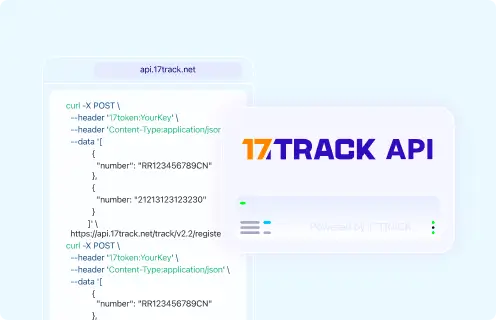
POST https://api.17track.net/track/v2.4/register
Headers:
  17token: YourKey
  Content-Type: application/json

Body:
[
  {
    "number": "TRACKING_NUMBER",
    "carrier": "CARRIER_CODE"
  }
]

// Use the current 17TRACK documentation to confirm the carrier code
// and supported shipment identifier before production use.
Sources & References
- ONE — Global Container Shipping Solutions. Ocean Network Express Pte. Ltd.
- All Transportation Solutions. Ocean Network Express Pte. Ltd.
- All Digital Solutions. Ocean Network Express Pte. Ltd.
- API & EDI Data Integration. Ocean Network Express Pte. Ltd.
- Electronics and Technology Shipping Solutions. Ocean Network Express Pte. Ltd.
- Pharma and Healthcare Shipping Solutions. Ocean Network Express Pte. Ltd.
- 17TRACK API Documentation. 17TRACK.
17TRACK is an independent tracking platform and is not affiliated with ONE (Ocean Network Express).
Track your package
Global express parcel tracking service