Next level Tracking
Please enter the Next level tracking number to check the latest shipping status.
About Next Level
Next Level is the carrier or delivery brand associated with the supplied official website. Use the official tracking page for the shipment identifier supplied by the sender or shown on the shipping label. The available evidence does not establish a broader service catalogue, corporate ownership structure, or published delivery network, so those details should be confirmed directly with Next Level before operational decisions are made.
| Field | Verified reference |
|---|---|
| Official website | https://nextlevel.delivery/ |
| Carrier identity | Next Level is the canonical display name used on this page. |
| Tracking relationship | A tracking result may contain events from Next Level or a connected transport and last-mile network; the event owner should be checked against the scan description. |
Carrier Entity Relationships
| Entity | Relationship and tracking meaning |
|---|---|
| Next Level | Next Level is the named carrier entity to select when the label or merchant identifies Next Level as the tracking provider. |
| Official website | The official website is the primary place to validate the identifier, shipment event wording, and contact route. |
| 17TRACK | 17TRACK is an independent aggregation platform; it displays available carrier events but does not operate the shipment or decide claims. |
Quick Answer
Enter the shipment tracking number on the official Next Level website or submit it to 17TRACK. If no result appears, first remove spaces or punctuation, check the number against the merchant’s dispatch message, and allow time for the first physical acceptance scan. 17TRACK does not transport parcels, change addresses, approve refunds, or process claims.
How to Track Next Level Packages
Use the identifier supplied by the sender, not the order number. A marketplace order number identifies a purchase, while a tracking number identifies a transport record. The official website is the appropriate first route when the merchant states that Next Level is the carrier.
| Route | Steps and limitation |
|---|---|
| Official Next Level tracking | Open the official website, locate its tracking function, enter the shipment identifier, and read the latest event. Use the official contact route if the identifier is rejected. |
| 17TRACK | Open 17TRACK, submit the identifier, and allow automatic carrier recognition or choose Next Level when offered. Aggregated results can depend on the events exposed by the carrier. |
| Merchant support | Ask the seller to confirm the carrier, label number, dispatch date, and whether the parcel has received a physical acceptance scan. |
Tracking Number Formats and Examples
Next Level’s supplied evidence does not establish a published universal number pattern. Do not infer a service solely from a prefix or length. Use a redacted example from the label or merchant message and validate it through the official tracker.
Tracking Number Format
| Identifier family | Normalized pattern and use |
|---|---|
| Next Level shipment identifier | Use the exact redacted identifier shown by the sender, such as NL## #### #### or X########. The carrier-issued status, length, character set, and scan coverage must be verified by the official tracker. |
| Merchant order or reference ID | An order or reference ID identifies the purchase or seller record and may not be searchable as a transport identifier. |
| Partner or last-mile identifier | A connected carrier may create or display another identifier after handoff. A number that can be queried by a carrier is not necessarily issued by that carrier. |
Tracking Statuses and Meanings
Status wording varies by carrier system. The practical distinction is whether a label exists, whether a carrier has physically received the parcel, whether a partner is responsible, and whether delivery has been scanned.
Status Quick Lookup
| Status stage | Meaning and next action |
|---|---|
| Label created or pre-shipment | Shipment data exists, but this does not prove physical acceptance. The sender should confirm handover and dispatch. |
| Accepted or in transit | A transport scan has been recorded. Continue monitoring the next facility or movement event. |
| Partner handoff | A connected transport or last-mile party may be handling the next stage. Ask the sender for any second identifier. |
| Out for delivery | The parcel is assigned to a delivery route. Check access instructions and delivery location. |
| Delivered | A delivery scan has been recorded. Check the delivery location, household, reception desk, neighbours, and proof-of-delivery information. |
| Exception or return | A delivery or transport issue requires review. The sender should contact the responsible carrier or merchant using the latest event details. |
Services and Delivery Times
A current Next Level service catalogue and published delivery standards should be checked at the time of shipment. Delivery estimates depend on origin, destination, acceptance time, weekends, holidays, address quality, operating disruptions, handoffs, and customs where applicable.
Service Comparison
| Service information | Decision guidance |
|---|---|
| Service name | Select the exact service name shown on the label, receipt, or merchant dispatch record; no unsupported service names are assigned here. |
| Tracking level | Tracking visibility depends on the service and the events released by the responsible transport parties. |
| Protection and delivery promise | Do not treat an estimated date as a guarantee. Check the shipment terms for any service-specific protection or refund rule. |
Delivery Time
| Timing item | How to interpret it |
|---|---|
| Published standard | Use the current route-specific standard supplied by Next Level or the seller; a general tracker estimate is not a carrier guarantee. |
| Counting start | Confirm whether counting begins at label creation, physical acceptance, or dispatch from the origin facility. |
| Delay factors | Common causes include weekends, holidays, weather, address problems, capacity, handoff gaps, customs, and missing scans. |
Destination Country Delivery Times
| Destination | Planning guidance |
|---|---|
| Domestic destination | Use the service-specific estimate shown by Next Level or the merchant; do not substitute an industry-wide average. |
| International destination | Confirm the destination carrier, customs process, tax responsibility, and service standard before promising a delivery date. |
Common Tracking Problems and Solutions
Start with the latest event and identify who physically controls the parcel. The seller is usually best placed to correct a wrong identifier or start a service investigation when the shipment contract is in the seller’s name.
Problem & Solution
| Problem or status | Immediate action |
|---|---|
| Invalid number | Check every character, remove copied punctuation, and ask the sender whether the number is an order ID or a carrier tracking number. |
| No tracking events | Allow for data activation and the first physical scan, then ask the sender to confirm handover. |
| Long gap in transit | Compare the last scan location with the expected route and ask the sender to open an inquiry under the applicable shipping terms. |
| Delivery exception or failed delivery | Check address, access instructions, attempted-delivery notes, and any pickup direction before contacting the responsible delivery party. |
| Delivered but not received | Check the entrance, safe place, household, reception desk, neighbours, and proof of delivery; then contact the seller promptly. |
| Lost or damaged parcel | Keep packaging and photographs, record the latest scan, and ask the sender which inquiry, claim, insurance, or refund route applies. |
International Shipping and Carrier Handoffs
For an international shipment, a tracking event can be generated by the origin carrier, a transport partner, customs, a destination postal operator, or a last-mile company. Arrival in a destination country or exchange facility does not by itself prove customs release.
| Stage | Responsibility and customer action |
|---|---|
| Origin acceptance and export | The origin transport party records acceptance and export processing. The sender should correct documentation or packaging issues. |
| Line-haul and customs | Transport and customs authorities may control the parcel. The recipient may need to provide import information or pay assessed charges. |
| Partner handoff | Electronic pre-advice, physical handover, and the first receiving scan are separate events. A partner scan does not necessarily prove final-carrier acceptance. |
| Destination last mile | The destination delivery party controls delivery, attempted delivery, pickup, and final delivery scans. Request its identifier from the sender where needed. |
Customer Service
Use the official Next Level website for the current contact route. Prepare the tracking number, sender and recipient details, dispatch date, service name, latest scan, delivery address, contents description, value evidence, and photographs where relevant.
Customer Service
| Channel | Best use |
|---|---|
| Official website | Open Next Level’s current website and use the tracking or contact path presented there. |
| Merchant or sender | Use this route for incorrect tracking numbers, delivery promises, refunds, replacement shipments, and claim ownership questions. |
| 17TRACK | Use 17TRACK for aggregated visibility; it cannot change delivery instructions or decide a carrier claim. |
Ecommerce and Business Tracking
Merchants should distinguish the customer-facing official tracker from a carrier API and from a multi-carrier platform. Before promising automated notifications or webhook coverage, confirm the current documentation, authentication requirements, rate limits, event model, and permitted use.
Developer/API Comparison
| Option | Provider | ||||||||
|---|---|---|---|---|---|---|---|---|---|
| Official carrier integration | Next Level | ||||||||
| Multi-carrier tracking API | 17TRACK | ||||||||
View all details for developer tracking options
| |||||||||
FAQ
Basic FAQs
Enter the tracking number on the official Next Level website or use 17TRACK to view available shipment events.
Check the shipping label, dispatch email, marketplace shipment page, or receipt supplied by the sender.
Next Level’s identifier should be copied exactly from the sender’s record because a universal public pattern is not established in the available evidence.
The label may have been created before physical acceptance or the next event may not yet have been released; ask the sender to confirm handover.
Delivery depends on the selected service, route, acceptance time, operating conditions, and any partner or customs processing, so use the shipment-specific estimate.
Check the event instructions, address, access details, and any pickup direction, then contact the responsible delivery route or seller.
Check the entrance, safe place, household, reception desk, neighbours, and proof-of-delivery information before asking the seller to investigate.
Record the latest event and contact the sender promptly because the sender may control the formal transport inquiry or claim.
Photograph the parcel and contents, retain the packaging, and ask the sender which claim or insurance procedure applies.
Open the official Next Level website and use the current contact route shown there, or ask the sender to escalate the shipment.
Expert FAQs
No; label creation records shipment data, while physical acceptance requires a carrier or facility event.
Yes, an aggregated result can include a connected transport or last-mile event; the scan description should be used to identify the current responsible party.
A partner may introduce another identifier, although the original number may continue to display events; request any linked number from the sender.
No; arrival, customs processing, release, and last-mile acceptance are separate events.
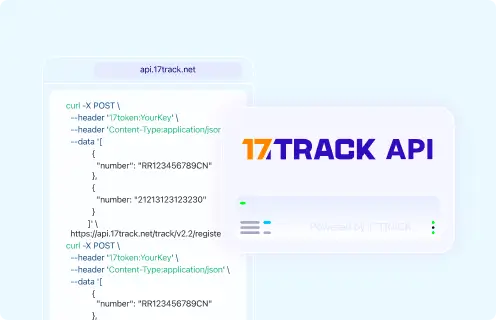
A business can review the 17TRACK API documentation and verify carrier recognition, registration, authentication, event coverage, and commercial limits before integration.
Tracking API
// 1. Next Level official API
// Use only current credentials and endpoint documentation supplied by Next Level.

// 2. 17TRACK API
POST https://api.17track.net/track/v2.4/register
Headers:
  17token: YourKey
  Content-Type: application/json

Body:
[
  {
    "number": "TRACKING_NUMBER",
    "carrier": "CARRIER_CODE"
  }
]

// Confirm the current 17TRACK carrier code in the developer documentation
// before production use.
Sources & References
- Next Level — Official website. Next Level
- 17TRACK API Documentation. 17TRACK
17TRACK is an independent tracking platform and is not affiliated with Next Level.
Track your package
Global express parcel tracking service