About Method
Method is the carrier identity associated with the supplied official website below. Shipment-specific documents remain the controlling source for the service level, operating carrier, route, delivery commitment, and claims terms attached to an individual package.
| Company field | Verified information |
|---|
| Canonical carrier name | Method |
| Official website | https://method-logistics.com/ |
| Tracking alternatives | Use the shipment link supplied by the sender or submit the carrier-issued identifier to 17TRACK. |
Carrier Entity Relationships
| Entity | Entity type |
|---|
| Method | Canonical carrier identity |
View all details for Method
| Relationship to Method | Method is the name that should be matched against the carrier or logistics-provider field in the shipment record. |
|---|
| Why it matters to tracking | A brand match helps prevent an order number or another carrier’s handoff number from being submitted as the Method tracking identifier. |
|---|
| Official evidence | The supplied official domain identifies the carrier context used for this page. |
|---|
|
| Shipment sender or merchant | Identifier and service-information source |
View all details for the shipment sender
| Relationship to Method | The sender may purchase or arrange a shipment associated with Method and provide the recipient with the usable tracking reference. |
|---|
| Why it matters to tracking | The sender can distinguish an order ID from a carrier identifier and can identify any subcontracted or last-mile carrier shown in the shipping record. |
|---|
| Official evidence | The shipping label, dispatch message, invoice, or merchant account is the shipment-specific evidence. |
|---|
|
| 17TRACK | Independent multi-carrier tracking platform |
View all details for 17TRACK
| Relationship to Method | 17TRACK can present tracking events made available for a submitted shipment, but it does not transport the package. |
|---|
| Why it matters to tracking | 17TRACK is useful when a buyer manages shipments from multiple carriers in one interface. |
|---|
| Official evidence | 17TRACK tracking platform |
|---|
|
Quick Answer
To track a Method shipment, copy the carrier identifier from the shipping confirmation or label and enter it through the tracking link supplied by the sender or on 17TRACK. If no result appears, first remove accidental spaces, verify that the value is a tracking number rather than an order number, and confirm that Method is the carrier named in the shipment record.
Pro Tip: 17TRACK is an independent tracking platform. It cannot change an address, schedule delivery, release a customs hold, approve a claim, or issue a merchant refund.
How to Track Method Packages
Use the exact identifier attached to the shipment, not the store’s order number. Tracking may remain blank until shipment data is transmitted or the first physical processing scan is recorded.
- Open the dispatch email, merchant account, shipping label, receipt, or delivery notice.
- Find the value specifically labeled “tracking number,” “shipment number,” or a similar carrier reference.
- Open the tracking link supplied by the sender or visit the Method official website to locate the current shipment-support route.
- Alternatively, open 17TRACK, paste the identifier, and review the detected carrier before relying on the result.
- Compare the latest event’s location, timestamp, and responsible carrier with the sender’s shipping record.
| Identifier | How to use it |
|---|
| Tracking or shipment number | Submit this first when the sender identifies it as the carrier’s tracking reference. |
| Order number | Use it with the merchant to retrieve shipping details; it may not work in a carrier tracker. |
| Merchant reference | Use it in the seller’s account or support channel unless the shipping record explicitly says it is trackable. |
| Partner or last-mile number | Use it with the named partner after the record shows that a handoff has occurred. |
Tracking Statuses and Meanings
Status wording can differ by data source. The interpretations below describe common logistics stages; the timestamp, location, carrier name, and shipment-specific notes determine who currently has custody.
Status Quick Lookup
| Status | Lifecycle stage |
|---|
| Shipment information received | Pre-shipment |
View all details for shipment information received| What it means | Electronic shipment data may exist before physical acceptance. |
|---|
| Current responsible party | The sender remains responsible until a physical acceptance or collection event establishes carrier custody. |
|---|
| What happens next | Collection, tender, or an initial processing scan. |
|---|
| What you should do | Confirm the dispatch date with the sender if the status does not advance. |
|---|
|
| Accepted or collected | Accepted |
View all details for accepted or collected| What it means | A carrier or identified logistics partner recorded receipt of the shipment. |
|---|
| Current responsible party | The organization named in the acceptance event. |
|---|
| What happens next | Sorting and movement to the next facility. |
|---|
| What you should do | Monitor the route and compare it with the sender’s delivery estimate. |
|---|
|
| In transit | Line-haul or network processing |
View all details for in transit| What it means | The shipment is moving between facilities or awaiting its next processing event. |
|---|
| Current responsible party | The carrier or partner named in the latest physical scan. |
|---|
| What happens next | Arrival, sorting, handoff, customs processing, or destination delivery preparation. |
|---|
| What you should do | Act if the shipment passes the sender’s stated window or an exception appears. |
|---|
|
| Customs or clearance processing | Customs/handover |
View all details for customs processing| What it means | The shipment may be under documentary, security, tax, or regulatory review. |
|---|
| Current responsible party | Customs authority, broker, importer, or carrier, depending on the exact event. |
|---|
| What happens next | Release, request for information or payment, inspection, return, or seizure under applicable law. |
|---|
| What you should do | Respond only through verified carrier, broker, merchant, or customs channels. |
|---|
|
| Out for delivery | Final delivery |
View all details for out for delivery| What it means | The destination carrier has assigned the parcel to a delivery route. |
|---|
| Current responsible party | The named last-mile carrier. |
|---|
| What happens next | Delivery, an attempted delivery, pickup routing, or an exception. |
|---|
| What you should do | Keep the delivery location accessible and follow any verified instruction link. |
|---|
|
| Delivered | Completed delivery |
View all details for delivered| What it means | A delivery event was recorded at the indicated time and location. |
|---|
| Current responsible party | The recipient should first check the recorded delivery location; the last-mile carrier controls delivery evidence. |
|---|
| What happens next | The shipment normally closes unless delivery is disputed. |
|---|
| What you should do | Check household members, reception, neighbors, safe places, parcel lockers, and proof of delivery before escalating. |
|---|
|
| Available for pickup | Pickup |
View all details for available for pickup| What it means | The parcel is being held at the location named in the tracking record. |
|---|
| Current responsible party | The pickup location or destination carrier. |
|---|
| What happens next | Collection by an eligible person or return after the applicable holding period. |
|---|
| What you should do | Verify identification, authorization, location, and collection deadline before traveling. |
|---|
|
| Delivery exception | Exception |
View all details for delivery exception| What it means | An address, access, weather, damage, compliance, capacity, or recipient issue interrupted normal movement. |
|---|
| Current responsible party | The named carrier manages transport; the sender or recipient may need to supply information. |
|---|
| What happens next | Correction, another attempt, pickup, investigation, or return. |
|---|
| What you should do | Read the detailed event and use the carrier or sender channel authorized to resolve it. |
|---|
|
| Returning to sender | Return |
View all details for returning to sender| What it means | The carrier has started moving the parcel back toward the return address. |
|---|
| Current responsible party | The carrier controls the return movement; the merchant controls replacement or refund decisions. |
|---|
| What happens next | Return processing and delivery to the sender. |
|---|
| What you should do | Contact the sender about reshipment, correction, cancellation, or refund options. |
|---|
|
Services and Delivery Times
Use the service name and delivery window printed on the Method shipment record or merchant confirmation. An estimated date is planning information; it becomes a guaranteed commitment only when the applicable shipping contract expressly says so.
Service Comparison
| Service | Service type |
|---|
| Service identified on the Method shipping record | Shipment-specific transport service |
View all details for the shipment-specific Method service
| Best for | Use according to the sender’s purchased service and destination. |
|---|
| Coverage | The origin and destination shown in the shipping record define the shipment’s coverage. |
|---|
| Tracking level | Available scans depend on the operating carrier and reporting partners. |
|---|
| Key size/weight condition | The accepted label and shipment contract control. |
|---|
| Included protection/extra service | Check the receipt or merchant contract before assuming insurance, signature, or delivery protection is included. |
|---|
| Main limitation | A carrier name alone does not establish the service level or delivery commitment. |
|---|
|
Delivery Time
| Service | Published delivery standard |
|---|
| Method shipment | Use the shipment-specific window supplied by the sender or operating carrier. |
View all delivery-time details for a Method shipment
| Business or calendar days | Follow the unit stated in the shipping confirmation or service terms. |
|---|
| Guarantee status | Treat the date as an estimate unless the shipment contract expressly provides a guarantee. |
|---|
| Starts counting from | Use the start event defined by the purchased service; label creation alone may not start transit time. |
|---|
| Main delay factors | Late tender, missed cutoff, weekends, holidays, weather, capacity, address quality, handoffs, remote delivery, customs, and omitted scans. |
|---|
| Official source date/validity | The active shipment record and applicable service terms control. |
|---|
|
Destination Country Delivery Times
| Destination Country / Region | Primary Service Type |
|---|
| Destination shown in the Method shipment record | Service purchased by the sender |
View destination-specific delivery guidance
| Estimated Delivery Time Range | Use the route-specific range in the dispatch confirmation rather than an unsupported country-wide average. |
|---|
| Average Delivery Days | Calculate performance from comparable Method shipments with the same origin, destination, service, and handoff chain. |
|---|
| Last-Mile Partner / Handoff Carrier | Use the partner explicitly named in the tracking events or merchant shipping record. |
|---|
| Customs & Clearance Tips | For an international shipment, verify importer details, product description, value, tax instructions, and any request from a verified broker or authority. |
|---|
|
Country-level transit figures should not be invented when the service, origin, transport mode, customs route, and last-mile carrier are unspecified. For delivery planning, use the estimate tied to the actual shipment and revise it when a physical acceptance, customs, handoff, or exception event changes the route.
Common Tracking Problems and Solutions
Start with the latest physical scan, not only the headline status. The sender is usually best placed to correct shipment data or open a contractual investigation, while the recipient can verify delivery conditions and supply local evidence.
Problem & Solution
| Problem/status shown | Likely cause |
|---|
| Invalid number or no result | Typing error, order ID used, wrong carrier selection, or data not yet activated. |
View solutions for an invalid Method number| Check first | Compare every character with the dispatch record and verify the named carrier. |
|---|
| Immediate action | Remove surrounding spaces and try the sender-provided link or 17TRACK carrier detection. |
|---|
| When to escalate | Escalate when the sender says the parcel was physically tendered but cannot provide a usable carrier identifier. |
|---|
| Who to contact | Sender or merchant first. |
|---|
|
| Shipment information received only | Data was created, but physical acceptance may not have occurred. |
View solutions for pre-shipment status| Check first | Check the merchant’s dispatch date and whether the parcel was actually collected. |
|---|
| Immediate action | Ask the sender for the tender record or first physical scan. |
|---|
| When to escalate | Escalate after the sender’s stated handover or delivery window has passed without acceptance evidence. |
|---|
| Who to contact | Sender or fulfillment provider. |
|---|
|
| Long gap or stuck in transit | Movement without scans, network delay, handoff gap, missed connection, weather, or exception. |
View solutions for a long tracking gap| Check first | Review the last location, responsible carrier, expected window, and any partner number. |
|---|
| Immediate action | Check both the original and named partner tracker. |
|---|
| When to escalate | Use the deadline in the applicable service or sales terms; do not assume one universal threshold. |
|---|
| Who to contact | Sender for a contractual trace; operating carrier for local delivery information. |
|---|
|
| Partner awaiting handoff | Electronic pre-advice may exist before the partner receives the parcel. |
View solutions for a partner handoff delay| Check first | Look for a physical acceptance scan from the partner. |
|---|
| Immediate action | Ask the sender which organization currently has custody. |
|---|
| When to escalate | Escalate if the handoff exceeds the shipment’s stated delivery window. |
|---|
| Who to contact | The sender or upstream carrier until partner acceptance appears. |
|---|
|
| Address issue or failed delivery | Incomplete address, restricted access, recipient absence, or local delivery rule. |
View solutions for an address or delivery issue| Check first | Verify the label address with the sender and read the detailed exception note. |
|---|
| Immediate action | Use only an authorized correction, redelivery, or pickup channel offered by the operating carrier. |
|---|
| When to escalate | Act before a return movement begins. |
|---|
| Who to contact | Named last-mile carrier and sender. |
|---|
|
| Customs delay | Documentation, valuation, tax, inspection, product-control, or importer information issue. |
View solutions for a customs delay| Check first | Identify whether customs, a broker, the carrier, sender, or importer requested action. |
|---|
| Immediate action | Provide accurate documents or payment only through verified channels. |
|---|
| When to escalate | Escalate promptly when a formal response deadline is stated. |
|---|
| Who to contact | Named broker or carrier; sender for invoice and product documentation. |
|---|
|
| Delivered but not received | Alternative delivery location, household receipt, reception, locker, scan error, or theft. |
View solutions for delivered but not received| Check first | Check the exact delivery time and location, household members, reception, neighbors, safe places, and lockers. |
|---|
| Immediate action | Request available proof of delivery and notify the merchant that delivery is disputed. |
|---|
| When to escalate | Escalate promptly under the merchant’s purchase-protection and carrier inquiry rules. |
|---|
| Who to contact | Last-mile carrier for delivery evidence; sender or merchant for investigation, replacement, or refund review. |
|---|
|
| Lost or damaged | Physical loss, damage, missing contents, or unresolved delivery failure. |
View solutions for a lost or damaged Method shipment| Check first | Check the latest scan, package condition, contents, sales invoice, shipping receipt, and protection terms. |
|---|
| Immediate action | Preserve the package, contents, label, and internal cushioning; photograph all sides and damage. |
|---|
| When to escalate | Use the filing window stated in the shipment or sales contract. |
|---|
| Who to contact | Sender or merchant and the carrier named in the applicable claim terms. |
|---|
|
International Shipping, Customs and Carrier Handoffs
When a Method shipment crosses borders or uses partners, the latest physical scan identifies custody more reliably than electronic pre-advice. Arrival in a destination country or exchange facility does not mean customs has released the parcel.
International Flow
| Stage | Physical custodian/responsible entity |
|---|
| Label or electronic pre-advice | Sender until physical acceptance is recorded |
View details for electronic pre-advice| Typical tracking event | Shipment information received. |
|---|
| What is happening | Shipment data and label information are prepared. |
|---|
| Can the tracking number change? | A partner number may later be linked. |
|---|
| Normal visibility gap | No physical event appears until tender or collection. |
|---|
| What the customer should do | Ask the sender for tender evidence if the shipment does not advance. |
|---|
|
| Origin acceptance and processing | Carrier or origin logistics partner named in the event |
View details for origin processing| Typical tracking event | Accepted, collected, arrived at facility, or departed facility. |
|---|
| What is happening | The parcel is sorted and routed for export or domestic line-haul. |
|---|
| Can the tracking number change? | The original identifier may remain primary while partner references are added. |
|---|
| Normal visibility gap | Scans may be absent between facilities. |
|---|
| What the customer should do | Monitor the stated delivery window and exceptions. |
|---|
|
| Export and line-haul | Export handler, security authority, customs authority, or line-haul operator |
View details for export and line-haul| Typical tracking event | Export processing, departed origin, or line-haul movement. |
|---|
| What is happening | Security, export formalities, consolidation, and international transport may occur. |
|---|
| Can the tracking number change? | A consolidated transport reference may exist without replacing the customer-facing identifier. |
|---|
| Normal visibility gap | There may be no public scan during international transport. |
|---|
| What the customer should do | Do not interpret a scan gap alone as proof of loss. |
|---|
|
| Import customs and clearance | Destination customs authority, broker, importer, and carrier according to the event |
View details for import clearance| Typical tracking event | Arrival at destination, presented to customs, clearance processing, or released. |
|---|
| What is happening | Authorities and brokers assess admissibility, documents, value, taxes, and controls. |
|---|
| Can the tracking number change? | A broker or destination carrier may add a reference. |
|---|
| Normal visibility gap | Public tracking may not show every customs action. |
|---|
| What the customer should do | Respond promptly to verified document or payment requests. |
|---|
|
| Partner handoff | Upstream carrier until physical receipt; destination carrier after acceptance |
View details for a partner handoff| Typical tracking event | Partner notified, tendered to partner, or accepted by destination carrier. |
|---|
| What is happening | Electronic notification may precede physical transfer; the first partner acceptance scan is stronger custody evidence. |
|---|
| Can the tracking number change? | A last-mile number may be added or mapped to the original identifier. |
|---|
| Normal visibility gap | A gap can occur between dispatch by one party and receipt by the next. |
|---|
| What the customer should do | Track both identifiers when the record names a partner. |
|---|
|
| Last-mile delivery | Destination delivery carrier named in tracking |
View details for last-mile delivery| Typical tracking event | At local facility, out for delivery, attempted, available for pickup, or delivered. |
|---|
| What is happening | The destination carrier manages final routing and delivery evidence. |
|---|
| Can the tracking number change? | The partner number may become the most detailed local reference. |
|---|
| Normal visibility gap | Event synchronization between platforms can be delayed. |
|---|
| What the customer should do | Use the named destination carrier for local delivery instructions and proof of delivery. |
|---|
|
Delivery Management and Post-shipment Options
Only use delivery-management options displayed for the specific Method shipment or offered by the identified last-mile carrier. A request is not the same as a successful change, especially after sorting or final-route assignment.
Delivery Management
| Option | Who can request |
|---|
| Address correction or delivery instruction | Sender or eligible recipient, when the operating carrier permits it |
View address-change guidance| Eligibility | Depends on service, security rules, shipment status, and sender restrictions. |
|---|
| Deadline/available stage | Request before final delivery or return processing whenever the shipment channel offers the option. |
|---|
| Fee | Check the active shipment channel before authorizing a charge. |
|---|
| Guaranteed? | No; operational and fraud controls may prevent a change. |
|---|
| Official action link | Use the verified shipment link or the carrier identified in the latest event. |
|---|
|
| Redelivery, pickup, or proof of delivery | Eligible recipient or sender under the destination carrier’s rules |
View redelivery and proof-of-delivery guidance| Eligibility | The tracking record must offer the option or identify a pickup location or delivery-evidence channel. |
|---|
| Deadline/available stage | Follow the deadline in the delivery notice or detailed event. |
|---|
| Fee | Verify fees in the authorized carrier channel. |
|---|
| Guaranteed? | No; identity, capacity, parcel type, and service restrictions may apply. |
|---|
| Official action link | Use the destination carrier named in tracking or the sender-provided shipment portal. |
|---|
|
Lost, Damaged, Claims, Insurance and Refunds
A tracking inquiry, carrier claim, insurance claim, shipping-charge refund, and merchant refund are separate processes. Preserve evidence and use the procedure tied to the actual service contract; 17TRACK cannot approve any of these outcomes.
Claims and Refunds
| Process | Use when |
|---|
| Tracking inquiry or transport investigation | Movement has stopped, custody is unclear, or delivery is disputed. |
View investigation details| Who files | The sender is commonly the contracting party; recipients can provide local evidence. |
|---|
| Earliest/latest filing time | Use the inquiry window in the applicable shipment terms. |
|---|
| Required evidence | Tracking number, shipment date, addresses, service, contents, value, and latest event. |
|---|
| Possible outcome | Location update, delivery evidence, continued search, return confirmation, or claim direction. |
|---|
| Official link | Method official website |
|---|
|
| Loss, damage, or missing-contents claim | The applicable service includes liability or purchased protection and the parcel is lost or damaged. |
View loss and damage claim details| Who files | The party authorized by the shipping contract or protection policy. |
|---|
| Earliest/latest filing time | Follow the service-specific filing window shown in the governing terms. |
|---|
| Required evidence | Shipping record, value proof, photographs, packaging, label, contents, repair or replacement evidence, and tracking history. |
|---|
| Possible outcome | Investigation, request for more evidence, settlement under applicable limits, or denial. |
|---|
| Official link | Use the claim route stated in the shipment contract or merchant record. |
|---|
|
| Merchant refund or replacement | The buyer seeks a sales remedy for non-delivery, damage, or an item not matching the order. |
View merchant refund details| Who files | Buyer through the seller, marketplace, or payment-protection process. |
|---|
| Earliest/latest filing time | Follow the seller or marketplace dispute window. |
|---|
| Required evidence | Order record, tracking, messages, delivery evidence, photographs, and item-value proof. |
|---|
| Possible outcome | Replacement, refund, partial remedy, investigation, or denial under sales terms. |
|---|
| Official link | Use the merchant or marketplace order page. |
|---|
|
Shipping Restrictions and Special Handling
Acceptance depends on the actual service, route, transport mode, packaging, and applicable law. The sender must check current Method instructions and every partner, airline, customs, and destination-country rule before tendering regulated goods.
Shipping Restrictions
| Category | Prohibited or restricted |
|---|
| Dangerous goods, batteries, liquids, perishables, and regulated items | Treat as restricted unless the selected service expressly accepts the item and all declarations are complete. |
View special-handling guidance
| Typical examples | Lithium batteries, aerosols, flammable liquids, chemicals, food, medicines, biological materials, alcohol, tobacco, weapons, currency, and high-value goods. |
|---|
| Key condition/packaging | Classification, quantity limits, approved packaging, labels, documentation, temperature control, and permits may apply. |
|---|
| Transport limitation | Air, road, postal, customs, and destination rules can differ. |
|---|
| Possible tracking/delivery impact | Inspection, refusal, return, disposal, seizure, route change, or delayed clearance. |
|---|
| Official rules | Check current Method instructions and the rules of every named operating partner. |
|---|
|
Customer Service
For shipment support, begin with the seller or sender when the issue concerns tender, address data, a refund, or a claim. Use the carrier identified in the latest physical scan for local delivery questions.
Customer Service
| Channel | Verified contact/link |
|---|
| Method official website | https://method-logistics.com/ |
View contact preparation details
| Best for | Locating current Method company, shipment, or support information. |
|---|
| Region/language | Use the options presented by the official website or shipment record. |
|---|
| Hours and time zone | Follow the hours displayed in the active contact channel. |
|---|
| Information to prepare | Tracking number, ship date, service, sender and recipient details, latest event, contents, value evidence, and photographs when relevant. |
|---|
| Important limitation | Verify that any contact method comes from the official domain or an authenticated shipment message. |
|---|
|
| Sender, merchant, or marketplace | Use the authenticated order page or sales receipt. |
View sender escalation details
| Best for | Missing tracking number, pre-shipment delay, address data, contractual investigation, replacement, or refund. |
|---|
| Region/language | Depends on the seller’s customer-service channel. |
|---|
| Hours and time zone | Use the merchant’s stated support hours. |
|---|
| Information to prepare | Order number, tracking number, purchase date, promised window, delivery address, and issue evidence. |
|---|
| Important limitation | The merchant controls sales remedies but may need the carrier’s investigation result. |
|---|
|
| Named last-mile carrier | Use the carrier explicitly identified in the latest tracking event. |
View last-mile contact details
| Best for | Delivery attempts, pickup, local address access, and proof of delivery. |
|---|
| Region/language | Destination-specific. |
|---|
| Hours and time zone | Use the destination carrier’s current local channel. |
|---|
| Information to prepare | Partner tracking number, address, delivery date, event time, and recipient identification where required. |
|---|
| Important limitation | The last-mile carrier may not control merchant refunds or upstream transport claims. |
|---|
|
Ecommerce and Business Tracking
Businesses should retain the original Method identifier, any partner identifier, the order reference, and the latest normalized status as separate fields. This prevents carrier scans, merchant states, and last-mile events from being mistaken for one another.
Developer/API Comparison
| Option | Provider |
|---|
| Shipment-specific official integration | Method |
View Method integration details
| Carrier coverage | Method shipments governed by the business agreement. |
|---|
| Primary use | Direct operational integration when current credentials and documentation are supplied by Method. |
|---|
| Authentication | Use only credentials and instructions supplied through an authorized Method channel. |
|---|
| Tracking/batch/webhook capability | Implement only capabilities stated in current Method documentation provided to the account. |
|---|
| Current developer documentation | Method official website |
|---|
| Migration/deprecation note | Check account documentation before deploying or retaining an endpoint. |
|---|
|
| Multi-carrier tracking API | 17TRACK |
View 17TRACK API details
| Carrier coverage | Multi-carrier shipment tracking through the carriers supported by 17TRACK. |
|---|
| Primary use | Centralized registration and tracking for ecommerce or logistics systems using multiple carriers. |
|---|
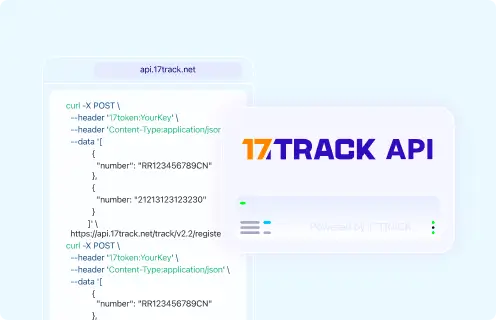
| Authentication | 17TRACK API key supplied in the 17token header. |
|---|
| Tracking/batch/webhook capability | Use the capabilities and limits documented for the active 17TRACK API plan. |
|---|
| Current developer documentation | 17TRACK API documentation |
|---|
| Migration/deprecation note | Use the currently documented API version rather than copying an older integration example. |
|---|
|
Method Tracking FAQ
1. How do I track my Method package?Enter the shipment identifier from the dispatch record through the sender-provided tracking link or on 17TRACK. Verify that Method is the named carrier before relying on an automatically detected result.
2. Where can I find my Method tracking number?Look in the shipping confirmation, merchant account, label, receipt, or shipment notice. If only an order number appears, ask the sender for the carrier tracking identifier.
3. What does a Method tracking number look like?Use the complete value specifically identified as the tracking or shipment number in your shipping record. Do not infer validity or service from a prefix alone, and do not substitute the merchant’s order ID.
4. When will my first Method tracking event appear?The first physical event appears after the parcel is collected, tendered, or processed by the responsible carrier. Electronic shipment information can appear earlier and does not prove physical acceptance.
5. Why is my Method tracking not updating?A scan gap can occur during line-haul movement, partner transfer, customs processing, or event synchronization. Check the latest physical location and ask the sender to investigate if the shipment exceeds its stated delivery window.
6. How long does Method delivery take?Use the delivery window attached to the actual shipment because timing depends on the purchased service, route, tender time, handoffs, and customs. Treat an estimated date as non-guaranteed unless the service contract expressly says otherwise.
7. What should I do after a failed Method delivery attempt?Read the detailed event and use any authorized redelivery or pickup option supplied by the named last-mile carrier. Act before the tracking record changes to return processing.
8. What should I do if Method says delivered but I cannot find the package?Check the delivery location, household members, reception, neighbors, safe places, and lockers first. Then request available delivery evidence from the last-mile carrier and notify the merchant that delivery is disputed.
9. How do I report a lost or damaged Method shipment?Contact the sender and follow the claim procedure in the applicable shipment terms. Preserve the parcel, contents, label, cushioning, photographs, shipping record, and value evidence.
10. How do I contact Method about a shipment?Use the current channel linked from the official Method website or the authenticated shipment message. Prepare the tracking number, ship date, service, addresses, latest event, contents, and supporting evidence.
11. Who is responsible when a Method status shows partner information but no acceptance scan?The upstream sender or carrier may still hold responsibility until the partner records physical receipt. Electronic pre-advice means data was sent; it does not establish that the partner has the parcel.
12. Can a Method shipment have more than one tracking number?Yes, a shipment can have an original identifier plus a partner, broker, or last-mile reference. Retain both numbers and use the one associated with the organization currently shown as having custody.
13. Does arrival in the destination country mean a Method shipment cleared customs?No, arrival and customs release are separate events. Clearance may still require assessment, documents, tax payment, inspection, or importer action.
14. Who can change the address on a Method shipment?Only an eligible sender or recipient can request a change when the operating carrier and service permit it. A request may be refused for security, timing, contractual, or operational reasons.
15. Can businesses track Method shipments through an API?Businesses should use current integration documentation supplied through an authorized Method account or a supported multi-carrier API such as 17TRACK. Do not deploy an endpoint or carrier code that is absent from current documentation.
16. Is a Method estimated delivery date a guarantee?An estimated date is not a guarantee by itself. A guaranteed commitment must be stated in the purchased service’s applicable terms and may include eligibility conditions or exclusions.
17. Who handles a Method claim when a partner performs final delivery?The governing shipping contract determines who accepts the claim, while the partner may supply delivery or damage evidence. The sender should identify the contractual claim route instead of assuming the last-mile carrier issues compensation.
Tracking API
Use only current, authenticated documentation. A public Method endpoint and a verified 17TRACK carrier code are not supplied here; the 17TRACK example therefore preserves the documented carrier placeholder rather than guessing it.
# 1. Method official tracking API
# Current public official tracking API not confirmed.
# Obtain current endpoint, method, credentials, headers, and request schema
# through an authorized Method account before implementation.

# 2. 17TRACK API
curl --request POST \
  --url https://api.17track.net/track/v2.4/register \
  --header '17token: YourKey' \
  --header 'Content-Type: application/json' \
  --data '[
    {
      "number": "TRACKING_NUMBER",
      "carrier": "CARRIER_CODE"
    }
  ]'

# Keep CARRIER_CODE as a placeholder until the current code is verified
# in 17TRACK documentation or account tools.
Sources & References
17TRACK is an independent tracking platform and is not affiliated with Method.