About Maritime
Maritime is a Canadian commercial freight carrier providing less-than-truckload, truckload, intermodal, transload and cross-border transportation. Its network serves major points across Canada and connects Canadian freight with United States transportation networks through strategic alliances. Maritime was incorporated in Dartmouth, Nova Scotia, in 1962.
Carrier Overview
| Field | Verified information |
|---|
| Official display name | Maritime |
| Official website | https://www.m-o.com/ |
| Carrier type | Commercial freight carrier offering road, rail-intermodal, transload and cross-border services |
| Primary region | Canada, with cross-border freight service involving the United States |
| Tracking page | Maritime shipment tracking |
| Founded | Incorporated in 1962 |
| Place of incorporation | Dartmouth, Nova Scotia, Canada |
Carrier Entity Relationships
| Entity | Relationship |
|---|
| Maritime | Canonical carrier |
View all details for Maritime
| Entity type | Canadian commercial freight carrier |
|---|
| Why it matters to tracking | Maritime operates the official tool that accepts a bill number or trace number and returns shipment status. |
|---|
| Official evidence | Maritime company history |
|---|
|
| Intermodal, road and transload services | Services operated or arranged by Maritime |
View service relationship details
| Entity type | Freight transportation services |
|---|
| Why it matters to tracking | The route may include a truck terminal, a rail movement or a transload operation, so a gap between facility events does not by itself prove the freight is stationary. |
|---|
| Official evidence | Maritime intermodal service |
|---|
|
| Rail and cross-border partners | Network partners may physically handle freight during part of a Maritime movement. |
View partner relationship details
| Entity type | Line-haul or connecting transportation providers |
|---|
| Why it matters to tracking | A partner movement, electronic shipment record and physical handoff are separate events. Maritime tracking remains the primary customer-facing reference unless the shipper supplies another identifier. |
|---|
| Official evidence | Maritime cross-border service |
|---|
|
| 17TRACK | Independent multi-carrier tracking platform |
View 17TRACK relationship details
| Entity type | Tracking data platform |
|---|
| Why it matters to tracking | 17TRACK can display available carrier events but does not transport freight, perform customs clearance, change delivery instructions or approve claims. |
|---|
| Official evidence | 17TRACK API documentation |
|---|
|
Quick Answer
Enter the bill number or trace number from the freight documents on the official Maritime tracking page. You can also submit the carrier-issued identifier to 17TRACK when Maritime support is available. If no result appears, first remove spaces introduced by copying, verify every character against the bill of lading or shipping confirmation, and ask the shipper whether the freight has been tendered.
Pro Tip: A customer reference, purchase order or marketplace order number is not automatically a Maritime bill number or trace number. Use the identifier specifically assigned to the freight movement.
17TRACK is an independent tracking platform. Address corrections, delivery appointments, freight investigations, refunds and claims must be handled by Maritime, the shipper or the party that purchased the transportation service.
How to Track Maritime Packages
Maritime tracks commercial freight by bill number or trace number. These identifiers normally appear on the bill of lading, freight invoice, pickup confirmation, shipping notice or records supplied by the shipper.
- Open the official Maritime tracking page.
- Copy the bill number or trace number exactly as shown on the freight record.
- Submit the identifier and review the latest event, location and shipment status.
- Compare the event time with weekends, holidays, service advisories and any planned rail or partner handoff.
- If using 17TRACK, select Maritime only when carrier detection does not identify the shipment correctly.
Which Identifier Should You Use?
| Identifier | How to use it |
|---|
| Bill number | Use in the official Maritime tracking form. |
| Trace number | Use in the same official tracking field when supplied for the shipment. |
| Purchase order or customer reference | Use for communication with the shipper; it may not work as a carrier tracking identifier. |
| Order number | Use with the seller or merchant to obtain the carrier-issued bill or trace number. |
Tracking Statuses and Meanings
Maritime events should be read in sequence. A record created electronically does not prove physical pickup, and a partner or rail movement can create a visibility gap before the next Maritime facility or delivery event.
Status Quick Lookup
| Status | What it means |
|---|
| Shipment record created | Shipment information exists, but physical possession should be confirmed by a pickup or terminal event. |
View record-created status details| Lifecycle stage | Pre-shipment |
|---|
| Current responsible party | The shipper remains responsible until tender or pickup is confirmed. |
|---|
| What happens next | Pickup, acceptance or terminal processing. |
|---|
| What you should do | Ask the shipper whether the freight was physically tendered if no acceptance event follows. |
|---|
|
| Picked up or accepted | Maritime or an authorized network participant has taken custody of the freight. |
View accepted status details| Lifecycle stage | Accepted |
|---|
| Current responsible party | Maritime or the identified handling partner. |
|---|
| What happens next | Origin-terminal processing and line-haul planning. |
|---|
| What you should do | Monitor the next terminal or departure event. |
|---|
|
| In transit | The freight is moving between terminals by road, rail or a connected network. |
View in-transit status details| Lifecycle stage | Line haul |
|---|
| Current responsible party | Maritime or the transportation partner holding the freight. |
|---|
| What happens next | Arrival at another terminal, transload location or destination facility. |
|---|
| What you should do | Check service advisories before escalating a scan gap. |
|---|
|
| Out for delivery | The freight has entered the local delivery stage. |
View out-for-delivery status details| Lifecycle stage | Final delivery |
|---|
| Current responsible party | The local pickup-and-delivery operation or designated delivery partner. |
|---|
| What happens next | Delivery attempt, appointment handling or delivery confirmation. |
|---|
| What you should do | Ensure the receiving location can accept the freight and has any required unloading arrangements. |
|---|
|
| Delivered | A delivery event has been recorded for the shipment. |
View delivered status details| Lifecycle stage | Completed |
|---|
| Current responsible party | The consignee should verify receipt; Maritime can review the delivery record when needed. |
|---|
| What happens next | Receipt reconciliation and any delivery-document review. |
|---|
| What you should do | Check the receiving dock, warehouse, security desk and authorized receivers before reporting non-receipt. |
|---|
|
| Exception or delay | Weather, rail disruption, facility access, address, appointment or operational conditions have affected movement. |
View exception status details| Lifecycle stage | Exception |
|---|
| Current responsible party | The party controlling the affected stage, which may be Maritime, a partner, a facility or a government authority. |
|---|
| What happens next | Movement resumes after the blocking condition is cleared or new instructions are provided. |
|---|
| What you should do | Review the latest event and service updates, then have the shipper contact Maritime when action or corrected information is required. |
|---|
|
Services and Delivery Times
Maritime delivery planning is lane- and service-specific. Use the official transit-times resource or a shipment quote rather than treating a general estimate as a delivery guarantee.
Service Comparison
| Service | Best for |
|---|
| Over-the-road freight | Commercial freight moving through a road-terminal network. |
View road freight details| Service type | Road freight |
|---|
| Coverage | Canadian network lanes |
|---|
| Tracking level | Bill-number or trace-number shipment status |
|---|
| Key size/weight condition | Freight characteristics must be supplied for rating and handling. |
|---|
| Included protection/extra service | Shipment-specific conditions apply. |
|---|
| Main limitation | Transit depends on origin, destination, tender timing and operating conditions. |
|---|
|
| Intermodal freight | LTL or truckload dry, fresh, frozen or seasonally freeze-protected freight across Canada. |
View intermodal details| Service type | Combined road and rail transportation |
|---|
| Coverage | Major points across Canada |
|---|
| Tracking level | Web-based shipment tracking |
|---|
| Key size/weight condition | Available for qualifying LTL or truckload freight. |
|---|
| Included protection/extra service | Protect-from-freeze handling is offered seasonally from October 15 through April 15. |
|---|
| Main limitation | Rail disruptions can delay line-haul movement even while local pickup and delivery continue. |
|---|
|
| Cross-border freight | Commercial freight moving between Canada and the United States. |
View cross-border details| Service type | Partner-connected cross-border freight |
|---|
| Coverage | Canada and United States lanes |
|---|
| Tracking level | Shipment status linked to the Maritime freight record |
|---|
| Key size/weight condition | Shipment details and customs documentation affect acceptance and routing. |
|---|
| Included protection/extra service | Shipment-specific service conditions apply. |
|---|
| Main limitation | Border clearance and partner handoffs can add time and scanning gaps. |
|---|
|
| Transload | Freight requiring transfer between transport equipment or modes. |
View transload details| Service type | Freight transfer and onward transportation |
|---|
| Coverage | Shipment-specific Canadian network locations |
|---|
| Tracking level | Milestone-based shipment visibility |
|---|
| Key size/weight condition | Equipment and handling suitability must be established before tender. |
|---|
| Included protection/extra service | Handling depends on the freight and contracted service. |
|---|
| Main limitation | Transfer operations can create time between arrival and the next departure event. |
|---|
|
Delivery Time
| Service | Published delivery standard |
|---|
| Canadian road freight | Determine by origin and destination through Maritime transit-time resources. |
View road freight timing details| Business or calendar days | Freight schedules are normally planned around operating days and terminal schedules. |
|---|
| Guarantee status | A transit estimate should not be treated as a guaranteed delivery commitment. |
|---|
| Starts counting from | Physical tender and acceptance under the booked service. |
|---|
| Main delay factors | Cutoff time, distance, terminal processing, weather, holidays, capacity, address quality and appointment requirements. |
|---|
| Official source date/validity | Use the current Maritime transit-times tool and service advisories for the booked lane. |
|---|
|
| Intermodal freight | Lane-specific transit planning applies. |
View intermodal timing details| Business or calendar days | Operating schedules depend on terminal and rail movement days. |
|---|
| Guarantee status | Tracking estimates can change when rail operations are disrupted. |
|---|
| Starts counting from | Accepted freight and the applicable departure schedule. |
|---|
| Main delay factors | Rail access, wildfire, weather, terminal congestion, equipment availability and connecting schedules. |
|---|
| Official source date/validity | Confirm against current Maritime transit times and service updates. |
|---|
|
| Cross-border freight | Quote- and lane-specific transit applies between Canada and the United States. |
View cross-border timing details| Business or calendar days | Operating-day schedules depend on the selected lane and border process. |
|---|
| Guarantee status | Customs processing time is outside a carrier delivery estimate. |
|---|
| Starts counting from | Accepted freight with complete shipping and customs documentation. |
|---|
| Main delay factors | Documentation, customs review, inspection, partner transfer, holidays and consignee availability. |
|---|
| Official source date/validity | Use the current quote and shipment-specific Maritime information. |
|---|
|
Destination Country Delivery Times
| Destination Country / Region | Primary Service Type |
|---|
| Atlantic Canada | Road, intermodal and LTL freight |
View Atlantic Canada timing details| Estimated Delivery Time Range | Use the origin-to-destination result from Maritime transit-time resources. |
|---|
| Average Delivery Days | Calculate from the booked lane and accepted pickup date rather than a national average. |
|---|
| Last-Mile Partner / Handoff Carrier | Maritime local pickup-and-delivery operations or a shipment-specific network participant. |
|---|
| Customs & Clearance Tips | Domestic Canadian freight does not cross an international customs border; ferry, weather and terminal conditions may affect Atlantic lanes. |
|---|
|
| Central Canada | Road, intermodal, LTL and truckload freight |
View Central Canada timing details| Estimated Delivery Time Range | Use the current lane result for the exact origin and destination terminals. |
|---|
| Average Delivery Days | Shipment-specific transit is more reliable than a regional average. |
|---|
| Last-Mile Partner / Handoff Carrier | Maritime terminal and local delivery operations, subject to the booked lane. |
|---|
| Customs & Clearance Tips | No international clearance applies to domestic freight, but terminal cutoff and consignee appointments affect delivery timing. |
|---|
|
| Western Canada | Intermodal, road, LTL and truckload freight |
View Western Canada timing details| Estimated Delivery Time Range | Confirm the current intermodal or road schedule for the booked lane. |
|---|
| Average Delivery Days | Base planning on the shipment quote and current operating conditions. |
|---|
| Last-Mile Partner / Handoff Carrier | Maritime local delivery operations or an identified connecting provider. |
|---|
| Customs & Clearance Tips | Domestic customs clearance does not apply; rail interruptions can affect long-distance intermodal movement. |
|---|
|
| Northern Ontario and Northern Quebec | Specialized road and bulk freight |
View northern-region timing details| Estimated Delivery Time Range | Confirm directly for the facility, mine site and equipment requirement. |
|---|
| Average Delivery Days | Site-specific scheduling and access conditions determine transit. |
|---|
| Last-Mile Partner / Handoff Carrier | Maritime specialized operations for qualifying movements. |
|---|
| Customs & Clearance Tips | Remote access, severe weather and regulated-product handling can affect arrival timing. |
|---|
|
| United States | Cross-border commercial freight |
View United States timing details| Estimated Delivery Time Range | Obtain a lane-specific estimate using the actual Canadian origin and United States destination. |
|---|
| Average Delivery Days | Use the booked transit plan plus any customs or partner delay. |
|---|
| Last-Mile Partner / Handoff Carrier | A United States network partner may complete the connecting or final segment. |
|---|
| Customs & Clearance Tips | Ensure the commercial invoice, commodity description, value, origin and broker information are complete before border arrival. |
|---|
|
Transit windows depend on the booked lane, freight type, physical tender time, operating calendar and current service conditions. Estimated dates are planning information, not proof of a guaranteed delivery commitment.
Common Tracking Problems and Solutions
Start with the identifier, physical tender status and most recent facility event. Freight tracking gaps often require the shipper to confirm pickup, documentation or delivery arrangements before Maritime can investigate.
Problem & Solution
| Problem/status shown | Likely cause |
|---|
| Invalid number or no result | Wrong identifier, transcription error or shipment record not yet active. |
View invalid-number solution| Check first | Compare the entry with the bill of lading or shipping notice. |
|---|
| Immediate action | Remove accidental spaces and verify that it is a bill number or trace number. |
|---|
| When to escalate | Escalate after the shipper confirms physical tender and the same identifier still returns no record. |
|---|
| Who to contact | The shipper first, then Maritime with the freight documents. |
|---|
|
| Record created but no movement | Electronic information may exist before physical pickup or acceptance. |
View no-movement solution| Check first | Confirm the scheduled pickup date and whether freight was released. |
|---|
| Immediate action | Ask the shipper for the pickup confirmation. |
|---|
| When to escalate | Escalate when the confirmed pickup is not reflected in the tracking record. |
|---|
| Who to contact | The party that booked the pickup or Maritime customer service. |
|---|
|
| Long in-transit gap | Road, rail, partner transfer or terminal processing may occur between public events. |
View in-transit-gap solution| Check first | Review the route, expected terminal sequence and current service advisories. |
|---|
| Immediate action | Compare the latest scan with the booked transit plan. |
|---|
| When to escalate | Escalate when the expected delivery plan has been missed or a known disruption has cleared without a new event. |
|---|
| Who to contact | The shipper or Maritime with the bill or trace number. |
|---|
|
| Delivery exception or failed delivery | Closed facility, appointment issue, address problem, access restriction or unavailable receiver. |
View delivery-exception solution| Check first | Verify receiving hours, address, dock access and appointment information. |
|---|
| Immediate action | Have the authorized shipping party provide corrected instructions. |
|---|
| When to escalate | Escalate promptly when storage, redelivery or appointment charges may accrue. |
|---|
| Who to contact | Maritime and the shipper or logistics provider that booked the freight. |
|---|
|
| Customs or border delay | Incomplete documents, broker processing, inspection or government review. |
View customs-delay solution| Check first | Verify the commercial invoice, commodity description, value, origin and broker details. |
|---|
| Immediate action | The importer, exporter or broker should supply requested information. |
|---|
| When to escalate | Escalate when the responsible authority or broker requests documents or the shipment has missed its planned onward connection. |
|---|
| Who to contact | The customs broker and Maritime shipment contact. |
|---|
|
| Delivered but not received | Receiving-dock mismatch, internal handoff, alternate authorized receiver or delivery-record discrepancy. |
View delivered-not-received solution| Check first | Check the dock, warehouse, security desk, receiving log and all authorized receivers. |
|---|
| Immediate action | Request the delivery record and compare the delivery location, date and receiving details. |
|---|
| When to escalate | Escalate as soon as internal receiving checks fail. |
|---|
| Who to contact | Maritime and the shipper that purchased transportation. |
|---|
|
| Lost, short or damaged freight | Handling damage, missing pieces, misrouting or concealed damage discovered after delivery. |
View freight-loss or damage solution| Check first | Compare piece count and condition with the bill of lading and delivery record. |
|---|
| Immediate action | Document visible exceptions, retain packaging and take photographs. |
|---|
| When to escalate | Notify the shipper and Maritime promptly so contractual claim requirements can be checked. |
|---|
| Who to contact | The transportation purchaser and Maritime claims or customer-service contact. |
|---|
|
International Shipping, Customs and Carrier Handoffs
Maritime cross-border service connects Canada and the United States. Customs release, physical handoff and the first partner scan are distinct milestones; arrival near the border does not mean customs has released the freight.
International Flow
| Stage | What is happening |
|---|
| Booking and electronic record | Shipment, routing and customs data are prepared before physical transport. |
View booking-stage details| Physical custodian/responsible entity | The shipper retains the freight until pickup. |
|---|
| Typical tracking event | Shipment record created. |
|---|
| Can the tracking number change? | A partner may create an internal reference, while the Maritime bill or trace number remains the customer reference. |
|---|
| Normal visibility gap | Time between record creation and physical pickup. |
|---|
| What the customer should do | Confirm tender and document completeness. |
|---|
|
| Origin pickup and terminal processing | Freight is collected, checked and assigned to an outbound movement. |
View origin-stage details| Physical custodian/responsible entity | Maritime origin operations. |
|---|
| Typical tracking event | Picked up, accepted or processed at origin. |
|---|
| Can the tracking number change? | The primary Maritime reference normally remains usable. |
|---|
| Normal visibility gap | Between origin processing and departure. |
|---|
| What the customer should do | Monitor for acceptance and departure events. |
|---|
|
| Border and customs processing | Customs data is reviewed and freight may be held for documents or inspection. |
View customs-stage details| Physical custodian/responsible entity | The carrier may hold the freight while customs authorities and the broker control clearance decisions. |
|---|
| Typical tracking event | Border processing, customs hold or clearance-related exception. |
|---|
| Can the tracking number change? | Broker and government records may use separate entry references. |
|---|
| Normal visibility gap | Clearance activity may not produce frequent public tracking events. |
|---|
| What the customer should do | The importer, exporter or broker should respond to document requests. |
|---|
|
| Partner handoff | Freight and shipment data transfer to the connecting network for onward movement. |
View partner-handoff details| Physical custodian/responsible entity | Responsibility transfers only when the partner physically receives the freight, not merely when electronic data is sent. |
|---|
| Typical tracking event | Transferred, departed or received by connecting terminal. |
|---|
| Can the tracking number change? | A partner reference may coexist with the Maritime bill or trace number. |
|---|
| Normal visibility gap | Between electronic pre-advice, physical transfer and the partner’s first receiving scan. |
|---|
| What the customer should do | Continue using the Maritime reference unless another number is specifically supplied. |
|---|
|
| Destination delivery | The destination network schedules or performs final delivery. |
View destination-stage details| Physical custodian/responsible entity | Maritime local operations or the connecting delivery provider. |
|---|
| Typical tracking event | At destination, out for delivery, attempted or delivered. |
|---|
| Can the tracking number change? | A local reference may appear, but the original freight record remains important for support. |
|---|
| Normal visibility gap | Between destination arrival, appointment scheduling and delivery. |
|---|
| What the customer should do | Ensure the consignee, dock and unloading arrangements are ready. |
|---|
|
Delivery Management and Post-shipment Options
Commercial freight changes should be requested through the party that booked the shipment. Feasibility depends on the shipment stage, contractual authority, equipment, customs status and destination-terminal operations.
Delivery Management
| Option | Who can request |
|---|
| Address or delivery-instruction review | The shipper, paying party or authorized logistics representative. |
View instruction-change details| Eligibility | Subject to authority verification and shipment status. |
|---|
| Deadline/available stage | Request before final delivery whenever possible. |
|---|
| Fee | Additional handling, redelivery, storage or rerouting charges may depend on the shipment. |
|---|
| Guaranteed? | No; an instruction change depends on operational feasibility. |
|---|
| Official action link | Contact Maritime |
|---|
|
| Delivery appointment coordination | The authorized shipper, consignee or logistics contact. |
View appointment details| Eligibility | Depends on the booked service and destination requirements. |
|---|
| Deadline/available stage | Coordinate before the local delivery attempt. |
|---|
| Fee | Shipment-specific charges may apply. |
|---|
| Guaranteed? | Appointment timing depends on terminal capacity and consignee availability. |
|---|
| Official action link | Contact Maritime |
|---|
|
Lost, Damaged, Claims, Insurance and Refunds
A tracking inquiry, freight investigation, cargo claim and merchant refund are separate processes. Preserve the freight, packaging, photographs, bill of lading, delivery record, invoice and value evidence while the authorized shipping party confirms the contractual claim procedure.
Claims and Refunds
| Process | Use when |
|---|
| Tracking inquiry | The latest event is unclear, delayed or inconsistent with the planned route. |
View tracking-inquiry details| Who files | Shipper, consignee or authorized logistics contact. |
|---|
| Earliest/latest filing time | Start when the shipment misses the expected operational milestone; follow the applicable contract for formal deadlines. |
|---|
| Required evidence | Bill or trace number, pickup date, route, latest event and contact information. |
|---|
| Possible outcome | Status clarification, operational follow-up or request for additional information. |
|---|
| Official link | Maritime contact page |
|---|
|
| Loss, shortage or damage claim | Freight is missing, short, visibly damaged or has concealed damage supported by evidence. |
View cargo-claim details| Who files | The party with contractual or ownership authority, often coordinated through the shipper. |
|---|
| Earliest/latest filing time | Notify promptly and confirm the governing bill-of-lading, tariff and contract requirements before filing. |
|---|
| Required evidence | Bill of lading, delivery record, invoice, value proof, photographs, packaging and repair or replacement information. |
|---|
| Possible outcome | Investigation, request for evidence, settlement or denial under the governing terms. |
|---|
| Official link | Contact Maritime |
|---|
|
| Seller or purchasing-party refund | The buyer seeks reimbursement for an order rather than a carrier cargo claim. |
View merchant-refund details| Who files | The buyer contacts the seller; the seller handles any separate carrier recovery. |
|---|
| Earliest/latest filing time | Follow the purchase agreement and seller policy. |
|---|
| Required evidence | Order record, payment evidence, tracking events and delivery discrepancy documentation. |
|---|
| Possible outcome | Replacement, refund, denial or further investigation under the sales agreement. |
|---|
| Official link | Use the seller’s order-support channel and provide the Maritime tracking record. |
|---|
|
17TRACK cannot approve a cargo claim, merchant refund, insurance payment or change to the freight movement.
Shipping Restrictions and Special Handling
Freight acceptance depends on the commodity, packaging, equipment, route and applicable transportation rules. Maritime specifically describes dry, fresh, frozen, freeze-protected and specialized bulk movements, but shippers should obtain shipment-specific acceptance before tendering regulated or temperature-sensitive goods.
Shipping Restrictions
| Category | Prohibited or restricted |
|---|
| Fresh, frozen and freeze-sensitive freight | Restricted to suitable service, equipment and seasonal conditions. |
View temperature-sensitive freight details| Typical examples | Fresh products, frozen products and commodities requiring freeze protection. |
|---|
| Key condition/packaging | Packaging and temperature requirements must match the booked service. |
|---|
| Transport limitation | Protect-from-freeze service is offered seasonally from October 15 through April 15. |
|---|
| Possible tracking/delivery impact | Temperature controls, equipment availability and weather can affect routing and timing. |
|---|
| Official rules | Maritime intermodal service information |
|---|
|
| Specialized bulk commodities | Restricted to qualified equipment, routes and safety procedures. |
View specialized bulk details| Typical examples | Sulphur dioxide, sodium bisulfate, dry cement and bulk aggregate. |
|---|
| Key condition/packaging | Specialized equipment and prearranged industrial handling apply. |
|---|
| Transport limitation | Service is designed for specific mining-region movements. |
|---|
| Possible tracking/delivery impact | Site access, safety controls and specialized scheduling affect milestones. |
|---|
| Official rules | Maritime bulk services |
|---|
|
| Cross-border commodities | Restricted by customs, transport and commodity-specific rules. |
View cross-border restriction details| Typical examples | Commercial goods requiring invoices, origin data, valuation and broker processing. |
|---|
| Key condition/packaging | Accurate classification, documentation and transport-safe packaging are required. |
|---|
| Transport limitation | Government and carrier acceptance rules apply at the border. |
|---|
| Possible tracking/delivery impact | Document correction, inspection or clearance review can pause onward movement. |
|---|
| Official rules | Maritime cross-border services |
|---|
|
Customer Service
Use self-service tracking first, then provide the bill or trace number, shipper and consignee details, pickup date, route, latest event and a concise description of the issue when contacting Maritime.
Customer Service
| Channel | Verified contact/link |
|---|
| Shipment tracking | Official Maritime tracking page |
View tracking-channel details| Best for | Checking status with a bill number or trace number. |
|---|
| Region/language | Canada and cross-border freight; the official site offers English and French navigation. |
|---|
| Hours and time zone | Web self-service. |
|---|
| Information to prepare | Bill number or trace number. |
|---|
| Important limitation | The tracking tool cannot authorize an address change, claim or refund. |
|---|
|
| Contact page | Contact Maritime |
View contact-channel details| Best for | Shipment assistance, rates, service questions and routing to the appropriate team. |
|---|
| Region/language | Canadian and cross-border customers; English and French site options. |
|---|
| Hours and time zone | Use the current contact page for the relevant office or terminal. |
|---|
| Information to prepare | Bill or trace number, pickup date, origin, destination, shipper, consignee and latest status. |
|---|
| Important limitation | Only an authorized party may be able to change contractual shipment instructions. |
|---|
|
| Service updates | Maritime service updates |
View service-update details| Best for | Checking weather, wildfire, rail or terminal disruption notices. |
|---|
| Region/language | Affected Canadian regions and lanes. |
|---|
| Hours and time zone | Review before contacting support about a known network disruption. |
|---|
| Information to prepare | Route and most recent terminal event. |
|---|
| Important limitation | A network notice may not provide a shipment-specific recovery estimate. |
|---|
|
For efficient escalation, prepare the freight identifier, service type, tender date, full origin and destination, piece count, commodity description, latest event, delivery appointment details, value evidence and photographs when loss or damage is involved.
Ecommerce and Business Tracking
Businesses can use Maritime web tracking for individual freight records and 17TRACK for multi-carrier visibility where the carrier is supported. Keep order IDs, purchase orders and carrier-issued bill or trace numbers in separate data fields so exceptions can be matched correctly.
Developer/API Comparison
| Option | Provider |
|---|
| Official web tracking | Maritime |
View official tracking details| Carrier coverage | Maritime freight records |
|---|
| Primary use | Individual shipment lookup by bill number or trace number |
|---|
| Authentication | The public quick-track form accepts a shipment identifier. |
|---|
| Tracking/batch/webhook capability | Web tracking is confirmed; implementation-specific batch and webhook capabilities require direct commercial confirmation. |
|---|
| Current developer documentation | Maritime shipment tracking |
|---|
| Migration/deprecation note | Use current Maritime documentation or account guidance before building an integration. |
|---|
|
| Multi-carrier Tracking API | 17TRACK |
View 17TRACK API details| Carrier coverage | Multi-carrier tracking through supported carrier connections |
|---|
| Primary use | Centralized registration, normalized shipment events and multi-carrier monitoring |
|---|
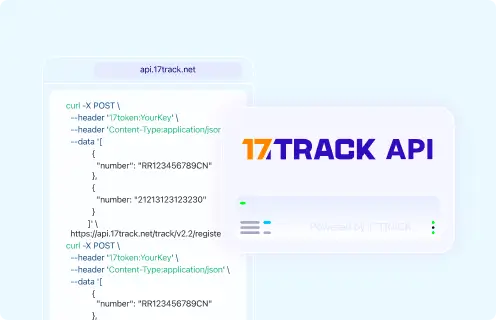
| Authentication | API token sent in the 17token header |
|---|
| Tracking/batch/webhook capability | Use current 17TRACK API documentation for registration, retrieval and notification workflows. |
|---|
| Current developer documentation | 17TRACK API documentation |
|---|
| Migration/deprecation note | Build against the documented current API version and monitor version notices. |
|---|
|
FAQ
1. How do I track my Maritime package?Enter the bill number or trace number on the official Maritime tracking page. You can also try 17TRACK for centralized tracking when Maritime is supported.
2. Where can I find my Maritime tracking number?Look for a bill number or trace number on the bill of lading, freight invoice, pickup record or shipper’s dispatch message. If you only have an order number, ask the shipper for the carrier-issued identifier.
3. What does a Maritime tracking number look like?Maritime identifies the accepted inputs as a bill number or trace number rather than publishing a universal public prefix rule. Enter the complete identifier exactly as shown on the freight document.
4. When will the first Maritime tracking event appear?The first meaningful movement event normally follows physical pickup or acceptance. An electronic freight record can exist before Maritime or a network participant receives the shipment.
5. Why is my Maritime tracking not updating?A road, rail, transload or partner segment may occur between public events. Check the route and current service advisories, then ask the shipper to escalate if the booked delivery plan has been missed.
6. How long does Maritime delivery take?Delivery time is specific to the origin, destination, service and tender schedule. Use the current Maritime transit-time resource or shipment quote and do not treat an estimate as a guaranteed delivery date.
7. What should I do after a failed Maritime delivery?Verify the delivery address, receiving hours, appointment and dock access first. The shipper or authorized logistics contact should then provide corrected instructions to Maritime.
8. What should I do if Maritime says delivered but I cannot find the freight?Check the receiving dock, warehouse, security desk, internal receiving log and authorized receivers. If those checks fail, request the delivery record and contact Maritime and the shipper promptly.
9. How do I report lost or damaged Maritime freight?Notify the shipper and Maritime promptly, preserve all packaging and take photographs. Keep the bill of lading, delivery record, invoice and value evidence for the applicable investigation or claim process.
10. How do I contact Maritime about a shipment?Use the official Maritime contact page after checking web tracking and service updates. Prepare the bill or trace number, pickup date, route, latest event and shipper and consignee details.
11. Does Maritime tracking prove the carrier physically received my freight?Only a pickup, acceptance or comparable physical event supports that conclusion. A created shipment record can represent electronic data supplied before tender.
12. Why can Maritime intermodal tracking have gaps?Intermodal freight can move by truck and rail between terminal milestones. Rail access restrictions, weather and transfer processing can delay the next visible event without producing continuous scans.
13. How does Maritime handle a Canada–United States handoff?Maritime connects its Canadian network with a United States partner network for cross-border freight. Electronic pre-advice can occur before physical transfer, and responsibility changes when the connecting provider actually receives the freight.
14. Can customs clearance be inferred from a Maritime border-arrival event?No. Border arrival, customs review and customs release are separate stages. The importer, exporter or broker must resolve documentation or inspection requests before onward movement can continue.
15. Can businesses track Maritime shipments through an API?Businesses can use Maritime web tracking and may use the 17TRACK multi-carrier API where Maritime is supported. Confirm current official integration documentation directly before implementing a carrier-specific connection.
16. Can a Maritime service be identified from the tracking-number prefix alone?No reliable public prefix-to-service rule is established by the official tracking page. Validate the identifier through tracking and use the freight documents to determine the actual service.
17. Does 17TRACK control Maritime delivery or claims?No. 17TRACK displays available tracking information but does not transport the freight, change addresses, schedule delivery, clear customs, approve claims or issue refunds.
Tracking API
Use the current 17TRACK API documentation for authentication and response handling. The Maritime carrier code should be taken from the current 17TRACK carrier directory; the example retains a placeholder rather than guessing.
# 1. Maritime official tracking API
# Current public official tracking API endpoint and authentication
# are not established by the cited public pages.
# Use official web tracking:
# https://www.m-o.com/quick-track-form/

# 2. 17TRACK multi-carrier API
curl --request POST \
  --url https://api.17track.net/track/v2.4/register \
  --header '17token: YourKey' \
  --header 'Content-Type: application/json' \
  --data '[
    {
      "number": "TRACKING_NUMBER",
      "carrier": "CARRIER_CODE"
    }
  ]'
Sources & References
17TRACK is an independent tracking platform and is not affiliated with Maritime.