LDGJ

LDGJ Tracking

Please enter the LDGJ tracking number to check the latest shipping status.

TRACK

About LDGJ

LDGJ is treated on this page as a logistics carrier and cross-border parcel tracking entity with an official website at http://www.lingdong56.com. Publicly confirmable details are limited, so this guide separates verified tracking actions from operational assumptions and avoids treating marketplace order numbers, partner references, or last-mile numbers as LDGJ-issued identifiers unless the tracking result confirms the relationship.

LDGJ Overview

FieldVerified information
Official nameLDGJ
Official websitehttp://www.lingdong56.com
Carrier typeCross-border logistics provider or freight-forwarding carrier; specific legal and network details are not publicly confirmed in English.
Primary regionChina-origin ecommerce and international parcel logistics are the most likely tracking context; exact coverage should be confirmed on the current LDGJ website or with the seller.
Tracking pageUse the LDGJ official website if a tracking form is available, or use 17TRACK carrier auto-detection for multi-carrier visibility.
Founded2018
HeadquartersShenZhen

Carrier Entity Relationships

EntityEntity type
LDGJCanonical carrier
View all details for LDGJ
Relationship to LDGJLDGJ is the carrier entity users should select when a seller or 17TRACK identifies a shipment as LDGJ.
Why it matters to trackingSelecting the correct carrier avoids confusing a merchant order reference with a transport tracking number.
Official evidenceLDGJ official website.
Cross-border parcel servicesOperated services
View all details for cross-border parcel services
Relationship to LDGJLDGJ may transport, consolidate, or manage China-origin ecommerce parcels before international handoff.
Why it matters to trackingTracking may show early warehouse and line-haul events before a destination carrier receives the parcel.
Official evidenceLDGJ official website and carrier recognition in multi-carrier tracking platforms.
Tracking number and partner referenceTracking products
View all details for tracking identifiers
Relationship to LDGJA number may be issued by LDGJ, by a seller system, or by a postal or last-mile partner that later receives the parcel.
Why it matters to trackingA number that LDGJ can display is not automatically proof that LDGJ issued the number.
Official evidenceLDGJ official tracking context and 17TRACK carrier aggregation model.
Origin warehouse, export gateway, destination carrierNetwork entities
View all details for network entities
Relationship to LDGJLDGJ shipment visibility can involve origin processing, export dispatch, customs, airline or line-haul movement, and destination handoff.
Why it matters to trackingResponsibility changes at physical handoff; electronic data alone does not mean the next carrier has the parcel.
Official evidenceGeneral cross-border parcel tracking lifecycle and 17TRACK multi-carrier event aggregation.
Destination postal or courier carrierInternational or last-mile partners
View all details for destination partners
Relationship to LDGJA local delivery carrier may complete delivery after LDGJ or an upstream transport partner completes export and import handoff.
Why it matters to trackingAfter handoff, delivery attempts, pickup, proof of delivery, and local address corrections are normally handled by the local carrier.
Official evidenceDestination carrier tracking pages and 17TRACK event aggregation.
17TRACKIndependent tracking platform
View all details for 17TRACK
Relationship to LDGJ17TRACK aggregates available tracking events for LDGJ and related carriers when the tracking number can be recognized.
Why it matters to tracking17TRACK helps users compare events from multiple carriers but does not transport parcels or approve refunds.
Official evidence17TRACK tracking service and 17TRACK API documentation.

Quick Answer

To track an LDGJ package, enter the tracking number shown by the seller, shipping confirmation, label, or logistics message on the LDGJ official website if a tracking page is available, or track the same number with 17TRACK. 17TRACK is an independent multi-carrier tracking platform: it can show available LDGJ and handoff events, but it cannot change an address, release a customs hold, deliver a parcel, approve a claim, or refund an order.

QuestionFast answer
Where do I enter the number?Use the LDGJ official website or 17TRACK carrier auto-detection.
What number should I use?Use the transport tracking number, not the marketplace order number unless the seller states that the reference is trackable.
Why is there no result?The label may be newly created, the parcel may not have received its first physical scan, the carrier may be misidentified, or the number may be a seller reference.
Who can fix a shipment problem?LDGJ or its partner carrier handles transport events; the seller usually handles order refunds, reshipment, invoice documents, and claim support.

How to Track LDGJ Packages

Track LDGJ with the carrier route first, then use 17TRACK when the shipment involves multiple logistics parties or the destination carrier changes during handoff.

  1. Copy the tracking number exactly from the seller email, marketplace shipment page, shipping label, or logistics notice.
  2. Remove spaces at the beginning or end; keep letters and digits in the same order.
  3. Check the LDGJ official website for a tracking entry. If the page is unavailable or the parcel involves several carriers, enter the number on 17TRACK.
  4. If the result is empty, verify that you are not using an order number, invoice number, payment reference, or internal warehouse reference.
  5. If the first scan has not appeared, ask the seller whether the parcel has been physically handed to LDGJ or only electronically pre-advised.

Identifier Lookup Guide

IdentifierUse for tracking?What to do
Tracking numberYesEnter it on LDGJ or 17TRACK.
Order numberUsually noUse it with the seller to request the real tracking number.
Reference numberSometimesTry 17TRACK auto-detection; if no carrier is found, ask the seller.
Last-mile numberOften yes after handoffTrack with the destination carrier once import or delivery scans begin.

Tracking Number Formats and Examples

LDGJ has not publicly confirmed a single universal tracking-number rule set. Treat the examples below as normalized, masked identifier families commonly seen in cross-border logistics, and verify the carrier with the official LDGJ website or 17TRACK auto-detection.

Tracking Number Format

Identifier familyNormalized pattern
LDGJ carrier tracking numberAlphanumeric logistics reference such as LDGJ #### #### ## or letters plus digits
View all details for LDGJ carrier tracking number
Length/structureNot publicly confirmed; may contain letters and digits depending on the service and system used.
Issued byLDGJ or an LDGJ-integrated shipping system when the number belongs to an LDGJ route.
Typical service/useChina-origin ecommerce parcel, warehouse dispatch, or cross-border logistics tracking.
Who sees it and whereMarketplace buyers may see it in the seller shipment email or order page; merchants may see it in shipping software.
Tracking scopeBest visibility from electronic pre-advice through LDGJ processing and export-related events.
Important caveatDo not infer service type from prefix alone because public format rules are not confirmed.
Partner or warehouse referenceDigits or mixed letters/digits such as REF #### #### ####
View all details for partner or warehouse reference
Length/structureVaries by seller, warehouse management system, or shipping platform.
Issued byMerchant, fulfillment warehouse, or logistics platform; not necessarily issued by LDGJ.
Typical service/useOrder-to-parcel matching before the first transport scan.
Who sees it and whereBuyers may see it on marketplace pages before a carrier number is assigned.
Tracking scopeMay not be accepted by carrier tracking until linked to a transport number.
Important caveatA reference that looks like a tracking number can still be non-trackable outside the seller system.
UPU S10 postal numberXX ######### CN or XX ######### destination/origin country code
View all details for UPU S10 postal number
Length/structureTwo letters, nine digits including a check digit, and a two-letter country code.
Issued byUsually a postal operator or postal-product partner, not necessarily LDGJ.
Typical service/useRegistered mail, postal parcel, economy packet, or international postal handoff.
Who sees it and whereCross-border buyers may see it after the seller uses a postal route or after a number conversion.
Tracking scopeMay remain visible through origin post, transit, destination post, and delivery depending on product level.
Important caveatIf LDGJ displays an S10 number, LDGJ may be a logistics handler rather than the issuing postal operator.
Last-mile carrier numberLocal carrier pattern assigned after import handoff
View all details for last-mile carrier number
Length/structureDepends on the destination postal or courier carrier.
Issued byDestination carrier or last-mile partner.
Typical service/useLocal delivery, pickup notice, failed delivery handling, proof of delivery, or return routing.
Who sees it and whereRecipient may see it in destination carrier notifications, local tracking pages, or delivery notices.
Tracking scopeUsually strongest after import scan or first local depot scan.
Important caveatUse 17TRACK to discover linked numbers when the original LDGJ number stops updating after handoff.
Pro Tip: If one number stops updating after export, search the same number on 17TRACK and check whether a destination carrier or linked last-mile number appears. A tracking number can be trackable by LDGJ without being issued by LDGJ.

Tracking Statuses and Meanings

LDGJ tracking should be read as a lifecycle: electronic information, physical receipt, processing, export or line-haul, customs and handoff, local delivery, then delivered, pickup, exception, or return.

Status Quick Lookup

StatusLifecycle stage
Shipment information receivedPre-shipment
View all details for shipment information received
What it meansElectronic data exists, but physical handoff may not have happened.
Current responsible partySeller or warehouse until LDGJ physically receives the parcel.
What happens nextPickup, warehouse scan, or acceptance scan should appear.
What you should doWait for the first physical scan; ask the seller if it remains unchanged.
Accepted or received by carrierAccepted
View all details for accepted by carrier
What it meansLDGJ or an origin handling partner has physically scanned the parcel.
Current responsible partyLDGJ or the named origin handling partner.
What happens nextSorting, consolidation, or export processing.
What you should doMonitor for movement; no action is normally needed.
In transitIn transit
View all details for in transit
What it meansThe parcel is moving between facilities or transport legs.
Current responsible partyThe carrier or transport partner currently holding the shipment.
What happens nextArrival, departure, export, import, or local depot scan.
What you should doCheck for location and date; long gaps can occur during line-haul.
Customs clearance or import processingCustoms/Handover
View all details for customs clearance
What it meansThe parcel is being reviewed by customs or import systems; arrival does not equal release.
Current responsible partyCustoms authority, import broker, LDGJ partner, or destination carrier depending on the event.
What happens nextRelease, duty request, document request, inspection, or handoff to local delivery.
What you should doWatch for tax or document notices and respond through the official channel.
Out for deliveryOut for delivery
View all details for out for delivery
What it meansThe local carrier has loaded the parcel for a delivery attempt.
Current responsible partyDestination last-mile carrier.
What happens nextDelivery, failed delivery, pickup notice, or rescheduled attempt.
What you should doBe available, check entry instructions, and monitor local carrier updates.
DeliveredDelivered
View all details for delivered
What it meansThe last-mile carrier recorded delivery or handover to an authorized location.
Current responsible partyRecipient for checking location; destination carrier for proof of delivery; seller for order resolution.
What happens nextNo further transport event is expected unless a correction or return is posted.
What you should doCheck mailbox, parcel locker, front desk, family members, neighbors, delivery photo, and local carrier proof.
Available for pickupPickup
View all details for available for pickup
What it meansThe parcel is being held at a post office, pickup point, depot, or locker.
Current responsible partyDestination last-mile carrier or pickup facility.
What happens nextRecipient pickup or return if not collected within the local holding period.
What you should doBring ID, tracking number, and delivery notice as required by the local carrier.
Delivery exceptionException
View all details for delivery exception
What it meansDelivery or processing is interrupted by address, access, customs, damage, weather, or operational issues.
Current responsible partyThe carrier named in the latest event, or customs if the exception is import-related.
What happens nextCorrection, reattempt, pickup, inspection, return, or request for more information.
What you should doContact the responsible carrier or seller with the tracking number and latest event.
Return to senderReturn
View all details for return to sender
What it meansThe parcel is being returned because delivery, customs clearance, pickup, or address validation failed.
Current responsible partyDestination carrier during the return leg, then LDGJ or the seller after return handoff.
What happens nextReturn movement may update less frequently than outbound delivery.
What you should doContact the seller promptly for refund, reshipment, or address correction options.

Services and Delivery Times

LDGJ public service standards are not fully confirmed, so delivery guidance should be read as service-level planning, not a money-back guarantee. Actual delivery depends on origin pickup, export consolidation, line-haul capacity, customs, destination handoff, and the local carrier.

Service Comparison

ServiceService type
Cross-border ecommerce parcelInternational parcel logistics
View all details for cross-border ecommerce parcel
Best forMarketplace goods and small parcels shipped from China to overseas buyers.
CoverageDestination coverage depends on seller route selection and partner availability.
Tracking levelMilestone tracking from pre-advice through LDGJ processing and handoff where supported.
Key size/weight conditionNot publicly confirmed; confirm with LDGJ or the seller before shipping oversized, heavy, or regulated items.
Included protection/extra serviceNot publicly confirmed; seller contract terms may determine compensation.
Main limitationInternational handoff and customs can create visibility gaps.
Economy packet routeLow-cost cross-border route
View all details for economy packet route
Best forLower-value goods where cost is more important than speed.
CoverageDepends on destination customs and postal or local delivery partner availability.
Tracking levelMay include fewer scans, especially between export departure and import arrival.
Key size/weight conditionRoute-specific limits are not publicly confirmed.
Included protection/extra serviceNot publicly confirmed.
Main limitationLonger transit time and less frequent tracking updates.
Priority or special-line routeCommercial direct-line logistics
View all details for priority or special-line route
Best forTime-sensitive ecommerce parcels that need stronger milestone visibility.
CoverageMajor trade lanes only where LDGJ or contracted partners support the route.
Tracking levelTypically better event visibility than economy routes, subject to partner scans.
Key size/weight conditionNot publicly confirmed; seller shipping contract controls acceptance.
Included protection/extra serviceNot publicly confirmed.
Main limitationNot every destination has a priority lane; customs is still outside carrier control.

Delivery Time

ServicePublished delivery standard
Cross-border ecommerce parcelOfficial universal standard not publicly confirmed; planning range often depends on origin, destination, customs, and service.
View all details for cross-border ecommerce parcel delivery time
Business or calendar daysUsually discussed as calendar-day transit for consumers, but carrier standards may use working days when published.
Guarantee statusNo public money-back guarantee confirmed for LDGJ consumer tracking.
Starts counting fromPhysical carrier acceptance, not only label creation.
Main delay factorsSeller dispatch delay, consolidation, flight capacity, customs inspection, tax payment, remote delivery, severe weather, peak season.
Official source date/validityConfirm current service details on the LDGJ official website.
Economy packet routeNo confirmed universal standard; typically slower than priority or direct-line routes.
View all details for economy packet route delivery time
Business or calendar daysCalendar-day planning is more realistic for buyers because weekends, line-haul queues, and customs create variable intervals.
Guarantee statusNo public guarantee confirmed.
Starts counting fromFirst physical scan or warehouse departure, depending on route.
Main delay factorsConsolidation wait, fewer transport departures, postal import queues, local delivery backlog.
Official source date/validityConfirm with seller or LDGJ for the exact route.
Priority or special-line routeNo confirmed universal standard; intended to be faster where a supported route exists.
View all details for priority or special-line route delivery time
Business or calendar daysMay be quoted by merchants as working days, but destination customs and last-mile delivery remain variable.
Guarantee statusNo public LDGJ consumer money-back guarantee confirmed.
Starts counting fromPhysical handoff into the priority route.
Main delay factorsExport cut-off, flight capacity, customs data quality, delivery address quality, remote-area routing.
Official source date/validityConfirm route-specific service terms with LDGJ or the seller.

Destination Country Delivery Times

Destination Country / RegionEstimated Delivery Time Range
United States8–25 calendar days
View all details for United States
Primary Service TypeCross-border parcel or special-line ecommerce route
Average Delivery DaysAverage approximately 14–18 days
Last-Mile Partner / Handoff CarrierDestination postal or local courier partner selected by route
Customs & Clearance TipsAccurate product description and value reduce import data exceptions; scans may gap between export and first import facility.
Canada10–30 calendar days
View all details for Canada
Primary Service TypeCross-border parcel or economy packet
Average Delivery DaysAverage approximately 16–22 days
Last-Mile Partner / Handoff CarrierPostal or local courier partner
Customs & Clearance TipsImport tax review and remote provinces can add several days after arrival.
Mexico12–35 calendar days
View all details for Mexico
Primary Service TypeEconomy packet or commercial parcel route
Average Delivery DaysAverage approximately 20–26 days
Last-Mile Partner / Handoff CarrierPostal or courier partner
Customs & Clearance TipsAddress format, phone number, and tax data are important for local delivery contact.
United Kingdom7–22 calendar days
View all details for United Kingdom
Primary Service TypeSpecial-line or postal parcel route
Average Delivery DaysAverage approximately 12–17 days
Last-Mile Partner / Handoff CarrierPostal or contracted courier partner
Customs & Clearance TipsVAT and import data quality affect clearance; local tracking may activate after import scan.
Germany8–24 calendar days
View all details for Germany
Primary Service TypeEU special-line or postal parcel
Average Delivery DaysAverage approximately 13–18 days
Last-Mile Partner / Handoff CarrierPostal or parcel-shop carrier
Customs & Clearance TipsEU customs and VAT data must match invoice details; pickup-point delivery may require recipient action.
France8–25 calendar days
View all details for France
Primary Service TypeEU parcel or postal handoff
Average Delivery DaysAverage approximately 14–19 days
Last-Mile Partner / Handoff CarrierPostal or pickup-network carrier
Customs & Clearance TipsRecipients should watch for duty, VAT, or pickup notices from the local carrier.
Spain9–28 calendar days
View all details for Spain
Primary Service TypeEU parcel or economy packet
Average Delivery DaysAverage approximately 15–21 days
Last-Mile Partner / Handoff CarrierPostal or local courier partner
Customs & Clearance TipsIsland and remote-area delivery can extend the last-mile stage.
Italy10–30 calendar days
View all details for Italy
Primary Service TypeEU parcel or postal route
Average Delivery DaysAverage approximately 16–22 days
Last-Mile Partner / Handoff CarrierPostal or local courier partner
Customs & Clearance TipsCustoms inspection and local depot routing can create multi-day visibility gaps.
Netherlands7–22 calendar days
View all details for Netherlands
Primary Service TypeEU gateway or parcel route
Average Delivery DaysAverage approximately 12–16 days
Last-Mile Partner / Handoff CarrierPostal or parcel carrier
Customs & Clearance TipsGateway processing can be fast, but local delivery activation may lag after import release.
Poland10–28 calendar days
View all details for Poland
Primary Service TypeEU economy or parcel route
Average Delivery DaysAverage approximately 16–21 days
Last-Mile Partner / Handoff CarrierPostal, courier, or locker-network partner
Customs & Clearance TipsLocker or pickup-point notifications may appear only on the destination carrier page.
Sweden10–30 calendar days
View all details for Sweden
Primary Service TypeNordic postal or parcel route
Average Delivery DaysAverage approximately 17–23 days
Last-Mile Partner / Handoff CarrierPostal or pickup-point carrier
Customs & Clearance TipsTax payment and pickup notification can be handled by the destination carrier.
Belgium8–24 calendar days
View all details for Belgium
Primary Service TypeEU parcel or postal handoff
Average Delivery DaysAverage approximately 14–18 days
Last-Mile Partner / Handoff CarrierPostal or courier partner
Customs & Clearance TipsRecipient duty messages should be verified on official carrier channels to avoid phishing.
Austria9–26 calendar days
View all details for Austria
Primary Service TypeEU parcel or postal route
Average Delivery DaysAverage approximately 15–20 days
Last-Mile Partner / Handoff CarrierPostal or local parcel partner
Customs & Clearance TipsAddress precision and recipient phone number help local notification and pickup.
Switzerland10–30 calendar days
View all details for Switzerland
Primary Service TypeNon-EU parcel or postal route
Average Delivery DaysAverage approximately 17–23 days
Last-Mile Partner / Handoff CarrierPostal or local courier partner
Customs & Clearance TipsCommercial invoice accuracy is important because non-EU import controls can add processing time.
Japan6–18 calendar days
View all details for Japan
Primary Service TypeAsia priority or postal parcel route
Average Delivery DaysAverage approximately 9–13 days
Last-Mile Partner / Handoff CarrierPostal or local courier partner
Customs & Clearance TipsClear Japanese address formatting and phone number reduce failed delivery risk.
South Korea6–18 calendar days
View all details for South Korea
Primary Service TypeAsia parcel or direct-line route
Average Delivery DaysAverage approximately 9–14 days
Last-Mile Partner / Handoff CarrierPostal or courier partner
Customs & Clearance TipsRecipient customs identification requirements may apply depending on route and item type.
Australia8–26 calendar days
View all details for Australia
Primary Service TypeOceania parcel or economy packet
Average Delivery DaysAverage approximately 13–19 days
Last-Mile Partner / Handoff CarrierPostal or courier partner
Customs & Clearance TipsBiosecurity restrictions may affect food, plant, wood, and animal-origin items.
New Zealand10–30 calendar days
View all details for New Zealand
Primary Service TypeOceania postal or parcel route
Average Delivery DaysAverage approximately 16–22 days
Last-Mile Partner / Handoff CarrierPostal or courier partner
Customs & Clearance TipsBiosecurity and remote-area delivery can extend the final mile.
Singapore5–16 calendar days
View all details for Singapore
Primary Service TypeAsia parcel or direct-line route
Average Delivery DaysAverage approximately 8–12 days
Last-Mile Partner / Handoff CarrierPostal or local courier partner
Customs & Clearance TipsFast urban delivery is common after import, but tax and address issues can pause delivery.
Malaysia7–22 calendar days
View all details for Malaysia
Primary Service TypeAsia economy or parcel route
Average Delivery DaysAverage approximately 12–17 days
Last-Mile Partner / Handoff CarrierPostal or courier partner
Customs & Clearance TipsRecipient phone number helps local delivery and customs contact.
Thailand7–24 calendar days
View all details for Thailand
Primary Service TypeAsia parcel or postal route
Average Delivery DaysAverage approximately 12–18 days
Last-Mile Partner / Handoff CarrierPostal or local courier partner
Customs & Clearance TipsDuties and local contact data may affect delivery scheduling.
India12–35 calendar days
View all details for India
Primary Service TypeEconomy parcel or postal route
Average Delivery DaysAverage approximately 20–27 days
Last-Mile Partner / Handoff CarrierPostal or courier partner
Customs & Clearance TipsKYC, tax, or address verification can be required for certain imports.
Philippines10–32 calendar days
View all details for Philippines
Primary Service TypeAsia economy or parcel route
Average Delivery DaysAverage approximately 18–24 days
Last-Mile Partner / Handoff CarrierPostal or local courier partner
Customs & Clearance TipsIsland routing and local depot capacity can extend delivery after import.
Indonesia10–35 calendar days
View all details for Indonesia
Primary Service TypeAsia economy or parcel route
Average Delivery DaysAverage approximately 19–26 days
Last-Mile Partner / Handoff CarrierPostal or local courier partner
Customs & Clearance TipsImport tax and archipelago routing are common causes of delay.
Brazil18–50 calendar days
View all details for Brazil
Primary Service TypePostal or economy parcel route
Average Delivery DaysAverage approximately 28–38 days
Last-Mile Partner / Handoff CarrierPostal or local courier partner
Customs & Clearance TipsTax assessment, recipient registration, and payment delays can significantly extend transit.
Chile15–42 calendar days
View all details for Chile
Primary Service TypePostal or commercial parcel route
Average Delivery DaysAverage approximately 24–32 days
Last-Mile Partner / Handoff CarrierPostal or local courier partner
Customs & Clearance TipsCustoms and long domestic routes can add time after arrival.
United Arab Emirates7–22 calendar days
View all details for United Arab Emirates
Primary Service TypeMiddle East parcel or direct-line route
Average Delivery DaysAverage approximately 12–17 days
Last-Mile Partner / Handoff CarrierPostal or local courier partner
Customs & Clearance TipsPhone number and precise building information are important for delivery contact.
Saudi Arabia9–28 calendar days
View all details for Saudi Arabia
Primary Service TypeMiddle East parcel route
Average Delivery DaysAverage approximately 15–21 days
Last-Mile Partner / Handoff CarrierPostal or local courier partner
Customs & Clearance TipsCustoms data, local address format, and recipient contact details are important.
South Africa15–45 calendar days
View all details for South Africa
Primary Service TypeEconomy parcel or postal route
Average Delivery DaysAverage approximately 25–35 days
Last-Mile Partner / Handoff CarrierPostal or local courier partner
Customs & Clearance TipsImport processing and local delivery network capacity can create extended gaps.

These destination estimates are planning ranges based on typical cross-border ecommerce logistics behavior, not confirmed LDGJ guarantees. For a shipment already in transit, the latest scan, route type, customs status, and destination carrier visibility are more useful than a generic country average.

Common Tracking Problems and Solutions

Most LDGJ tracking issues come from one of four boundaries: the seller has not handed over the parcel, the number is a non-carrier reference, the parcel is between international scans, or the destination carrier now controls delivery.

Problem & Solution

Problem/status shownLikely cause
Invalid numberWrong identifier, copied spaces, missing letters, or wrong carrier selection.
View all details for invalid number
Check firstCompare the number against the seller page and remove leading or trailing spaces.
Immediate actionTry 17TRACK auto-detection and ask the seller for the carrier tracking number.
When to escalateEscalate to the seller if no valid transport number is provided after shipment confirmation.
Who to contactSeller first; LDGJ only after an LDGJ-trackable number exists.
No tracking updatesLabel created, waiting for pickup, or no first scan yet.
View all details for no tracking updates
Check firstLook for a physical acceptance event rather than only electronic information.
Immediate actionWait for scanning after seller dispatch; ask the seller to confirm handoff if unchanged.
When to escalateEscalate when the seller promised shipment but no physical scan appears within the seller’s handling window.
Who to contactSeller or fulfillment warehouse first.
Stuck in transitLine-haul movement, export queue, missed scan, or import backlog.
View all details for stuck in transit
Check firstIdentify whether the last event is origin departure, export, arrival, or local depot.
Immediate actionTrack with 17TRACK to detect linked destination carrier activity.
When to escalateEscalate if the parcel exceeds the seller’s promised delivery window or marketplace protection deadline.
Who to contactSeller for order protection; latest responsible carrier if a local event exists.
Customs holdImport review, duty assessment, missing data, restricted item, or inspection.
View all details for customs hold
Check firstCheck local carrier messages and official customs payment notices.
Immediate actionProvide requested documents or pay duties only through official channels.
When to escalateEscalate if customs requests information the seller must provide, such as invoice or product details.
Who to contactDestination carrier, customs broker, customs authority, or seller depending on the notice.
Delivery failedRecipient unavailable, access issue, address problem, or pickup required.
View all details for delivery failed
Check firstCheck the destination carrier page for re-delivery or pickup instructions.
Immediate actionFollow the local carrier’s official re-delivery or pickup process.
When to escalateEscalate before the local holding period ends; holding periods vary by carrier and country.
Who to contactDestination last-mile carrier.
Delivered but not receivedDelivered to mailbox, locker, front desk, neighbor, parcel room, wrong address, or premature scan.
View all details for delivered but not received
Check firstCheck delivery location, household members, building reception, parcel locker, neighbors, and proof of delivery.
Immediate actionContact the destination carrier quickly while route information is recent.
When to escalateEscalate to the seller if the destination carrier cannot locate the parcel.
Who to contactDestination carrier for delivery proof; seller for replacement or refund policy.
Lost or damagedNo movement beyond expected route window, visible damage, missing contents, or confirmed non-delivery.
View all details for lost or damaged
Check firstSave packaging, photos, invoice, tracking events, and delivery messages.
Immediate actionAsk the seller which party can open an investigation under the shipping contract.
When to escalateEscalate before marketplace buyer-protection or seller claim deadlines expire.
Who to contactSeller first for ecommerce purchases; carrier if you are the shipper or authorized claimant.

International Shipping, Customs and Carrier Handoffs

LDGJ cross-border tracking can involve several custodians. The most important distinction is electronic pre-advice versus physical handoff: the next carrier may know about the parcel before receiving it.

International Flow

StagePhysical custodian/responsible entity
Order packed and data sentSeller or fulfillment warehouse
View all details for order packed and data sent
Typical tracking eventShipment information received.
What is happeningLabel or electronic file exists before the parcel is physically accepted.
Can the tracking number change?Yes, a carrier or last-mile number may be added later.
Normal visibility gapUntil pickup or warehouse scan.
What the customer should doAsk seller if no physical scan appears after handling time.
Origin acceptance and sortingLDGJ or origin partner
View all details for origin acceptance and sorting
Typical tracking eventAccepted, received, processed, departed facility.
What is happeningThe parcel is consolidated, sorted, and prepared for export transport.
Can the tracking number change?Sometimes; partner labels can be associated during sorting.
Normal visibility gapShort gaps between facilities are common.
What the customer should doNo action unless the seller promised a faster dispatch route.
Export customs and securityExport authority, carrier, or broker
View all details for export customs and security
Typical tracking eventExport customs, security check, released from origin.
What is happeningDocuments and goods may be checked before departure.
Can the tracking number change?Usually no, but a line-haul reference may exist internally.
Normal visibility gapSeveral days during export queues or security screening.
What the customer should doWait unless customs requests seller documents.
Line-haul transportAirline, trucker, consolidator, or contracted transport partner
View all details for line-haul transport
Typical tracking eventDeparted origin, in transit, airline departure, arrived destination country.
What is happeningThe parcel moves between countries, often in consolidated bags or containers.
Can the tracking number change?Usually no for the customer-facing number, but internal transport references may not be visible.
Normal visibility gapThis is the most common multi-day scan gap.
What the customer should doTrack periodically and avoid assuming loss solely from a line-haul gap.
Import customsDestination customs, broker, or local carrier
View all details for import customs
Typical tracking eventArrived at destination, customs clearance, held by customs, released.
What is happeningAuthorities assess admissibility, tax, data, and inspection needs.
Can the tracking number change?Yes, a local delivery number can be assigned around this stage.
Normal visibility gapCustoms gaps vary and should not be treated as guaranteed delays or releases.
What the customer should doRespond to official duty or document requests; ask seller for invoice data if needed.
Destination handoff and last mileDestination postal or courier carrier
View all details for destination handoff and last mile
Typical tracking eventReceived by local carrier, arrived at depot, out for delivery, delivered.
What is happeningThe local carrier controls delivery attempts, pickup, and proof of delivery.
Can the tracking number change?Yes, local tracking may use a linked number.
Normal visibility gapOne to several days between import release and local depot intake is common.
What the customer should doUse the destination carrier for delivery instructions and proof requests.

Delivery Management and Post-shipment Options

LDGJ public consumer options for address change, intercept, hold, and redelivery are not fully confirmed. In cross-border ecommerce, delivery management is usually controlled by the seller before handoff and by the destination carrier after local intake.

Delivery Management

OptionWho can request
Address correction before dispatchBuyer through seller, or seller through its shipping account
View all details for address correction before dispatch
EligibilityUsually only before the parcel is handed to LDGJ or exported.
Deadline/available stageBefore physical dispatch or before route lock.
FeeNot publicly confirmed.
Guaranteed?No; the seller must confirm whether the label can be changed.
Official action linkContact the seller or use LDGJ official website contact options if available.
Redelivery or pickup after failed attemptRecipient with destination carrier
View all details for redelivery or pickup after failed attempt
EligibilityAvailable only when the destination carrier offers redelivery, pickup, depot hold, or locker collection.
Deadline/available stageAfter failed delivery and before return-to-sender processing.
FeeDepends on local carrier policy.
Guaranteed?No; depends on local routing and holding rules.
Official action linkUse the destination carrier’s official tracking or delivery notice.
Proof of delivery requestRecipient, seller, or shipper depending on local carrier policy
View all details for proof of delivery request
EligibilityOnly after delivered scan and only where the local carrier records proof.
Deadline/available stageAfter delivery event.
FeeDepends on local carrier and service.
Guaranteed?No; economy routes may have limited proof detail.
Official action linkDestination carrier tracking page or customer service.

Lost, Damaged, Claims, Insurance and Refunds

an LDGJ tracking inquiry, carrier investigation, insurance claim, postage refund, and marketplace refund are different processes. For ecommerce purchases, the seller usually controls the shipping contract and is often the party that can request investigation or compensation from the carrier.

Claims and Refunds

ProcessUse when
Tracking inquiryTracking has no update, an event is unclear, or the parcel appears stuck.
View all details for tracking inquiry
Who filesBuyer can ask seller; seller or shipper can ask LDGJ or the contracted carrier.
Earliest/latest filing timeNo public universal LDGJ threshold confirmed; follow seller and marketplace deadlines.
Required evidenceTracking number, order number, latest scan, shipping date, recipient address, item description.
Possible outcomeClarification, wait instruction, carrier search, or confirmation of handoff.
Official linkLDGJ official website or seller support channel.
Damage or missing contents claimParcel arrives damaged or contents are missing.
View all details for damage or missing contents claim
Who filesUsually the seller or shipper if the shipping contract is under the seller account.
Earliest/latest filing timeNot publicly confirmed for LDGJ; act immediately and before marketplace protection expires.
Required evidencePhotos of outer packaging, inner packaging, label, damage, contents, invoice, and delivery event.
Possible outcomeSeller replacement, refund, carrier investigation, claim approval, claim denial, or request for more proof.
Official linkSeller claim process and LDGJ official contact if available.
Marketplace refund or reshipmentThe order is late, lost, delivered incorrectly, or damaged.
View all details for marketplace refund or reshipment
Who filesBuyer files with the seller or marketplace; seller may separately claim against the carrier.
Earliest/latest filing timeFollow the marketplace buyer-protection window, not a guessed carrier deadline.
Required evidenceOrder page, tracking screenshots, delivery dispute details, photos if damaged, communication with local carrier.
Possible outcomeRefund, partial refund, replacement, denial, or request to wait until the promised delivery date passes.
Official linkMarketplace or seller support page.

17TRACK cannot approve LDGJ claims, carrier compensation, seller refunds, or delivery corrections. Keep packaging until the seller or carrier confirms that evidence is no longer needed.

Shipping Restrictions and Special Handling

LDGJ-specific prohibited and restricted item rules should be confirmed on the current LDGJ website or through the shipper. Cross-border parcels are also subject to airline safety rules, export controls, destination customs laws, and last-mile carrier restrictions.

Shipping Restrictions

CategoryProhibited or restricted
Dangerous goodsRestricted or prohibited depending on class and route.
View all details for dangerous goods
Typical examplesFlammable liquids, aerosols, compressed gas, corrosives, explosives, toxic substances.
Key condition/packagingRequires compliant declaration, packaging, labeling, and route acceptance if allowed.
Transport limitationAir transport may be prohibited.
Possible tracking/delivery impactSecurity hold, return, disposal, or customs seizure.
Official rulesConfirm with LDGJ and applicable transport safety rules.
Batteries and electronicsRestricted by battery type, watt-hour rating, packaging, and destination.
View all details for batteries and electronics
Typical examplesLithium batteries, power banks, phones, laptops, battery-powered devices.
Key condition/packagingMay require installed battery, insulation against short circuit, and compliant declaration.
Transport limitationStandalone lithium batteries are commonly restricted on air routes.
Possible tracking/delivery impactSecurity inspection, route change, delay, or return.
Official rulesConfirm with LDGJ before shipping.
Liquids, powders, food, cosmeticsRestricted by item type, leakage risk, customs classification, and destination law.
View all details for liquids, powders, food, cosmetics
Typical examplesPerfume, toner, creams, supplements, tea, snacks, powdered products.
Key condition/packagingLeak-proof packaging and correct product description are essential where accepted.
Transport limitationSome air and customs routes reject these categories.
Possible tracking/delivery impactCustoms inspection, disposal, return, or request for documents.
Official rulesConfirm current route acceptance with LDGJ or seller.
Counterfeit, weapons, illegal goodsProhibited.
View all details for prohibited goods
Typical examplesCounterfeit branded goods, firearms, controlled drugs, unlawful items.
Key condition/packagingNot accepted for lawful transport.
Transport limitationCannot be shipped legally through normal parcel networks.
Possible tracking/delivery impactSeizure, investigation, return, destruction, or legal consequences.
Official rulesCheck LDGJ, customs, and destination laws.

Customer Service

For LDGJ shipments, start with the tracking result to identify the latest responsible party. Contact the seller for order, invoice, refund, and pre-dispatch issues; contact the destination carrier for local delivery attempts and proof after handoff.

Customer Service

ChannelVerified contact/link
LDGJ official websitehttp://www.lingdong56.com
View all details for LDGJ official website
Best forOfficial carrier information, tracking entry if available, and contact options published by LDGJ.
Region/languageChina-origin logistics context; language availability should be checked on the website.
Hours and time zoneNot publicly confirmed.
Information to prepareTracking number, shipping date, seller name, recipient country, latest tracking event, and issue summary.
Important limitationWebsite availability and specific contact methods may vary; do not use unofficial phone numbers copied from third-party pages.
Seller or marketplace supportUse the order page or seller support center where the purchase was made.
View all details for seller or marketplace support
Best forNo tracking number, wrong item, refund, replacement, invoice, customs documents, and claim authorization.
Region/languageDepends on marketplace and seller.
Hours and time zoneDepends on marketplace and seller policy.
Information to prepareOrder number, tracking number, promised delivery window, screenshots, photos, and messages.
Important limitationThe seller cannot always change a shipment after export or local handoff.
Destination carrierUse the carrier named in the latest local tracking event.
View all details for destination carrier
Best forOut for delivery, failed delivery, pickup, local address issue, proof of delivery, and delivered-not-received investigation.
Region/languageDestination country and local carrier language.
Hours and time zoneDepends on local carrier.
Information to prepareTracking number, recipient name, full address, phone number, delivery notice, and latest local scan.
Important limitationLocal carrier may not accept instructions until it has physically received the parcel.
17TRACKhttps://www.17track.net/
View all details for 17TRACK
Best forMulti-carrier tracking, carrier auto-detection, and checking whether a destination carrier has taken over.
Region/languageGlobal tracking platform with multiple language interfaces.
Hours and time zoneOnline platform availability; support terms depend on 17TRACK service policies.
Information to prepareTracking number and suspected carrier if known.
Important limitation17TRACK is not the transporting carrier and cannot change delivery or approve claims.

Ecommerce and Business Tracking

Merchants using LDGJ should separate consumer tracking, carrier contractual support, and multi-carrier tracking infrastructure. 17TRACK is useful when orders move across LDGJ, postal partners, couriers, and last-mile carriers.

Developer/API Comparison

OptionProvider
Consumer tracking pageLDGJ
View all details for LDGJ consumer tracking
Carrier coverageLDGJ shipments and available route events.
Primary useManual lookup for a single shipment.
AuthenticationNot publicly confirmed for consumer lookup.
Tracking/batch/webhook capabilityPublic batch or webhook capability not confirmed.
Current developer documentationCurrent public official developer documentation not confirmed.
Migration/deprecation noteNo public migration or deprecation notice confirmed.
Carrier contract supportLDGJ or shipping account manager
View all details for LDGJ contract support
Carrier coverageRoutes and services included in the merchant’s LDGJ shipping contract.
Primary useShipment exception handling, route selection, billing, and claim support.
AuthenticationDepends on merchant account; not publicly documented.
Tracking/batch/webhook capabilityMay exist contractually, but no public details are confirmed.
Current developer documentationNot publicly confirmed.
Migration/deprecation noteNot publicly confirmed.
Multi-carrier tracking API17TRACK
View all details for 17TRACK multi-carrier tracking API
Carrier coverageMultiple carriers supported by 17TRACK, including carrier auto-detection where available.
Primary useBulk shipment visibility, standardized statuses, exception monitoring, notifications, and multi-carrier ecommerce operations.
Authentication17TRACK API token using the 17token header.
Tracking/batch/webhook capabilityRegister tracking numbers and retrieve carrier-normalized tracking events according to 17TRACK API documentation.
Current developer documentationhttps://api.17track.net/en/doc
Migration/deprecation noteUse the current documented endpoint and version; do not copy old unofficial examples.

FAQ

1. How do I track my LDGJ package?

Enter the tracking number on the LDGJ official website if a tracking page is available, or use 17TRACK to view available LDGJ and handoff events.

2. Where can I find my LDGJ tracking number?

Look in the seller’s shipping confirmation, marketplace order page, parcel label, or logistics notification; ask the seller if you only have an order number.

3. What does an LDGJ tracking number look like?

LDGJ has not publicly confirmed one universal format, so the number may be an LDGJ logistics number, partner reference, postal S10 number, or destination carrier number.

4. Why does my LDGJ tracking number show no result?

No result usually means the number is not activated, the parcel has not received a physical scan, the wrong carrier was selected, or the number is a seller reference.

5. When will the first LDGJ tracking update appear?

The first meaningful update normally appears after physical acceptance or warehouse processing, not merely when the seller creates a label.

6. Why is my LDGJ package not updating?

LDGJ packages may stop updating during consolidation, export, line-haul transport, customs, or before the destination carrier posts its first scan.

7. How long does LDGJ delivery take?

LDGJ delivery time varies by service, destination, customs, and last-mile carrier; public universal guaranteed delivery standards are not confirmed.

8. What should I do if LDGJ delivery failed?

Check the destination carrier’s official tracking page for redelivery or pickup instructions because failed delivery is usually controlled by the local carrier.

9. What if LDGJ tracking says delivered but I did not receive it?

Check the mailbox, parcel locker, front desk, household members, neighbors, delivery photo, and destination carrier proof before asking the seller for order resolution.

10. How do I contact LDGJ about a lost or damaged package?

Use the LDGJ official website for carrier contact options, but ecommerce buyers should also contact the seller because the seller often controls the shipping contract and claim process.

11. Can LDGJ tracking continue after a destination carrier takes over?

LDGJ tracking may continue through shared events, but the destination carrier usually becomes responsible for delivery attempts, pickup, and proof after local handoff.

12. Can an LDGJ tracking number change during international shipping?

Yes, an LDGJ or seller number can be linked to a postal S10 number or local last-mile number when the route changes custodians.

13. Does customs clearance mean my LDGJ package is ready for delivery?

No, customs arrival or processing does not mean release; the parcel must clear import controls and be handed to the destination carrier before final delivery.

14. Who can change the address on an LDGJ shipment?

Before dispatch, the seller may be able to correct the address; after local handoff, only the destination carrier may offer limited delivery-management options.

15. Can businesses track LDGJ shipments in bulk?

Businesses can use 17TRACK API for multi-carrier tracking workflows; a current public official LDGJ tracking API is not confirmed.

16. Is 17TRACK the same company as LDGJ?

No, 17TRACK is an independent tracking platform and is not affiliated with LDGJ.

Tracking API

// 1. LDGJ official tracking API
// Current public official tracking API not confirmed.
// Do not build production integrations from unofficial endpoints or copied third-party examples.
// Check the LDGJ official website or your LDGJ account manager for current API access, authentication, and service terms.

// 2. 17TRACK API
// Register an LDGJ tracking number with 17TRACK.
// CARRIER_CODE is left as a placeholder because the current 17TRACK carrier code for LDGJ must be confirmed in your 17TRACK account or carrier list.

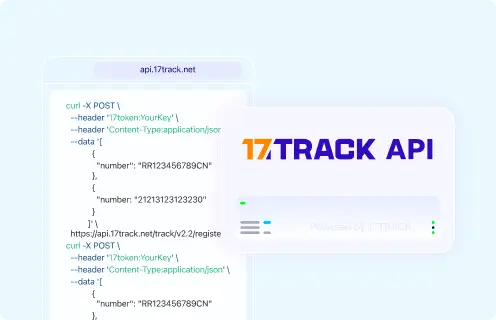
POST https://api.17track.net/track/v2.4/register
Headers:
  17token: YourKey
  Content-Type: application/json

Body:
[
  {
    "number": "TRACKING_NUMBER",
    "carrier": "CARRIER_CODE"
  }
]

Sources & References

Disclaimer: 17TRACK is an independent tracking platform and is not affiliated with LDGJ.

A professional and stable global package tracking platform.

17TRACK
Loading