JTR Tracking
Please enter the JTR tracking number to check the latest shipping status.
About JTR
JTR is the carrier name associated with the supplied official website. Use the official website and the shipment information supplied by the sender to identify the applicable service, tracking channel, and customer-support route.
| Field | Guidance |
|---|---|
| Official website | JTR official website |
| Carrier type | Identify the transport role from the shipment label, seller dispatch notice, and official service information. |
| Tracking page | Start with the tracking route provided by the sender or the official website. |
| Tracking relationship | 17TRACK can display available events from supported carrier systems, but it does not transport the shipment or decide delivery outcomes. |
Carrier Entity Relationships
| Entity | Relationship |
|---|---|
| JTR | JTR is the carrier identity that should be matched against the shipment label and dispatch record. |
| Shipment sender | The sender or merchant supplies the tracking number and can often request shipment investigations or commercial remedies. |
| 17TRACK | 17TRACK aggregates available tracking events and is independent from JTR. |
Quick Answer
Enter the shipment tracking number, rather than the order number, on the official JTR website or in 17TRACK. If no result appears, first check every character, remove accidental spaces or punctuation, confirm that the seller has handed over the parcel, and verify that the selected carrier is JTR.
How to Track JTR Packages
Use the tracking number shown on the dispatch email, shipping label, receipt, or marketplace shipment page. The official route is preferable for carrier-specific instructions; 17TRACK is useful when a shipment involves more than one tracking system.
| Path | Steps |
|---|---|
| Official JTR route | Open the official website, locate its tracking function, enter the shipment number, and compare the result with the sender’s dispatch record. |
| 17TRACK route | Open 17TRACK, enter the number, allow carrier recognition, and review the latest event, event location, and responsible transport stage. |
| No number | Ask the seller or sender for the shipment number and confirm whether the parcel has physically entered the carrier network. |
Tracking Number Formats and Examples
A tracking number can be issued by JTR, a merchant, an origin transport provider, or a destination delivery partner. A number that can be recognized by a tracking platform is not necessarily issued by the carrier currently displaying the event.
Tracking Number Format
| Identifier family | Normalized pattern | ||||||||
|---|---|---|---|---|---|---|---|---|---|
| Carrier shipment number | Use the exact alphanumeric string supplied by the sender; preserve meaningful characters and test punctuation-free entry if the first search fails. | ||||||||
View all details for carrier shipment numbers
| |||||||||
| Merchant order or reference ID | Often contains a seller-defined pattern and may not return transport events. | ||||||||
View all details for merchant references
| |||||||||
| Partner or last-mile number | A second number may appear after handoff; use both numbers when the sender supplies them. | ||||||||
Tracking Statuses and Meanings
Tracking events describe the latest reported stage, not necessarily the parcel’s exact current position. Electronic pre-advice, physical acceptance, customs processing, handoff, delivery, and return are separate events.
Status Quick Lookup
| Status | Lifecycle stage | ||||||||
|---|---|---|---|---|---|---|---|---|---|
| Label created or pre-advice | Pre-shipment | ||||||||
View all details for label-created status
| |||||||||
| Accepted or in transit | Carrier movement | ||||||||
View all details for in-transit status
| |||||||||
| Customs or handoff | Cross-border processing | ||||||||
View all details for customs or handoff status
| |||||||||
| Out for delivery or delivered | Final-mile stage | ||||||||
View all details for delivery status
| |||||||||
Services and Delivery Times
The service name, origin, destination, handoff arrangement, customs processing, address quality, weekends, holidays, and disruption conditions determine delivery timing. Use the service description supplied with the shipment instead of inferring a service from a number prefix alone.
Service Comparison
| Service type | Best use |
|---|---|
| Domestic shipment | Use when origin and destination are within the same domestic delivery network. |
| International shipment | Use when customs, export processing, import processing, or a destination partner is involved. |
| Return shipment | Use when the parcel is routed back to the sender after an unsuccessful delivery or other exception. |
Delivery Time
| Timing basis | How to interpret it |
|---|---|
| Estimated delivery date | A planning estimate that can move because of transport, address, customs, weather, or operating conditions. |
| Service standard | A stated target or ordinary delivery expectation for a defined service and route. |
| Guaranteed date | A contractual commitment only where the applicable service terms expressly provide one. |
Destination Country Delivery Times
| Destination group | Planning guidance |
|---|---|
| Domestic destination | Use the service-specific estimate supplied at dispatch and allow for weekends, holidays, remote areas, and address corrections. |
| International destination | Allow additional time for export handling, line-haul, import customs, taxes, destination handoff, and local delivery. |
| Remote or special-handling destination | Allow additional time for limited transport frequency, local routing, weather, or special handling requirements. |
Common Tracking Problems and Solutions
Resolve a tracking problem by matching the visible event to the party that can act. The sender usually controls dispatch records and commercial remedies; the recipient can verify delivery conditions and respond to local notices; 17TRACK can display events but cannot change a shipment.
Problem & Solution
| Problem or status | Check first |
|---|---|
| Invalid number | Compare the number with the label or dispatch notice, remove accidental spaces, and confirm that it is a tracking number rather than an order reference. |
| No tracking events | Ask the sender whether the parcel has been physically handed over; electronic pre-advice may precede acceptance. |
| Long time without update | Check the latest scan location, weekends, holidays, customs, handoff gaps, and the sender’s promised dispatch date. |
| Delivered but not received | Check the address, mailbox, safe place, household members, reception, neighbors, and any proof-of-delivery information before contacting the sender. |
| Return or delivery failure | Read the exception reason, verify the address, and contact the sender promptly because redirection or re-delivery options may be stage-specific. |
International Shipping, Customs and Carrier Handoffs
An international shipment can pass through origin handling, export processing, line-haul, import customs, destination handoff, and final delivery. Arrival in a destination country does not by itself mean that customs clearance is complete.
International Flow
| Stage | Typical event |
|---|---|
| Origin acceptance | The sender presents the parcel and the origin transport system records an acceptance or preparation event. |
| Export processing | The parcel is sorted for international movement and may undergo export security or customs processing. |
| Line-haul | The shipment moves between transport gateways; scan visibility can be limited during this stage. |
| Import customs | The destination authority may assess documents, duties, taxes, or restrictions. |
| Partner handoff and last mile | A destination delivery party may receive the parcel and provide the next scan under the original or a linked number. |
Delivery Management and Post-shipment Options
Delivery changes depend on the service, destination, shipment stage, sender permissions, and local delivery rules. Request changes through the official route or the sender rather than through 17TRACK.
| Option | Practical route |
|---|---|
| Address correction | Contact the sender and use the official delivery channel as soon as an address problem appears. |
| Re-delivery or pickup | Follow the notice or local delivery instructions; eligibility may end after return processing begins. |
| Proof of delivery | Request available delivery evidence through the carrier or sender when a delivered scan is disputed. |
Lost, Damaged, Claims, Insurance and Refunds
A tracking inquiry, transport investigation, insurance claim, postage refund, and seller refund are separate processes. Preserve the packaging, contents, invoices, photographs, dispatch evidence, and tracking history until the responsible party gives instructions.
| Process | Use when |
|---|---|
| Tracking inquiry | Use when the latest event needs clarification or the scan sequence appears incomplete. |
| Missing shipment investigation | Use when the shipment appears delayed, lost, or incorrectly routed; the sender may need to initiate the request. |
| Damage or insurance claim | Use when contents or packaging are damaged and the applicable service terms provide a claim route. |
| Seller refund | Request from the seller or marketplace under the order terms; 17TRACK cannot approve it. |
Shipping Restrictions and Special Handling
Before dispatch, check the current official rules for prohibited and restricted articles, destination requirements, packaging, declarations, batteries, liquids, perishables, and dangerous goods. Restrictions can cause refusal, delay, return, seizure, or additional documentation.
| Category | Action before shipping |
|---|---|
| Batteries and electronics | Check permitted battery type, packaging, declaration, and transport limitations for the route. |
| Liquids, aerosols, and chemicals | Confirm whether the item is prohibited or requires special packaging and documentation. |
| Perishables and fragile goods | Use protective packaging and verify whether the service accepts the contents. |
| Customs-controlled goods | Use an accurate description, value, origin, and any required permit or declaration. |
Customer Service
Use the official JTR website or the sender’s dispatch channel for carrier-specific support. Prepare the tracking number, dispatch date, origin and destination, service description, latest event, address, contents description, value evidence, and photographs where relevant.
| Channel | Best use |
|---|---|
| Official website | Open the official JTR website for current tracking and contact routes. |
| Sender or merchant | Use for dispatch confirmation, order disputes, commercial refunds, and requests that require sender authority. |
| 17TRACK | Use for aggregated tracking visibility; it cannot amend addresses, investigate physical custody, approve claims, or issue refunds. |
Ecommerce and Business Tracking
Businesses should distinguish the seller’s order system, the carrier’s official interface, and a multi-carrier tracking platform. Standardized events, exception monitoring, and customer notifications can reduce “where is my order” requests, but the underlying carrier scan remains the source for transport status.
Developer/API Comparison
| Option | Provider | ||||||||
|---|---|---|---|---|---|---|---|---|---|
| Official carrier integration | JTR | ||||||||
View all details for the official carrier integration
| |||||||||
| Multi-carrier tracking API | 17TRACK | ||||||||
View all details for the 17TRACK integration
| |||||||||
FAQ
Basic FAQs
Enter the shipment tracking number on the official JTR website or in 17TRACK and review the latest available event.
Check the shipping label, receipt, dispatch email, marketplace shipment page, or message from the sender.
The format depends on the shipment system and service; use the exact identifier supplied by the sender rather than guessing from a prefix.
The first event appears after the relevant system receives data or records physical acceptance, so label creation may precede the first movement scan.
A scan gap can occur during transport, sorting, customs, or handoff; confirm the number and dispatch date, then ask the sender to investigate when the delay exceeds the expected route timing.
Delivery depends on service, origin, destination, customs, handoff, address quality, weekends, holidays, and operating conditions.
Read the exception instruction, verify the address, and follow the official re-delivery or pickup process before the parcel is returned.
Check the delivery address, safe places, household members, reception, and neighbors, then request available delivery evidence and contact the sender.
Preserve packaging and evidence, record the tracking history, and ask the sender which investigation or claim route applies to the shipment.
Use the contact or tracking route on the official JTR website and keep the tracking number, dispatch date, address, and latest event ready.
Expert FAQs
It can show a handoff when connected systems exchange events; the latest event identifies which transport party currently reports the shipment.
No; a tracking platform may recognize an identifier issued by a sender, origin provider, or delivery partner.
No; arrival, customs presentation, customs release, destination handoff, and final delivery are separate stages.
No; 17TRACK displays available tracking events and cannot alter addresses, redirect parcels, approve claims, or issue refunds.
A business should review current official JTR developer information and the 17TRACK API documentation before selecting a direct or multi-carrier integration.
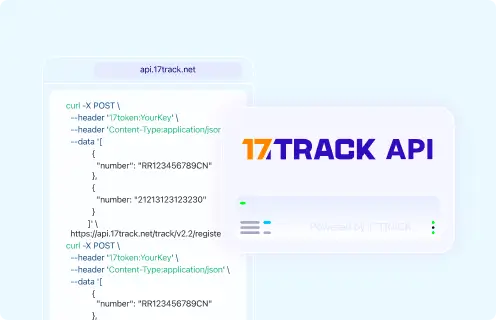
Tracking API
// 1. Current public official JTR tracking API: use only current official documentation.
// 2. 17TRACK API
POST https://api.17track.net/track/v2.4/register
Headers:
  17token: YourKey
  Content-Type: application/json

Body:
[
  {
    "number": "TRACKING_NUMBER",
    "carrier": "CARRIER_CODE"
  }
]

// Replace CARRIER_CODE with the current 17TRACK carrier code.
// Verify the current code and request behavior in the official documentation:
// https://api.17track.net/en/doc
Sources & References
- JTR official website. JTR
- 17TRACK. 17TRACK
- 17TRACK API documentation. 17TRACK
17TRACK is an independent tracking platform and is not affiliated with JTR.
Track your package
Global express parcel tracking service