About JDL Express
JDL Express is the carrier name associated with this tracking guide. The supplied website address should be matched against the website printed on the shipping label, receipt, merchant dispatch notice, or marketplace order before any shipment information is submitted. Use the shipment record to identify the contracted service and the party currently responsible for the parcel.
Carrier Overview
| Field | Verified reference |
|---|
| Carrier display name | JDL Express |
| Supplied website | https://www.jdlexpress.co.id/ |
| Tracking page | Use the tracking route displayed on the verified shipment record or carrier website. |
| Independent tracking | 17TRACK can aggregate available carrier events but does not transport the parcel. |
Carrier Entity Relationships
| Entity | Entity type |
|---|
| JDL Express | Carrier identity used for shipment lookup |
View all details for JDL Express
| Relationship to JDL Express | JDL Express is the canonical display name used throughout this page. |
|---|
| Why it matters to tracking | The carrier name on the label helps prevent a merchant order number or a partner identifier from being submitted to the wrong tracking system. |
|---|
| Official evidence | The supplied website address is the starting reference for identity checks. |
|---|
|
| Merchant or marketplace | Shipment-data provider |
View all details for merchant shipment data
| Relationship to JDL Express | The merchant may purchase the service, create a label, and provide the tracking identifier to the buyer. |
|---|
| Why it matters to tracking | The merchant remains the appropriate source when a buyer has only an order number or the parcel has not received an acceptance scan. |
|---|
| Official evidence | The shipment confirmation and label are the transaction-specific evidence. |
|---|
|
| 17TRACK | Independent multi-carrier tracking platform |
View all details for 17TRACK
| Relationship to JDL Express | 17TRACK can display available shipment events received through its carrier-tracking network. |
|---|
| Why it matters to tracking | 17TRACK is useful for consolidated visibility, while delivery changes, claims, refunds, and investigations remain with the carrier or seller. |
|---|
| Official evidence | 17TRACK API documentation |
|---|
|
Quick Answer
To track a JDL Express package, copy the carrier tracking number from the shipping label, receipt, dispatch email, or marketplace shipment page and enter it in the verified carrier tracker or 17TRACK. If no result appears, remove spaces, confirm that the value is a tracking number rather than an order number, and ask the seller whether the parcel has been physically handed over.
Pro Tip: A created label is electronic shipment data. It does not prove that JDL Express or a delivery partner has physically received the parcel.
17TRACK is an independent tracking platform. It cannot change an address, arrange redelivery, release a customs hold, approve a claim, or issue a merchant refund.
How to Track JDL Express Packages
Track with either the carrier route identified on the shipment record or 17TRACK, then interpret the latest event according to who physically holds the parcel.
- Find the tracking number on the label, counter receipt, dispatch email, marketplace shipment details, or seller message.
- Copy the identifier exactly, removing accidental leading or trailing spaces.
- Open the website printed on the shipment record or the supplied JDL Express website.
- Enter the tracking number in the carrier’s tracking field when that field is available.
- Alternatively, enter the number on 17TRACK and review the detected carrier and available events.
- Check the event time, location, responsible party, and exception text before deciding whether escalation is needed.
Which identifier should you use?
| Identifier | Tracking use |
|---|
| Carrier tracking number | Primary value to submit to the carrier tracker or 17TRACK. |
| Order number | Used by the merchant for purchase support; usually not a carrier tracking number. |
| Merchant reference | Useful when contacting the seller, but carrier lookup depends on whether the reference was transmitted and supported. |
| Partner or last-mile number | May become useful after a handoff; ask the seller or current carrier to associate it with the original number. |
Tracking Statuses and Meanings
Tracking status describes the last reported event, not necessarily the parcel’s exact current position. Read the timestamp and responsible party together with the status text.
Status Quick Lookup
| Status | Lifecycle stage |
|---|
| Shipment information received | Pre-shipment |
View all details for shipment information received| What it means | A label or electronic record exists, but physical acceptance is not established. |
|---|
| Current responsible party | The sender or shipping partner holding the parcel. |
|---|
| What happens next | A pickup, drop-off, or acceptance scan should follow. |
|---|
| What you should do | Ask the sender to confirm handover if the status does not progress. |
|---|
|
| Accepted or picked up | Accepted |
View all details for acceptance| What it means | The parcel received a physical intake event. |
|---|
| Current responsible party | The accepting carrier or contracted facility. |
|---|
| What happens next | Origin sorting and line-haul processing. |
|---|
| What you should do | Monitor normally unless the promised service window is missed. |
|---|
|
| In transit | Sorting or line-haul |
View all details for in transit| What it means | The parcel is moving between facilities or waiting for the next processing scan. |
|---|
| Current responsible party | The carrier or line-haul partner named by the latest event. |
|---|
| What happens next | Arrival, departure, handoff, or destination sorting. |
|---|
| What you should do | Compare the last event with the shipment-specific delivery estimate. |
|---|
|
| Customs processing | Customs or international handoff |
View all details for customs processing| What it means | The shipment is undergoing border, security, documentation, or tax processing; arrival does not mean release. |
|---|
| Current responsible party | Customs, a broker, or the carrier pending an authority decision. |
|---|
| What happens next | Release, request for information or payment, inspection, or return action. |
|---|
| What you should do | Respond only through a verified carrier, broker, customs, or merchant channel. |
|---|
|
| Out for delivery | Final-mile delivery |
View all details for out for delivery| What it means | The parcel has been assigned to a delivery route. |
|---|
| Current responsible party | The final-mile depot and delivery driver. |
|---|
| What happens next | Delivery, attempted delivery, pickup routing, or an exception. |
|---|
| What you should do | Keep the delivery location accessible and follow verified delivery instructions. |
|---|
|
| Delivered | Completed delivery scan |
View all details for delivered| What it means | A completion scan was recorded at the stated location or recipient type. |
|---|
| Current responsible party | The recipient should first check the delivery location; the carrier retains scan records. |
|---|
| What happens next | No further movement is expected unless the scan is corrected or a dispute is opened. |
|---|
| What you should do | Check household members, reception, safe places, neighbors, and proof of delivery before escalating. |
|---|
|
| Delivery exception or return | Exception or reverse movement |
View all details for an exception or return| What it means | Delivery could not continue because of an address, access, recipient, customs, damage, restriction, or operational issue. |
|---|
| Current responsible party | The carrier unit named in the latest event, or the sender after a completed return. |
|---|
| What happens next | Reattempt, pickup, correction, investigation, disposal where legally permitted, or return to sender. |
|---|
| What you should do | Contact the responsible carrier or seller promptly with the complete event text. |
|---|
|
Services and Delivery Times
The service name and delivery commitment on the shipment label, receipt, or merchant contract control the shipment. Do not treat a tracking-page estimate as a refund guarantee.
Service Comparison
| Service | Service type |
|---|
| Service printed on the shipment record | Shipment-specific transport product |
View all details for the contracted JDL Express service
| Best for | Use according to the sender’s purchased speed, route, package, and delivery requirements. |
|---|
| Coverage | Follow the origin and destination accepted for the shipment on the booking record. |
|---|
| Tracking level | Depends on the scans produced by JDL Express and participating partners. |
|---|
| Key size/weight condition | The accepted booking and waybill conditions govern. |
|---|
| Included protection/extra service | Use the receipt or shipping contract to identify declared value, insurance, signature, or other extras. |
|---|
| Main limitation | The carrier name alone does not establish speed, liability, coverage, or a delivery guarantee. |
|---|
|
Delivery Time
| Service | Published delivery standard |
|---|
| Contracted service shown on the shipment record | Use the delivery standard or estimate attached to the booked shipment. |
View all delivery-time details
| Business or calendar days | Apply the counting method stated in the booking terms. |
|---|
| Guarantee status | An estimate is not a guarantee; only explicit service terms can create a delivery commitment or refund right. |
|---|
| Starts counting from | Use the service rule, which may begin at physical acceptance rather than label creation. |
|---|
| Main delay factors | Late handover, weekends, holidays, route capacity, remote delivery, address quality, weather, customs, restrictions, and partner handoffs. |
|---|
| Official source date/validity | Use the terms supplied with the current booking because operational standards can change. |
|---|
|
Destination Country Delivery Times
| Destination Country / Region | Primary Service Type |
|---|
| Destination shown on the shipment waybill | Service purchased by the sender |
View destination delivery-time guidance
| Estimated Delivery Time Range | Use the route-specific estimate displayed at booking or in the current tracking record. |
|---|
| Average Delivery Days | Compare the current parcel with the estimate supplied for its service instead of applying an unrelated route average. |
|---|
| Last-Mile Partner / Handoff Carrier | Use the carrier named in the latest handoff event or merchant shipment details. |
|---|
| Customs & Clearance Tips | Import processing depends on destination law, declared contents, value, documentation, taxes, inspections, and recipient response time. |
|---|
|
A delivery estimate predicts arrival under stated assumptions. A delivery window is a range, a service standard is the product’s stated performance target, and a guaranteed date exists only when the applicable terms expressly provide one.
Common Tracking Problems and Solutions
Start with the latest timestamp, location, and responsible party. The seller is usually the first escalation point before acceptance; the physical carrier is usually the first operational contact after acceptance.
Problem & Solution
| Problem/status shown | Likely cause |
|---|
| Invalid number or no result | Typing error, order number used, wrong carrier, or data not yet activated. |
View actions for an invalid number| Check first | Compare every character with the label and remove accidental spaces. |
|---|
| Immediate action | Confirm the carrier and ask the seller for the shipment tracking number. |
|---|
| When to escalate | Escalate when the seller states that physical handover occurred but no carrier can identify the shipment. |
|---|
| Who to contact | The seller or shipping platform first. |
|---|
|
| Label created with no acceptance | Electronic data exists while the parcel remains with the sender or partner. |
View actions for label created| Check first | Look for a physical pickup, drop-off, or acceptance event. |
|---|
| Immediate action | Ask the sender for handover evidence. |
|---|
| When to escalate | Escalate according to the merchant’s dispatch commitment. |
|---|
| Who to contact | The sender or marketplace. |
|---|
|
| Long gap or stuck in transit | Movement without public scans, backlog, route disruption, missed scan, or partner handoff. |
View actions for a tracking gap| Check first | Compare the last event with the shipment-specific estimate and destination holidays. |
|---|
| Immediate action | Check both the original and partner tracking numbers where supplied. |
|---|
| When to escalate | Escalate after the applicable delivery estimate or carrier inquiry threshold is exceeded. |
|---|
| Who to contact | The carrier holding the parcel; the sender may need to open a contractual investigation. |
|---|
|
| Delivery exception, address issue, or failed attempt | Access, recipient, address, payment, capacity, weather, or safety issue. |
View actions for a delivery exception| Check first | Read the complete exception and any pickup or redelivery instruction. |
|---|
| Immediate action | Use the verified carrier channel before the parcel enters return processing. |
|---|
| When to escalate | Escalate immediately when identity, address, access, or customs information is requested. |
|---|
| Who to contact | The delivery carrier; contact the sender if only the sender may change shipment data. |
|---|
|
| Customs hold | Documentation, valuation, tax, inspection, restricted goods, or broker action. |
View actions for a customs hold| Check first | Verify any request through an official customs, broker, carrier, or merchant channel. |
|---|
| Immediate action | Provide accurate invoice, identity, permit, or payment information when lawfully requested. |
|---|
| When to escalate | Escalate when the authority or broker requests action or the applicable response deadline approaches. |
|---|
| Who to contact | The named broker, customs authority, carrier, and sender as appropriate. |
|---|
|
| Delivered but not received | Safe-place delivery, reception acceptance, neighbor delivery, premature scan, or misdelivery. |
View actions for delivered but not received| Check first | Check the stated location, household members, reception, mailroom, safe places, and neighbors. |
|---|
| Immediate action | Request proof of delivery or delivery-scan details and notify the seller. |
|---|
| When to escalate | Escalate promptly if local checks do not locate the parcel. |
|---|
| Who to contact | The final-mile carrier and seller. |
|---|
|
| Lost, damaged, or returned | Operational loss, handling damage, packaging failure, refusal, expired pickup, or unresolved exception. |
View actions for loss, damage, or return| Check first | Preserve the parcel, packaging, label, photos, invoice, and tracking history. |
|---|
| Immediate action | Notify the seller and carrier without discarding evidence. |
|---|
| When to escalate | Use the filing window stated in the service terms or merchant policy. |
|---|
| Who to contact | The contracting sender usually handles the carrier claim; the buyer handles the purchase remedy with the seller. |
|---|
|
International Shipping, Customs and Carrier Handoffs
For a cross-border shipment, the latest event may come from an origin carrier, line-haul provider, customs authority, broker, or destination carrier. Electronic pre-advice is not the same as physical handover, and arrival in a destination country is not customs release.
International Flow
| Stage | Physical custodian/responsible entity |
|---|
| Shipment data and origin acceptance | Sender until physical acceptance; accepting carrier afterward |
View origin-stage details| Typical tracking event | Information received, picked up, or accepted. |
|---|
| What is happening | A transport record is created and the parcel enters the origin network. |
|---|
| Can the tracking number change? | A partner reference may be added. |
|---|
| Normal visibility gap | Between label creation and the first physical scan. |
|---|
| What the customer should do | Ask the sender for handover evidence if no acceptance appears. |
|---|
|
| Export processing and line-haul | Origin carrier, export facility, authority, or line-haul partner |
View export and line-haul details| Typical tracking event | Departed facility, export processing, dispatched, or handed to transport. |
|---|
| What is happening | The shipment is consolidated, screened, documented, and transported internationally. |
|---|
| Can the tracking number change? | A bag, container, airline, or partner reference may coexist with the parcel number. |
|---|
| Normal visibility gap | Between departure and the next receiving scan. |
|---|
| What the customer should do | Monitor the original identifier and any linked partner number. |
|---|
|
| Import customs and destination exchange | Customs, broker, exchange facility, or destination carrier |
View import-stage details| Typical tracking event | Arrived in destination, customs processing, held, or released. |
|---|
| What is happening | Authorities assess admissibility, documentation, value, duties, taxes, and inspection requirements. |
|---|
| Can the tracking number change? | The destination carrier may assign a local identifier while retaining the original reference. |
|---|
| Normal visibility gap | During authority processing or before the destination carrier’s first scan. |
|---|
| What the customer should do | Respond through verified channels if documentation or payment is requested. |
|---|
|
| Partner handoff and final mile | Destination delivery carrier after physical receipt |
View partner-handoff details| Typical tracking event | Pre-advice received, awaiting handoff, received by local carrier, out for delivery, or delivered. |
|---|
| What is happening | Electronic data may arrive before the physical parcel; responsibility transfers operationally after receipt. |
|---|
| Can the tracking number change? | Yes, a local delivery number may be linked to the original number. |
|---|
| Normal visibility gap | Between electronic notification, physical transfer, and the first local scan. |
|---|
| What the customer should do | Track both identifiers and contact the carrier shown as having physically received the parcel. |
|---|
|
Delivery Management and Post-shipment Options
Delivery changes depend on the purchased service, parcel stage, sender restrictions, identity checks, and the final-mile carrier. A request does not guarantee that operational staff can intercept the parcel.
Delivery Management
| Option | Who can request |
|---|
| Address correction, redelivery, pickup, or delivery instruction | The authorized sender or recipient, subject to carrier controls |
View delivery-management conditions
| Eligibility | Depends on service, parcel status, security controls, and sender instructions. |
|---|
| Deadline/available stage | Request before final delivery or irreversible return processing. |
|---|
| Fee | Use the fee quoted through the verified carrier channel, if applicable. |
|---|
| Guaranteed? | No; operational completion depends on route and parcel location. |
|---|
| Official action link | JDL Express supplied website |
|---|
|
Lost, Damaged, Claims, Insurance and Refunds
A tracking inquiry locates a parcel; a carrier claim seeks contractual compensation; a postage refund concerns the purchased transport service; and a buyer refund concerns the sales transaction. These are separate processes.
Claims and Refunds
| Process | Use when |
|---|
| Tracking inquiry or transport investigation | The parcel has missed its applicable estimate, stopped progressing, or has a disputed delivery event. |
View investigation details| Who files | The sender or recipient according to the shipping contract; the sender may need to authorize a formal trace. |
|---|
| Earliest/latest filing time | Use the window in the applicable service terms. |
|---|
| Required evidence | Tracking number, ship date, addresses, service, contents description, and latest event. |
|---|
| Possible outcome | Location update, delivery confirmation, continued search, return information, or claim guidance. |
|---|
| Official link | JDL Express supplied website |
|---|
|
| Loss or damage claim | The shipment is declared lost, arrives damaged, or has missing contents. |
View claim details| Who files | The contracting sender or another party authorized by the transport terms. |
|---|
| Earliest/latest filing time | Follow the service-specific claim window without delay. |
|---|
| Required evidence | Waybill, invoice, value proof, photos, contents description, and retained packaging. |
|---|
| Possible outcome | Investigation, request for more evidence, settlement under liability terms, or denial. |
|---|
| Official link | JDL Express supplied website |
|---|
|
| Merchant refund or replacement | The buyer seeks a purchase remedy for non-receipt, damage, or an item problem. |
View merchant-remedy details| Who files | The buyer contacts the seller or marketplace. |
|---|
| Earliest/latest filing time | Use the sales platform’s buyer-protection deadline. |
|---|
| Required evidence | Order number, tracking history, photos, messages, and payment record. |
|---|
| Possible outcome | Replacement, refund, rejection, or further investigation under the sales policy. |
|---|
| Official link | The order page or seller support channel used for the purchase. |
|---|
|
17TRACK cannot approve a claim, determine legal liability, issue a refund, or alter the delivery outcome.
Shipping Restrictions and Special Handling
Acceptance does not establish that every item is legally transportable. Origin, transit, destination, aviation, road, customs, and carrier rules may all apply.
Shipping Restrictions
| Category | Prohibited or restricted |
|---|
| Dangerous goods, batteries, liquids, perishables, valuables, and regulated items | May be prohibited, route-limited, quantity-limited, or accepted only with declaration and compliant packaging. |
View restriction and handling considerations
| Typical examples | Flammable materials, aerosols, loose lithium batteries, chemicals, medicines, food, plants, cash, and controlled goods. |
|---|
| Key condition/packaging | Accurate declaration, compatible inner packaging, leak protection, cushioning, labels, and permits may be required. |
|---|
| Transport limitation | Air, road, border, destination, and partner rules can differ. |
|---|
| Possible tracking/delivery impact | Inspection, hold, route change, refusal, return, disposal where legally permitted, or enforcement action. |
|---|
| Official rules | Check the current rules for the booked service and all countries on the route before tendering the parcel. |
|---|
|
Customer Service
Use contact details printed on the shipment record or exposed through the verified JDL Express website. Avoid telephone numbers or payment links copied from unverified tracking messages.
Customer Service
| Channel | Verified contact/link |
|---|
| Website and shipment-record contact route | https://www.jdlexpress.co.id/ |
View customer-service preparation details
| Best for | Tracking inquiries, delivery exceptions, handoff questions, and access to current support routes. |
|---|
| Region/language | Use the channel associated with the booked shipment and delivery country. |
|---|
| Hours and time zone | Follow the hours displayed by the current contact channel. |
|---|
| Information to prepare | Tracking number, ship date, sender and recipient addresses, service, latest event, contents description, value proof, and photos where relevant. |
|---|
| Important limitation | The recipient may be unable to alter a sender-controlled shipment or file a contractual claim. |
|---|
|
| Seller or marketplace support | Use the order page, purchase receipt, or verified seller account. |
View seller-support details
| Best for | Missing tracking numbers, pre-acceptance delays, incorrect goods, non-receipt remedies, refunds, or replacement requests. |
|---|
| Region/language | Defined by the seller or marketplace account. |
|---|
| Hours and time zone | Follow the support hours shown in the order channel. |
|---|
| Information to prepare | Order number, tracking number, payment record, promised dispatch date, and screenshots. |
|---|
| Important limitation | The seller does not control customs or carrier operations but may hold the transport contract and claim rights. |
|---|
|
A practical escalation order is: verify the identifier, identify the latest physical custodian, contact that carrier for operational delivery issues, involve the sender for contractual investigations, and use the merchant or marketplace for purchase remedies.
Ecommerce and Business Tracking
Businesses should keep order IDs separate from carrier tracking numbers and preserve mappings between original, partner, and last-mile identifiers. Multi-carrier normalization can help support teams group shipments by milestone and exception without treating every carrier’s wording as identical.
Developer/API Comparison
| Option | Provider |
|---|
| Carrier-direct integration | JDL Express |
View carrier-direct integration details
| Carrier coverage | JDL Express shipments supported by the carrier’s business agreement. |
|---|
| Primary use | Direct operational integration where documentation and credentials are supplied contractually. |
|---|
| Authentication | Use only credentials and instructions issued through the current carrier channel. |
|---|
| Tracking/batch/webhook capability | Implement only the capabilities described in the current integration agreement. |
|---|
| Current developer documentation | Use documentation supplied directly through the verified business relationship. |
|---|
| Migration/deprecation note | Review integration notices before deploying or retaining an endpoint. |
|---|
|
| Multi-carrier tracking API | 17TRACK |
View 17TRACK API details
| Carrier coverage | Multi-carrier tracking through the carriers supported by 17TRACK. |
|---|
| Primary use | Centralized shipment registration and tracking across carrier portfolios. |
|---|
| Authentication | The API example uses the 17token request header. |
|---|
| Tracking/batch/webhook capability | Use the current 17TRACK documentation for supported registration, tracking, and notification workflows. |
|---|
| Current developer documentation | 17TRACK API documentation |
|---|
| Migration/deprecation note | Check the documentation version before implementation. |
|---|
|
JDL Express FAQ
1. How do I track my JDL Express package?Enter the carrier tracking number on the verified JDL Express tracking route or track it with 17TRACK to view available shipment events. Confirm the carrier name against the label before submitting parcel information.
2. Where can I find my JDL Express tracking number?Look on the shipping label, counter receipt, dispatch email, marketplace shipment page, or seller message. Ask the seller for the carrier tracking number if you only have an order ID.
3. What does a JDL Express tracking number look like?Use the complete identifier labeled for carrier tracking on your shipment record. Do not identify the service from a prefix alone because merchant and partner identifiers may coexist.
4. When will the first JDL Express tracking event appear?The first physical event normally follows pickup, drop-off, or acceptance. Electronic label creation can appear earlier and does not prove that the parcel has been handed over.
5. Why is my JDL Express tracking not updating?A tracking gap can occur during line-haul movement, backlog, customs processing, or a partner handoff. Check the latest timestamp, the shipment-specific estimate, and any linked last-mile number.
6. How long does JDL Express delivery take?Use the estimate attached to the purchased service and route. Label creation, weekends, holidays, remote delivery, customs, weather, and partner handoffs can affect elapsed time.
7. What should I do after a failed JDL Express delivery attempt?Read the complete exception and follow the verified pickup or redelivery instruction before return processing begins. The sender may need to authorize address changes.
8. What should I do if JDL Express says delivered but I cannot find the package?Check the stated delivery location, household members, reception, mailroom, safe places, and neighbors first. Then request delivery evidence from the final-mile carrier and notify the seller.
9. How do I report a lost or damaged JDL Express package?Preserve the label, parcel, contents, packaging, photos, invoice, and tracking history, then contact the seller and carrier promptly. The contracting sender commonly holds the carrier claim rights.
10. How do I contact JDL Express?Use the contact route printed on the shipment record or exposed through the verified JDL Express website. Prepare the tracking number, ship date, addresses, latest event, service, contents description, and evidence.
11. Does a JDL Express label-created event mean the carrier has my parcel?No; a label-created event establishes electronic shipment data, not physical custody. Look for a pickup, drop-off, or acceptance scan before assigning operational responsibility to JDL Express or a partner.
12. Why can a JDL Express shipment have more than one tracking number?A merchant, origin carrier, consolidator, or destination carrier may issue a linked identifier for its part of the journey. Keep both numbers because each may expose different events.
13. Does arrival in the destination country mean a JDL Express parcel cleared customs?No; destination arrival and customs release are different events. The parcel may still require assessment, inspection, documentation, tax payment, broker action, or transfer to the destination carrier.
14. Who is responsible during a JDL Express partner handoff?The party physically holding the parcel is operationally responsible, while electronic pre-advice alone does not establish custody. Responsibility becomes clearer after the receiving partner records its first physical scan.
15. Can businesses track JDL Express shipments through an API?Businesses can use documented carrier integration supplied through their commercial relationship or a multi-carrier service such as the 17TRACK API. Implement only current endpoints, credentials, carrier codes, and event rules from the provider’s documentation.
16. Can 17TRACK change a JDL Express delivery or approve a claim?No; 17TRACK displays available tracking information but does not transport parcels or control delivery operations. Contact the carrier for operational action and the seller for purchase refunds or replacements.
Tracking API
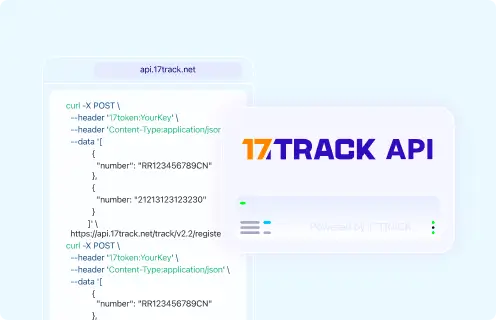
Use a carrier-direct endpoint only when JDL Express supplies current technical documentation and credentials through a verified business channel. For multi-carrier registration, follow the current 17TRACK API documentation. The JDL Express carrier code should be taken from current 17TRACK account documentation rather than inferred from the brand name.
# 1. JDL Express official tracking API
# Current public official tracking API not confirmed.
# Obtain current endpoint, method, authentication, and request schema
# directly through a verified JDL Express business channel.

# 2. 17TRACK API: register a tracking number
curl --request POST \
  --url "https://api.17track.net/track/v2.4/register" \
  --header "17token: YourKey" \
  --header "Content-Type: application/json" \
  --data '[
    {
      "number": "TRACKING_NUMBER",
      "carrier": "CARRIER_CODE"
    }
  ]'

# Replace CARRIER_CODE only with the current code supplied by 17TRACK.
# Do not infer the code from the JDL Express brand name.
Sources & References
17TRACK is an independent tracking platform and is not affiliated with JDL Express.