Interparcel (AU) Tracking
Please enter the Interparcel (AU) tracking number to check the latest shipping status.
About Interparcel AU
Interparcel AU is the name supplied for this tracking page and is associated with the Australian Interparcel web address. A shipment booked through a shipping platform may be physically carried and scanned by an underlying postal, courier or freight provider. The tracking record therefore identifies the party that produced each event rather than proving that every movement was performed by Interparcel AU.
| Field | Verified page information |
|---|---|
| Displayed name | Interparcel AU |
| Official website | https://au.interparcel.com/ |
| Tracking role | Use the shipment reference supplied by the booking or dispatch record; the physical carrier can vary by shipment. |
| Geographic context | The supplied website is the Australian regional site. |
Carrier Entity Relationships
| Entity | Relationship to Interparcel AU |
|---|---|
| Interparcel AU | Interparcel AU is the named tracking subject for this page and the supplied Australian web property is its starting point. |
| Underlying delivery carrier | The underlying delivery carrier is the party that normally creates acceptance, transit, delivery and exception scans for a booked shipment. |
| 17TRACK | 17TRACK is an independent aggregation platform that may display available events from Interparcel AU or an underlying carrier. |
Quick Answer
Enter the shipment tracking number or reference shown in the dispatch email, booking record or label into the official Interparcel AU website, or enter it into 17TRACK. If no event appears, first check that you used the shipment or tracking identifier rather than an order number, removed spaces and punctuation, and allowed time for the first physical scan. 17TRACK does not transport parcels, change addresses, issue refunds or decide claims.
How to Track Interparcel AU Packages
| Tracking path | Action |
|---|---|
| Official website | Open the supplied Australian Interparcel website, locate its tracking function, enter the shipment identifier exactly as issued and review the latest event. |
| 17TRACK | Enter the same identifier at 17TRACK. Automatic carrier recognition can help when a partner carrier produced the latest scan. |
| No number | Ask the sender, merchant or booking account for the dispatch record. An order number or invoice number may not be searchable as a transport identifier. |
| No first event | Check spelling, spaces and digits, then allow the booking or label data to reach the physical carrier. A label record is not the same as acceptance. |
Recipients should contact the merchant or sender when the booking identifier is missing. Senders should retain the label, booking receipt and handover evidence. A marketplace order number, merchant reference, shipment number and last-mile number can be different identifiers.
Tracking Number Formats and Examples
Interparcel AU shipment identifiers should be taken from the booking or dispatch record. A fixed public prefix rule cannot be applied to every shipment because the physical transport provider and service can differ. Use the official search or 17TRACK automatic recognition instead of identifying a carrier from a prefix alone.
Tracking Number Format
| Identifier family | Normalized pattern and use |
|---|---|
| Shipment or consignment identifier | Use the exact alphanumeric value supplied by the booking or dispatch record; a redacted example is TRACK-####-####. |
| Underlying carrier number | The physical carrier may issue a separate number. It can be numeric, alphanumeric or a postal-style code; the format depends on the carrier and service. |
| Merchant order or reference | An order ID, invoice number or seller reference identifies a commercial transaction and may not return transport events. |
| International postal identifier | A destination postal operator may retain an origin S10-style identifier such as AA#########BB. The ability to display it does not establish who issued it. |
Tracking Statuses and Meanings
| Status and lifecycle stage | Meaning and next action |
|---|---|
| Label created or pre-shipment | Shipment data exists, but physical acceptance may not have occurred. The sender should confirm handover if the status remains unchanged. |
| Accepted or picked up | A carrier or collection point has recorded possession. Continue monitoring for sorting and transit events. |
| In transit or processed | The shipment is moving through a network. Scan gaps can occur between facilities. |
| Customs or handover | The shipment may be undergoing import processing or transfer to another carrier. Arrival at customs is not proof of release. |
| Out for delivery | A local delivery route has been assigned. Keep access available and follow any delivery instruction shown by the responsible carrier. |
| Delivered, pickup or exception | Check the delivery location, notice, depot or exception instruction. If marked delivered but missing, contact the sender and the responsible last-mile carrier promptly. |
Services and Delivery Times
A delivery estimate must be taken from the booking, selected service and destination. Transit time can change because of pickup cut-offs, weekends, public holidays, address quality, remote areas, weather, network congestion, customs and partner handoffs.
Service Comparison
| Service category | Best use and limitation |
|---|---|
| Domestic parcel booking | Suitable for an Australian shipment when the booking record identifies a participating physical carrier; tracking depth follows that carrier. |
| International shipment | Delivery depends on origin, destination, customs and the destination carrier; an estimate is not automatically a guarantee. |
| Freight or oversized booking | Handling, dimensions, access requirements and tracking events depend on the selected transport service. |
Delivery Time
| Time measure | How to interpret it |
|---|---|
| Published or quoted estimate | Use the estimate attached to the selected booking and route; the starting point may be pickup, acceptance or dispatch depending on the service. |
| Actual transit | Calculate from the first physical acceptance event to delivery, while allowing for scan gaps and non-transport time. |
| Destination country delivery time | Country-specific figures require the exact service, origin, destination postcode and customs conditions; broad industry averages should not replace the booking estimate. |
Destination Country Delivery Times
| Destination group | Reliable planning guidance |
|---|---|
| Australian metropolitan destinations | Use the selected domestic service estimate and postcode-specific booking result; metro-to-metro and regional delivery can differ. |
| Australian regional or remote destinations | Allow additional route and handoff time and check whether the selected service accepts the destination address. |
| International destinations | Use the service quotation rather than a generic country average. Customs, tax assessment, security screening and local delivery can create additional time. |
Common Tracking Problems and Solutions
| Problem or status | First action and escalation path |
|---|---|
| Invalid number | Compare the identifier with the dispatch record, remove accidental spaces and ask the sender to verify the number. |
| No tracking event | A label or booking may exist before physical acceptance. Ask the sender to confirm handover. |
| Long scan gap | Check the latest facility and expected delivery estimate. Escalate through the sender or booking account when the service’s stated investigation route becomes applicable. |
| Address error or failed delivery | Follow the event instruction immediately. The sender may need to request a correction; a recipient should not assume a change is guaranteed. |
| Delivered but not received | Check the entrance, safe place, household, reception, neighbours and delivery notice; then request proof of delivery and contact the sender. |
| Lost or damaged parcel | Keep packaging and photographs, record the tracking history and ask the sender or contracting party to start the applicable carrier inquiry or claim. |
| Returned to sender | Review the return reason, address and customs information. The sender normally controls the next shipment or refund discussion. |
International Shipping, Customs and Carrier Handoffs
For an international shipment, the booking platform, origin transport provider, customs authorities and destination carrier can each create different events. “Arrived at customs” means processing has started or the shipment has reached a customs location; it does not by itself mean that import clearance is complete.
International Flow
| Stage | What customers should understand |
|---|---|
| Booking and electronic pre-advice | Shipment data is created. This can occur before a physical carrier accepts the parcel. |
| Origin pickup and export processing | The origin carrier records possession and may conduct security or export checks. |
| Line-haul movement | The parcel moves between gateways. Scan visibility may be intermittent. |
| Import customs | Authorities assess declarations, duties, taxes and admissibility. The customer may need to provide information or pay charges. |
| Partner handoff and last mile | A destination carrier may receive the parcel and continue using the original number or issue a linked local identifier. |
Customer Service
| Channel | Best use and information to prepare |
|---|---|
| Official website | Interparcel AU website. Use the relevant tracking, booking or support route and retain the shipment identifier. |
| Sender or merchant | Best for missing numbers, address corrections, refunds and claims because the sender usually holds the booking and contract records. |
| Underlying delivery carrier | Best for a local delivery event, depot instruction or proof of delivery when the tracking result identifies the responsible carrier. |
| Information to prepare | Tracking number, booking date, sender and recipient details, service, latest event, contents description, value evidence and photographs where relevant. |
Use the sender or merchant as the escalation owner for a missing, damaged or disputed shipment. 17TRACK can display tracking events but cannot approve a claim, refund postage or change delivery instructions.
FAQ
Basic FAQs
Enter the shipment or tracking identifier from the dispatch record on the official Interparcel AU website or 17TRACK.
Look in the dispatch email, booking confirmation, shipping label or merchant order page.
The identifier can depend on the shipment and underlying carrier, so use the exact value supplied by the booking record rather than relying on a prefix.
The parcel may be awaiting physical acceptance or moving between facilities without a public scan; ask the sender to verify handover if the gap continues.
Use the estimate for the selected service and destination; customs, remote addresses, weekends and carrier handoffs can change the result.
Read the latest exception instruction, check for a depot or redelivery option and contact the sender if an address correction is needed.
Check the entrance, safe place, reception, household members and neighbours, then request proof of delivery through the sender or responsible last-mile carrier.
Preserve packaging and photographs and ask the sender or contracting party to start the applicable inquiry or claim.
Yes, when the booking or underlying carrier supplies trackable events; destination customs and last-mile scans may appear under the original or a linked number.
Start with the official Interparcel AU website or the sender’s booking account and provide the shipment identifier and latest event.
Expert FAQs
No. A booking or label can exist before the physical carrier receives and scans the parcel.
Responsibility follows the physical custody event shown by the latest carrier scan; electronic pre-advice alone does not prove that the partner has possession.
No. Arrival at a customs location and customs release are separate events, and duties or documents may still be required.
A destination or partner carrier may retain the original identifier or associate a local number; keep both values when the record displays them.
No. 17TRACK aggregates available tracking events and cannot redirect, hold, refund or release a shipment.
Tracking API
// Interparcel AU official public tracking API: current endpoint and authentication were not established from the supplied evidence.
// Use the current official Interparcel AU documentation before integrating a carrier-specific endpoint.

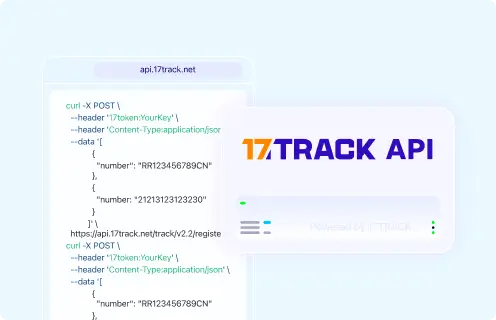
// 17TRACK API
// POST https://api.17track.net/track/v2.4/register
// Headers: 17token: YourKey
//          Content-Type: application/json
// Replace CARRIER_CODE only with the current 17TRACK carrier code confirmed in the 17TRACK documentation.
{
  "url": "https://api.17track.net/track/v2.4/register",
  "method": "POST",
  "headers": {
    "17token": "YourKey",
    "Content-Type": "application/json"
  },
  "body": [
    {
      "number": "TRACKING_NUMBER",
      "carrier": "CARRIER_CODE"
    }
  ]
}
Sources & References
- Interparcel AU — supplied official Australian website. Interparcel AU
- 17TRACK API Documentation. 17TRACK
17TRACK is an independent tracking platform and is not affiliated with Interparcel AU.
Track your package
Global express parcel tracking service