i-Parcel

i-Parcel Tracking

Please enter the i-Parcel tracking number to check the latest shipping status.

To extract possible tracking number complying with all tracking number rules.Clear text from input field.Track the entered order number.

About I Parcel

I Parcel is an international ecommerce logistics business acquired by UPS in 2014. UPS described the business as providing international air transportation, customs clearance and delivery services for ecommerce shipments. A shipment may therefore involve I Parcel, customs authorities and a separate destination delivery carrier rather than one carrier operating every physical stage.

I Parcel Overview

FieldVerified information
Official websitehttp://www.i-parcel.com/
Carrier typeInternational ecommerce logistics, transportation coordination, customs-clearance support and delivery network services.
Primary shipment typeCross-border ecommerce parcels.
Parent organizationUPS, following the 2014 acquisition announced by UPS.
Independent tracking option17TRACK can aggregate available events associated with a supported tracking number.

Carrier Entity Relationships

EntityEntity type
I ParcelCanonical carrier
View all details for I Parcel
Relationship to I ParcelI Parcel is the logistics entity addressed by this tracking guide.
Why it matters to trackingThe I Parcel identifier may connect events from several organizations participating in one international shipment.
Official evidenceUPS identifies I Parcel as the international ecommerce logistics business it acquired.
UPSParent organization
View all details for UPS
Relationship to I ParcelUPS acquired I Parcel in 2014.
Why it matters to trackingCorporate ownership does not mean every I Parcel shipment uses a standard UPS package number or is physically carried by UPS at every stage.
Official evidenceThe relationship is documented in the UPS acquisition announcement.
Customs authoritiesGovernment border agencies
View all details for customs authorities
Relationship to I ParcelCustoms authorities decide whether imported goods may be released and whether information, duties or taxes are required.
Why it matters to trackingAn arrival or customs-processing scan is not proof of customs release.
Official evidenceNational customs agencies publish the applicable import process and consignee obligations.
Destination delivery carrierLast-mile partner
View all details for destination delivery carriers
Relationship to I ParcelA local postal or parcel operator may receive the physical parcel after import processing.
Why it matters to trackingThe local carrier normally controls delivery attempts, pickup locations and final delivery evidence after acceptance.
Official evidenceThe responsible operator should be identified from the shipment record or the first local acceptance scan.
17TRACKIndependent tracking platform
View all details for 17TRACK
Relationship to I Parcel17TRACK displays available carrier events but does not transport I Parcel shipments.
Why it matters to tracking17TRACK may help follow a multi-carrier shipment through one interface, while operational changes remain with the responsible carrier or merchant.
Official evidence17TRACK documents its tracking and API services separately from carrier operations.

Quick Answer

To track an I Parcel shipment, copy the shipment tracking number from the merchant’s dispatch email, order page or shipping label and submit it to 17TRACK. If no result appears, remove spaces, confirm that the value is a carrier tracking number rather than an order number, and allow time for the first physical acceptance scan.

Pro Tip: 17TRACK is an independent tracking platform. It cannot change an address, release a shipment from customs, arrange redelivery, approve a claim or issue a merchant refund.

How to Track I Parcel Packages

Use the carrier-level tracking number supplied after dispatch. The merchant order number is mainly for the retailer’s system and may not return carrier scans.

  1. Open the merchant’s shipment email or order-detail page.
  2. Find the value labeled tracking number, shipment number or carrier tracking.
  3. Copy the complete identifier without surrounding punctuation.
  4. Submit it on 17TRACK and select I Parcel if automatic carrier detection is inconclusive.
  5. Read the most recent event together with its location, timestamp and responsible carrier.
  6. After a handoff, use any linked local tracking number on the destination carrier’s own site for delivery-management options.

Which Number Should You Use?

IdentifierHow to use it
Carrier tracking numberUse for shipment events on I Parcel or 17TRACK.
Merchant order numberUse with the seller for payment, fulfillment, cancellation or refund questions.
Merchant referenceUse only where the merchant or logistics portal explicitly supports reference searches.
Local delivery numberUse on the destination carrier’s site after the local carrier accepts the parcel.
Delivery notice numberUse with the carrier named on the physical or electronic delivery notice.

Tracking Number Formats and Examples

I Parcel shipments can expose more than one identifier because the merchant, cross-border logistics provider and destination carrier may each maintain a separate record. A prefix alone should not be used to prove the service, current custodian or delivery carrier.

Tracking Number Format

Identifier familyNormalized pattern
I Parcel shipment identifierEnter the complete merchant-supplied carrier identifier; remove presentation spaces or hyphens only if the tracker rejects them.
View all details for I Parcel shipment identifiers
Length/structureThe authoritative value is the complete identifier shown in the shipment record.
Issued byI Parcel or the logistics system used to create the cross-border shipment.
Typical service/useCross-border ecommerce tracking.
Who sees it and whereBuyers usually see it in the dispatch email or order page; merchants may see it in fulfillment records.
Tracking scopeAvailable export, transport, customs-related and handoff events associated with the shipment.
Important caveatDo not infer a precise service from an unverified prefix.
Merchant order or reference IDStore-defined letters, digits or a mixed identifier; masked example: ORDER-####-XXXX.
View all details for merchant references
Length/structureDefined by the retailer rather than by a universal carrier rule.
Issued byThe seller, marketplace or order-management platform.
Typical service/useOrder lookup, payment support, fulfillment and refund communication.
Who sees it and whereThe buyer sees it on the order confirmation and account page.
Tracking scopeIt may show merchant fulfillment milestones but is not automatically a carrier tracking number.
Important caveatAsk the seller for the carrier tracking number if this value returns no shipment events.
Destination carrier tracking IDCarrier-specific numeric or alphanumeric identifier; masked example: XX #### #### #### XX.
View all details for destination carrier identifiers
Length/structureDepends on the postal or parcel operator selected for the destination.
Issued byThe destination delivery carrier or a shipping platform allocating its number range.
Typical service/useImport processing, local sorting, delivery attempts, pickup and delivery evidence.
Who sees it and whereIt may appear as an alternate or last-mile number in the tracking history.
Tracking scopeUsually strongest after the local carrier receives or inducts the parcel.
Important caveatBeing searchable by I Parcel does not mean I Parcel issued the local number.
UPU S10 postal identifierAA ######### BB, where the outer letters and nine-digit body follow postal allocation rules.
View all details for UPU S10 identifiers
Length/structureThirteen characters: two service-indicator letters, eight serial digits plus a check digit, and a two-letter issuing-country code.
Issued byA designated postal operator or authorized allocation system, not automatically by I Parcel.
Typical service/useInternational postal items exchanged between postal operators.
Who sees it and whereThe sender or recipient may see it on a postal label or as a linked handoff identifier.
Tracking scopeParticipating postal operators may continue using the same S10 identifier across borders.
Important caveatAn S10 ending country code identifies the issuing postal authority’s allocation, not necessarily the parcel’s current location.
GS1 SSCC logistics-unit identifier18-digit logistics identifier, often represented in a GS1-128 barcode.
View all details for GS1 SSCC identifiers
Length/structureAn 18-digit Serial Shipping Container Code containing an extension digit, GS1 company prefix, serial reference and check digit.
Issued byA GS1 company-prefix licensee.
Typical service/useIdentifying a pallet, carton or logistics unit in business supply-chain systems.
Who sees it and whereWarehouse and enterprise users may see it on a logistics label.
Tracking scopeSupply-chain event systems rather than consumer parcel tracking by default.
Important caveatA scannable logistics barcode is not necessarily a consumer tracking number.

Tracking Statuses and Meanings

Read an I Parcel event as evidence of a particular logistics step, not as proof that every later step has finished. Event wording can be normalized by a tracking platform, while the location and responsible carrier provide the operational context.

Status Quick Lookup

StatusWhat it means
Shipment information receivedElectronic shipment data exists, but the event alone does not prove physical acceptance.
View all details for shipment information received
Lifecycle stagePre-shipment
Current responsible partyThe merchant or origin fulfillment partner until a physical acceptance event appears.
What happens nextThe parcel is tendered, collected or inducted and receives an origin scan.
What you should doCheck the dispatch date and ask the seller to confirm handover if the status does not progress.
Accepted or receivedA logistics facility or carrier recorded possession of the parcel.
View all details for accepted shipments
Lifecycle stageAccepted
Current responsible partyThe organization named in the acceptance event.
What happens nextOrigin sorting, consolidation or export preparation.
What you should doMonitor the next processing event; no action is normally required.
In transitThe shipment is moving between facilities or awaiting the next scheduled processing step.
View all details for in-transit shipments
Lifecycle stageLine-haul or network processing
Current responsible partyThe carrier, consolidator or transport provider identified by the latest event.
What happens nextArrival at a gateway, exchange facility or destination network.
What you should doCompare the last scan with the merchant’s delivery window rather than expecting a scan at every movement.
Customs processingThe shipment or its import data is undergoing border review; this is not the same as release.
View all details for customs processing
Lifecycle stageCustoms and import clearance
Current responsible partyThe customs authority, broker and consignee may each have a required action.
What happens nextRelease, payment or a request for supporting information.
What you should doWatch for a message requesting tax, identification, invoice or product details and verify requests through an official channel.
Transferred to delivery carrierA destination carrier has been assigned or a handoff event has been recorded.
View all details for carrier handoff
Lifecycle stagePartner handoff
Current responsible partyResponsibility transfers only when the destination carrier physically accepts or inducts the parcel.
What happens nextA local acceptance or sorting scan should appear.
What you should doUse the linked local number after the first destination-carrier scan.
Out for deliveryThe destination carrier assigned the parcel to a delivery route.
View all details for out for delivery
Lifecycle stageLast mile
Current responsible partyThe destination delivery carrier.
What happens nextDelivery, an attempted-delivery event or return to the local facility.
What you should doFollow delivery instructions offered by the local carrier and keep the delivery location accessible.
DeliveredThe delivery carrier recorded completion at the address, reception point, parcel locker or authorized location.
View all details for delivered shipments
Lifecycle stageDelivered
Current responsible partyThe destination carrier controls delivery records; the recipient should secure the parcel.
What happens nextThe shipment normally closes unless a delivery dispute is raised.
What you should doCheck the delivery location, household, reception, neighbors and proof of delivery before contacting the local carrier and seller.
Available for pickupThe parcel is being held at a named post office, service point or locker.
View all details for pickup shipments
Lifecycle stagePickup
Current responsible partyThe destination carrier or pickup-point operator.
What happens nextCollection by the recipient or return after the applicable holding period.
What you should doFollow the notice and bring the requested identification and pickup code.
Delivery exceptionAn address, access, weather, operational or recipient issue interrupted normal delivery.
View all details for delivery exceptions
Lifecycle stageException
Current responsible partyThe destination carrier handles operational recovery; the sender or recipient may need to supply information.
What happens nextAnother attempt, address review, pickup hold or return.
What you should doRead the exact reason and contact the named local carrier when action is requested.
Return to senderThe parcel entered a return flow because delivery or import completion failed.
View all details for returned shipments
Lifecycle stageReturn
Current responsible partyThe return carrier and merchant control the reverse movement and commercial resolution.
What happens nextReturn transport, merchant receipt and a decision about refund or reshipment.
What you should doContact the seller promptly; do not assume the carrier can reverse an international return already in motion.

Services and Delivery Times

UPS described I Parcel as supporting international ecommerce transportation, customs clearance and delivery. The applicable delivery window should come from the merchant’s checkout or dispatch record because timing depends on the purchased service, route, customs process and destination handoff.

Service Comparison

ServiceBest for
International ecommerce logisticsMerchant-to-consumer cross-border parcels.
View all details for international ecommerce logistics
Service typeInternational air transportation and coordinated delivery.
CoverageRoute-specific international ecommerce lanes selected by the merchant.
Tracking levelMilestone tracking may include origin, international movement, customs-related and destination delivery events.
Key size/weight conditionThe merchant’s contracted service and accepted-item rules apply.
Included protection/extra serviceAny declared-value protection or signature requirement must be verified in the shipment terms.
Main limitationLocal delivery controls can belong to a separate destination carrier.
Customs-clearance coordinationCross-border ecommerce parcels requiring import processing.
View all details for customs-clearance coordination
Service typeImport-data and clearance support within the international delivery flow.
CoverageSubject to destination-country customs laws and the merchant’s shipping program.
Tracking levelTracking may show submitted, processing, held, released or related handoff milestones.
Key size/weight conditionCommodity, value and documentation rules are route-specific.
Included protection/extra servicePrepaid duties or taxes apply only when the merchant’s sale and shipping terms state this.
Main limitationCustoms authorities control examination and release decisions.
Destination delivery handoffFinal-mile delivery through a local postal or parcel network.
View all details for destination delivery handoff
Service typePartner-operated local sorting and delivery.
CoverageThe consignee address and destination carrier’s delivery network.
Tracking levelLocal acceptance, processing, out-for-delivery, attempt, pickup and delivery events may appear.
Key size/weight conditionThe destination carrier’s induction rules apply.
Included protection/extra serviceSignature and proof-of-delivery availability depend on the selected local service.
Main limitationElectronic pre-advice does not prove that the local carrier has the physical parcel.

Delivery Time

ServicePublished delivery standard
Merchant-selected I Parcel shipmentUse the delivery window displayed by the merchant for the purchased route and service.
View all delivery-time details for I Parcel shipments
Business or calendar daysFollow the wording in the merchant’s checkout or dispatch terms.
Guarantee statusAn estimated delivery window is not a money-back guarantee.
Starts counting fromUse the merchant’s stated start event, which may be order processing, dispatch or carrier acceptance.
Main delay factorsMerchant handling, flight capacity, customs, duties or taxes, restricted goods, address quality, partner handoff, weather, holidays and remote-area delivery.
Official source date/validityThe shipment-specific merchant promise and current destination-carrier estimate govern the individual parcel.

Destination Country Delivery Times

The table below avoids unsupported route averages. For each destination, use the shipment-specific checkout window and the local carrier estimate once a handoff is visible.

Destination Country / RegionEstimated Delivery Time Range
United StatesUse the merchant’s checkout window, then the assigned local carrier’s estimate after acceptance.
View delivery context for the United States
Primary Service TypeCross-border ecommerce parcel
Average Delivery DaysRely on the shipment-specific ETA rather than an unsupported universal average.
Last-Mile Partner / Handoff CarrierThe carrier named in the local handoff event.
Customs & Clearance TipsCBP may require accurate value and commodity information; an arrival scan does not establish release.
CanadaUse the merchant’s checkout window and the destination-carrier estimate after local induction.
View delivery context for Canada
Primary Service TypeCross-border ecommerce parcel
Average Delivery DaysUse the live shipment ETA.
Last-Mile Partner / Handoff CarrierThe carrier identified in tracking.
Customs & Clearance TipsTaxes, duties and importer information depend on value, origin and commodity.
MexicoUse the checkout commitment and monitor import processing before relying on a last-mile date.
View delivery context for Mexico
Primary Service TypeCross-border ecommerce parcel
Average Delivery DaysUse the shipment-specific ETA.
Last-Mile Partner / Handoff CarrierThe carrier named after import handoff.
Customs & Clearance TipsAccurate recipient, tax and commodity data can be necessary for clearance.
United KingdomUse the merchant’s checkout window and local-carrier estimate.
View delivery context for the United Kingdom
Primary Service TypeCross-border ecommerce parcel
Average Delivery DaysUse the live shipment ETA.
Last-Mile Partner / Handoff CarrierThe operator shown in the destination scan.
Customs & Clearance TipsVAT treatment and any import charges depend on the sale value and merchant collection method.
European UnionUse the merchant’s checkout window; customs and destination-network timing remain shipment-specific.
View delivery context for European Union destinations
Primary Service TypeCross-border ecommerce parcel
Average Delivery DaysUse the shipment-specific ETA.
Last-Mile Partner / Handoff CarrierThe operator named after destination induction.
Customs & Clearance TipsIOSS or other VAT data may affect low-value ecommerce processing; the seller should provide accurate electronic data.
SwitzerlandUse the merchant estimate and wait for import release before treating a local date as firm.
View delivery context for Switzerland
Primary Service TypeCross-border ecommerce parcel
Average Delivery DaysUse the live shipment ETA.
Last-Mile Partner / Handoff CarrierThe destination operator shown in tracking.
Customs & Clearance TipsSwitzerland has a separate import and tax regime from the European Union.
NorwayUse the merchant estimate and destination-carrier update after customs processing.
View delivery context for Norway
Primary Service TypeCross-border ecommerce parcel
Average Delivery DaysUse the shipment-specific ETA.
Last-Mile Partner / Handoff CarrierThe local operator named in tracking.
Customs & Clearance TipsVAT collection data and the merchant’s registration method may affect import processing.
AustraliaUse the merchant checkout window and local estimate after induction.
View delivery context for Australia
Primary Service TypeCross-border ecommerce parcel
Average Delivery DaysUse the live shipment ETA.
Last-Mile Partner / Handoff CarrierThe carrier identified by the handoff event.
Customs & Clearance TipsBiosecurity screening can affect goods containing food, plant, animal or untreated natural materials.
New ZealandUse the checkout window and destination-carrier estimate.
View delivery context for New Zealand
Primary Service TypeCross-border ecommerce parcel
Average Delivery DaysUse the shipment-specific ETA.
Last-Mile Partner / Handoff CarrierThe operator shown after local acceptance.
Customs & Clearance TipsBiosecurity controls can require inspection or treatment of risk goods.
JapanUse the merchant window and local-carrier estimate after customs release.
View delivery context for Japan
Primary Service TypeCross-border ecommerce parcel
Average Delivery DaysUse the live shipment ETA.
Last-Mile Partner / Handoff CarrierThe destination carrier identified in tracking.
Customs & Clearance TipsClear commodity descriptions and recipient contact details help resolve import questions.
South KoreaUse the shipment-specific checkout and local delivery estimates.
View delivery context for South Korea
Primary Service TypeCross-border ecommerce parcel
Average Delivery DaysUse the live shipment ETA.
Last-Mile Partner / Handoff CarrierThe carrier shown in destination events.
Customs & Clearance TipsThe consignee may need to provide destination-required personal customs information through an authorized channel.
SingaporeUse the merchant’s delivery window and local-carrier estimate.
View delivery context for Singapore
Primary Service TypeCross-border ecommerce parcel
Average Delivery DaysUse the shipment-specific ETA.
Last-Mile Partner / Handoff CarrierThe operator named after local induction.
Customs & Clearance TipsGST and permit requirements depend on value and commodity classification.
MalaysiaUse the checkout window and destination-carrier estimate.
View delivery context for Malaysia
Primary Service TypeCross-border ecommerce parcel
Average Delivery DaysUse the live shipment ETA.
Last-Mile Partner / Handoff CarrierThe local operator identified in tracking.
Customs & Clearance TipsImport taxes, permits and inspections depend on value and commodity.
ThailandUse the shipment-specific merchant and local-carrier estimates.
View delivery context for Thailand
Primary Service TypeCross-border ecommerce parcel
Average Delivery DaysUse the live shipment ETA.
Last-Mile Partner / Handoff CarrierThe carrier identified after import processing.
Customs & Clearance TipsRecipient contact and accurate invoice data may be needed for import review.
PhilippinesUse the checkout estimate and local-carrier update.
View delivery context for the Philippines
Primary Service TypeCross-border ecommerce parcel
Average Delivery DaysUse the shipment-specific ETA.
Last-Mile Partner / Handoff CarrierThe operator shown in local tracking.
Customs & Clearance TipsIsland routing, customs examination and remote-area delivery can add processing stages.
IndonesiaUse the merchant’s window and destination-carrier estimate.
View delivery context for Indonesia
Primary Service TypeCross-border ecommerce parcel
Average Delivery DaysUse the live shipment ETA.
Last-Mile Partner / Handoff CarrierThe local carrier named in tracking.
Customs & Clearance TipsTax, commodity restrictions and recipient information can affect release.
IndiaUse the merchant estimate and monitor requests for consignee or import documentation.
View delivery context for India
Primary Service TypeCross-border ecommerce parcel
Average Delivery DaysUse the shipment-specific ETA.
Last-Mile Partner / Handoff CarrierThe operator identified after clearance.
Customs & Clearance TipsKnow-your-customer information, invoice data and product compliance may be requested.
United Arab EmiratesUse the checkout window and destination delivery estimate.
View delivery context for the United Arab Emirates
Primary Service TypeCross-border ecommerce parcel
Average Delivery DaysUse the live shipment ETA.
Last-Mile Partner / Handoff CarrierThe carrier shown after local handoff.
Customs & Clearance TipsPrecise address, phone and commodity information can be important for clearance and final delivery.
Saudi ArabiaUse the merchant’s estimate and destination-carrier update.
View delivery context for Saudi Arabia
Primary Service TypeCross-border ecommerce parcel
Average Delivery DaysUse the shipment-specific ETA.
Last-Mile Partner / Handoff CarrierThe local carrier named in tracking.
Customs & Clearance TipsRecipient identification, tax and product-compliance information may be required.
BrazilUse the shipment-specific merchant estimate and monitor import requests closely.
View delivery context for Brazil
Primary Service TypeCross-border ecommerce parcel
Average Delivery DaysUse the live shipment ETA.
Last-Mile Partner / Handoff CarrierThe destination operator shown after customs processing.
Customs & Clearance TipsRecipient tax identification, import tax and payment requests can affect release and delivery.
ChileUse the checkout window and local-carrier estimate.
View delivery context for Chile
Primary Service TypeCross-border ecommerce parcel
Average Delivery DaysUse the shipment-specific ETA.
Last-Mile Partner / Handoff CarrierThe carrier shown in local tracking.
Customs & Clearance TipsValue, invoice and commodity information determine import treatment.
South AfricaUse the merchant estimate and local delivery update after import release.
View delivery context for South Africa
Primary Service TypeCross-border ecommerce parcel
Average Delivery DaysUse the live shipment ETA.
Last-Mile Partner / Handoff CarrierThe operator identified by the local handoff event.
Customs & Clearance TipsCustoms review, duties, address quality and regional transport can affect final delivery.

A destination table cannot replace the shipment-specific service promise. Customs examinations, missing documents, duties, seasonal capacity, remote addresses and partner induction can materially change the delivery date.

Common Tracking Problems and Solutions

Start with the last physical scan and identify which organization controlled the parcel at that moment. The seller handles order and refund obligations, while the current carrier handles physical movement and delivery records.

Problem & Solution

Problem/status shownImmediate action
Invalid number or no resultCopy the carrier number again, remove accidental spaces and check that it is not an order ID.
View all details for an invalid tracking number
Likely causeTyping error, merchant reference, unregistered number or incorrect carrier selection.
Check firstThe dispatch email and complete identifier.
When to escalateWhen the seller says the parcel was physically handed over but cannot provide a working carrier record.
Who to contactThe merchant or marketplace.
Shipment information receivedWait for a physical acceptance scan and ask the seller to confirm tender if it remains unchanged.
View all details for pre-shipment tracking
Likely causeA label or electronic manifest was created before physical handover.
Check firstThe seller’s dispatch date and whether the item was actually collected.
When to escalateWhen the merchant’s stated handling period has passed.
Who to contactThe merchant or origin fulfillment provider.
No update while in transitCompare the last scan with the delivery window and check for a linked partner number.
View all details for a tracking gap
Likely causeConsolidated transport, scheduled line-haul, customs processing or unscanned partner movement.
Check firstLatest location, service window and alternate number.
When to escalateWhen the merchant’s delivery window has passed or a carrier asks for action.
Who to contactThe current carrier for movement; the merchant for contractual delivery resolution.
Handoff shown but no local scanDistinguish electronic pre-advice from the first physical local-carrier acceptance scan.
View all details for a handoff delay
Likely causeThe destination carrier received data before the parcel or has not completed induction.
Check firstWhether the local carrier states that it has physically received the item.
When to escalateAfter the delivery window passes without a local acceptance event.
Who to contactThe upstream logistics provider or merchant until local possession is recorded.
Customs holdCheck for an official request for invoice, identification, tax payment or product information.
View all details for a customs hold
Likely causeRoutine review, missing data, duty assessment, permit issue or physical examination.
Check firstMessages from the authorized broker, carrier or customs authority.
When to escalateWhen an official request is unanswered or tracking instructs the consignee to act.
Who to contactThe named broker or carrier; the merchant for invoice corrections.
Address problem or failed deliveryContact the destination carrier using the local tracking number and follow its redelivery or pickup instructions.
View all details for address and delivery problems
Likely causeIncomplete address, no access, absent recipient or local delivery restriction.
Check firstThe exact exception reason and carrier named in the latest scan.
When to escalateImmediately when a pickup or correction deadline is shown.
Who to contactThe destination carrier; the merchant if the address supplied with the order was incorrect.
Delivered but not receivedCheck the delivery location, household, reception, neighbors, locker and proof of delivery in that order.
View all details for delivered but not received
Likely causeSafe-location delivery, reception acceptance, neighbor delivery, early scan, address error or theft.
Check firstDelivery timestamp, location note, signature, photo and address.
When to escalatePromptly after local checks fail, following the destination carrier’s delivery-dispute process.
Who to contactThe destination carrier for delivery evidence and the merchant for replacement or refund rights.
Lost, damaged or missing contentsPhotograph the parcel and contents, preserve all packaging and notify the merchant.
View all details for loss or damage
Likely causeNetwork loss, packaging failure, handling damage or contents shortage.
Check firstShipment terms, tracking history, invoice, parcel condition and item count.
When to escalateAs soon as damage is discovered or the delivery window has passed, subject to the applicable seller and carrier deadlines.
Who to contactThe merchant normally manages the buyer remedy and carrier claim under its shipping contract.
Return to senderContact the merchant to discuss reshipment or refund; address the reason before another shipment is created.
View all details for return to sender
Likely causeUndeliverable address, unclaimed parcel, refused charges, import failure or restricted goods.
Check firstThe first return event and its reason.
When to escalateImmediately if the return reason appears correctable but the parcel has not left the local facility.
Who to contactThe destination carrier for a local hold; the merchant for the commercial resolution.

International Shipping, Customs and Carrier Handoffs

An I Parcel shipment can move through merchant fulfillment, origin transport, export processing, international line-haul, import customs and a destination delivery network. Data transfer and physical custody transfer are separate events.

International Flow

StageTypical tracking event
Shipment creationShipment information received
View details for shipment creation
Physical custodian/responsible entityThe merchant or fulfillment warehouse.
What is happeningLabel and customs data are prepared.
Can the tracking number change?A destination number may be added later.
Normal visibility gapNo physical movement may be visible before acceptance.
What the customer should doWait for physical acceptance or ask the seller to confirm handover.
Origin acceptance and sortingAccepted, received or processed at origin facility
View details for origin acceptance
Physical custodian/responsible entityThe origin logistics operator named in the event.
What is happeningThe parcel is sorted, consolidated and prepared for export.
Can the tracking number change?The original number usually remains a reference, while partner numbers may be linked.
Normal visibility gapConsolidation can create intervals between facility scans.
What the customer should doMonitor the route against the merchant’s delivery window.
Export processingDeparted origin facility or export processing
View details for export processing
Physical custodian/responsible entityThe export logistics operator and relevant security or customs authorities.
What is happeningExport data, security screening and transport preparation are completed.
Can the tracking number change?A line-haul or consolidation reference may be used internally.
Normal visibility gapMovement may not generate consumer-visible scans.
What the customer should doNo action unless information is requested.
International line-haulIn transit to destination country
View details for international line-haul
Physical custodian/responsible entityThe contracted air or transport provider.
What is happeningThe shipment moves between international gateways.
Can the tracking number change?The consumer identifier may stay the same while transport references differ.
Normal visibility gapThere may be no scan between departure and destination processing.
What the customer should doAllow for transport and gateway processing within the delivery window.
Import customsArrived at destination, customs processing or clearance event
View details for import customs
Physical custodian/responsible entityA bonded facility, broker and destination customs authority may each participate.
What is happeningImport declarations, value, tax, admissibility and possible examination are assessed.
Can the tracking number change?A destination carrier number may be assigned before or after release.
Normal visibility gapCustoms processing may not expose every internal action.
What the customer should doRespond through verified channels if documents or payment are requested.
Electronic partner pre-adviceInformation sent to destination carrier
View details for electronic partner pre-advice
Physical custodian/responsible entityThe upstream operator can still hold the parcel.
What is happeningShipment data is transmitted so the destination carrier can prepare for induction.
Can the tracking number change?A local number may first become visible here.
Normal visibility gapThe local carrier may show no physical receipt yet.
What the customer should doWait for a physical acceptance scan before asking the local carrier to locate the parcel.
Physical partner handoffReceived or accepted by destination carrier
View details for physical partner handoff
Physical custodian/responsible entityThe destination carrier after acceptance.
What is happeningThe parcel enters local sorting and delivery operations.
Can the tracking number change?The local number may become the most useful identifier.
Normal visibility gapInduction and first sorting scans may occur at different times.
What the customer should doUse the destination carrier’s site for delivery options.
Last-mile deliveryOut for delivery, attempted, pickup or delivered
View details for last-mile delivery
Physical custodian/responsible entityThe destination delivery carrier or pickup-point operator.
What is happeningThe parcel is routed to the address or collection point.
Can the tracking number change?Use the local number if the destination carrier requires it.
Normal visibility gapDelivery-event posting can lag behind the physical action.
What the customer should doFollow the local carrier’s notice and dispute process if delivery cannot be located.

Delivery Management and Post-shipment Options

Delivery changes are normally controlled by the carrier currently holding the parcel. For an international I Parcel shipment, the local carrier may offer options only after physical induction.

Delivery Management

OptionWho can request
Address correction before dispatchThe buyer should ask the merchant before physical handover.
View address-correction details
EligibilityDepends on the merchant’s fulfillment status and fraud controls.
Deadline/available stageBefore dispatch or label finalization.
FeeMerchant terms apply.
Guaranteed?No; fulfillment may already be locked.
Official action linkUse the merchant’s order-support channel.
Redelivery or pickupThe recipient, where the destination carrier permits it.
View redelivery and pickup details
EligibilityA local tracking number and eligible destination-carrier service are usually required.
Deadline/available stageAfter local acceptance or an attempted-delivery event.
FeeThe local carrier’s terms apply.
Guaranteed?No; capacity, identity and shipment restrictions can apply.
Official action linkUse the destination carrier identified in tracking.
Proof of delivery requestThe sender or recipient, subject to the destination carrier’s access rules.
View proof-of-delivery details
EligibilityDepends on whether the purchased service records a signature, photo or delivery location.
Deadline/available stageAfter a delivered event.
FeeThe applicable service terms govern access.
Guaranteed?No; not every service includes signature or photographic evidence.
Official action linkUse the destination carrier’s tracking or support channel.

Lost, Damaged, Claims, Insurance and Refunds

A tracking inquiry, carrier claim and merchant refund are separate processes. Ecommerce buyers should preserve evidence and contact the seller because the seller commonly holds the transportation contract and remains responsible for the buyer-facing remedy under the applicable purchase terms and law.

Claims and Refunds

ProcessUse when
Tracking inquiryThe parcel has stopped updating or missed the merchant’s delivery window.
View tracking-inquiry details
Who filesThe merchant or authorized shipping-contract holder may have the strongest access; the recipient can ask the current local carrier about delivery events.
Earliest/latest filing timeFollow the purchased service and merchant terms.
Required evidenceTracking number, dispatch date, addresses, latest event and item description.
Possible outcomeLocation update, investigation, delivery instruction or loss determination.
Official linkUse the merchant or current carrier channel shown in the shipment record.
Loss or damage claimThe carrier process has established loss, damage or missing contents.
View carrier-claim details
Who filesThe shipping-contract holder or another party authorized under the applicable transportation terms.
Earliest/latest filing timeUse the deadline attached to the purchased service and claim type.
Required evidenceTracking, invoice, value proof, photos, contents description and retained packaging.
Possible outcomeInvestigation, request for evidence, settlement or denial under the shipping terms.
Official linkThe merchant should use its contracted logistics support route.
Merchant refund or replacementThe order was not delivered as agreed, arrived damaged or contained missing items.
View merchant-remedy details
Who filesThe buyer contacts the seller or marketplace.
Earliest/latest filing timeThe retailer, marketplace, payment and consumer-law deadlines apply.
Required evidenceOrder number, tracking, photos, packaging, communications and payment record.
Possible outcomeReplacement, refund, partial refund, denial or request for more evidence.
Official linkUse the merchant’s order-resolution page.

17TRACK can display tracking events but cannot approve a transportation claim, determine insurance coverage, issue postage compensation or refund an ecommerce order.

Shipping Restrictions and Special Handling

International acceptance depends on transport-safety rules, export controls and destination-country law. The merchant must check the exact route and service before tendering an item.

Shipping Restrictions

CategoryProhibited or restricted
Dangerous goodsRestricted or prohibited according to classification, quantity, packaging, documentation and transport mode.
View dangerous-goods details
Typical examplesFlammables, aerosols, corrosives, compressed gas and certain chemicals.
Key condition/packagingCorrect classification, approved packaging, labels and documentation may be required.
Transport limitationAir transport imposes strict dangerous-goods controls.
Possible tracking/delivery impactSecurity hold, rejection, return or regulatory disposal.
Official rulesCheck the current contracted-service and destination rules before shipping.
Lithium batteriesRestricted according to battery type, watt-hour rating, condition and whether packed with equipment.
View lithium-battery details
Typical examplesPhones, laptops, power banks and spare rechargeable batteries.
Key condition/packagingTerminals must be protected and damaged or recalled batteries require special treatment.
Transport limitationStandalone batteries can face stricter air restrictions than batteries contained in equipment.
Possible tracking/delivery impactInspection, offload, rejection or return.
Official rulesUse current dangerous-goods and airline acceptance requirements.
Liquids and perishablesRestricted by leakage risk, shelf life, temperature needs and destination import controls.
View liquid and perishable details
Typical examplesCosmetics, beverages, food, plants and temperature-sensitive goods.
Key condition/packagingLeakproof inner packaging, cushioning and legally required permits may apply.
Transport limitationStandard parcel networks may not provide temperature control.
Possible tracking/delivery impactInspection, quarantine, spoilage, destruction or return.
Official rulesCheck transport and destination biosecurity rules.
Controlled or prohibited goodsProhibited or permit-controlled under origin, transit or destination law.
View controlled-goods details
Typical examplesWeapons, illegal drugs, counterfeit goods, protected wildlife products and sanctioned items.
Key condition/packagingLegal authorization does not automatically establish carrier acceptance.
Transport limitationExport controls and destination prohibitions can block movement.
Possible tracking/delivery impactSeizure, investigation, return or disposal.
Official rulesConsult current government and contracted-carrier rules before shipment.

Customer Service

Choose the contact based on the problem: the merchant for order or refund issues, the physical destination carrier for delivery issues, and the customs or broker channel named in an official clearance request.

Customer Service

ChannelBest for
I Parcel websiteCarrier-specific information associated with I Parcel.
View I Parcel website contact details
Verified contact/linkhttp://www.i-parcel.com/
Region/languageInternational ecommerce shipment context.
Hours and time zoneUse the availability displayed by the site.
Information to prepareTracking number, order number, dispatch date, addresses and latest scan.
Important limitationA destination delivery problem may need the local carrier rather than the cross-border logistics provider.
Merchant or marketplace supportMissing carrier number, order changes, non-delivery, refund or replacement.
View merchant-support details
Verified contact/linkUse the support channel inside the original order record.
Region/languageBased on the merchant account and purchase terms.
Hours and time zoneMerchant support terms apply.
Information to prepareOrder number, payment record, tracking, item description and requested remedy.
Important limitationThe merchant cannot directly release a parcel from customs but can correct commercial documents through its logistics channel.
Destination delivery carrierDelivery attempts, pickup, proof of delivery and local address questions after physical acceptance.
View destination-carrier support details
Verified contact/linkUse the official carrier named in the local tracking event.
Region/languageDestination country and local service language.
Hours and time zoneThe destination carrier’s published hours apply.
Information to prepareLocal tracking number, address, delivery notice and identity information.
Important limitationThe local carrier may be unable to investigate before a physical acceptance scan.
17TRACK trackingViewing aggregated shipment events and identifying a possible handoff carrier.
View 17TRACK channel details
Verified contact/linkhttps://www.17track.net/en
Region/languageMulti-carrier tracking interface.
Hours and time zoneOnline tracking access.
Information to prepareThe carrier tracking number.
Important limitation17TRACK does not transport parcels or decide claims, customs release, address changes or refunds.

Before escalating, prepare the tracking number, order number, shipping date, sender and recipient addresses, purchased service, latest event, item description, value proof, invoice and photographs of damage and packaging where relevant.

Ecommerce and Business Tracking

Businesses should separate order data from carrier data, store linked first-mile and last-mile identifiers, normalize statuses and retain raw event text for investigations. A multi-carrier platform is useful when orders use I Parcel alongside other logistics providers.

Developer/API Comparison

OptionProvider
Consumer shipment trackingI Parcel or the destination carrier
View consumer tracking details
Carrier coverageThe individual shipment and any named handoff carrier.
Primary useManual lookup and delivery support.
AuthenticationUsually a tracking number; sensitive delivery controls may require identity verification.
Tracking/batch/webhook capabilityUse the capabilities displayed by the applicable carrier interface.
Current developer documentationNo carrier endpoint is reproduced without current public documentation for the exact service.
Migration/deprecation noteDo not build against undocumented legacy endpoints.
Multi-carrier Tracking API17TRACK
View 17TRACK API details
Carrier coverageMultiple supported carriers through one integration.
Primary useShipment registration, normalized tracking workflows and multi-carrier visibility.
Authentication17token request header.
Tracking/batch/webhook capabilityUse the current 17TRACK API documentation for supported registration, query and notification operations.
Current developer documentation17TRACK API documentation
Migration/deprecation notePin integrations to the documented API version and review version notices before migration.

FAQ

1. How do I track my I Parcel package?

Enter the carrier tracking number on 17TRACK to view available I Parcel and partner events. Use any linked local number on the destination carrier’s site after handoff.

2. Where can I find my I Parcel tracking number?

Look in the merchant’s dispatch email, order-detail page or shipping confirmation. If only an order number appears, ask the seller for the carrier tracking number.

3. What does an I Parcel tracking number look like?

Use the complete identifier supplied with the shipment because cross-border orders can expose an I Parcel number, a merchant reference and a separate destination-carrier number. A prefix alone does not reliably establish the service.

4. When will the first I Parcel tracking event appear?

The first meaningful movement event appears after a carrier or logistics facility records acceptance or processing. Electronic shipment information can appear earlier and does not prove physical handover.

5. Why is my I Parcel tracking not updating?

A gap can occur during consolidation, international line-haul, customs processing or partner induction. Check the last physical scan, merchant delivery window and any alternate local tracking number.

6. How long does I Parcel delivery take?

Use the delivery window shown by the merchant for the purchased route and service. Customs, duties, remote areas, holidays and carrier handoffs can change the shipment-specific date.

7. What should I do after an I Parcel delivery attempt fails?

Read the exception and contact the destination carrier named in tracking. Use its local number to request an eligible redelivery or pickup before the parcel enters return processing.

8. What should I do if I Parcel says delivered but I received nothing?

Check the address, safe location, household, reception, neighbors, locker and available delivery evidence first. Then contact the destination carrier for the delivery record and notify the merchant if the parcel remains missing.

9. How do I report a lost or damaged I Parcel shipment?

Preserve the packaging, photograph the damage and contact the seller with the order and tracking numbers. The shipping-contract holder generally manages the carrier claim, while the seller handles the buyer-facing refund or replacement.

10. How do I contact I Parcel about my shipment?

Use the I Parcel website for carrier-specific information, the merchant for order remedies and the destination carrier for local delivery problems. Prepare the tracking number, dispatch date, address and latest scan.

11. Does an I Parcel label-created event mean the carrier has my parcel?

No. A label-created or shipment-information event means electronic data exists; physical custody is established by a later acceptance, receipt or facility-processing scan.

12. Why can an I Parcel shipment have two tracking numbers?

The cross-border logistics record and destination delivery record can use linked identifiers. The original number supports end-to-end reference, while the local number may provide stronger delivery detail after physical handoff.

13. Who is responsible while an I Parcel shipment is in customs?

The customs authority controls admissibility and release, while a broker or logistics provider submits data and the importer may owe information or charges. Arrival at a customs facility does not mean the parcel has been released.

14. When does a destination carrier become responsible for an I Parcel shipment?

Operational custody transfers when the destination carrier physically accepts or inducts the parcel. Electronic pre-advice alone only shows that shipment data was sent.

15. Can I change the address of an I Parcel shipment after dispatch?

An address change depends on the current carrier, shipment stage, security rules and purchased service. Ask the merchant before dispatch; after local induction, use only the official options offered by the destination carrier.

16. Is an I Parcel estimated delivery date guaranteed?

No, an estimate is not automatically a service guarantee. A guarantee exists only when the purchased terms expressly provide one and its conditions are met.

17. Can businesses track I Parcel shipments through an API?

Businesses can use a supported multi-carrier integration such as the 17TRACK API. Do not implement a carrier-specific endpoint unless current official I Parcel documentation identifies the endpoint, method, authentication and supported operations.

18. Can 17TRACK change or refund an I Parcel shipment?

No. 17TRACK displays available tracking data but cannot change transportation, release customs holds, approve claims or issue merchant refunds.

Tracking API

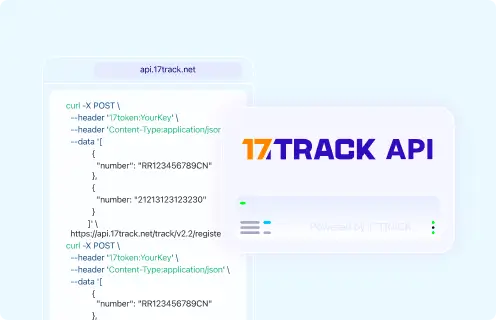
The example below uses the documented 17TRACK registration endpoint. Replace the tracking number, API key and carrier placeholder with values authorized for your integration. No carrier-specific I Parcel request is shown because an endpoint should not be inferred from an undocumented or legacy interface.

# 1. I Parcel official tracking API
# No carrier request is included without current public endpoint,
# method, authentication, request-body and migration documentation.

# 2. 17TRACK multi-carrier API
curl --request POST \
  --url https://api.17track.net/track/v2.4/register \
  --header '17token: YourKey' \
  --header 'Content-Type: application/json' \
  --data '[
    {
      "number": "TRACKING_NUMBER",
      "carrier": "CARRIER_CODE"
    }
  ]'

# Keep CARRIER_CODE as a placeholder until the current code is
# obtained from 17TRACK documentation or your authorized account.

Sources & References

17TRACK is an independent tracking platform and is not affiliated with I Parcel.
A professional and stable global package tracking platform.

17TRACK