GLS (US) Tracking
Please enter the GLS (US) tracking number to check the latest shipping status.
About GLS US
GLS US is the carrier name supplied for this tracking guide. Use the official website and the shipment label to establish which operating entity currently has the parcel. A tracking result may include events created by a shipping partner or destination delivery operator; an event alone does not prove that GLS US physically accepted the parcel.
| Field | Verified reference |
|---|---|
| Displayed carrier name | GLS US |
| Official website | GLS US official website |
| Tracking starting point | The official website supplied above and the shipment label or dispatch notice. |
The supplied evidence does not establish a public legal name, parent organization, headquarters, founding date, universal service catalogue, or universal tracking-number pattern. Those details should be taken from the specific label, merchant record, or official result for the shipment rather than inferred from the brand string.
Quick Answer
Enter the shipment tracking number, not the store order number, on the official GLS US website or in 17TRACK. If no result appears, first remove copied spaces or punctuation, check every character against the label, and confirm that the merchant has handed the parcel to the carrier. 17TRACK is an independent tracking platform; it does not transport parcels, change addresses, issue refunds, or approve claims.
How to Track GLS US Packages
- Copy the carrier tracking number from the dispatch email, shipping label, receipt, or merchant order page.
- Open the official GLS US website and use its tracking route, or submit the number to 17TRACK for multi-carrier event aggregation.
- Compare the latest scan, location, timestamp, and delivery estimate with the delivery address and service purchased.
- If the result is empty, ask the merchant or sender to confirm the carrier assignment and physical handoff.
| Identifier | Use |
|---|---|
| Tracking number | The shipment identifier intended for carrier events and delivery scans. |
| Order or reference number | A merchant or marketplace identifier that may not work in a carrier tracker. |
| Label or notice number | A document or delivery identifier; use it only when the official tracker accepts it. |
Tracking Number Formats and Examples
A GLS US tracking number should be copied exactly from the shipping record. The supplied evidence does not establish one public pattern that applies to every GLS US service, so a prefix or length must not be used alone to identify the product.
Tracking Number Format
| Identifier family | Normalized pattern | ||||||||
|---|---|---|---|---|---|---|---|---|---|
| Shipment identifier | Service-dependent; use the complete label string, including letters and digits where supplied. | ||||||||
View all details for GLS US tracking identifiers
| |||||||||
Tracking Statuses and Meanings
| Status | Lifecycle stage |
|---|---|
| Label created / pre-shipment | Shipment data exists; physical acceptance may not have occurred. |
| Accepted / picked up | An acceptance scan records carrier possession or receipt at a supported location. |
| In transit | The shipment is moving through the reported network; scans can be intermittent between facilities. |
| Out for delivery | A delivery route has been assigned; address or access problems can still prevent completion. |
| Delivered | A delivery event was recorded; check the delivery location and proof details if the parcel is missing. |
| Exception / return | A delivery or transport issue needs review by the sender, carrier, or current delivery partner. |
Services and Delivery Times
A reliable delivery estimate requires the exact GLS US service, origin, destination, acceptance time, address, and any partner handoff. No service-specific delivery standard is included here without a verified current official source.
Service Comparison
| Service | Service type |
|---|---|
| Shipment shown on the official tracker | Identify the actual product from the label or dispatch record before comparing delivery times. |
Delivery Time
| Service | Published delivery standard |
|---|---|
| Exact service required | Check the service-specific official terms; transit can change with weekends, weather, peak volume, address quality, and handoffs. |
Destination Country Delivery Times
| Destination country or region | Delivery estimate |
|---|---|
| Destination shown in the shipment record | Use the carrier or merchant estimate for that specific route; a generic country table would not reliably identify the service or handoff. |
Common Tracking Problems and Solutions
| Problem or status shown | Immediate action |
|---|---|
| Number invalid | Compare each character with the label and ask the sender to confirm the carrier and identifier. |
| No movement after label creation | Ask the sender whether the parcel was physically handed over; label creation is not proof of acceptance. |
| Long gap in transit | Check the last facility and any service alert, then have the sender contact the carrier if the service terms permit an inquiry. |
| Delivered but missing | Check the porch, mail area, building desk, household members, and neighbors; then request proof of delivery and involve the sender. |
| Damaged or lost | Photograph the parcel and packaging, preserve all contents, and have the eligible filer start the carrier inquiry or claim. |
International Shipping, Customs and Carrier Handoffs
For a cross-border shipment, the last visible event identifies the current reporting point, not necessarily the physical custodian. Arrival in a destination country is not the same as customs release.
| Stage | Typical event |
|---|---|
| Origin preparation | Merchant or origin carrier creates shipment data and prepares the parcel. |
| Export movement | Export processing, security, and line-haul movement may produce separate scans. |
| Destination customs | Authorities may review declarations, taxes, duties, and admissibility. |
| Partner handoff | Electronic pre-advice, physical handoff, and the first destination acceptance scan can occur at different times. |
| Last mile | The destination delivery operator performs route delivery, pickup, exception handling, or return processing. |
Delivery Management and Post-shipment Options
Address changes, delivery instructions, interception, pickup, and redelivery depend on the exact service and shipment stage. Start with the official GLS US result; the sender or account holder may have more authority than the recipient.
Lost, Damaged, Claims, Insurance and Refunds
| Process | Use when |
|---|---|
| Tracking inquiry | The event history needs clarification or a delivery exception needs review. |
| Loss or damage claim | The eligible claimant has evidence of loss, damage, or missing contents and follows the service terms. |
| Merchant refund | The buyer seeks a commercial remedy from the seller; 17TRACK cannot approve it. |
Shipping Restrictions and Special Handling
Before sending batteries, liquids, perishables, dangerous goods, or regulated merchandise, consult the current GLS US shipping rules and destination-country requirements. Restrictions can prevent acceptance, delay transport, or result in return.
Customer Service
| Channel | Verified contact or link |
|---|---|
| Official website | https://www.gls-us.com/ |
| 17TRACK tracking | 17TRACK tracking platform; it aggregates available events and does not handle claims or delivery changes. |
When contacting the carrier or sender, prepare the tracking number, ship date, origin and destination, service name, latest scan, delivery address, contents description, value evidence, and damage photographs where relevant.
Ecommerce and Business Tracking
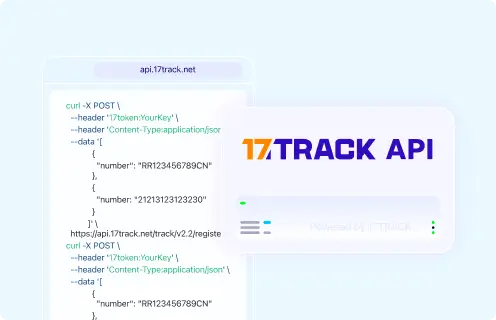
Businesses can use the merchant shipment record for order-to-tracking reconciliation and use 17TRACK when multiple carriers appear in one order flow. Carrier API access, batch limits, webhooks, authentication, and commercial terms must be checked in the relevant current developer documentation.
Developer/API Comparison
| Option | Provider | ||||||||||
|---|---|---|---|---|---|---|---|---|---|---|---|
| Multi-carrier tracking API | 17TRACK | ||||||||||
View all details for 17TRACK API
| |||||||||||
FAQ
Basic FAQs
Enter the shipment tracking number on the official GLS US website or use 17TRACK to view available events.
Look in the dispatch email, shipping label, carrier receipt, or marketplace shipment page.
The format is service-dependent, so copy the complete identifier rather than relying on a prefix or length.
Check transcription, remove accidental punctuation, and ask the sender whether the parcel has been physically handed over.
A scan gap can occur between facilities or before partner acceptance; compare the last event with the sender’s dispatch confirmation.
Use the estimate attached to the exact service and route; weather, weekends, address issues, volume, and handoffs can change it.
Read the exception message, check access and address details, and follow the official or sender-provided redelivery instructions.
Check all delivery locations, household members, neighbors, and building staff, then request proof of delivery and contact the sender.
Preserve the packaging and evidence, then have the eligible sender or claimant start the applicable carrier inquiry or claim.
Start with the official GLS US website and provide the tracking number, shipment route, latest scan, and requested remedy.
Expert FAQs
No; a carrier can display partner-issued or merchant-linked identifiers after electronic or physical handoff.
Label creation records shipment data, while acceptance requires a receipt or possession event; the two events can be separated in time.
Store the merchant order ID separately and map it to the exact tracking identifier submitted to the carrier or 17TRACK.
No; address changes and delivery instructions must be requested through the responsible carrier, sender, or merchant.
No; destination arrival, customs review, customs release, and last-mile acceptance are separate lifecycle events.
Tracking API
// Carrier official API: Current public official tracking API not confirmed.
// 17TRACK API
POST https://api.17track.net/track/v2.4/register
Headers:
  17token: YourKey
  Content-Type: application/json

Body:
[
  {
    "number": "TRACKING_NUMBER",
    "carrier": "CARRIER_CODE"
  }
]
Sources & References
- GLS US — Official website. GLS US
- 17TRACK — Independent shipment tracking platform. 17TRACK
- 17TRACK API Documentation. 17TRACK
17TRACK is an independent tracking platform and is not affiliated with GLS US.
Track your package
Global express parcel tracking service