GLS Canada (Dicom) Tracking
Please enter the GLS Canada (Dicom) tracking number to check the latest shipping status.
About Gls Canada Dicom
Gls Canada Dicom is the carrier identity supplied for this tracking guide. Use the official website and the shipment label to confirm which operating entity accepted the parcel, especially when a marketplace or logistics partner created the label.
| Field | Verified reference |
|---|---|
| Official website | https://gls-canada.com/ |
| Tracking responsibility | Shipment events should be interpreted from the carrier or delivery partner that physically holds the parcel at each stage. |
| Brand identity | Keep Gls Canada Dicom separate from similarly named carriers, marketplace order systems, and merchant reference numbers. |
Carrier Entity Relationships
| Entity | Relationship and tracking meaning |
|---|---|
| Gls Canada Dicom | Gls Canada Dicom is the carrier name this page is intended to help users identify and track. |
| Merchant or marketplace | A merchant or marketplace may issue an order or reference number that is different from the transport tracking number. |
| 17TRACK | 17TRACK aggregates available carrier events; 17TRACK does not transport parcels or decide claims, refunds, address changes, or delivery outcomes. |
Quick Answer
Enter the transport tracking number, rather than the store order number, on the official Gls Canada Dicom website or in 17TRACK. If no result appears, check the characters, remove spaces or punctuation, allow time for the first acceptance scan, and ask the seller to confirm the carrier assignment.
How to Track Gls Canada Dicom Packages
| Path | Steps |
|---|---|
| Official tracking | Open the official website, choose the tracking function, enter the transport number, and compare the latest event with the shipment receipt or label. |
| 17TRACK | Open 17TRACK, paste the number, allow carrier detection, and use the event timeline to identify the current or latest reported handler. |
| No number | Ask the seller or sender for the carrier tracking number. An order ID, invoice number, postal code, or delivery notice is not automatically a transport identifier. |
Tracking Number Formats and Examples
A tracking number is assigned to a transport record, while a merchant order number identifies a purchase. The official website or 17TRACK should be used to validate the number rather than inferring a service solely from a prefix.
Tracking Number Format
| Identifier family | Normalized pattern and use | ||||||||
|---|---|---|---|---|---|---|---|---|---|
| Carrier transport number | Use the exact alphanumeric identifier printed on the carrier label or shipping receipt. A masked example is TRACK #### ####. | ||||||||
View all details for carrier transport numbers
| |||||||||
| International postal identifier | Some international shipments use a UPU S10-style pattern such as AA#########BB, where letters and country code require carrier validation. | ||||||||
View all details for international postal identifiers
| |||||||||
Tracking Statuses and Meanings
Status Quick Lookup
| Status | Meaning and next action |
|---|---|
| Label created / pre-shipment | Electronic shipment data exists; the parcel may still be with the sender. The sender should confirm physical handover. |
| Accepted / received | A carrier or authorized acceptance point has recorded possession. Wait for sorting or line-haul events. |
| In transit | The shipment is moving between facilities. Contact the sender if the promised delivery window has passed. |
| Out for delivery | The parcel has entered a delivery route. Ensure access to the address and check delivery instructions. |
| Delivered | A delivery scan was recorded. Check the stated location, household members, reception desk, neighbors, and proof of delivery. |
| Exception / return | A delivery or transport issue requires review. The sender should contact the carrier or start the applicable inquiry. |
Services and Delivery Times
Service Comparison
| Service record | Best use | ||||||
|---|---|---|---|---|---|---|---|
| The service named on the shipping label | Use the named service to interpret its delivery commitment and tracking coverage. | ||||||
View all details for the selected service
| |||||||
Delivery Time
| Timing question | Practical answer |
|---|---|
| Published standard | Use the service-specific estimate shown by Gls Canada Dicom or the seller for the shipment route; timing depends on origin, destination, cutoff, weekends, weather, address quality, and handoffs. |
| Guarantee | An estimated delivery date is not automatically a money-back guarantee. Review the applicable service terms before requesting a refund. |
Destination Country Delivery Times
| Destination | Planning guidance |
|---|---|
| Canada | Use the route-specific estimate supplied at booking; regional and remote-area delivery can require additional time. |
| United States | Allow for cross-border transport, customs review, and destination-carrier handoff where applicable. |
| Other international destinations | Confirm destination eligibility and the current service estimate before shipping; customs and local delivery operations can change the timeline. |
Common Tracking Problems and Solutions
Problem & Solution
| Problem/status shown | Immediate action |
|---|---|
| Invalid number | Compare every character with the label, remove accidental punctuation, and ask the sender to verify the carrier and number. |
| No movement after label creation | Ask the sender whether the parcel was physically handed over; electronic pre-advice alone does not establish acceptance. |
| Long gap or stuck in transit | Compare the gap with the stated delivery estimate, then have the sender open the carrier inquiry where the service permits it. |
| Address error or failed delivery | Contact the carrier through its official channel promptly; the sender may have more authority for corrections, return requests, or claims. |
| Delivered but not received | Check the delivery location, household, concierge, neighbors, and proof of delivery; then contact the local delivery channel and seller. |
| Lost or damaged parcel | Keep packaging and contents, record photographs, preserve invoices, and ask the sender to use the applicable investigation or claim process. |
International Shipping, Customs and Carrier Handoffs
| Stage | What customers should understand |
|---|---|
| Origin acceptance and export | The origin operator records acceptance and prepares the shipment for transport and any required export checks. |
| Line-haul and customs | Movement may be invisible while the parcel travels or awaits customs review. Arrival at a customs facility is not the same as release. |
| Partner handoff | Electronic pre-advice, physical handover, and the first receiving scan are separate events. A partner scan does not by itself prove final-carrier possession. |
| Destination delivery | Import duties, taxes, documents, address quality, and local delivery rules can affect release and final delivery. The sender should provide commercial documents when requested. |
Delivery Management and Post-shipment Options
| Option | Who should act |
|---|---|
| Delivery instruction, redirect, pickup, or redelivery | Check the official shipment page for eligibility. The recipient may request an available option, while the sender may control changes, returns, or account-level services. |
| Proof of delivery | The recipient or sender should request the carrier’s available delivery evidence when a delivery scan is disputed. |
Lost, Damaged, Claims, Insurance and Refunds
| Process | Use when |
|---|---|
| Tracking inquiry | Use when an event needs clarification or a shipment appears delayed. |
| Loss or damage claim | The sender should follow the applicable carrier terms and retain the label, tracking number, invoice, value evidence, photographs, packaging, and contents. |
| Merchant refund | A seller controls a commercial refund or replacement; 17TRACK cannot approve it or change the transport result. |
Shipping Restrictions and Special Handling
| Category | Customer action |
|---|---|
| Dangerous goods, batteries, liquids, perishables, and regulated articles | Review the current carrier and destination rules before tendering the shipment; incorrect declaration or packaging can cause refusal, delay, return, or disposal. |
| Customs-controlled goods | Provide accurate contents, value, origin, recipient details, and required documents. Customs authorities, rather than 17TRACK, determine admissibility and release. |
Customer Service
Customer Service
| Channel | Best use |
|---|---|
| Official website | Start with the official website for current tracking and contact routes. |
| Sender or seller | Use the sender for carrier assignment, shipment details, commercial documents, replacement, and claim coordination. |
| 17TRACK | Use 17TRACK to consolidate available events, not to request a redirect, refund, claim decision, or physical investigation. |
Prepare the tracking number, shipment date, origin and destination, service name, latest scan, address, sender details, contents description, value evidence, and photographs before escalating.
Ecommerce and Business Tracking
Merchants can use the carrier’s own tools where available and can use 17TRACK for multi-carrier event aggregation, normalized statuses, batch workflows, and exception monitoring. API access, authentication, carrier coverage, and notification features depend on the selected provider and current documentation.
Developer/API Comparison
| Option | Provider | ||||||
|---|---|---|---|---|---|---|---|
| Carrier integration | Gls Canada Dicom | ||||||
View all details for the carrier integration
| |||||||
| Multi-carrier API | 17TRACK | ||||||
View all details for the 17TRACK integration
| |||||||
FAQ
Basic FAQs
Enter the transport tracking number on the official Gls Canada Dicom website or use 17TRACK to view available shipment events.
Look in the dispatch email, marketplace shipment page, carrier label, receipt, or ask the sender for the transport identifier.
The number can be carrier- or partner-issued, so validate the complete identifier with the official tracker instead of relying only on its prefix.
The first event appears after shipment data is accepted and a physical or operational scan is recorded; label creation alone may precede acceptance.
A scan gap can occur during handoff, transport, sorting, or customs; compare the gap with the seller’s delivery estimate and then ask the sender to investigate.
Delivery time depends on the selected service, route, cutoff, address, operational conditions, and customs where applicable.
Review the event instructions, verify address access, and use the official carrier or sender channel for any eligible redelivery or pickup action.
Check the delivery location, household members, reception desk, and neighbors, then request available proof of delivery and contact the sender.
Preserve the packaging and contents, collect photographs and value evidence, and ask the sender to use the applicable carrier inquiry or claim process.
Use the current contact route on the official Gls Canada Dicom website and provide the tracking number and latest scan.
Expert FAQs
No; label creation can represent electronic pre-advice, while acceptance requires a later operational or physical scan.
Yes; a logistics or origin partner may issue the identifier and Gls Canada Dicom may later display events after an eligible handoff.
No; arrival, examination, document review, payment assessment, and release are separate customs stages.
No; 17TRACK reports available events but cannot redirect, intercept, hold, or alter a shipment.
Businesses should check the current carrier integration terms and may use the documented 17TRACK API for multi-carrier tracking workflows.
Submit the transport tracking number rather than the marketplace order number, invoice number, or seller reference.
Tracking API
// 1. Carrier official tracking API
// Current public official tracking API not confirmed.

// 2. 17TRACK API
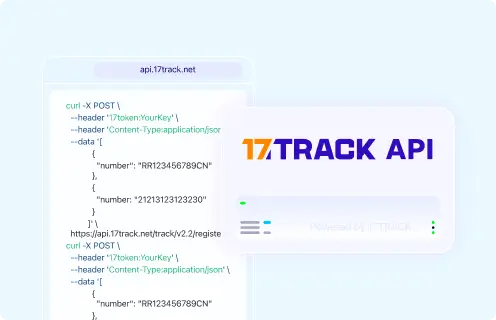
POST https://api.17track.net/track/v2.4/register
Headers:
  17token: YourKey
  Content-Type: application/json

Body:
[
  {
    "number": "TRACKING_NUMBER",
    "carrier": "CARRIER_CODE"
  }
]

// Confirm the current Gls Canada Dicom carrier code in
// the 17TRACK carrier directory before production use.
Sources & References
- Gls Canada Dicom — Official website. Gls Canada Dicom
- 17TRACK API Documentation. 17TRACK
17TRACK is an independent tracking platform and is not affiliated with Gls Canada Dicom.
Track your package
Global express parcel tracking service