Fudu Logistics Tracking
Please enter the Fudu Logistics tracking number to check the latest shipping status.
About Fudu Logistics
Fudu Logistics is the carrier identity supplied for this tracking guide. Use the official Fudu Logistics website for shipment-specific instructions, service terms, and contact routes. Tracking availability depends on the identifier issued for the shipment and on the transport stage represented by the latest scan.
| Field | Verified page information |
|---|---|
| Display name | Fudu Logistics |
| Official website | http://www.szfd56.com/ |
| Tracking platform | The official website and 17TRACK may display available shipment events when the identifier is recognized. |
Carrier Entity Relationships
| Entity | Relationship summary |
|---|---|
| Fudu Logistics | Fudu Logistics is the carrier identity that users should select when the shipment record identifies Fudu Logistics. |
| Official tracking source | The official Fudu Logistics website is the primary place to check carrier-specific shipment instructions. |
| 17TRACK | 17TRACK is an independent platform that aggregates available tracking events and does not transport parcels. |
Quick Answer
Enter the shipment tracking number shown in the seller’s dispatch message, shipping label, receipt, or delivery notice on the official Fudu Logistics website or in 17TRACK. If no result appears, check the number character by character, remove spaces or hyphens, confirm that it is a tracking number rather than an order number, and allow time for the first carrier scan. 17TRACK is an independent tracking platform and cannot change an address, arrange delivery, approve a refund, or decide a claim.
How to Track Fudu Logistics Packages
A reliable lookup uses the shipment identifier, not the purchase reference. The seller can confirm which identifier was actually handed to the carrier.
| Route | Action |
|---|---|
| Official Fudu Logistics route | Open the official website, locate its shipment inquiry or tracking function, enter the shipment identifier, and preserve the result page or reference for follow-up. |
| 17TRACK route | Open 17TRACK, paste the identifier, allow carrier recognition, and compare the latest event with the seller’s dispatch information. |
| No result | Confirm that the number is not an order ID or reference ID, check for transcription errors, and ask the seller whether the parcel has received a physical acceptance scan. |
Tracking Number Formats and Examples
A Fudu Logistics shipment number should be copied exactly as supplied by the sender. A carrier may be able to display a partner-issued identifier without having issued that identifier. Examples below are deliberately masked and cannot be used to identify a shipment.
Tracking Number Format
| Identifier family | Normalized pattern | ||||||||||
|---|---|---|---|---|---|---|---|---|---|---|---|
| Carrier shipment identifier | Use the exact alphanumeric or numeric string supplied by the sender; a masked example is FD##########. | ||||||||||
View all details for the carrier shipment identifier
| |||||||||||
| Merchant order or reference ID | A masked example is ORDER-####-####; it is not normally a carrier tracking number. | ||||||||||
View all details for merchant references
| |||||||||||
Tracking Statuses and Meanings
| Status | Lifecycle meaning | ||||||
|---|---|---|---|---|---|---|---|
| Label created / pre-shipment | Electronic shipment data exists, but this event alone does not prove physical acceptance. | ||||||
View all details for label created / pre-shipment
| |||||||
| Accepted / in transit | A transport event has been recorded and the shipment is moving through the available network. | ||||||
| Customs or handover | The shipment may be awaiting inspection, documents, import processing, or a receiving partner scan. | ||||||
| Out for delivery | The delivery agent has received a dispatch instruction for the address or route. | ||||||
| Delivered | A delivery event was recorded; check the location, recipient, building desk, and proof of delivery if the parcel is not visible. | ||||||
| Exception / return | An address, access, customs, damage, refusal, or routing issue requires review before delivery or return. | ||||||
Services and Delivery Times
A delivery estimate should be read together with the origin, destination, service selected by the seller, customs processing, and last-mile handoff. An estimate is not automatically a delivery guarantee.
Service Comparison
| Service category | Best use |
|---|---|
| Standard parcel transport | Routine shipments where tracking events are available through the selected transport route. |
| Cross-border parcel route | International orders requiring export, import, and destination delivery coordination. |
| Return shipment | Goods sent back under a seller or carrier return instruction. |
Delivery Time
| Calculation point | Practical guidance |
|---|---|
| Beginning of transit | Use the first physical acceptance or departure event rather than label creation alone. |
| Estimated delivery | Treat the seller or carrier estimate as a planning window affected by transport and customs events. |
| Delay factors | Weather, peak volume, address quality, customs, weekends, holidays, handoffs, and missed scans can extend transit. |
Destination Country Delivery Times
| Destination | Planning guidance |
|---|---|
| United States and Canada | Use the shipment-specific estimate; customs and destination handoff can create visibility gaps. |
| United Kingdom and European Union | Allow for import data, tax handling, customs review, and local delivery processing. |
| Australia, New Zealand, Japan, and Singapore | Check the latest destination scan and any import request before escalating. |
| Other destinations | A country-specific estimate should come from the shipment record or seller because route, service, and handoff determine the delivery window. |
Common Tracking Problems and Solutions
| Problem or status | First action |
|---|---|
| Invalid number | Copy the identifier again, remove accidental punctuation, and ask the seller to distinguish tracking number from order number. |
| No movement after label creation | Ask the sender whether the parcel has physically entered the carrier network. |
| Long period without an update | Compare the latest event with the expected route, then ask the sender to open a carrier inquiry where permitted. |
| Customs or handoff delay | Check for an import-document or tax request and contact the party named in the latest event. |
| Delivered but not received | Check the delivery location, household members, reception desk, neighbors, building access points, and proof of delivery; then contact the seller and delivery party. |
| Damage or loss | Photograph the parcel and packaging, preserve contents and labels, and ask the sender about the applicable investigation or claim route. |
International Shipping, Customs and Carrier Handoffs
International tracking follows a chain of custody. An arrival scan in a destination country does not by itself mean that customs has released the parcel or that the last-mile carrier has accepted it.
| Stage | What the event generally means |
|---|---|
| Origin preparation | Shipment data and a label are prepared before the parcel is physically accepted. |
| Export processing | The shipment is sorted, security-screened, and prepared for international transport. |
| Line-haul | The parcel is moving between origin and destination transport points; scans can be intermittent. |
| Import customs | Authorities or their processing agents review the declaration, documents, duties, and restrictions. |
| Partner handoff and last mile | A destination operator receives or schedules delivery; the original identifier may remain visible or a local identifier may be added. |
Delivery Management and Post-shipment Options
Delivery changes depend on the carrier, service, destination, and shipment stage. The recipient should first review the official shipment instructions; the seller or sender may control changes after dispatch.
| Option | Who should request it |
|---|---|
| Address correction | Ask the sender or the responsible delivery operator whether correction is permitted before final delivery. |
| Redelivery or pickup | The recipient should follow the delivery notice or contact route associated with the latest delivery event. |
| Proof of delivery | The recipient or sender can request available delivery evidence when the tracking record shows delivery. |
Lost, Damaged, Claims, Insurance and Refunds
A tracking inquiry, a carrier investigation, an insurance claim, a postage refund, and a marketplace refund are separate processes. Keep the label, receipt, packaging, photographs, invoice, value evidence, and shipment history.
Claims and Refunds
| Process | Use when |
|---|---|
| Tracking inquiry | The event history needs clarification or a shipment appears stalled. |
| Carrier investigation or claim | The shipment is alleged to be lost, damaged, or missing contents; filing rights and evidence depend on the service and sender contract. |
| Seller or marketplace refund | The buyer seeks a commercial remedy under the seller’s order policy; 17TRACK cannot approve it. |
Shipping Restrictions and Special Handling
Prohibited and restricted goods vary by origin, destination, transport mode, customs authority, and service. Check the current Fudu Logistics rules and destination-country requirements before dispatch.
| Category | Practical caution |
|---|---|
| Batteries and liquids | Packaging, labeling, transport mode, and destination rules can restrict acceptance or cause inspection. |
| Dangerous goods | Do not tender hazardous materials without the required classification, packaging, declaration, and carrier acceptance. |
| Perishable or fragile goods | Use suitable protective packaging and confirm whether the selected service accepts the item. |
| Customs-controlled goods | Accurate descriptions, value, origin, permits, and recipient information reduce avoidable clearance issues. |
Customer Service
| Channel | Best use |
|---|---|
| Official website | Open the official Fudu Logistics website for carrier-specific service and contact information. |
| Seller or marketplace | Use this route when the parcel was purchased online, the label was created by the seller, or a refund or replacement is needed. |
| 17TRACK | Use 17TRACK to review aggregated tracking events; it cannot investigate a parcel or authorize a claim. |
Prepare the tracking number, order reference, sender and recipient details, dispatch date, latest scan, service selected, item description, value evidence, and photographs before escalating.
Ecommerce and Business Tracking
Businesses should keep the seller order ID linked to the actual shipment identifier and distinguish carrier events from marketplace status. Multi-carrier platforms can normalize available events, but they do not replace the carrier’s operational authority.
Developer/API Comparison
| Option | Provider | ||||||||||
|---|---|---|---|---|---|---|---|---|---|---|---|
| Official carrier integration | Fudu Logistics | ||||||||||
View all details for the official carrier integration
| |||||||||||
| 17TRACK API | 17TRACK | ||||||||||
View all details for the 17TRACK API
| |||||||||||
FAQ
Basic FAQs
Enter the shipment tracking number on the official Fudu Logistics website or use 17TRACK to review available events.
Look in the seller’s dispatch email, shipping label, receipt, order page, or delivery notice.
The identifier may be numeric or alphanumeric; copy the complete string supplied by the sender because a prefix alone does not establish the service.
The first event appears after shipment data is processed and a physical handling or acceptance scan is available.
A parcel can be between scans, awaiting handoff, in customs processing, or still with the sender; ask the seller to confirm physical dispatch.
Transit depends on origin, destination, service, customs, handoffs, weekends, and network conditions, so use the shipment-specific estimate.
Read the delivery notice, verify the address and access instructions, and contact the responsible delivery route or seller about redelivery or pickup.
Check the delivery location, household members, reception desk, neighbors, and proof of delivery, then contact the seller and delivery operator.
Preserve the packaging and evidence and ask the sender to use the applicable carrier investigation or claim process.
Start with the official Fudu Logistics website and provide the tracking number, dispatch date, latest scan, and sender details.
Expert FAQs
No; label creation or electronic pre-advice can appear before physical acceptance, so look for a handling, pickup, or acceptance event.
It may keep the original identifier or receive a local partner identifier, depending on the route and data exchange.
No; arrival, customs review, customs release, and last-mile acceptance are separate events.
The importer or recipient should review the request and provide accurate documents or payment through the responsible customs or delivery channel.
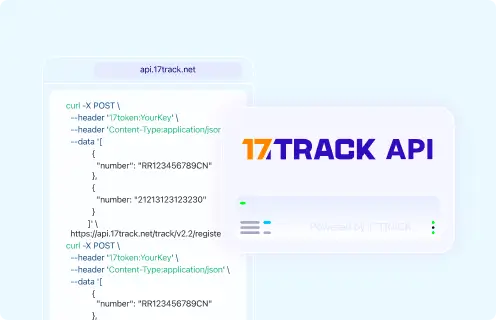
Businesses can review the current official Fudu Logistics integration route and can use the documented 17TRACK API for supported multi-carrier workflows.
The tracking number identifies a transport record, while the marketplace order number identifies the commercial purchase.
Tracking API
// Carrier official API: use the current Fudu Logistics developer
// documentation and credentials published by Fudu Logistics.

// 17TRACK API
// POST https://api.17track.net/track/v2.4/register
// Headers: 17token: YourKey
//           Content-Type: application/json

fetch("https://api.17track.net/track/v2.4/register", {
  method: "POST",
  headers: {
    "17token": "YourKey",
    "Content-Type": "application/json"
  },
  body: JSON.stringify([
    {
      "number": "TRACKING_NUMBER",
      "carrier": "CARRIER_CODE"
    }
  ])
});
Sources & References
- Fudu Logistics official website. Fudu Logistics
- 17TRACK API documentation. 17TRACK
- 17TRACK tracking platform. 17TRACK
17TRACK is an independent tracking platform and is not affiliated with Fudu Logistics.
Track your package
Global express parcel tracking service