Flyking

Flyking Tracking

Please enter the Flyking tracking number to check the latest shipping status.

To extract possible tracking number complying with all tracking number rules.Clear text from input field.Track the entered order number.

About Flyking

Flyking is the carrier name associated with the shipment information supplied by the sender or selling platform. The exact service role, route, and responsible delivery party depend on the label and the shipment record. Use the official website and the tracking result to identify the current custodian before requesting a delivery change or claim.

FieldVerified page guidance
Official websiteFlyking official website
Carrier typeDetermine from the shipment record whether Flyking is the originating carrier, a forwarding provider, or a delivery-stage partner.
Tracking pageStart with the tracking entry on the official Flyking website, then compare available events in 17TRACK.
Parent organizationUse the legal or account name shown on the invoice, shipping label, or official service record.

Carrier Entity Relationships

EntityRelationship to Flyking
FlykingFlyking is the carrier entity selected for this tracking page; the shipment record determines the operational role.
View all relationship details for Flyking
Tracking products17TRACK aggregates available events from carrier and logistics-partner systems; aggregation does not mean Flyking operates the 17TRACK platform.
Network entitiesSorting facilities, customs authorities, airlines, postal operators, and last-mile companies may appear in a shipment record when a handoff occurs.
International partnersA destination postal operator or delivery company may become responsible after import or local handoff; the event history should identify that transition.
Why it mattersThe party that can investigate a delay or approve a delivery action is normally the current physical custodian, the seller, or the shipping account holder.

Quick Answer

Enter the shipment tracking number—not the marketplace order number—on the official Flyking tracking page or in 17TRACK. If no result appears, check every character, remove spaces or punctuation, wait for the first physical acceptance scan, and ask the seller which carrier actually received the parcel. 17TRACK is an independent tracking platform; it does not transport parcels, change addresses, approve refunds, or decide claims.

Pro Tip: A label or electronic pre-advice can exist before Flyking physically receives the parcel. The first acceptance, pickup, or facility scan is stronger evidence of physical possession.

How to Track Flyking Packages

Use two complementary paths: the official Flyking tracking page for carrier-originated information and 17TRACK for consolidated events when a shipment involves more than one logistics provider.

StepAction
1. Find the identifierCheck the shipping email, seller order page, label, receipt, or dispatch message.
2. Use official trackingOpen the official Flyking website and enter the tracking identifier exactly as supplied.
3. Compare eventsEnter the same identifier in 17TRACK to identify available cross-carrier or destination events.
4. Escalate correctlyThe seller or shipping account holder should contact the dispatching carrier when the number is inactive or the parcel has not been handed over.

A tracking number identifies a shipment. An order number identifies a purchase; a reference number identifies a merchant record; a label number may identify a shipping document; and a delivery notice number may identify a local attempt. These identifiers are not automatically interchangeable.

Tracking Number Formats and Examples

A carrier may use more than one identifier, and a partner-issued number can be searchable by Flyking without having been issued by Flyking. The safest method is automatic carrier recognition followed by verification on the official tracking page.

Tracking Number Format

Identifier familyNormalized pattern
Carrier-issued parcel identifierUse the exact alphanumeric string printed on the label or dispatch notice.
View all details for carrier-issued parcel identifiers
Length and structureUse the length and character set shown by the sender; a universal Flyking pattern should not be inferred from a prefix alone.
Issued byThe issuing party may be Flyking, a marketplace logistics account, an origin carrier, or a transport partner.
Typical useParcel acceptance, sorting, line-haul movement, delivery, return, or exception handling.
Who sees itThe buyer may see it in a dispatch email or order page; the sender sees it on the label or account record.
Tracking scopeVisibility depends on whether the identifier is linked to physical scans and whether partner events are shared.
CaveatDo not convert a marketplace order number into a tracking number unless the seller explicitly identifies it as such.
Origin-post or partner identifierMay use a postal or partner format such as grouped letters and digits; preserve all characters.
View all details for origin-post or partner identifiers
Issued byThe origin postal operator, consolidator, freight forwarder, or destination partner may issue the identifier.
User scenarioCross-border buyers may first receive the origin number and later see a linked last-mile identifier.
Tracking scopeEvents can pause during export, flight, customs, or handoff even when the parcel continues moving.
NormalizationTry the identifier without spaces or hyphens only when the official tracker or 17TRACK accepts normalized input.
CaveatBeing searchable in Flyking or 17TRACK does not prove that Flyking issued the number.
Merchant reference or order IDUsually a store-specific reference rather than a carrier tracking number.
View all details for merchant references
Where it appearsMarketplace order pages, invoices, payment confirmations, or seller support messages.
Who can resolve itThe seller or marketplace can map the reference to the actual shipment identifier.
Tracking limitationA merchant reference may return no carrier events when entered into a public tracking tool.

Tracking Statuses and Meanings

Tracking language describes the latest received event, not necessarily the parcel’s exact position at the moment you view it. Responsibility can change at acceptance, export, import, handoff, delivery, or return.

Status Quick Lookup

StatusMeaning
Label created / pre-shipmentElectronic shipment data exists, but physical acceptance may not have occurred.
View all details for pre-shipment status
Lifecycle stageShipment preparation.
Responsible partyUsually the seller, shipper, or pickup provider.
What happens nextA pickup, acceptance, or facility scan should create the first movement event.
Customer actionAsk the seller whether the parcel has physically been handed over.
In transitThe shipment has a movement event and is progressing through transport or processing.
View all details for in-transit status
Lifecycle stageSorting, line-haul, export, import, or regional movement.
Responsible partyThe facility or transport provider associated with the latest scan.
What happens nextAnother facility, customs, handoff, or delivery scan may appear.
Customer actionMonitor the event history and avoid opening duplicate cases while normal movement continues.
Customs or handoffThe shipment is being reviewed by authorities or transferred between logistics operators.
View all details for customs or handoff status
Important distinctionArrival at a customs facility does not by itself prove customs release.
Responsible partyCustoms, the broker, the origin carrier, or the destination carrier depending on the event.
Customer actionProvide requested documents or payment through an authorized channel and check the seller’s instructions.
Out for delivery / deliveredThe local delivery network has received a delivery-stage event or a completion scan.
View all details for delivery-stage statuses
Responsible partyThe local delivery operator associated with the latest scan.
What happens nextDelivery, pickup, an attempt notice, or a post-delivery inquiry may follow.
Customer actionCheck the delivery location, household members, reception desk, neighbors, and any proof-of-delivery information.
Exception / returnA delivery, address, customs, damage, or routing problem requires attention or has triggered return processing.
View all details for exception and return statuses
Responsible partyThe party named in the event or the sender’s shipping account holder.
What happens nextCorrection, reattempt, pickup, investigation, or return to sender may occur.
Customer actionContact the seller promptly and use the official carrier channel for address or delivery instructions.

Services and Delivery Times

A reliable delivery estimate requires the actual service name, origin, destination, acceptance date, address quality, customs treatment, and destination partner. Do not treat a marketplace promise or an automated estimate as a guaranteed carrier commitment.

Service Comparison

Service categoryBest use
Standard parcel serviceRoutine shipments where the seller has supplied a trackable parcel identifier.
View all service details for standard parcel service
CoverageConfirm the origin, destination, and service eligibility on the shipment record.
Tracking levelEvent visibility depends on acceptance scans and partner data exchange.
LimitationsCustoms, weekends, remote areas, weather, peak volume, and handoff gaps can extend delivery.
International or partner movementCross-border shipments that may change custody after export or import.
View all service details for international or partner movement
Tracking levelOrigin, transit, customs, destination, and last-mile events may be supplied by different systems.
ProtectionInsurance, signature, compensation, and claims rights depend on the purchased service and shipping contract.
LimitationA destination carrier may require its own local identifier or website for the final delivery stage.

Delivery Time

Timing basisHow to interpret it
Estimated delivery dateA predictive window based on route and available scans; it can move as new events arrive.
Published service standardA service-specific target whose counting rules and exclusions must be read in the applicable terms.
Guaranteed dateOnly applicable when the purchased service expressly provides a delivery guarantee and remedy.

Destination Country Delivery Times

Destination regionPlanning guidance
Domestic destinationUse the service record and origin-to-destination route rather than a generic country average.
View destination timing details for domestic delivery
Primary service typeUse the service name printed on the label or supplied by the seller.
Average delivery daysA carrier-specific average requires a defined origin, destination, service, and measurement period.
Last-mile partnerThe latest event identifies the delivery-stage operator when partner data is shared.
Customs tipsDomestic shipments normally avoid import customs, but address and regional processing can still affect delivery.
International destinationPlan for transport, export and import processing, customs, partner handoff, and local delivery.
View destination timing details for international delivery
Primary service typeConfirm whether the shipment is postal, courier, freight, economy, or expedited.
Estimated rangeUse the seller’s service promise and the latest carrier estimate; generic ranges are not a Flyking commitment.
Last-mile partnerThe destination postal or delivery operator may take custody after import or local handoff.
Customs tipsAccurate descriptions, value, recipient details, duties, taxes, and requested documents reduce avoidable clearance delays.

Common Tracking Problems and Solutions

Start with the latest event, the party that created it, and whether the parcel has physically entered the carrier network. The seller is usually the fastest escalation path for a marketplace purchase.

Problem & Solution

Problem or statusFirst action
Invalid number or no resultCompare every character with the seller’s dispatch record and try the official tracker.
View all actions for an invalid or inactive number
Likely causeTyping error, order reference used instead of tracking number, duplicate old label, or no physical acceptance scan.
Immediate actionAsk the seller to confirm the carrier, identifier, dispatch date, and handoff status.
EscalationThe sender or shipping account holder should open the carrier inquiry when the parcel was handed over.
No update or stuck in transitReview the last scan location and allow for transport, customs, weekends, and partner handoff gaps.
View all actions for a delayed movement scan
Likely causeUnscanned movement, facility backlog, customs review, weather, address issue, or delayed data exchange.
Immediate actionCheck both official and aggregated tracking, then contact the seller with the latest event.
EscalationUse the applicable carrier inquiry or contractual claim process after the service terms permit it.
Delivered but not receivedCheck the delivery location, household members, reception desk, neighbors, and safe-place instructions.
View all actions for delivered but not received
Next checksReview proof of delivery, delivery photo, GPS or signature information when supplied, and local delivery notices.
Who should actThe recipient should check the premises; the seller or sender should request an official investigation where required.
Important limit17TRACK can display events but cannot retrieve the parcel, reverse a delivery scan, or approve compensation.
Address, customs, damage, or return exceptionContact the seller immediately and use the official carrier channel named in the event.
View all actions for address, customs, damage, or return exceptions
Check firstConfirm the address, recipient phone, customs request, packaging condition, and current custody.
Possible outcomeCorrection, reattempt, pickup, document submission, return, investigation, or claim.
EvidenceKeep the label, packaging, photographs, invoice, payment record, and correspondence.

International Shipping, Customs and Carrier Handoffs

For a cross-border shipment, the latest tracking event identifies the most recently reported stage; it does not always identify the physical location in real time. Customs arrival is different from customs release, and electronic pre-advice is different from physical handoff.

International Flow

StageTypical event
Origin acceptanceThe originating carrier or logistics provider records receipt or pickup.
View all details for origin acceptance
Physical custodianThe party that performs the acceptance or pickup scan.
Number changeThe original identifier may remain active even if a partner creates a linked identifier.
Visibility gapLabel creation and pickup data can precede the first physical scan.
Customer actionKeep the receipt or ask the sender to verify handoff.
Export, line-haul, and importThe shipment moves through export security, transport, destination processing, and customs.
View all details for export, line-haul, and import
Responsible entitiesOrigin facilities, transport operators, airport or exchange facilities, customs authorities, and brokers may each handle a stage.
Customs meaningA customs hold can require information, inspection, payment, or a decision by the authority.
Customer actionSupply accurate invoice, value, product description, tax, and identity information when requested through an authorized channel.
Partner handoff and last mileA destination carrier receives or accepts the parcel for local delivery.
View all details for partner handoff and last mile
Handoff distinctionElectronic data transfer, physical transfer, and first destination acceptance scan are separate events.
Number changeA local tracking identifier may be created, linked, or displayed alongside the original identifier.
Customer actionUse the destination carrier named in the latest event for local delivery questions.

Customer Service

Use the channel connected to the party that can act. Buyers should normally start with the seller; senders and account holders can usually provide the shipment contract, label, value, and dispatch evidence required for a carrier inquiry.

ChannelBest use
Official websiteOpen the Flyking website for the current tracking and contact routes.
View preparation details for the official website
PrepareTracking number, sender and recipient details, dispatch date, latest scan, service name, and a concise description of the issue.
LimitationOnly the current official contact page can establish the applicable phone number, email address, hours, and regional language route.
Seller or marketplace supportUse for an inactive label, missing parcel, refund request, order dispute, or seller-controlled shipping account.
View preparation details for seller support
PrepareOrder ID, tracking number, purchase date, promised delivery window, messages, and photographs where relevant.
Limitation17TRACK cannot authorize a marketplace refund or change the seller’s contractual claim rights.
Destination delivery operatorUse after the latest event identifies a local delivery operator and the question concerns delivery or pickup.
View preparation details for destination delivery support
PrepareLocal identifier if supplied, delivery address, attempted-delivery notice, proof-of-delivery details, and recipient identification where required.
LimitationEligibility for redirection, pickup, reattempt, or address correction depends on the destination operator and shipment stage.

FAQ

Basic FAQs

1. How do I track my Flyking package?

Enter the tracking number on the official Flyking website or in 17TRACK, then compare the latest event and responsible delivery party.

2. Where can I find my Flyking tracking number?

Look in the seller’s dispatch email, marketplace order page, shipping label, receipt, or delivery notification.

3. What does a Flyking tracking number look like?

The format depends on the service or partner; preserve every letter and digit and do not infer the service from a prefix alone.

4. When will my Flyking tracking show the first event?

The first event normally appears after shipment data is accepted by a tracking system or after a physical pickup or acceptance scan.

5. Why is my Flyking tracking not updating?

Possible causes include transport, customs, facility processing, weekend timing, partner handoff, or delayed event transmission; ask the seller to verify the latest physical handoff.

6. How long does Flyking delivery take?

Delivery depends on the purchased service, route, address, customs, and local partner, so use the shipment-specific estimate rather than a generic promise.

7. What should I do after a Flyking delivery attempt fails?

Read the attempt notice, check for pickup or reattempt instructions, and contact the seller or local delivery operator before the holding period ends.

8. What should I do if Flyking says delivered but I cannot find the parcel?

Check safe places, neighbors, reception areas, household members, and proof-of-delivery details, then ask the seller to request an investigation.

9. How do I report a lost or damaged Flyking parcel?

Keep the packaging and evidence, contact the seller or shipping account holder, and use the claim route applicable to the purchased service.

10. How can I contact Flyking about a shipment?

Use the current contact route on the official Flyking website and provide the tracking number, dispatch date, latest event, and complete delivery address.

Expert FAQs

11. Does Flyking issue every number that can be found in its tracking result?

No conclusion should be drawn from visibility alone; an origin carrier, marketplace logistics provider, or destination partner may issue a number that Flyking can reference.

12. Is a label-created event proof that Flyking has the parcel?

No; label creation usually proves that electronic shipment data exists, while an acceptance or pickup scan is stronger evidence of physical receipt.

13. Does customs arrival mean that a Flyking shipment has cleared customs?

No; arrival at a customs facility and customs release are separate events, and the authority may request documents, inspection, or payment.

14. Can a Flyking shipment keep the same number after an international handoff?

It may keep the original number, receive a linked local identifier, or display both, depending on the data exchange between logistics operators.

15. Who should request an investigation for a Flyking shipment?

The sender or shipping account holder is commonly best positioned to open a formal investigation because that party holds the shipment contract and payment evidence.

16. Can 17TRACK change a Flyking delivery address?

No; 17TRACK displays available tracking data and cannot redirect a parcel, alter a carrier instruction, or guarantee a reattempt.

17. What information helps a Flyking support request?

Provide the tracking number, order reference, sender and recipient details, dispatch date, service description, latest scan, and relevant photographs or value documents.

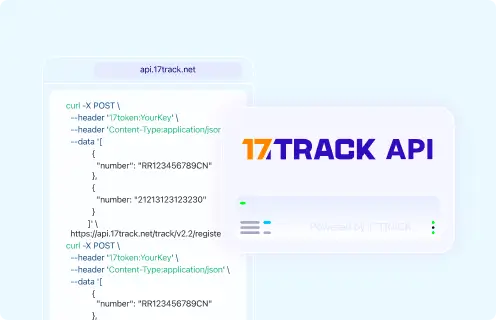
Tracking API

17TRACK API reference
// Carrier official API: current public Flyking tracking API documentation
// requires verification on the official Flyking website before implementation.
//
// 17TRACK API
// POST https://api.17track.net/track/v2.4/register
// Headers: 17token: YourKey
//          Content-Type: application/json
// Replace CARRIER_CODE only with the current 17TRACK carrier code.
POST /track/v2.4/register HTTP/1.1
Host: api.17track.net
17token: YourKey
Content-Type: application/json

[
  {
    "number": "TRACKING_NUMBER",
    "carrier": "CARRIER_CODE"
  }
]

Sources & References

17TRACK is an independent tracking platform and is not affiliated with Flyking.

A professional and stable global package tracking platform.

17TRACK