About E-Cargo
E-Cargo is an Israel-based logistics provider in the Cargo Amerford group. Its official site describes international forwarding, air and ocean freight, customs clearance, warehousing, ecommerce fulfillment, returns, and multi-vendor last-mile services. It also describes a logistics center in Cyprus operated with partners for Mediterranean, Balkan, GCC, and EMEA flows.
Carrier Overview
| Field | Verified information |
|---|
| Official name used on this page | E-Cargo |
| Official website | https://e-cargo.co.il/ |
| Carrier type | Freight forwarder, customs-clearance provider, logistics and fulfillment operator, and coordinator of partner last-mile services |
| Primary region | Israel, with international forwarding and partner-supported Cyprus and EMEA operations |
| Tracking page | Official Track Shipment entry |
| Group relationship | The official site identifies the company as part of the Cargo Amerford group. |
Carrier Entity Relationships
| Entity | Entity type |
|---|
| E-Cargo | Canonical carrier |
View relationship details for the canonical carrier
| Relationship to E-Cargo | It is the logistics entity covered by this tracking guide. |
|---|
| Why it matters to tracking | It coordinates shipment data across forwarding, customs, warehousing, and partner-delivery stages. |
|---|
| Official evidence | Official homepage |
|---|
|
| Air, ocean, and land freight | Operated and coordinated services |
View relationship details for freight services
| Relationship to E-Cargo | E-Cargo arranges air, ocean, land, project, and specialist cargo movements. |
|---|
| Why it matters to tracking | Events may originate from airlines, ports, terminals, warehouses, customs systems, or delivery partners rather than one parcel network. |
|---|
| Official evidence | Freight Solutions |
|---|
|
| Cyprus logistics center | Partner-operated network facility |
View relationship details for the Cyprus logistics center
| Relationship to E-Cargo | The official site says the facility is operated in cooperation with partners. |
|---|
| Why it matters to tracking | A shipment may receive warehouse, consolidation, sorting, or onward-dispatch events in Cyprus before final delivery. |
|---|
| Official evidence | E-commerce Solutions |
|---|
|
| Worldwide agents and last-mile providers | International and delivery partners |
View relationship details for delivery partners
| Relationship to E-Cargo | Partners support international transport and multi-vendor last-mile delivery. |
|---|
| Why it matters to tracking | A partner may issue or later add a separate identifier and may become the physical custodian during a handoff. |
|---|
| Official evidence | Official worldwide-partner description |
|---|
|
| 17TRACK | Independent tracking platform |
View relationship details for 17TRACK
| Relationship to E-Cargo | 17TRACK can aggregate available tracking events when the submitted identifier and carrier data are supported. |
|---|
| Why it matters to tracking | It can provide a multi-carrier view but does not transport parcels or control customs and delivery decisions. |
|---|
| Official evidence | 17TRACK |
|---|
|
Quick Answer
Enter the shipment identifier supplied by the sender in the official Track Shipment entry or submit it to 17TRACK. If no result appears, remove spaces, verify that you copied a shipment number rather than an order number, and ask the sender whether a partner or last-mile number was assigned. 17TRACK is independent: it cannot collect freight, change an address, clear customs, authorize a refund, or approve a claim.
Pro Tip: A booking confirmation or label record is not proof that the physical shipment has been collected. Look for an acceptance, warehouse-receipt, terminal-receipt, or partner handoff event.
How to Track E-Cargo Packages
Use the identifier shown on the shipping confirmation, transport document, ecommerce dispatch message, or partner label. Freight and cross-border shipments may carry more than one reference.
- Copy the complete identifier without surrounding text.
- Open the official website and select its Track Shipment entry.
- Enter the identifier and review the event time, location, custodian, and latest exception.
- Alternatively, open 17TRACK, enter the number, and use carrier detection or select the carrier associated with the label.
- If the identifier fails, ask the seller or shipper for the transport-document number and any partner or destination-delivery number.
Which identifier should you use?
| Identifier | How to use it |
|---|
| Shipment or tracking number | Use first in the official tracker or 17TRACK. |
| Order number | Use with the merchant; it may not be recognized by a carrier tracker. |
| Booking or forwarding reference | Useful for shipper or account support, particularly for freight movements. |
| Air waybill or ocean document number | Use for the corresponding air or ocean movement when supplied by the forwarder. |
| Partner or last-mile number | Use on the operating partner’s tracker after handoff. |
Tracking Statuses and Meanings
Status wording can come from forwarding, warehouse, customs, airline, ocean, or last-mile systems. Read the event together with its location and responsible operator.
Status Quick Lookup
| Status | Lifecycle stage |
|---|
| Shipment information received | Pre-shipment |
View details for shipment information received| What it means | Electronic shipment data exists, but physical receipt is not established. |
|---|
| Current responsible party | Sender or fulfillment warehouse. |
|---|
| What happens next | Collection or warehouse acceptance. |
|---|
| What you should do | Ask the sender for handoff confirmation if the status persists beyond the booked collection plan. |
|---|
|
| Received at warehouse or facility | Accepted |
View details for facility receipt| What it means | The shipment was physically recorded at a logistics location. |
|---|
| Current responsible party | The receiving warehouse or handling operator. |
|---|
| What happens next | Sorting, consolidation, documentation, or dispatch. |
|---|
| What you should do | Monitor for onward movement unless documents or compliance information are requested. |
|---|
|
| Departed facility / in transit | In transit |
View details for in-transit movement| What it means | The shipment left a recorded node for another facility, port, or airport. |
|---|
| Current responsible party | Line-haul carrier or forwarding agent. |
|---|
| What happens next | Arrival, transfer, or destination processing. |
|---|
| What you should do | Allow for scheduled movement and scan gaps between nodes. |
|---|
|
| Customs processing | Customs/Handover |
View details for customs processing| What it means | Customs or a broker is reviewing the declaration, documents, permits, value, or goods. |
|---|
| Current responsible party | Customs authority, broker, and importer as applicable. |
|---|
| What happens next | Release, assessment, inspection, or a request for information. |
|---|
| What you should do | Respond promptly to document or payment requests through verified channels. |
|---|
|
| Transferred to delivery partner | Customs/Handover |
View details for partner handoff| What it means | A destination carrier is expected to receive or has recorded the shipment; check whether the event confirms physical acceptance. |
|---|
| Current responsible party | The releasing operator until the partner records receipt. |
|---|
| What happens next | A partner intake scan and local sorting. |
|---|
| What you should do | Use the partner number if supplied and wait for the first physical receipt event. |
|---|
|
| Out for delivery | Out for delivery |
View details for out for delivery| What it means | The local delivery provider assigned the shipment to a delivery route. |
|---|
| Current responsible party | Last-mile provider. |
|---|
| What happens next | Delivery, attempted delivery, pickup routing, or an exception. |
|---|
| What you should do | Keep the delivery location accessible and follow verified delivery instructions. |
|---|
|
| Delivered | Delivered |
View details for delivered| What it means | The delivery operator recorded completion at the stated place or recipient. |
|---|
| Current responsible party | Recipient after valid delivery, subject to investigation if disputed. |
|---|
| What happens next | Proof-of-delivery review or case investigation if the shipment is missing. |
|---|
| What you should do | Check the delivery location, household, reception, neighbors, and available delivery evidence. |
|---|
|
| Available for pickup | Pickup |
View details for pickup availability| What it means | The local partner placed the shipment at a designated collection point. |
|---|
| Current responsible party | Pickup-point or last-mile provider. |
|---|
| What happens next | Collection or return after the partner’s holding period. |
|---|
| What you should do | Follow the partner notice and bring the required identification or collection code. |
|---|
|
| Delivery exception | Exception |
View details for delivery exception| What it means | Address, access, weather, capacity, documentation, damage, or another issue interrupted normal progress. |
|---|
| Current responsible party | The operator showing the exception, sometimes with action required from the sender or recipient. |
|---|
| What happens next | Correction, reattempt, investigation, or return. |
|---|
| What you should do | Read the event detail and contact the operator currently holding the shipment. |
|---|
|
| Return to sender | Return |
View details for return to sender| What it means | The shipment entered reverse transport because delivery or clearance could not be completed. |
|---|
| Current responsible party | Return carrier or logistics partner. |
|---|
| What happens next | Reverse handoffs, customs processing where applicable, and return receipt. |
|---|
| What you should do | Recipients should contact the seller; shippers should request the return reason and disposition. |
|---|
|
Services and Delivery Times
Services are planned by route, cargo type, transport mode, customs requirements, and partner availability. The public service pages do not present one network-wide parcel delivery timetable, so use the booked quotation and itinerary as the controlling plan.
Service Comparison
| Service | Service type |
|---|
| Airfreight | International freight forwarding |
View all details for airfreight| Best for | Time-sensitive commercial cargo and cross-border replenishment. |
|---|
| Coverage | Worldwide agent-supported airport routes. |
|---|
| Tracking level | Shipment, warehouse, and air-transport milestones as integrated. |
|---|
| Key size/weight condition | Accepted subject to aircraft, security, handling, and booked-route constraints. |
|---|
| Included protection/extra service | Customs and logistics services may be arranged as part of the solution. |
|---|
| Main limitation | Schedules, capacity, security screening, and customs affect transit. |
|---|
|
| Ocean freight | FCL, LCL, bulk, Ro-Ro, and project cargo |
View all details for ocean freight| Best for | Large, heavy, consolidated, or less time-sensitive cargo. |
|---|
| Coverage | Major-port routes supported by agents. |
|---|
| Tracking level | Booking, port, vessel, transshipment, and release milestones may be available. |
|---|
| Key size/weight condition | Depends on container, vessel, port, and cargo-handling requirements. |
|---|
| Included protection/extra service | Local handling and customs support can be arranged. |
|---|
| Main limitation | Sailing schedules, transshipment, port congestion, and release processes affect arrival. |
|---|
|
| Ecommerce logistics | Omnichannel fulfillment and cross-border delivery |
View all details for ecommerce logistics| Best for | Online sellers needing fulfillment, delivery, returns, and inventory control. |
|---|
| Coverage | Israel and international partner networks, including Cyprus-supported EMEA flows. |
|---|
| Tracking level | Warehouse-to-door tracking is described for the Cyprus solution. |
|---|
| Key size/weight condition | Depends on the selected transport and last-mile products. |
|---|
| Included protection/extra service | WMS, sorting, fulfillment, returns, and partner delivery may be configured. |
|---|
| Main limitation | Service conditions depend on the contracted route and local delivery provider. |
|---|
|
| Customs clearance | Brokerage and compliance support |
View all details for customs clearance| Best for | Imports or exports requiring declarations, permits, and document control. |
|---|
| Coverage | Major ports and airports referenced by the official freight page. |
|---|
| Tracking level | Clearance events and information requests may appear where systems are integrated. |
|---|
| Key size/weight condition | Commodity and regulatory requirements are more important than parcel size. |
|---|
| Included protection/extra service | Permit and document handling may form part of the brokerage service. |
|---|
| Main limitation | Customs authorities control examination and release decisions. |
|---|
|
| Last-mile and returns | Partner delivery and reverse logistics |
View all details for last-mile and returns| Best for | Final delivery, pickup-point flows, failed-delivery resolution, and ecommerce returns. |
|---|
| Coverage | Multi-vendor partner network. |
|---|
| Tracking level | Partner-dependent local events. |
|---|
| Key size/weight condition | Set by the selected local provider. |
|---|
| Included protection/extra service | Configured according to the commercial solution. |
|---|
| Main limitation | Local delivery controls, address quality, and partner procedures apply. |
|---|
|
Delivery Time
| Service | Published delivery standard |
|---|
| Airfreight | Route-specific schedule in the booked solution |
View timing details for airfreight| Business or calendar days | Defined by the quotation and itinerary. |
|---|
| Guarantee status | Treat schedule information as an estimate unless the individual contract states otherwise. |
|---|
| Starts counting from | Use the booked acceptance or departure condition. |
|---|
| Main delay factors | Cutoffs, capacity, security, connections, customs, and destination handling. |
|---|
| Official source date/validity | Use the current shipment quotation and booking confirmation. |
|---|
|
| Ocean freight | Sailing- and route-specific itinerary |
View timing details for ocean freight| Business or calendar days | Follow the carrier schedule and contracted milestones. |
|---|
| Guarantee status | Estimated unless the shipment contract expressly provides a commitment. |
|---|
| Starts counting from | Depends on cargo receipt, cutoff, and vessel loading. |
|---|
| Main delay factors | Rollovers, transshipment, congestion, weather, port handling, and customs. |
|---|
| Official source date/validity | Use the current booking and shipping-line schedule. |
|---|
|
| Ecommerce and last-mile delivery | Contracted lane and partner service determine the delivery window |
View timing details for ecommerce delivery| Business or calendar days | Use the seller’s quoted service basis. |
|---|
| Guarantee status | An estimated delivery window is not automatically a guarantee. |
|---|
| Starts counting from | Usually physical acceptance or dispatch, not order placement. |
|---|
| Main delay factors | Consolidation, customs, handoff, address quality, weekends, holidays, and local exceptions. |
|---|
| Official source date/validity | Use the current merchant and shipment-specific service terms. |
|---|
|
Destination Country Delivery Times
The public service pages describe worldwide and EMEA capabilities without publishing fixed country-by-country delivery ranges or averages. The table therefore identifies practical planning inputs rather than inventing unsupported transit figures.
| Destination Country / Region | Primary Service Type |
|---|
| Israel | Air, ocean, customs, fulfillment, and partner last mile |
View planning details for Israel| Estimated Delivery Time Range | Use the booked freight itinerary and contracted local-delivery window. |
|---|
| Average Delivery Days | Use shipment-level tracking and the carrier quotation rather than a network-wide average. |
|---|
| Last-Mile Partner / Handoff Carrier | Selected from the multi-vendor delivery solution for the shipment. |
|---|
| Customs & Clearance Tips | Keep invoice, value, consignee, commodity, permit, and import information accurate and ready. |
|---|
|
| Cyprus | Air or ocean freight, bonded logistics, fulfillment, and onward distribution |
View planning details for Cyprus| Estimated Delivery Time Range | Use the booked sailing or flight, warehouse plan, and destination service. |
|---|
| Average Delivery Days | Calculate from shipment acceptance through final delivery for the specific lane. |
|---|
| Last-Mile Partner / Handoff Carrier | Worldwide agent or destination provider selected for the contracted route. |
|---|
| Customs & Clearance Tips | Confirm whether cargo is entering storage, fulfillment, local import, or onward transit before dispatch. |
|---|
|
| European Union | Air or ocean cross-border ecommerce and partner delivery |
View planning details for the European Union| Estimated Delivery Time Range | Set by origin, gateway, transport mode, customs route, and local service. |
|---|
| Average Delivery Days | Use contracted lane performance rather than a generic average. |
|---|
| Last-Mile Partner / Handoff Carrier | Destination carrier selected under the shipment solution. |
|---|
| Customs & Clearance Tips | Ensure valuation, commodity classification, importer data, and ecommerce tax treatment match the transaction. |
|---|
|
| Balkan countries | Cyprus-supported air or ocean ecommerce distribution |
View planning details for Balkan countries| Estimated Delivery Time Range | Follow the booked gateway and country-specific delivery plan. |
|---|
| Average Delivery Days | Measure by individual country and service level. |
|---|
| Last-Mile Partner / Handoff Carrier | Local agent or delivery provider selected for the destination. |
|---|
| Customs & Clearance Tips | Requirements differ between EU and non-EU destinations; verify importer and document rules before departure. |
|---|
|
| GCC countries | Air or ocean freight and partner last mile |
View planning details for GCC countries| Estimated Delivery Time Range | Use the route-specific flight or sailing and local clearance plan. |
|---|
| Average Delivery Days | Use account lane history segmented by destination and commodity. |
|---|
| Last-Mile Partner / Handoff Carrier | Contracted destination agent or delivery carrier. |
|---|
| Customs & Clearance Tips | Check consignee identity, importer requirements, product approvals, and tax documentation before shipment. |
|---|
|
| Africa | Air, ocean, project cargo, and agent-supported delivery |
View planning details for Africa| Estimated Delivery Time Range | Depends on gateway, transshipment, inland routing, customs, and final-delivery access. |
|---|
| Average Delivery Days | Use country- and corridor-specific account history. |
|---|
| Last-Mile Partner / Handoff Carrier | Worldwide agent or local transport provider selected for the route. |
|---|
| Customs & Clearance Tips | Confirm document legalization, permits, importer eligibility, inspection rules, and inland destination access. |
|---|
|
| Other worldwide destinations | Air, ocean, land, ecommerce, or project solution selected per shipment |
View planning details for other worldwide destinations| Estimated Delivery Time Range | Use the shipment quotation, confirmed itinerary, and destination-service window. |
|---|
| Average Delivery Days | Calculate from comparable shipments using the same origin, destination, mode, and service. |
|---|
| Last-Mile Partner / Handoff Carrier | The booking or dispatch data should identify the selected operating partner. |
|---|
| Customs & Clearance Tips | Validate commodity restrictions, permits, value, importer details, duties, taxes, and document requirements before acceptance. |
|---|
|
Common Tracking Problems and Solutions
Identify the current physical custodian before escalating. The sender should handle booking, commercial-document, and claim issues; the recipient should handle local access, identity, duty-payment, and delivery-location checks.
Problem & Solution
| Problem/status shown | Likely cause |
|---|
| Invalid number or no result | Order reference, typing error, early data transmission, or wrong carrier selection |
View solution for an invalid number| Check first | Compare every character and identify the document that issued the value. |
|---|
| Immediate action | Remove display spaces and request the transport or partner number from the sender. |
|---|
| When to escalate | When the sender states that physical handoff occurred but no operator recognizes the identifier. |
|---|
| Who to contact | Seller or shipper first. |
|---|
|
| Shipment information received | Electronic record exists before physical collection |
View solution for pre-shipment status| Check first | Look for warehouse receipt, acceptance, or departure evidence. |
|---|
| Immediate action | Ask the sender whether collection actually occurred. |
|---|
| When to escalate | After the agreed collection or dispatch milestone passes. |
|---|
| Who to contact | Sender, merchant, or fulfillment warehouse. |
|---|
|
| No update or stuck in transit | Line-haul scan gap, consolidation, transshipment, weekend, congestion, or disruption |
View solution for no tracking update| Check first | Review the last location, transport mode, itinerary, and expected next milestone. |
|---|
| Immediate action | Check both the original and partner identifiers. |
|---|
| When to escalate | When a contracted milestone or estimated window has passed without explanation. |
|---|
| Who to contact | Shipper or account contact; the shipper can request an operational trace. |
|---|
|
| Partner handoff pending | Electronic notice sent before physical transfer or intake scan |
View solution for pending partner handoff| Check first | Determine whether the event says announced, tendered, departed, or received. |
|---|
| Immediate action | Wait for the partner’s first physical acceptance scan and try the partner number. |
|---|
| When to escalate | When the planned transfer window passes without partner receipt. |
|---|
| Who to contact | The party releasing the shipment until physical receipt is recorded. |
|---|
|
| Customs hold | Documents, value, classification, permits, duties, inspection, or importer action |
View solution for customs hold| Check first | Look for a broker or customs request and verify the contact is genuine. |
|---|
| Immediate action | Provide requested documents or payment through the verified broker or authority channel. |
|---|
| When to escalate | When requested information was supplied but the broker cannot confirm receipt or next action. |
|---|
| Who to contact | Broker, importer, shipper, or customs authority according to the request. |
|---|
|
| Address or delivery exception | Incomplete address, inaccessible location, missing contact data, or local routing issue |
View solution for address or delivery exceptions| Check first | Compare the submitted address and phone number with the order record. |
|---|
| Immediate action | Follow the current last-mile provider’s verified correction or redelivery process. |
|---|
| When to escalate | Before the shipment is committed to return. |
|---|
| Who to contact | Local delivery provider and seller; some changes require shipper authorization. |
|---|
|
| Available for pickup | Shipment routed to a pickup point after the selected service or delivery attempt |
View solution for pickup shipments| Check first | Verify the pickup location, collection code, identification requirement, and deadline in the partner notice. |
|---|
| Immediate action | Collect within the stated holding period. |
|---|
| When to escalate | If the location cannot find the shipment or the notice data conflicts. |
|---|
| Who to contact | Pickup-point or destination delivery provider. |
|---|
|
| Delivered but not received | Safe-place delivery, reception, neighbor, incorrect scan, or misdelivery |
View solution for delivered but not received| Check first | Check the stated delivery location, household, reception, parcel room, neighbors, and available proof of delivery. |
|---|
| Immediate action | Contact the last-mile provider with the delivery event and ask the seller to preserve shipment records. |
|---|
| When to escalate | Promptly after local checks fail, following the provider’s investigation process. |
|---|
| Who to contact | Last-mile provider and seller or shipper. |
|---|
|
| Lost or damaged | Unresolved operational loss, handling damage, or missing contents |
View solution for loss or damage| Check first | Preserve packaging, labels, photos, invoices, value evidence, and delivery records. |
|---|
| Immediate action | Report visible damage promptly and ask the contracting shipper to open an investigation. |
|---|
| When to escalate | Use the filing window stated in the individual transport contract or operating carrier’s terms. |
|---|
| Who to contact | Contracting shipper or account holder; buyers should also contact the seller. |
|---|
|
| Return to sender | Failed delivery, refusal, customs issue, restriction, or incomplete address |
View solution for return to sender| Check first | Obtain the return reason and determine whether return movement has physically started. |
|---|
| Immediate action | Recipients should contact the seller; shippers should request disposition and cost information. |
|---|
| When to escalate | Before disposal, abandonment, or return decisions become final where intervention is allowed. |
|---|
| Who to contact | Shipper, broker, or current operating carrier. |
|---|
|
International Shipping, Customs and Carrier Handoffs
An international shipment can move through several legal and physical custodians. Electronic pre-advice, physical transfer, customs release, and delivery-partner acceptance are separate events.
International Flow
| Stage | Physical custodian/responsible entity |
|---|
| Booking and data creation | Sender, merchant, or fulfillment system |
View booking-stage details| Typical tracking event | Shipment information received. |
|---|
| What is happening | Label, booking, and declaration data are prepared. |
|---|
| Can the tracking number change? | A transport or partner number may be added later. |
|---|
| Normal visibility gap | Until physical acceptance is scanned. |
|---|
| What the customer should do | Confirm dispatch with the sender if acceptance does not follow. |
|---|
|
| Origin receipt and consolidation | Warehouse, forwarder, or origin agent |
View origin-processing details| Typical tracking event | Received, sorted, consolidated, or dispatched. |
|---|
| What is happening | Cargo is checked, grouped, documented, and prepared for export. |
|---|
| Can the tracking number change? | House and master transport references may coexist. |
|---|
| Normal visibility gap | Between warehouse dispatch and terminal receipt. |
|---|
| What the customer should do | Shippers should resolve missing documents or compliance requests. |
|---|
|
| Export processing and security | Broker, security operator, terminal, and export authority |
View export-processing details| Typical tracking event | Export clearance, security screening, or terminal acceptance. |
|---|
| What is happening | Authorities and transport operators verify export and carriage eligibility. |
|---|
| Can the tracking number change? | Usually references are linked rather than replaced. |
|---|
| Normal visibility gap | During screening, inspection, or terminal processing. |
|---|
| What the customer should do | Provide requested permits or corrected documents through the shipper or broker. |
|---|
|
| International line haul | Airline, ocean carrier, or land carrier |
View international line-haul details| Typical tracking event | Departed, loaded, vessel movement, transshipment, or arrived. |
|---|
| What is happening | The shipment moves between origin and destination gateways. |
|---|
| Can the tracking number change? | Master and house references may identify different layers of the movement. |
|---|
| Normal visibility gap | Between departure and the next terminal or port scan. |
|---|
| What the customer should do | Monitor the planned itinerary and allow for connection or sailing changes. |
|---|
|
| Import customs | Destination customs authority, broker, and importer |
View import-customs details| Typical tracking event | Presented to customs, documentation required, assessed, inspected, or released. |
|---|
| What is happening | Import admissibility, value, classification, duties, taxes, and permits are assessed. |
|---|
| Can the tracking number change? | The shipment normally remains linked to existing references. |
|---|
| Normal visibility gap | No universal clearance duration applies. |
|---|
| What the customer should do | Respond promptly to verified broker or authority requests. |
|---|
|
| Partner handoff | Forwarder until destination carrier records physical receipt |
View partner-handoff details| Typical tracking event | Pre-advised, tendered, transferred, or received by delivery partner. |
|---|
| What is happening | Data may arrive before the physical shipment; responsibility transfers after operational acceptance. |
|---|
| Can the tracking number change? | A last-mile identifier may be assigned while the original reference remains linked. |
|---|
| Normal visibility gap | Between electronic notice and the first partner intake scan. |
|---|
| What the customer should do | Track both identifiers and distinguish pre-advice from physical receipt. |
|---|
|
| Last mile and completion | Destination delivery provider or pickup network |
View last-mile details| Typical tracking event | At local facility, out for delivery, available for pickup, delivered, exception, or return. |
|---|
| What is happening | The local provider completes delivery or starts reverse logistics. |
|---|
| Can the tracking number change? | The partner number may become the primary local reference. |
|---|
| Normal visibility gap | Between local sorting and route assignment. |
|---|
| What the customer should do | Follow the destination provider’s verified instructions. |
|---|
|
Pro Tip: “Arrived at destination gateway” does not mean “customs released,” and “information sent to delivery partner” does not prove that the partner physically holds the shipment.
Delivery Management and Post-shipment Options
Delivery changes depend on the contracted last-mile provider and the shipment stage. A request is not a guarantee, especially after customs release, route assignment, or return processing.
Delivery Management
| Option | Who can request |
|---|
| Address correction or rerouting | Usually the shipper or authorized account holder; recipient options depend on the local carrier |
View address-correction details| Eligibility | Subject to carrier, customs, security, and service restrictions. |
|---|
| Deadline/available stage | Request before final route assignment or return where possible. |
|---|
| Fee | Determined by the shipment contract and operating provider. |
|---|
| Guaranteed? | No; operational feasibility controls the outcome. |
|---|
| Official action link | Official website |
|---|
|
| Redelivery or pickup | Recipient following the destination provider’s notice |
View redelivery and pickup details| Eligibility | Depends on local service, identity requirements, and shipment status. |
|---|
| Deadline/available stage | Follow the partner notice before its holding or return deadline. |
|---|
| Fee | Local provider terms apply. |
|---|
| Guaranteed? | No; requests remain subject to local operational rules. |
|---|
| Official action link | Use the verified link or contact in the destination provider’s delivery notice. |
|---|
|
| Proof of delivery request | Shipper, account holder, or recipient where allowed by the delivery provider |
View proof-of-delivery details| Eligibility | Depends on the selected last-mile service and privacy rules. |
|---|
| Deadline/available stage | After a delivery event is recorded. |
|---|
| Fee | Contract or local-carrier terms apply. |
|---|
| Guaranteed? | The available evidence depends on the service purchased. |
|---|
| Official action link | Request through the contracting shipper or operating last-mile provider. |
|---|
|
Lost, Damaged, Claims, Insurance and Refunds
A tracking inquiry locates cargo; a transport claim seeks contractual compensation; an insurance claim applies a separate policy; and a merchant refund resolves the sale. Preserve packaging and evidence and follow the individual booking terms.
Claims and Refunds
| Process | Use when |
|---|
| Operational tracking inquiry | A milestone is overdue, contradictory, or missing |
View tracking-inquiry details| Who files | Shipper or account holder; recipients usually work through the seller. |
|---|
| Earliest/latest filing time | Follow the shipment contract and escalate after the relevant planned milestone is missed. |
|---|
| Required evidence | Identifiers, route, booking, last event, cargo description, and contact details. |
|---|
| Possible outcome | Location update, document request, operational trace, or claim guidance. |
|---|
| Official link | Official website |
|---|
|
| Loss, damage, or shortage claim | Cargo is lost, damaged, or missing contents |
View transport-claim details| Who files | The contracting party or authorized claimant under the applicable transport terms. |
|---|
| Earliest/latest filing time | Use the mode-, carrier-, and contract-specific notice and filing deadlines. |
|---|
| Required evidence | Transport documents, invoice, value proof, photos, shortage record, packaging, and delivery evidence. |
|---|
| Possible outcome | Investigation, request for more evidence, settlement, recovery, or denial under the applicable terms. |
|---|
| Official link | Use the account or booking contact shown on the shipment documents. |
|---|
|
| Cargo insurance claim | An insured shipment suffers a covered event |
View cargo-insurance details| Who files | The insured party or authorized representative. |
|---|
| Earliest/latest filing time | Follow the policy’s notice and limitation terms. |
|---|
| Required evidence | Policy or certificate, survey where required, transport record, value evidence, photos, and claim statement. |
|---|
| Possible outcome | Coverage review, settlement, partial settlement, or denial under the policy. |
|---|
| Official link | Use the insurer or broker channel named in the policy documents. |
|---|
|
| Merchant refund or replacement | A buyer did not receive conforming goods |
View merchant-refund details| Who files | Buyer with the seller or marketplace. |
|---|
| Earliest/latest filing time | Use the seller or marketplace purchase-protection terms. |
|---|
| Required evidence | Order record, tracking, photos, communications, and delivery dispute evidence. |
|---|
| Possible outcome | Replacement, refund, further investigation, or denial under the sale terms. |
|---|
| Official link | Use the merchant or marketplace order page. |
|---|
|
17TRACK cannot approve claims, insurance settlements, postage adjustments, merchant refunds, or shipment rerouting.
Shipping Restrictions and Special Handling
Acceptance depends on origin, destination, transport mode, commodity, permits, packaging, security rules, and partner capability. The official freight page specifically describes specialist handling for defense, weapons, explosives, hazardous materials, sensitive cargo, and exceptional-size movements; these require controlled arrangements rather than ordinary parcel acceptance.
Shipping Restrictions
| Category | Prohibited or restricted |
|---|
| Dangerous goods and explosives | Restricted and subject to classification, approvals, mode rules, and specialist handling |
View dangerous-goods restrictions| Typical examples | Explosives, weapons-related cargo, and regulated hazardous materials. |
|---|
| Key condition/packaging | Specialist declaration, approved packaging, documentation, and handling controls apply. |
|---|
| Transport limitation | Only approved routes, facilities, vehicles, and operators may be used. |
|---|
| Possible tracking/delivery impact | Security checks, permits, route controls, and restricted handoffs can add milestones. |
|---|
| Official rules | Freight Solutions |
|---|
|
| Batteries, liquids, and regulated chemicals | Restricted according to classification and chosen transport mode |
View battery, liquid, and chemical restrictions| Typical examples | Lithium batteries, flammable liquids, aerosols, and chemicals. |
|---|
| Key condition/packaging | Correct classification, marking, documentation, packaging, and state-of-charge controls may apply. |
|---|
| Transport limitation | Air, ocean, land, carrier, and destination restrictions differ. |
|---|
| Possible tracking/delivery impact | Screening failures or incorrect declarations can cause holds, rejection, or return. |
|---|
| Official rules | Obtain shipment-specific acceptance instructions before tender. |
|---|
|
| Perishable, fragile, or temperature-sensitive cargo | Restricted by handling capability and route suitability |
View special-handling restrictions| Typical examples | Food, medical products, breakables, and temperature-sensitive goods. |
|---|
| Key condition/packaging | Packaging, labeling, temperature, monitoring, and handling plans must match the cargo. |
|---|
| Transport limitation | Route duration, storage conditions, and partner capability may limit acceptance. |
|---|
| Possible tracking/delivery impact | Special inspections and controlled handling can create additional events. |
|---|
| Official rules | Request a cargo-specific solution before dispatch. |
|---|
|
| Oversized and project cargo | Accepted only under planned project arrangements |
View project-cargo restrictions| Typical examples | Exceptional dimensions, heavy machinery, charter cargo, and Ro-Ro movements. |
|---|
| Key condition/packaging | Engineering, packing, lifting, permits, haulage, and route surveys may be required. |
|---|
| Transport limitation | Port, airport, road, equipment, and escort constraints apply. |
|---|
| Possible tracking/delivery impact | Tracking follows project milestones rather than ordinary parcel scans. |
|---|
| Official rules | Freight Solutions |
|---|
|
Customer Service
Start with the party that booked the shipment. Consumers should usually contact the seller; commercial shippers should use their account or transport-document contact; recipients with a local delivery exception should use the identified last-mile provider.
Customer Service
| Channel | Verified contact/link |
|---|
| Official website and Track Shipment entry | https://e-cargo.co.il/ |
View official website contact details| Best for | Tracking entry, service research, and official business enquiries. |
|---|
| Region/language | Israel and international logistics enquiries; site content is available in English. |
|---|
| Hours and time zone | Use the current instructions shown by the official channel. |
|---|
| Information to prepare | Shipment number, booking reference, sender, consignee, route, service, last event, and problem description. |
|---|
| Important limitation | A website tracking result may depend on the identifier and partner-system integration. |
|---|
|
| Commercial account or booking contact | Use the contact printed on the quotation, booking, invoice, or transport document |
View commercial-support details| Best for | Operational traces, document correction, customs coordination, cargo claims, and route changes. |
|---|
| Region/language | According to the booked office, agent, and route. |
|---|
| Hours and time zone | Use the terms and contact schedule provided with the booking. |
|---|
| Information to prepare | Account, booking, house and master references, commercial documents, and requested action. |
|---|
| Important limitation | Only authorized parties may alter contractual shipment instructions. |
|---|
|
| Destination delivery provider | Use the verified provider and contact shown in the local tracking event or delivery notice |
View destination-provider support details| Best for | Delivery attempts, pickup, local address clarification, proof of delivery, and local exceptions. |
|---|
| Region/language | Destination country and provider language options. |
|---|
| Hours and time zone | Local provider schedule applies. |
|---|
| Information to prepare | Partner tracking number, recipient name, address, delivery notice, and latest scan. |
|---|
| Important limitation | The local provider may require shipper authorization for material address or service changes. |
|---|
|
For efficient escalation, prepare the tracking and booking numbers, shipment date, service mode, origin and destination, latest scan, contents description, value evidence, invoices, permits, delivery records, and photographs of damage and packaging.
Ecommerce and Business Tracking
The official site describes WMS inventory control, TMS logistics tools, track-and-trace, ecommerce fulfillment, delivery, payments, and returns. Businesses should distinguish those contracted logistics systems from a public consumer tracker and from the independent 17TRACK multi-carrier API.
Developer/API Comparison
| Option | Provider |
|---|
| Official website tracking and contracted logistics tools | E-Cargo |
View all details for official logistics tools| Carrier coverage | Contracted shipments and integrated partners. |
|---|
| Primary use | Shipment tracking, inventory, forwarding, delivery, payment, and return visibility according to the purchased solution. |
|---|
| Authentication | Use credentials and access arrangements supplied under the business relationship. |
|---|
| Tracking/batch/webhook capability | Capabilities depend on the contracted implementation and integrations. |
|---|
| Current developer documentation | Official website |
|---|
| Migration/deprecation note | Use only documentation supplied for the current implementation. |
|---|
|
| Multi-carrier Tracking API | 17TRACK |
View all details for the 17TRACK API| Carrier coverage | Multiple supported carriers through one API. |
|---|
| Primary use | Registration, normalized tracking, batch workflows, and multi-carrier ecommerce visibility. |
|---|
| Authentication | 17token request header. |
|---|
| Tracking/batch/webhook capability | Use the current 17TRACK documentation for supported tracking and notification workflows. |
|---|
| Current developer documentation | 17TRACK API documentation |
|---|
| Migration/deprecation note | Implement against the currently documented API version and review release guidance before migration. |
|---|
|
FAQ
Basic FAQs
1. How do I track my E-Cargo shipment?Enter the shipment identifier through the official Track Shipment entry or use 17TRACK. If the route has a separate partner number, check that identifier after handoff.
2. Where can I find my E-Cargo tracking number?Look in the dispatch message, shipping label, booking confirmation, transport document, or merchant order page. Commercial freight may also have house, master, booking, container, or partner references.
3. What does an E-Cargo tracking number look like?There is no single public universal format for every service because the network covers freight, ecommerce, and partner delivery. Use the exact identifier supplied and do not determine the service from a prefix alone.
4. When will the first E-Cargo tracking event appear?The first operational event normally appears after a warehouse, terminal, carrier, or partner system records the shipment. Electronic booking data can appear before physical collection.
5. Why is my E-Cargo tracking not updating?International line haul, consolidation, port handling, and partner handoffs can create scan gaps. Compare the last event with the booked itinerary and ask the shipper to investigate after a planned milestone is missed.
6. How long does E-Cargo delivery take?Transit depends on origin, destination, air or ocean mode, consolidation, customs, and the selected last-mile service. Use the shipment quotation and confirmed itinerary rather than a generic network estimate.
7. What should I do after a failed E-Cargo delivery?Follow the destination provider’s delivery notice for redelivery or pickup. Contact the seller if an address correction or shipper authorization is required.
8. What should I do if E-Cargo shows delivered but I cannot find the shipment?Check the recorded location, household, reception, parcel room, neighbors, and proof of delivery first. Then contact the last-mile provider and ask the seller to support a delivery investigation.
9. How do I report a lost or damaged E-Cargo shipment?Notify the contracting shipper or account contact and preserve packaging, labels, photos, invoices, and value evidence. Buyers should also use the seller’s refund or replacement process.
10. How do I contact E-Cargo about tracking?Use the official website or the account contact on the booking or transport document. Recipients should use the local carrier shown in the latest delivery event for last-mile issues.
Expert FAQs
11. Why can an E-Cargo shipment have multiple tracking references?Different references can represent a merchant order, house shipment, master air or ocean movement, container, and last-mile parcel. Each identifier describes a different contractual or physical layer of the route.
12. When does responsibility transfer to an E-Cargo delivery partner?Operational responsibility transfers when the destination partner physically accepts the shipment under the contracted process, not merely when electronic pre-advice is sent. The first partner receipt scan is important evidence.
13. Does arrival at a gateway mean an E-Cargo shipment has cleared customs?No. Gateway arrival confirms physical arrival at a port, airport, or processing node; customs presentation, assessment, inspection, payment, and release are separate steps.
14. How does the Cyprus facility relate to E-Cargo tracking?The official site describes a Cyprus logistics center operated with partners for storage, sorting, fulfillment, customs-related processing, and onward distribution. Tracking may therefore show Cyprus facility events before destination handoff.
15. Can businesses track E-Cargo shipments through an API?Businesses can use contracted logistics integrations supplied for their solution or use the 17TRACK multi-carrier API where carrier and identifier support is available. A current public official tracking API specification is not presented in the cited official pages.
16. Is an estimated E-Cargo delivery date guaranteed?No, an estimate is not a guarantee unless the individual shipment contract expressly says otherwise. Customs, capacity, schedules, handoffs, weather, and local exceptions can alter the operational window.
17. Who should open an operational trace for E-Cargo?The contracting shipper or account holder should normally open the trace because that party holds the booking, commercial documents, and service contract. Consumers should ask the seller to escalate while separately following local delivery instructions.
Tracking API
The cited official pages describe logistics technology, WMS, TMS, and track-and-trace capabilities, but they do not provide a public tracking API specification with a verified endpoint and authentication method. The 17TRACK example therefore retains the carrier-code placeholder rather than guessing a code.
# 1. Official carrier tracking API
# Current public official tracking API not confirmed.
# Use only current endpoint and credentials supplied directly under a business agreement.

# 2. 17TRACK API
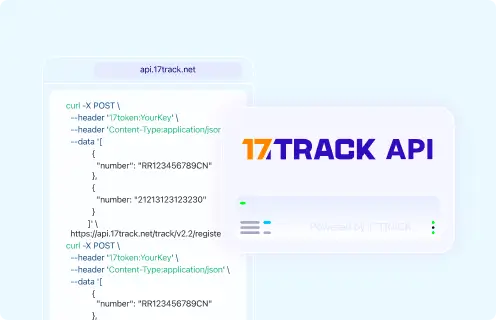
curl --request POST \
  --url "https://api.17track.net/track/v2.4/register" \
  --header "17token: YourKey" \
  --header "Content-Type: application/json" \
  --data '[{"number":"TRACKING_NUMBER","carrier":"CARRIER_CODE"}]'

# Replace CARRIER_CODE only with a code verified in current 17TRACK documentation.
# Do not submit an order number when the API expects a carrier tracking number.
Sources & References
17TRACK is an independent tracking platform and is not affiliated with E-Cargo.