Central Transport

Central Transport Tracking

Please enter the Central Transport tracking number to check the latest shipping status.

TRACK

About Central Transport

Central Transport is a North American less-than-truckload carrier focused on commercial freight moves rather than consumer parcel delivery. In tracking, Central Transport usually identifies shipments by freight identifiers such as a PRO number, bill of lading number, purchase order number or shipment reference, and the physical freight is handled through an LTL pickup, terminal, linehaul and delivery network.

Central Transport Overview

FieldVerified information
Official nameCentral Transport
Official websitehttps://www.centraltransport.com/
Carrier typeLess-than-truckload freight carrier for palletized, skidded and commercial freight shipments.
Primary regionUnited States and cross-border North American freight lanes where Central Transport publishes service availability.
Tracking pageCentral Transport Track Shipment
Parent organizationNot publicly confirmed on the cited official tracking and service pages.
FoundedNot publicly confirmed on the cited official tracking and service pages.
HeadquartersNot publicly confirmed on the cited official tracking and service pages.

Carrier Entity Relationships

EntityRelationship to Central Transport
Central TransportCentral Transport is the canonical carrier entity for Central Transport freight tracking.
View all details for Central Transport entity
Entity typeCarrier brand and operating freight network.
Why it matters to trackingUsers should search Central Transport freight identifiers on Central Transport tools or a multi-carrier platform, not on a parcel-only postal carrier page.
Official evidenceThe official Central Transport website provides shipment tracking, service center and transit tools under the Central Transport brand.
LTL freight servicesCentral Transport operates LTL freight services for commercial shipments that do not require a full trailer.
View all details for Central Transport LTL services
Entity typeOperated service family.
Why it matters to trackingLTL tracking follows pickup, origin terminal, linehaul, destination terminal and delivery appointment or final delivery events rather than small-parcel scans at every courier stop.
Official evidenceCentral Transport publishes LTL freight tools such as shipment tracking, transit time and service center lookup on its official website.
PRO number and freight referencesCentral Transport tracking products use freight shipment identifiers such as PRO, BOL, PO or reference numbers where available.
View all details for Central Transport tracking identifiers
Entity typeTracking and shipment-reference identifiers.
Why it matters to trackingA marketplace order ID or internal purchase order may not be the carrier-issued PRO number; using the carrier identifier normally produces the most complete freight trace.
Official evidenceThe Central Transport track-shipment tool is the official entry point for shipment tracing.
Service centers and terminalsCentral Transport service centers and terminals are network entities that receive, sort and dispatch freight.
View all details for Central Transport service centers
Entity typeKey network and facility entities.
Why it matters to trackingEvents such as origin terminal processing, destination terminal arrival or out for delivery indicate which Central Transport facility or local operation is currently responsible.
Official evidenceCentral Transport provides service center lookup on its official website.
Cross-border partners and customs brokersCentral Transport may appear in cross-border freight workflows, but customs brokers, importers and border agencies are separate responsible entities.
View all details for cross-border responsibility
Entity typeInternational or border-clearance entities.
Why it matters to trackingA customs hold does not always mean Central Transport has delayed the freight; the importer, broker or border agency may need documents, classification or tax information.
Official evidenceCentral Transport publishes service and shipping tools; customs-specific decisions remain governed by border agencies and broker processes.
17TRACK17TRACK aggregates available Central Transport tracking events and normalizes shipment visibility for users.
View all details for 17TRACK relationship
Entity typeIndependent multi-carrier tracking platform.
Why it matters to tracking17TRACK can help monitor and standardize tracking information, but Central Transport and the shipment payer remain responsible for transportation, delivery instructions, claims and billing disputes.
Official evidence17TRACK publishes its carrier tracking and API documentation separately from carrier-owned websites.

Quick Answer

To track Central Transport freight, enter the carrier shipment identifier, preferably the PRO number, on the official Central Transport tracking page or in 17TRACK. If the result is empty, first check whether you entered a freight tracking number instead of an order number, purchase order, quote number or bill of lading reference.

QuestionDirect answer
Where do I track?Use Central Transport Track Shipment or 17TRACK for multi-carrier monitoring.
What number do I enter?Use the PRO number when available; BOL, PO or customer reference numbers may work only if they are linked to the Central Transport shipment record.
What does 17TRACK do?17TRACK displays available tracking events from supported carriers in one place and helps standardize status language across carriers.
What does 17TRACK not do?17TRACK does not transport freight, change delivery addresses, schedule freight appointments, approve claims, collect freight charges or issue refunds.

How to Track Central Transport Packages

Central Transport shipments are usually freight shipments, so the best tracking identifier is normally the PRO number printed on the freight paperwork, rate documents, pickup confirmation or shipping notice. Ecommerce buyers should ask the seller for the carrier tracking or PRO number if only an order number is shown.

Tracking pathSteps
Official Central Transport trackingOpen the official tracking page, enter the PRO or linked reference, normalize spaces and hyphens if needed, then review the latest Central Transport freight event.
View all details for official Central Transport tracking
Where to find the numberCheck the bill of lading, shipper confirmation, pickup paperwork, delivery receipt, invoice, shipment notice or seller email.
Best userShippers, consignees, freight brokers, receiving departments and sellers who already know the Central Transport shipment reference.
If no result appearsConfirm that Central Transport has received the freight or electronic shipment record; a quote number or ecommerce order ID may not be traceable.
17TRACK trackingEnter the Central Transport number in 17TRACK, let carrier detection run where supported, or select the carrier manually if the number overlaps with another carrier format.
View all details for 17TRACK tracking
Where to find the numberUse the PRO number, label number or merchant-provided carrier tracking number, not the checkout order number unless the merchant explicitly says it is tied to the carrier trace.
Best userReceivers and merchants who need one tracking view for Central Transport plus other carriers.
If no result appearsRecheck digits, remove spaces, try the official Central Transport tool and ask the shipper to confirm pickup and carrier assignment.
Contact-assisted traceIf the shipment is business-critical and online tracking is inconclusive, contact Central Transport or the paying shipper with the PRO, BOL, PO, pickup date, origin and destination.
View all details for contact-assisted trace
Where to find the numberFreight paperwork, dispatch email, warehouse shipping system, seller support record or carrier invoice.
Best userShippers, consignees and receiving departments that need appointment, shortage, damage or exception support.
If no result appearsAsk the shipper whether the freight was tendered, whether Central Transport is the actual carrier, and whether a different PRO was assigned after pickup.
Pro Tip: For LTL freight, the order number confirms a purchase, the BOL describes the freight tender, the PRO is the carrier tracking record, and a reference or PO number is only searchable if the shipper transmitted it to Central Transport.

Tracking Number Formats and Examples

Central Transport does not publish a complete public checksum specification for every freight identifier family. Treat the examples below as normalized, masked freight-identification patterns; use the official Central Transport tool or 17TRACK carrier detection to validate an actual number.

Tracking Number Format

Identifier familyNormalized pattern
PRO numberUsually numeric freight identifier; enter digits as shown, for example #### ####.
View all details for Central Transport PRO number
Length/structureCentral Transport does not publicly confirm a universal length or check-digit rule on the cited pages.
Issued byCentral Transport or its freight-shipment systems after the shipment is created or accepted into the LTL workflow.
Typical service/usePrimary LTL freight trace for pickup, terminal movement, linehaul, destination handling and delivery.
Who sees it and whereShippers, brokers, receiving departments and sometimes ecommerce buyers see it on the BOL, dispatch email, carrier invoice, shipper portal or delivery receipt.
Tracking scopeTracks the Central Transport freight record; visibility depends on physical scans and status updates in the freight network.
Important caveatA numeric PRO cannot be reliably identified by prefix alone because different freight carriers can use similar numeric ranges.
Bill of lading numberAlphanumeric or numeric shipper document reference, for example BOL ###### or shipper-defined characters.
View all details for bill of lading number
Length/structureFormat is often assigned by the shipper or transportation management system and can vary by account.
Issued byThe shipper, broker or shipping platform that creates the freight tender.
Typical service/useDocumentation reference for what was tendered, who shipped it and where it should be delivered.
Who sees it and whereWarehouse teams, drivers and receivers see it on the bill of lading, pickup paperwork and freight documents.
Tracking scopeMay locate the Central Transport shipment only if the BOL number is linked in the carrier record.
Important caveatA BOL number is not always the same as the carrier PRO; ask for the PRO if tracking is incomplete.
Purchase order numberBuyer or merchant reference, for example PO ######, with no universal carrier format.
View all details for purchase order number
Length/structureDetermined by the buyer, merchant or enterprise resource planning system.
Issued byThe purchaser, consignee, retailer or seller, not necessarily Central Transport.
Typical service/useReceiving reconciliation, vendor compliance and seller-customer communication.
Who sees it and whereBuyers see it on purchase orders, seller portals, invoices and order confirmations.
Tracking scopeMay be searchable only when transmitted by the shipper and associated with the carrier shipment.
Important caveatA PO number that works on a seller site may not work on Central Transport or 17TRACK unless mapped to the PRO.
Shipment reference or customer referenceAccount-specific text or number, for example REF ######.
View all details for shipment reference
Length/structureVaries by shipper account and internal shipping platform rules.
Issued byUsually the shipper, broker, marketplace, warehouse or transportation management system.
Typical service/useCustomer support lookup and internal shipment matching.
Who sees it and whereCustomer service teams and ecommerce buyers may see it in emails, portals or invoices.
Tracking scopeWorks only if Central Transport received and stored the reference in the shipment record.
Important caveatReference numbers are not globally unique; carrier selection matters when using multi-carrier tracking.
Door tag, delivery receipt or appointment referenceOperational identifier from delivery paperwork; format varies by location and workflow.
View all details for delivery paperwork identifiers
Length/structureNo public standard format confirmed for all Central Transport service centers.
Issued byCentral Transport local delivery operation or freight paperwork process.
Typical service/useAppointment coordination, delivery attempt follow-up, proof of delivery research or dock receipt reconciliation.
Who sees it and whereConsignees and receiving docks may see it on delivery notes, missed-delivery paperwork or signed delivery documents.
Tracking scopeMay support customer-service research but may not produce a public tracking result by itself.
Important caveatUse the PRO number for online tracking whenever available.

Tracking Statuses and Meanings

Central Transport tracking should be read as a freight lifecycle. A record can exist before physical pickup, and a terminal or customs event does not always mean the freight is ready for final delivery.

Status Quick Lookup

StatusWhat it means
Shipment information receivedA shipment record or reference exists, but the freight may not have been physically picked up.
View all details for shipment information received
Lifecycle stagePre-shipment.
Current responsible partyShipper or dispatch system until Central Transport confirms pickup or terminal receipt.
What happens nextThe shipper tenders the freight and Central Transport records pickup or origin processing.
What you should doAsk the shipper for pickup confirmation if the status does not progress after the scheduled pickup window.
Picked upCentral Transport has collected the freight from the shipper or pickup point.
View all details for picked up
Lifecycle stageAccepted.
Current responsible partyCentral Transport pickup driver and origin operation.
What happens nextThe freight moves to an origin terminal for sort, consolidation and linehaul planning.
What you should doVerify the destination, contact name and access instructions before the shipment reaches the destination terminal.
At origin terminalThe freight is being processed at the Central Transport origin service center.
View all details for at origin terminal
Lifecycle stageAccepted or in transit.
Current responsible partyCentral Transport origin terminal.
What happens nextThe shipment is loaded for linehaul or transferred through the network.
What you should doNo action is usually needed unless the freight requires urgent appointment or address correction.
In transitThe freight is moving between Central Transport facilities or is planned for linehaul movement.
View all details for in transit
Lifecycle stageIn transit.
Current responsible partyCentral Transport linehaul or transfer network.
What happens nextThe freight arrives at a breakbulk, transfer or destination terminal.
What you should doMonitor for destination arrival; LTL scans can be less frequent than parcel scans.
At destination terminalThe shipment has reached the local Central Transport terminal responsible for final delivery.
View all details for at destination terminal
Lifecycle stageDestination handling.
Current responsible partyCentral Transport destination service center.
What happens nextThe terminal plans delivery, may contact the consignee if appointment or access details are needed, and loads freight for delivery.
What you should doPrepare receiving hours, dock access, contact phone and any unloading requirements.
Out for deliveryThe freight is on a local delivery route from the Central Transport destination terminal.
View all details for out for delivery
Lifecycle stageOut for delivery.
Current responsible partyCentral Transport local delivery driver and terminal dispatch.
What happens nextThe driver attempts delivery during the route, subject to business hours, access and freight readiness.
What you should doEnsure someone can receive, inspect and sign for the freight if a signature or dock receipt is required.
DeliveredCentral Transport recorded final delivery, usually with a delivery receipt or proof of delivery process.
View all details for delivered
Lifecycle stageDelivered.
Current responsible partyConsignee after receipt, unless shortage, concealed damage or paperwork dispute is reported under applicable terms.
What happens nextThe shipper or consignee can request delivery documentation if needed.
What you should doCheck dock, front desk, receiving log and delivery receipt; report shortage or damage quickly with photos and documents.
Delivery exceptionA condition such as address, appointment, access, weather, freight damage or consignee availability has interrupted normal delivery.
View all details for delivery exception
Lifecycle stageException.
Current responsible partyDepends on the cause: Central Transport, shipper, consignee, broker, facility management or customs authority for cross-border freight.
What happens nextThe responsible party provides missing information, reschedules delivery or resolves the operational block.
What you should doContact the shipper or Central Transport with the PRO number and exception description; provide corrected delivery details if requested.
Return or refusedThe freight is being returned or was refused by the consignee, often because of delivery, documentation or freight-condition issues.
View all details for return or refused
Lifecycle stageReturn.
Current responsible partyCentral Transport handles the physical return movement when authorized; shipper and consignee resolve commercial responsibility.
What happens nextReturn routing, disposition instructions or claim review may follow.
What you should doAsk the shipper for return authorization details and keep all delivery and damage documentation.

Services and Delivery Times

Central Transport service availability and transit depend on origin, destination, freight characteristics, pickup timing and network conditions. Use the official transit-time and service tools for lane-specific information rather than assuming a parcel-style delivery promise.

Service Comparison

ServiceBest for
Less-than-truckload freightPalletized or commercial freight that does not fill an entire trailer.
View all details for Central Transport LTL freight
Service typeDomestic or regional LTL freight, depending on the published lane.
CoverageCoverage depends on Central Transport service centers and published lanes.
Tracking levelFreight trace by PRO and associated references where transmitted.
Key size/weight conditionFreight conditions are governed by Central Transport tariff, bill of lading and service rules; confirm current limits with the carrier before tendering.
Included protection/extra serviceStandard freight liability and extra services depend on shipment terms and applicable tariff, not on 17TRACK.
Main limitationResidential, appointment, liftgate, limited-access or oversized freight can require additional handling or charges.
Cross-border freight where availableBusiness freight moving across a border with required customs documentation and broker coordination.
View all details for Central Transport cross-border freight
Service typeCross-border LTL or freight movement on supported lanes.
CoverageOnly where Central Transport publishes service and where documentation, broker and customs requirements are satisfied.
Tracking levelCentral Transport events plus possible customs, border or broker-related visibility gaps.
Key size/weight conditionSubject to freight rules, customs paperwork and import restrictions.
Included protection/extra serviceFreight liability and customs responsibilities follow shipment terms and law.
Main limitationCustoms clearance, tax responsibility and document accuracy can affect movement outside the carrier’s direct control.
Volume, spot or special freight arrangementsLarger commercial shipments that need account-specific pricing, routing or operational review.
View all details for special freight arrangements
Service typeAccount or shipment-specific freight service where confirmed by Central Transport sales or operations.
CoverageDepends on origin, destination, equipment, density, capacity and service-center capability.
Tracking levelTypically uses a PRO or shipment record once tendered.
Key size/weight conditionMust be validated against current Central Transport rules and tender requirements.
Included protection/extra serviceDetermined by tariff, contract, quote and bill of lading terms.
Main limitationDo not treat a quote or pickup request as proof that freight is already in transit.

Delivery Time

ServicePublished delivery standard
LTL freightVaries by origin, destination, lane, pickup time, freight profile and network conditions; use the Central Transport transit-time tool for lane-specific guidance.
View all details for LTL delivery time
Business or calendar daysFreight transit standards are normally planned by business operations and terminal schedules; confirm the lane-specific result in the official tool.
Guarantee statusNo general money-back guarantee is confirmed in the cited sources; a service estimate is not the same as a guarantee.
Starts counting fromUsually from actual pickup or tender acceptance, not from label creation or quote creation.
Main delay factorsPickup cutoff, weekends, holidays, capacity, weather, address quality, appointment needs, limited access, freight reweigh/reclass, damage inspection and missing documents.
Official source date/validityUse the current Central Transport transit-time page because lane-level transit is variable and may change.
Cross-border freightVaries by origin, destination, customs, broker readiness, documents, inspection and service availability.
View all details for cross-border delivery time
Business or calendar daysTransit visibility is affected by business-day operations and border-processing conditions.
Guarantee statusCustoms and border processing should not be treated as guaranteed unless a written service agreement explicitly states otherwise.
Starts counting fromFrom physical pickup and carrier processing, with customs-related time depending on importer and broker readiness.
Main delay factorsCommercial invoice errors, missing broker instructions, duties and taxes, border inspection, restricted goods, incomplete consignee information and partner handoff gaps.
Official source date/validityValidate the current lane and document requirements with Central Transport and the broker before shipping.

Common Tracking Problems and Solutions

Most Central Transport tracking issues come from identifier mismatch, freight not yet tendered, limited LTL scan frequency, appointment/access problems or documentation gaps. The fastest fix is to identify who currently controls the next action: shipper, Central Transport, consignee, broker or seller.

Problem & Solution

Problem/status shownLikely cause
Invalid numberThe number may be an order ID, quote, PO or unrelated carrier number instead of a Central Transport PRO.
View all details for invalid Central Transport number
Check firstRemove spaces and punctuation, confirm the carrier name, and compare the number with the freight paperwork.
Immediate actionAsk the shipper or seller for the Central Transport PRO number.
When to escalateEscalate if the shipper confirms pickup but cannot provide a traceable carrier identifier.
Who to contactSeller or shipper first; Central Transport if you have the PRO or linked freight reference.
No tracking eventsA shipment record may exist before Central Transport physically receives the freight.
View all details for no Central Transport tracking events
Check firstScheduled pickup date, carrier assignment, shipper tender confirmation and the exact PRO number.
Immediate actionWait for pickup acceptance or request pickup proof from the shipper.
When to escalateEscalate after the scheduled pickup window has passed and the shipper confirms freight was tendered.
Who to contactShipper, broker or seller; Central Transport if the freight has been tendered.
Label or information createdElectronic information exists, but the shipment may still be at the shipper’s facility.
View all details for information created
Check firstWhether the pickup was actually completed and whether the shipper used Central Transport or changed carriers.
Immediate actionAsk the shipper for a pickup confirmation, bill of lading and PRO.
When to escalateEscalate if there is no pickup scan after the confirmed pickup date.
Who to contactShipper or seller first because Central Transport may not have physical custody yet.
Long time without updateLTL freight may move between terminals without parcel-style frequent scans, or it may be awaiting linehaul, appointment or document resolution.
View all details for no recent update
Check firstLast terminal, published transit estimate, weekend or holiday timing, appointment notes and exception text.
Immediate actionUse the official tracking page and prepare the PRO before contacting support.
When to escalateEscalate when the shipment passes the expected lane transit guidance or shows an exception requiring action.
Who to contactCentral Transport for operational trace; shipper for commercial resolution or reroute authority.
Delivery exceptionAddress, access, appointment, contact, weather, damage or freight-handling issues may block delivery.
View all details for delivery exception
Check firstConsignee hours, dock access, contact phone, liftgate need, delivery appointment and complete address.
Immediate actionProvide corrected instructions through the shipper or Central Transport customer channel.
When to escalateEscalate immediately if the freight is perishable, time-critical, visibly damaged or needed for a production deadline.
Who to contactCentral Transport destination terminal or support, and the shipper if charges or disposition decisions are required.
Address problemThe address may be incomplete, residential instead of commercial, limited-access, closed or missing delivery-contact details.
View all details for address problem
Check firstStreet, suite, dock, receiving hours, contact person, phone, gate code and liftgate requirement.
Immediate actionSend corrected information to the shipper or carrier channel before the next delivery attempt.
When to escalateEscalate if the shipment is at the destination terminal and delivery cannot be planned.
Who to contactConsignee and shipper; Central Transport when the PRO is available.
Delivered but not receivedThe freight may have been delivered to a dock, receiving department, front desk, alternate authorized location or signed by another employee.
View all details for delivered but not received
Check firstReceiving log, dock area, front desk, security desk, neighboring suite, delivery receipt and signer name if available.
Immediate actionRequest proof of delivery through the shipper or Central Transport and compare it with your receiving records.
When to escalateEscalate the same business day if freight is not located after checking all internal receiving points.
Who to contactCentral Transport for delivery documentation; shipper or seller for commercial replacement or refund decisions.
Lost or damaged freightThe freight may require an operational trace, claim review, inspection or supporting documents.
View all details for lost or damaged freight
Check firstPRO, BOL, delivery receipt notes, photos, packaging, invoice, item value and damage description.
Immediate actionKeep the freight and packaging, document damage, and notify the shipper or carrier claim channel promptly.
When to escalateEscalate when the shipment is missing beyond expected transit or damage is discovered at delivery or shortly after receipt.
Who to contactClaim filing is usually controlled by the paying shipper or party with claim rights; 17TRACK cannot approve claims.
Customs holdCross-border freight may be waiting for importer, broker, customs, tax or documentation action.
View all details for customs hold
Check firstCommercial invoice, broker instructions, importer tax ID, product description, valuation, country of origin and restricted-goods status.
Immediate actionAsk the importer or broker what document or payment is missing.
When to escalateEscalate when the broker confirms all paperwork is complete but no movement resumes.
Who to contactBroker/importer for clearance details; Central Transport for transportation status after release.
Return to shipperDelivery could not be completed, the consignee refused freight, or the shipper issued return/disposition instructions.
View all details for return to shipper
Check firstException reason, consignee refusal notes, damage notation, address issue and shipper authorization.
Immediate actionContact the seller or shipper because they usually control reroute, return and refund decisions.
When to escalateEscalate before the freight leaves the destination terminal if you believe the return is incorrect.
Who to contactShipper or seller for authorization; Central Transport for operational status with the PRO.

International Shipping, Customs and Carrier Handoffs

Central Transport is primarily an LTL freight carrier; international tracking should be interpreted as cross-border freight visibility only where the shipment is tendered on a supported lane. Customs release, duties, taxes and importer records are controlled by customs authorities, brokers and the importer, not by 17TRACK.

International Flow

StageWhat is happening
Origin pickupCentral Transport or the assigned pickup operation collects freight from the shipper.
View all details for origin pickup
Physical custodian/responsible entityShipper until pickup; Central Transport after accepted pickup.
Typical tracking eventPicked up or shipment accepted.
Can the tracking number change?The PRO normally remains the Central Transport trace identifier, but shipper references may differ.
Normal visibility gapPossible gap between dispatch creation and physical pickup.
What the customer should doConfirm commercial invoice, broker details and consignee contact before pickup.
Export or border preparationFreight documents are reviewed for cross-border movement and broker coordination.
View all details for export or border preparation
Physical custodian/responsible entityCentral Transport may hold or move the freight; shipper, importer and broker are responsible for accurate documents.
Typical tracking eventIn transit, held for documents or border-related exception if published.
Can the tracking number change?Carrier PRO usually remains, while broker or customs entries may have separate identifiers.
Normal visibility gapDocuments may be reviewed without frequent public tracking events.
What the customer should doProvide product description, value, country of origin, tax/importer data and broker instructions.
Customs reviewBorder authorities or the broker process import/export requirements; arrival at border does not equal release.
View all details for customs review
Physical custodian/responsible entityCustoms authority, broker and importer for clearance decisions; Central Transport for freight custody where applicable.
Typical tracking eventCustoms hold, clearance delay, in transit or no public event depending on integration.
Can the tracking number change?Customs entry and broker references are separate from the carrier PRO.
Normal visibility gapGaps are common while documents, inspections or tax issues are handled.
What the customer should doAsk the broker or importer what is pending; do not assume Central Transport can release customs-held freight.
Border handoff or linehaulFreight moves through the cross-border or linehaul network after required release or routing authorization.
View all details for border handoff or linehaul
Physical custodian/responsible entityCentral Transport or an authorized transportation partner if a partner handoff is used.
Typical tracking eventIn transit, departed terminal, arrived terminal or transfer event.
Can the tracking number change?Partner numbers may exist operationally, but the Central Transport PRO remains the user’s main trace when Central Transport is the billing carrier.
Normal visibility gapLinehaul travel and partner handoff can create periods without new scans.
What the customer should doMonitor status and keep receiving-contact details current.
Destination terminal and last mileThe local terminal plans delivery and may require appointment, access or consignee coordination.
View all details for destination terminal and last mile
Physical custodian/responsible entityCentral Transport destination service center or confirmed delivery partner.
Typical tracking eventArrived at destination terminal, out for delivery, delivered or exception.
Can the tracking number change?The delivery paperwork may show additional receipt or appointment identifiers, but the PRO is still the best tracking key.
Normal visibility gapGaps can occur while an appointment is scheduled or delivery route is planned.
What the customer should doEnsure receiving hours, dock access and unloading needs are clear before delivery.

Delivery Management and Post-shipment Options

Central Transport delivery changes are freight operations, not consumer parcel self-service features. The shipper, paying account or authorized consignee may need to approve address changes, appointments, accessorial services, reroutes or returns.

Delivery Management

OptionWho can request
Delivery appointment or coordinationConsignee, shipper or authorized receiving contact.
View all details for delivery appointment
EligibilityDepends on shipment terms, destination operation and whether appointment service is required.
Deadline/available stageBest arranged before freight reaches the destination terminal or before route dispatch.
FeeAccessorial charges may apply under tariff or account terms.
Guaranteed?Not confirmed as guaranteed; route and capacity conditions apply.
Official action linkCentral Transport contact page
Address correction or rerouteUsually the shipper or paying account; consignee authority may be limited.
View all details for address correction or reroute
EligibilityDepends on whether freight is already out for delivery, whether the new destination is serviceable and whether charges are approved.
Deadline/available stageRequest as early as possible, ideally before destination dispatch.
FeeReroute, reconsignment or correction fees may apply under freight terms.
Guaranteed?No; success depends on operational stage and authorization.
Official action linkCentral Transport contact page
Hold at terminal or pickupShipper, consignee or authorized party, subject to terminal policy and freight release requirements.
View all details for hold at terminal
EligibilityDepends on terminal location, identification, release rules, storage conditions and whether charges are cleared.
Deadline/available stageBest requested after destination terminal arrival and before delivery dispatch.
FeeStorage or handling charges may apply if freight is not collected within allowed time.
Guaranteed?Not guaranteed until confirmed by the terminal or Central Transport support.
Official action linkCentral Transport service center locator
Proof of delivery requestShipper, consignee, seller or account user with shipment details.
View all details for proof of delivery
EligibilityAvailable after a delivery event when delivery documentation exists.
Deadline/available stageAfter delivery scan or delivery receipt processing.
FeeNot publicly confirmed on the cited pages.
Guaranteed?Documentation content depends on what was captured at delivery.
Official action linkCentral Transport Track Shipment

Lost, Damaged, Claims, Insurance and Refunds

For Central Transport freight, a tracking inquiry, shortage investigation, cargo claim, freight-charge dispute and ecommerce refund are different processes. Keep the freight, packaging, photos, delivery receipt and value documents until the responsible claim party tells you they are no longer needed.

Claims and Refunds

ProcessUse when
Operational tracking inquiryUse when tracking is stale, the freight is delayed, or the latest event needs explanation.
View all details for operational tracking inquiry
Who filesShipper, consignee, broker or authorized account contact.
Earliest/latest filing timeNo universal public threshold confirmed; start when the shipment passes expected lane guidance or shows an actionable exception.
Required evidencePRO, BOL, pickup date, origin, destination, last scan and shipment contents description.
Possible outcomeStatus clarification, terminal trace, delivery plan or request for more information.
Official linkCentral Transport contact page
Loss, damage or shortage claimUse when freight is missing, damaged, short, refused because of condition, or delivered with noted discrepancy.
View all details for freight claim
Who filesThe paying shipper or party with claim rights should file or authorize the claim; consignee participation may be needed for evidence.
Earliest/latest filing timeDeadlines depend on applicable tariff, contract, bill of lading and law; confirm current claim filing rules with Central Transport before relying on a deadline.
Required evidencePRO, BOL, delivery receipt with notations, photos, commercial invoice, repair estimate if applicable, packaging and contents.
Possible outcomeInvestigation, settlement, denial, request for inspection or request for more documents.
Official linkCentral Transport contact page
Freight-charge or billing disputeUse when the issue is charges, accessorials, reweigh, reclass, detention or invoice responsibility.
View all details for billing dispute
Who filesThe billed party or authorized account contact.
Earliest/latest filing timeUse the invoice, tariff or account terms for current dispute windows.
Required evidenceInvoice, quote, BOL, weight/dimensions, accessorial dispute explanation and supporting documents.
Possible outcomeCharge correction, documentation request, denial or account review.
Official linkCentral Transport contact page
Seller refund or replacementUse when an ecommerce buyer wants a refund, replacement or order cancellation.
View all details for seller refund or replacement
Who filesThe buyer requests from the seller; the seller manages carrier claim or freight dispute if applicable.
Earliest/latest filing timeDepends on the seller’s order policy, marketplace rules and payment provider deadlines.
Required evidenceOrder number, Central Transport PRO if available, photos, delivery status and seller communication.
Possible outcomeRefund, replacement, reshipment, claim follow-up or denial under seller policy.
Official linkUse the seller or marketplace support channel; 17TRACK cannot issue seller refunds.

Shipping Restrictions and Special Handling

Freight restrictions depend on Central Transport rules, hazardous-material regulations, cross-border law, packaging, freight class and account terms. This summary is not a substitute for the current tariff, bill of lading rules or legal compliance review.

Shipping Restrictions

CategoryProhibited or restricted
Hazardous materialsRestricted and subject to regulatory, documentation, packaging and carrier-acceptance requirements.
View all details for hazardous materials
Typical examplesChemicals, flammables, aerosols, regulated batteries, corrosives and other dangerous goods.
Key condition/packagingRequires proper classification, labeling, packaging and shipping papers where accepted.
Transport limitationMay be refused, delayed, routed differently or require special handling.
Possible tracking/delivery impactDocumentation review, inspection or exception status may appear.
Official rulesConfirm current Central Transport and regulatory requirements before tendering.
Oversize, overweight or irregular freightRestricted by equipment, terminal handling, dimensions, weight, density and packaging.
View all details for oversize or irregular freight
Typical examplesLong items, heavy machinery, non-stackable freight, loose items or freight requiring special equipment.
Key condition/packagingFreight should be packaged, palletized or crated for LTL handling and accurately measured.
Transport limitationMay require quote review, reweigh, reclass, accessorials or refusal if not serviceable.
Possible tracking/delivery impactDelay for reclassification, capacity planning or equipment availability.
Official rulesConfirm with Central Transport tools, tariff or account representative before shipping.
Perishable or temperature-sensitive freightRestricted if service does not provide required temperature control or time-definite handling.
View all details for perishable freight
Typical examplesFood, plants, medical materials or goods damaged by heat, cold or delay.
Key condition/packagingRequires packaging and service selection appropriate to product sensitivity.
Transport limitationStandard LTL transit may not protect temperature or shelf-life requirements.
Possible tracking/delivery impactDelay can create product-loss risk; claims may depend on shipper’s compliance with service rules.
Official rulesConfirm acceptability and liability terms before tendering.
Cross-border controlled goodsRestricted by customs, import rules, licenses, taxes and product-specific controls.
View all details for cross-border controlled goods
Typical examplesRegulated products, restricted chemicals, electronics with batteries, medical items, food products or goods requiring import permits.
Key condition/packagingAccurate commercial invoice, classification, valuation, origin and broker instructions are required.
Transport limitationCustoms may hold, inspect, reject or require additional documents.
Possible tracking/delivery impactCustoms hold or no-movement gap can occur until clearance issues are resolved.
Official rulesCheck Central Transport, broker and government import rules before shipping.

Customer Service

Prepare the PRO number, BOL, pickup date, origin, destination, consignee contact, last tracking event, freight description, value documents and photos before contacting Central Transport. Consumers who bought from a retailer should also contact the seller because the seller may control reroute, claim and refund decisions.

Customer Service

ChannelVerified contact/link
Shipment trackingCentral Transport Track Shipment
View all details for shipment tracking support
Best forChecking the latest freight event, delivery status or proof-of-delivery availability.
Region/languageCentral Transport service areas; language options are not publicly confirmed on the cited page.
Hours and time zoneOnline tool availability may differ from staffed support hours; current staffed hours not confirmed in cited sources.
Information to preparePRO, BOL, PO or linked reference.
Important limitationTracking cannot approve address changes, claims or refunds by itself.
Contact pageCentral Transport Contact
View all details for Central Transport contact page
Best forShipment inquiries, service questions, account routing, exception support and escalation.
Region/languageUse the official page for the current region-specific channel.
Hours and time zoneNot safely confirmed in the cited sources; verify on the current page before calling or submitting.
Information to preparePRO, origin, destination, contact phone, email, delivery issue, BOL and photos if damage is involved.
Important limitationSome actions may require the shipper or paying account to authorize charges or disposition.
Service center locatorCentral Transport Service Center Locator
View all details for service center locator
Best forFinding the local terminal or service center associated with pickup, delivery or terminal hold.
Region/languageCentral Transport service-center network.
Hours and time zoneTerminal hours can vary; verify locally before pickup or delivery coordination.
Information to prepareZIP or postal code, city, state or province, PRO number and delivery address.
Important limitationA service-center listing does not guarantee terminal pickup eligibility or immediate release.
Transit-time toolCentral Transport Transit Times
View all details for transit-time tool
Best forChecking lane-based transit guidance before escalation.
Region/languagePublished Central Transport service lanes.
Hours and time zoneOnline tool; staffed support hours not confirmed here.
Information to prepareOrigin ZIP or postal code, destination ZIP or postal code and pickup date.
Important limitationTransit guidance is not the same as a guaranteed delivery date unless Central Transport confirms a guarantee in writing.

Ecommerce and Business Tracking

For retailers and B2B shippers, Central Transport tracking is most useful when the warehouse stores the PRO number next to the order number, BOL, PO and consignee record. 17TRACK is useful when the business needs a multi-carrier view across freight and parcel carriers, while Central Transport tools remain the source for carrier-specific freight actions.

Developer/API Comparison

OptionProvider
Official Central Transport web toolsCentral Transport
View all details for official Central Transport web tools
Carrier coverageCentral Transport shipments and linked freight references.
Primary useShipment tracing, transit-time review, service-center lookup and freight support.
AuthenticationPublic tool access for basic lookups; account-specific features may require Central Transport credentials where offered.
Tracking/batch/webhook capabilityPublic batch or webhook capability is not confirmed in the cited official pages.
Current developer documentationNo current public official tracking API documentation was confirmed from the cited pages.
Migration/deprecation noteDo not reuse old or third-party endpoint examples unless Central Transport confirms the current integration path.
17TRACK multi-carrier API17TRACK
View all details for 17TRACK multi-carrier API
Carrier coverageMultiple carriers supported by 17TRACK, subject to 17TRACK carrier configuration and available carrier data.
Primary useRegister shipments, track across carriers, normalize statuses and support exception monitoring in ecommerce operations.
Authentication17TRACK API token in the 17token header.
Tracking/batch/webhook capability17TRACK documents tracking registration and related API capabilities for multi-carrier tracking workflows.
Current developer documentation17TRACK API documentation
Migration/deprecation noteUse the current 17TRACK API version and confirm the Central Transport carrier code in 17TRACK before production registration.
Seller or TMS integrationMerchant, warehouse system or transportation management system
View all details for seller or TMS integration
Carrier coverageDepends on the platform’s carrier connections and the merchant’s account setup.
Primary useMap order, PO, BOL, PRO, invoice and delivery status in one internal workflow.
AuthenticationPlatform-specific credentials and carrier account authorization.
Tracking/batch/webhook capabilityDepends on the platform; verify whether Central Transport events are pulled directly or via a tracking aggregator.
Current developer documentationUse the platform’s own documentation and Central Transport-approved integration guidance.
Migration/deprecation noteKeep PRO mapping stable during carrier, API or TMS migrations so customers do not receive only internal order IDs.

FAQ

1. How do I track my Central Transport shipment?

Enter the Central Transport PRO number or linked freight reference on the official Central Transport tracking page or in 17TRACK to view available shipment events.

2. Where can I find my Central Transport tracking number?

Look for the PRO number on the bill of lading, pickup confirmation, carrier invoice, delivery receipt, seller email or shipper portal; if you only have an order number, ask the seller for the carrier PRO.

3. What does a Central Transport tracking number look like?

The most useful Central Transport identifier is usually a freight PRO number, but Central Transport does not publish a complete public format rule for every identifier family, so do not infer the carrier from a numeric prefix alone.

4. When will the first Central Transport tracking update appear?

The first meaningful update usually appears after the freight is picked up or processed by Central Transport, not necessarily when the shipper creates paperwork or sends an order confirmation.

5. Why is my Central Transport tracking not updating?

Central Transport tracking may pause while freight moves between terminals, waits for linehaul, awaits an appointment, or needs document or address resolution; compare the last event with the lane transit guidance before escalating.

6. How long does Central Transport delivery take?

Central Transport delivery time varies by origin, destination, pickup date, freight profile and network conditions; use the official transit-time tool for lane-specific guidance and do not treat an estimate as a money-back guarantee unless separately confirmed.

7. What should I do if Central Transport shows a delivery exception?

Check the exception reason, delivery address, receiving hours, contact phone, appointment need and access conditions, then contact Central Transport or the shipper with the PRO number and corrected instructions.

8. What should I do if Central Transport says delivered but I did not receive the freight?

Check the dock, receiving log, front desk, security desk, neighboring suite and signer information first, then request proof of delivery through Central Transport or the shipper if the freight is still not located.

9. How do I report lost or damaged Central Transport freight?

Document the freight condition with photos, keep packaging and contents, note damage or shortage on the delivery receipt where possible, and have the shipper or party with claim rights contact Central Transport under the applicable freight terms.

10. How do I contact Central Transport customer service?

Use the official Central Transport contact page, tracking page or service-center locator, and prepare the PRO number, BOL, pickup date, origin, destination, last scan and issue description before contacting support.

11. Is Central Transport a parcel carrier like USPS, UPS or FedEx Ground?

Central Transport is mainly an LTL freight carrier, so its shipments typically involve pallets, skids, freight documents, terminals and delivery receipts rather than mailbox or doorstep parcel delivery.

12. Can a Central Transport service be inferred from the tracking number prefix?

No reliable public rule confirms that Central Transport service type can be inferred from a prefix alone; use the official tracking result, BOL, tariff/service description or shipper confirmation.

13. What is the difference between a Central Transport PRO number and a BOL number?

The PRO number is the carrier’s freight trace identifier, while the bill of lading number is a shipping document reference that may be created by the shipper and may not always be searchable unless linked to the Central Transport record.

14. Who can change a Central Transport delivery address or reroute freight?

The shipper or paying account often must authorize address changes, reroutes, reconsignment or return decisions because those actions can affect charges and liability.

15. Does Central Transport handle customs clearance?

Central Transport may move cross-border freight on supported lanes, but customs decisions, duties, taxes and document requirements involve customs authorities, brokers, importers and shippers.

16. Why does Central Transport tracking show a terminal event but no delivery date?

A terminal event means the freight is being processed at a service center, and the delivery date may still depend on route planning, appointment scheduling, dock access, freight readiness or exception resolution.

17. Can businesses track Central Transport shipments through an API?

A current public Central Transport tracking API was not confirmed from the cited official pages; businesses can use official web tools where appropriate or integrate with 17TRACK’s multi-carrier API after confirming the correct Central Transport carrier code.

18. Can 17TRACK file a Central Transport claim or change a freight delivery?

17TRACK cannot file claims, approve refunds, change addresses, schedule appointments or release customs-held freight; those actions must be handled by Central Transport, the shipper, the seller, the broker or the consignee depending on the issue.

Tracking API

// 1. Central Transport official tracking API
// Current public official tracking API not confirmed from the cited official pages.
// Use Central Transport official web tools or contact Central Transport for approved account integrations.
// Do not copy older third-party endpoint examples unless Central Transport confirms current validity.

// 2. 17TRACK API
// Register a Central Transport tracking number with 17TRACK.
// Confirm the current 17TRACK carrier code for Central Transport before production use.
// If the carrier code is not confirmed, keep CARRIER_CODE as a placeholder.

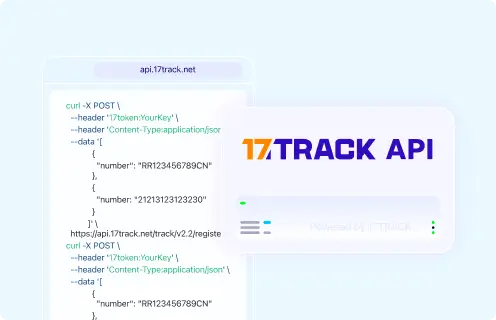
curl -X POST "https://api.17track.net/track/v2.4/register" \
  -H "17token: YourKey" \
  -H "Content-Type: application/json" \
  -d '[
    {
      "number": "TRACKING_NUMBER",
      "carrier": "CARRIER_CODE"
    }
  ]'

Sources & References

17TRACK is an independent tracking platform and is not affiliated with Central Transport.
A professional and stable global package tracking platform.

17TRACK
Loading