ATX

ATX Tracking

Please enter the ATX tracking number to check the latest shipping status.

To extract possible tracking number complying with all tracking number rules.Clear text from input field.Track the entered order number.

About ATX

ATX is the carrier name associated with shipments directed to the supplied ATX website. Use the exact tracking identifier provided by the sender, merchant, or shipping confirmation. The party physically holding a parcel may change during an international or last-mile handoff.

ATX Overview

FieldVerified reference
Official nameATX
Official website supplied for this carrierhttp://www.atx-express.com/
Tracking inputUse the shipment tracking number rather than a store order number unless the merchant explicitly identifies both as the same value.

Carrier Entity Relationships

EntityEntity type
ATXCanonical carrier name
View relationship details for ATX
Relationship to ATXATX is the canonical display name used throughout this guide.
Why it matters to trackingSelecting the correct carrier prevents events from a similarly named company from being attached to the shipment.
Official evidenceThe supplied carrier website identifies the ATX web property.
17TRACKIndependent multi-carrier tracking platform
View relationship details for 17TRACK
Relationship to ATX17TRACK displays tracking information made available through carrier data connections; it does not transport ATX shipments.
Why it matters to tracking17TRACK can provide a consolidated tracking view, while shipment changes and claims remain with the carrier, sender, merchant, or responsible delivery partner.
Official evidence17TRACK tracking platform

Quick Answer

To track an ATX shipment, copy the carrier tracking number from the shipping confirmation, receipt, parcel label, or merchant account and enter it on the supplied ATX website or on 17TRACK. If no result appears, remove spaces, verify every character, confirm that the value is a tracking number rather than an order number, and allow time for the first physical acceptance scan.

Pro Tip: 17TRACK is an independent tracking platform. It cannot transport a parcel, change an address, schedule delivery, approve a claim, issue a merchant refund, or alter an ATX scan.

How to Track ATX Packages

Track with the identifier assigned to the shipment, then read the latest event together with its location and timestamp. A label or data-submission event does not prove that ATX or a delivery partner physically received the parcel.

  1. Find the tracking number in the dispatch email, shipping label, receipt, marketplace order page, or message from the sender.
  2. Copy the complete value and remove accidental leading or trailing spaces.
  3. Open the supplied ATX website and use its available tracking route, or open 17TRACK.
  4. Enter the number exactly as issued. Do not substitute the store order number unless the seller says it is also the carrier identifier.
  5. Review the latest event, event time, location, and any carrier or handoff name shown.
  6. If the number produces no result, verify it with the sender and retry after the shipment has received its first operational scan.

Where to Find the Correct Identifier

IdentifierHow to use it
Carrier tracking numberUse for shipment tracking. It may appear in a dispatch email, label, receipt, or marketplace shipment record.
Order numberUse with the merchant to identify a purchase. It is not automatically a carrier tracking number.
Seller referenceUse when contacting the seller. Ask the seller for the linked carrier tracking number.
Last-mile numberUse on the receiving carrier’s site after a handoff when the tracking history displays a second identifier.

Tracking Number Formats and Examples

Use the complete identifier exactly as supplied. A prefix alone is insufficient to prove the service, route, or current custodian, and a number accepted by a tracking system is not necessarily issued by ATX.

Tracking Number Format

Identifier familyNormalized pattern
Shipment tracking number supplied for ATX trackingEnter the complete value shown in the shipment record; remove display spaces or hyphens only when the tracking interface rejects them.
View all details for the ATX shipment identifier
Length/structureValidate against the exact value supplied by the sender because a single universal ATX pattern should not be inferred from an unverified example.
Issued byThe shipment record should identify the issuer; it may be ATX, the origin logistics provider, or a handoff partner.
Typical service/useParcel tracking from electronic shipment creation through available transport and delivery events.
Who sees it and whereBuyers may see it in a dispatch email or order page; senders may see it on a label, manifest, or shipping-system record.
Tracking scopeCoverage depends on which operators publish events under that identifier.
Important caveatSuccessful lookup does not prove which company originally issued the number or which operator currently holds the parcel.
Merchant order or reference numberStore-specific letters or numbers used to identify the purchase.
View all details for merchant references
Length/structureDefined by the merchant rather than by a universal carrier rule.
Issued byThe seller, marketplace, or ecommerce platform.
Typical service/useOrder support, payment reconciliation, and locating the linked shipment.
Who sees it and whereThe buyer sees it on the order confirmation, invoice, or marketplace account.
Tracking scopeIt normally identifies the transaction rather than individual carrier events.
Important caveatAsk the merchant for the carrier tracking number when an order number returns no tracking result.
Partner or last-mile tracking numberA second identifier displayed after routing or handoff.
View all details for partner identifiers
Length/structureFollows the receiving carrier’s numbering system.
Issued byThe origin partner, consolidator, customs intermediary, or destination delivery carrier.
Typical service/useTracking the destination-country or last-mile portion of a shipment.
Who sees it and whereIt may appear as an alternate number, next tracking number, or local tracking number in the shipment history.
Tracking scopeIt may provide more detailed events after the receiving carrier performs its first scan.
Important caveatAn electronic announcement to a partner is different from physical handover and acceptance.

Tracking Statuses and Meanings

Tracking wording can differ by system. The lookup below explains normalized lifecycle meanings; use the named location and responsible carrier shown in the live record to determine who currently controls the next action.

Status Quick Lookup

StatusLifecycle stage
Shipment information received or label createdPre-shipment
View details for pre-shipment
What it meansShipment data exists, but the event alone does not prove physical acceptance.
Current responsible partyThe sender or first-mile partner remains responsible until a physical receipt scan identifies the accepting operator.
What happens nextPickup, drop-off, consolidation, and the first operational scan.
What you should doVerify dispatch with the sender if the status persists beyond the promised handover date.
Accepted or receivedAccepted
View details for acceptance
What it meansA logistics operator recorded possession at the stated place and time.
Current responsible partyThe operator named in the event.
What happens nextSorting, consolidation, or dispatch to the next facility.
What you should doMonitor the next movement scan and preserve the shipment record.
In transit, departed, or arrived at facilityIn transit
View details for in-transit events
What it meansThe shipment is moving through or being processed within a logistics network.
Current responsible partyThe carrier or facility identified by the latest event.
What happens nextAnother facility scan, export movement, customs processing, or destination handoff.
What you should doCompare the elapsed time with the seller’s route-specific estimate before escalating.
Customs processing or awaiting clearanceCustoms/Handover
View details for customs processing
What it meansThe shipment or its declaration is undergoing border processing; arrival at a gateway does not equal customs release.
Current responsible partyCustoms, a broker, or the operator presenting the shipment, depending on the displayed event.
What happens nextRelease, document request, duty or tax request, inspection, or return decision.
What you should doRespond promptly to verified requests and contact the seller for invoice or declaration support.
Out for deliveryOut for delivery
View details for out for delivery
What it meansThe local delivery operation has assigned the parcel to a delivery route.
Current responsible partyThe local carrier named in the latest event.
What happens nextDelivery, attempted delivery, pickup redirection, or another exception scan.
What you should doKeep the delivery location accessible and follow instructions from the named local carrier.
DeliveredDelivered
View details for delivered
What it meansA delivery completion scan was recorded at the shown time and location.
Current responsible partyThe delivery carrier can review scan and proof-of-delivery information; the sender handles purchase remedies.
What happens nextThe shipment normally closes unless a delivery dispute is opened.
What you should doCheck the address, safe places, reception, household members, parcel lockers, and neighbors before reporting non-receipt.
Available for pickupPickup
View details for pickup
What it meansThe destination carrier is holding the parcel at a stated collection point.
Current responsible partyThe named pickup facility or local carrier.
What happens nextCollection by the authorized recipient or return after the applicable holding period.
What you should doFollow the notice and bring the required identification and shipment information.
Delivery exception or failed attemptException
View details for delivery exception
What it meansDelivery could not proceed because of an address, access, recipient, operational, weather, or compliance issue.
Current responsible partyThe carrier named in the latest exception event.
What happens nextAnother attempt, pickup, address review, investigation, or return.
What you should doRead the event text and contact the named carrier or sender before the parcel enters return processing.
Returning to senderReturn
View details for return to sender
What it meansThe parcel is moving back because delivery or clearance was unsuccessful or refused.
Current responsible partyThe carrier handling the return leg.
What happens nextReverse transport and delivery to the sender or return facility.
What you should doContact the merchant about reshipment or refund options; interception may no longer be possible.

Services and Delivery Times

Use the service name and delivery estimate in the sender’s shipment confirmation. Delivery timing depends on origin, destination, handoffs, customs, address quality, weekends, holidays, capacity, and disruptions; a tracking estimate is not a delivery guarantee.

Service Comparison

ServiceService type
Service shown in the ATX shipment recordShipment-specific transport product
View service selection details
Best forUse the product selected by the sender and recorded in the shipping confirmation.
CoverageUse the confirmed origin and destination on the shipment record.
Tracking levelTracking visibility depends on scans supplied by each operator in the route.
Key size/weight conditionConfirm shipment-specific acceptance conditions before tendering the parcel.
Included protection/extra serviceUse the purchased shipping documents to identify any declared-value or protection terms.
Main limitationDo not infer the product, protection, or delivery promise from the tracking-number prefix alone.

Delivery Time

ServicePublished delivery standard
Shipment-specific ATX routeUse the route and service estimate displayed in the seller’s shipping confirmation or current tracking record.
View timing conditions for an ATX route
Business or calendar daysApply the counting method stated in the shipment terms; weekends and holidays may be excluded from business-day estimates.
Guarantee statusTreat an estimated date or window as informational unless the purchased service terms expressly provide a remedy-backed guarantee.
Starts counting fromUse the service terms; label creation should not be treated as physical acceptance.
Main delay factorsLate handover, consolidation, missed scans, customs, duties, address issues, weather, peak demand, and local delivery exceptions.
Official source date/validityUse the current shipment confirmation and the terms in effect when the shipment was purchased.

Destination Country Delivery Times

Destination Country / RegionEstimated Delivery Time Range
Destination shown in the shipment confirmationUse the shipment-specific range supplied for the selected route; do not substitute an unrelated industry average.
View destination timing guidance
Primary Service TypeThe service purchased by the sender and identified in the shipment documents.
Average Delivery DaysEvaluate the current shipment against its route-specific estimate and scan history rather than a universal average.
Last-Mile Partner / Handoff CarrierUse the carrier named in the latest handoff or destination scan; a local number may appear after acceptance.
Customs & Clearance TipsEnsure the recipient’s contact details, invoice, item description, value, and any requested import documents are accurate. Border arrival does not mean release.

Common Tracking Problems and Solutions

Start with the latest timestamp and the company named in that event. The sender handles dispatch evidence and purchase remedies, while the carrier currently holding the parcel handles operational scans and delivery investigation.

Problem & Solution

Problem/status shownLikely cause
Invalid number or no resultTyping error, order number used, carrier mismatch, or data not yet activated.
View solution for an invalid ATX number
Check firstCompare every character with the shipping confirmation and remove accidental spaces.
Immediate actionTry the exact number on ATX and 17TRACK, then ask the sender to identify the issuing carrier.
When to escalateEscalate when the seller’s promised handover date has passed and no carrier can identify the shipment.
Who to contactThe sender or merchant first.
Label created with no acceptance scanElectronic data exists while the parcel may remain with the sender or first-mile partner.
View solution for label created
Check firstCheck whether the event explicitly says received, accepted, collected, or picked up.
Immediate actionAsk the sender for the physical handover date.
When to escalateEscalate after the merchant’s dispatch commitment passes without a physical scan.
Who to contactThe sender or first-mile partner named in the shipment record.
Long period without an updateTransport between scan points, consolidation, missed scan, customs, or partner handoff.
View solution for a tracking gap
Check firstRead the last event’s location, date, and responsible operator.
Immediate actionCheck for a second tracking number and compare elapsed time with the seller’s route estimate.
When to escalateEscalate after the route estimate passes or when a time-sensitive exception appears.
Who to contactThe operator named in the last physical scan and the sender.
Shipping partner awaiting handoffA destination carrier received electronic data but may not yet have the physical parcel.
View solution for partner handoff
Check firstIdentify which operator recorded the last physical movement.
Immediate actionContinue using the origin number and any linked local number.
When to escalateEscalate when the expected handoff window passes without a receiving scan.
Who to contactThe sender or upstream partner until the destination carrier records receipt.
Address or delivery exceptionIncomplete address, access issue, recipient absence, or route disruption.
View solution for a delivery exception
Check firstRead the exact exception and verify the address with the sender.
Immediate actionFollow any instruction from the named local carrier; ask the sender to request correction where recipient changes are restricted.
When to escalateAct before the parcel is marked for return.
Who to contactThe current delivery carrier and the sender.
Customs holdDocument, valuation, compliance, inspection, tax, or duty processing.
View solution for customs processing
Check firstLook for a verified document or payment request and confirm recipient contact details.
Immediate actionProvide requested information through an authenticated carrier, broker, or customs channel.
When to escalateEscalate when a formal request cannot be completed or the seller’s route estimate has passed.
Who to contactThe broker or carrier named in the event and the sender for invoice support.
Delivered but not receivedSafe-place delivery, reception handling, neighbor delivery, address mismatch, premature scan, or loss after delivery.
View solution for delivered but missing
Check firstConfirm the address and search the entrance, mailbox, safe places, reception, household members, neighbors, and parcel lockers.
Immediate actionRequest delivery details or proof from the named last-mile carrier and notify the seller.
When to escalateEscalate promptly if the location cannot be reconciled or there is theft evidence.
Who to contactThe last-mile carrier for delivery evidence and the merchant for purchase resolution.
Lost, damaged, or missing contentsNetwork loss, handling damage, packaging failure, or contents separation.
View solution for loss or damage
Check firstPreserve the parcel, label, packaging, contents, photos, invoice, and tracking history.
Immediate actionNotify the sender and the carrier that accepted the shipment for investigation.
When to escalateUse the filing window in the purchased service terms; do not delay evidence collection.
Who to contactThe contracting shipper, responsible carrier, seller, or payment provider as applicable.
Returning to senderFailed delivery, address problem, refusal, uncollected parcel, or import issue.
View solution for return to sender
Check firstRead the event immediately before return processing began.
Immediate actionAsk the merchant whether interception remains possible and discuss reshipment or refund terms.
When to escalateEscalate immediately because return movement can limit delivery-change options.
Who to contactThe sender and the carrier currently handling the return.

International Shipping, Customs and Carrier Handoffs

An international shipment can move through several operators. Electronic pre-advice, physical custody, customs control, and last-mile acceptance are separate events; the latest physical scan is the best indicator of the current custodian.

International Flow

StagePhysical custodian/responsible entity
Shipment creationSender or shipping platform until physical handover.
View shipment creation details
Typical tracking eventShipment information received or label created.
What is happeningData and a tracking identifier are created.
Can the tracking number change?A partner identifier may be added later.
Normal visibility gapNo operational movement appears before collection or acceptance.
What the customer should doAsk the sender for the handover date if no acceptance event follows.
Origin acceptance and export processingThe operator named in the first physical acceptance scan.
View origin processing details
Typical tracking eventAccepted, collected, arrived at origin facility, or export dispatch.
What is happeningSorting, consolidation, security review, and export preparation.
Can the tracking number change?The original number may continue while a line-haul or container reference remains internal.
Normal visibility gapEvents may pause between consolidation and gateway dispatch.
What the customer should doMonitor the origin number and retain commercial documents.
Export customs/security and line-haulExport authority, presenting carrier, and line-haul operator according to the stage.
View export and line-haul details
Typical tracking eventExport clearance, departed gateway, airline handover, or in transit to destination.
What is happeningThe shipment is reviewed for export and transported internationally.
Can the tracking number change?The customer number often remains usable, but partner mapping may be added.
Normal visibility gapThere may be no public scan during transport between gateways.
What the customer should doWait for destination arrival unless an exception requests action.
Destination arrival and import customsDestination gateway operator, customs authority, or broker.
View import customs details
Typical tracking eventArrived at destination, presented to customs, held, or released.
What is happeningImport declarations, risk checks, duties, taxes, and admissibility are processed.
Can the tracking number change?A destination carrier number may be assigned before or after release.
Normal visibility gapCustoms and carrier systems may publish events at different times.
What the customer should doRespond only through authenticated channels and provide requested documents promptly.
Partner handoffUpstream operator until the destination carrier records physical acceptance.
View partner handoff details
Typical tracking eventPre-advice sent, awaiting item, tendered to partner, or accepted by destination carrier.
What is happeningElectronic data and physical possession transfer at different moments.
Can the tracking number change?Yes; the shipment may retain the origin number, gain a local number, or support both.
Normal visibility gapA gap can occur between upstream dispatch and the first receiving scan.
What the customer should doTrack both linked numbers and do not treat pre-advice as physical receipt.
Last-mile deliveryThe destination carrier named in the latest local scan.
View last-mile details
Typical tracking eventArrived at local facility, out for delivery, attempted, available for pickup, or delivered.
What is happeningThe local carrier sorts and delivers the parcel.
Can the tracking number change?The local number may provide the most detailed destination events.
Normal visibility gapEvents may pause between customs release and local induction.
What the customer should doFollow the destination carrier’s delivery or pickup instructions.

Delivery Management and Post-shipment Options

Delivery changes depend on the purchased service, shipment stage, sender authorization, customs status, and the local carrier. A request does not guarantee a successful change.

Delivery Management

OptionWho can request
Address review or correctionThe sender is usually the safest first contact because the sender created the shipment record.
View address-change conditions
EligibilityDepends on service, identity checks, routing, and the carrier currently holding the parcel.
Deadline/available stageRequest before delivery or return processing advances.
FeeUse the terms quoted by the responsible carrier.
Guaranteed?No; operational and security restrictions may prevent a change.
Official action linkATX website
Redelivery, pickup, or delivery instructionThe recipient may follow options supplied by the named last-mile carrier.
View last-mile delivery options
EligibilityThe tracking record or delivery notice must offer the option for that shipment.
Deadline/available stageAct after a local carrier is identified and before the holding or return period expires.
FeeFollow the local carrier’s current terms.
Guaranteed?No; route, access, identity, and sender restrictions can apply.
Official action linkUse the authenticated link in the tracking event or delivery notice.

Lost, Damaged, Claims, Insurance and Refunds

A tracking inquiry, carrier investigation, transport claim, postage refund, and merchant refund are different processes. Preserve evidence immediately and use the terms attached to the purchased shipment to identify who may file and the applicable deadline.

Claims and Refunds

ProcessUse when
Tracking inquiry or transport investigationThe shipment is overdue, stalled, or has contradictory scans.
View investigation requirements
Who filesThe sender should start where the shipping contract requires shipper authorization; the recipient can provide delivery facts.
Earliest/latest filing timeUse the current service terms and act once the route estimate or stated inquiry threshold is reached.
Required evidenceTracking number, shipment date, service, addresses, contents description, latest scan, and contact details.
Possible outcomeLocation update, delivery confirmation, continued search, return, or transition to a claim.
Official linkATX website
Loss, damage, or missing-contents claimThe shipment is declared lost or arrives damaged or incomplete.
View claim evidence requirements
Who filesThe contracting sender or another authorized party under the purchased service terms.
Earliest/latest filing timeFollow the exact filing window in the shipment contract; preserve evidence without waiting.
Required evidenceTracking record, invoice, value proof, item description, photos, label, packaging, and contents.
Possible outcomeInvestigation, request for evidence, settlement under applicable liability terms, or denial.
Official linkATX website
Merchant refund or replacementThe buyer seeks a purchase remedy for non-delivery, damage, or an incorrect item.
View merchant remedy details
Who filesThe buyer contacts the seller or marketplace.
Earliest/latest filing timeUse the seller or marketplace buyer-protection window.
Required evidenceOrder number, tracking history, delivery dispute details, photos, and communications.
Possible outcomeReplacement, refund, further investigation, or denial under the sale terms.
Official linkUse the merchant or marketplace order-support page.

17TRACK cannot approve a claim, determine carrier liability, issue postage reimbursement, or grant a merchant refund.

Shipping Restrictions and Special Handling

Acceptance rules vary by route, transport mode, and destination law. Obtain written approval for regulated goods before shipping; tracking acceptance does not prove that an item complies with transport or customs rules.

Shipping Restrictions

CategoryProhibited or restricted
Dangerous goods, batteries, aerosols, liquids, and chemicalsTreat as restricted unless the exact product, quantity, packaging, route, and transport mode are accepted in writing.
View regulated-goods guidance
Typical examplesLithium batteries, perfume, pressurized containers, solvents, fuel, and chemical products.
Key condition/packagingClassification, quantity limits, marks, documents, and tested packaging may apply.
Transport limitationAir, road, and sea rules differ, and some routes reject the item entirely.
Possible tracking/delivery impactSecurity hold, document request, route change, return, disposal, or seizure.
Official rulesConfirm current acceptance rules with ATX and the destination authority before tender.
Perishable, fragile, high-value, controlled, or culturally sensitive goodsRoute-specific restrictions and special packaging or permits may apply.
View special-handling guidance
Typical examplesFood, medicine, plants, animal products, currency, jewelry, artwork, weapons, and temperature-sensitive items.
Key condition/packagingPermits, secure packaging, declared value, temperature control, or destination approval may be required.
Transport limitationSome items are excluded from standard parcel networks or from compensation.
Possible tracking/delivery impactInspection, clearance delay, return, confiscation, spoilage, or damage.
Official rulesCheck current carrier terms and origin, transit, and destination laws.

Customer Service

Use the supplied ATX website for carrier information and contact the sender when the issue concerns dispatch, an incorrect identifier, purchase refund, or shipper-authorized claim. For last-mile problems, contact the destination carrier named in the latest physical scan.

Customer Service

ChannelVerified contact/link
ATX websitehttp://www.atx-express.com/
View contact preparation details for ATX
Best forCarrier information, available tracking access, and current contact routes presented by ATX.
Region/languageUse the options displayed for the shipment’s origin or destination.
Hours and time zoneFollow the hours shown on the active contact channel.
Information to prepareTracking number, sender and recipient details, shipment date, service, latest scan, contents description, value proof, and photographs where relevant.
Important limitationIdentity, shipper authorization, service, and shipment stage can limit the action available.
Sender or merchant supportUse the order-support channel in the purchase confirmation or marketplace account.
View merchant escalation details
Best forDispatch evidence, corrected tracking numbers, replacement, refund, and shipper-authorized investigation.
Region/languageThe seller’s customer-service region and language.
Hours and time zoneUse the schedule displayed by the seller or marketplace.
Information to prepareOrder number, tracking number, promised delivery range, latest scan, and requested remedy.
Important limitationThe merchant cannot rewrite a carrier scan but can pursue contractual remedies as the shipping customer.
Destination or last-mile carrierUse the carrier name and authenticated link displayed in the latest local event.
View last-mile contact details
Best forDelivery attempt, pickup, safe-place location, proof of delivery, and local address or access issue.
Region/languageThe destination carrier’s local service region.
Hours and time zoneUse the local carrier’s active support schedule.
Information to prepareOrigin and local tracking numbers, delivery address, latest scan, and recipient identification.
Important limitationThe local carrier may be unable to change sender-controlled data or resolve the underlying purchase.

Ecommerce and Business Tracking

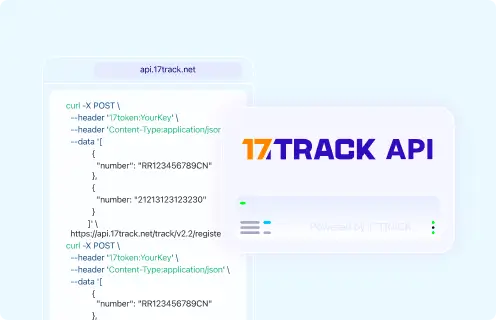
Consumer tracking is suited to individual lookups. Businesses handling multiple carriers can use 17TRACK’s developer platform to register numbers, normalize shipment visibility, and build tracking workflows without treating 17TRACK as the transporting carrier.

Developer/API Comparison

OptionProvider
Carrier website trackingATX
View ATX tracking integration details
Carrier coverageATX shipment information available through the supplied carrier website.
Primary useManual shipment lookup and carrier-directed support.
AuthenticationUse the access method displayed by the website.
Tracking/batch/webhook capabilityUse only capabilities documented on the active ATX site or provided in a business agreement.
Current developer documentationATX website
Migration/deprecation noteValidate endpoints and credentials against current contract documentation before integration.
Multi-carrier Tracking API17TRACK
View 17TRACK API details
Carrier coverageMulti-carrier shipment workflows supported by 17TRACK.
Primary useProgrammatic registration and tracking of shipments across carrier portfolios.
Authentication17token request header using an API key.
Tracking/batch/webhook capabilityUse capabilities and limits defined in the current 17TRACK API documentation.
Current developer documentation17TRACK API documentation
Migration/deprecation notePin integrations to the documented API version and review release or migration guidance before changing versions.

FAQ

1. How do I track my ATX package?

Enter the shipment tracking number on the supplied ATX website or use 17TRACK to view available events. Check the latest timestamp, location, and named carrier before deciding which party to contact.

2. Where can I find my ATX tracking number?

Look in the dispatch email, shipping label, receipt, merchant account, or marketplace shipment page. If only an order number appears, ask the sender for the linked carrier tracking number.

3. What does an ATX tracking number look like?

Use the complete value supplied with the shipment instead of identifying it from a prefix alone. International and consolidated shipments may also display a partner or last-mile number.

4. When will the first ATX tracking update appear?

The first operational update appears after a participating operator records the shipment. A label-created event means electronic data exists and does not by itself prove physical acceptance.

5. Why is my ATX tracking not updating?

A gap can occur during transport between facilities, consolidation, customs processing, or partner handoff. Check for a second tracking number and contact the operator named in the latest physical scan when the route estimate has passed.

6. How long does ATX delivery take?

Use the delivery range supplied for the purchased service and route. Origin, destination, handoffs, customs, weekends, holidays, address quality, and disruptions can change the actual delivery date.

7. What should I do after a failed ATX delivery attempt?

Read the exact exception and follow instructions from the named local carrier. Act before the parcel enters return processing, and involve the sender if an address correction requires shipper authorization.

8. What should I do if ATX says delivered but I did not receive the package?

Confirm the address, then check safe places, reception, household members, neighbors, mail areas, and parcel lockers. Request delivery details from the last-mile carrier and notify the merchant if the parcel remains missing.

9. How do I report an ATX package as lost or damaged?

Notify the sender and responsible carrier and preserve the label, packaging, contents, photographs, invoice, and tracking history. The purchased service terms determine who files and the applicable claim window.

10. How do I contact ATX?

Start with the supplied ATX website and prepare the tracking number, shipment date, addresses, service, latest scan, and issue description. Contact the sender for dispatch, replacement, refund, or shipper-authorized claim matters.

11. Does a label-created event mean ATX has the parcel?

No. Label creation confirms that shipment data exists; physical custody begins only when ATX or another identified operator records collection, acceptance, or receipt.

12. Why can an ATX shipment show two tracking numbers?

A cross-border or consolidated route may link an origin identifier to a partner or destination-carrier identifier. Track both because one may show upstream movement while the other provides local delivery events.

13. Does a customs-arrival scan mean my ATX package has cleared customs?

No. Arrival, presentation to customs, inspection, duty assessment, and release are distinct stages; wait for an explicit release or destination-carrier induction event.

14. Who is responsible during an ATX partner handoff?

The upstream operator remains the last evidenced custodian until the receiving carrier records physical acceptance. Electronic pre-advice or an awaiting-item status does not establish that the receiving carrier has the parcel.

15. Can businesses track ATX shipments through an API?

Businesses can use the documented 17TRACK multi-carrier API for programmatic shipment registration and tracking workflows. Validate the ATX carrier code through current 17TRACK resources rather than guessing it.

Tracking API

# 1. ATX official tracking API
# Current public official tracking API not confirmed.
# Use only endpoint and credential details supplied directly in a current ATX business agreement.

# 2. 17TRACK API
# Documentation: https://api.17track.net/en/doc
# Confirm the current ATX carrier code before replacing CARRIER_CODE.

curl --request POST \
  --url https://api.17track.net/track/v2.4/register \
  --header '17token: YourKey' \
  --header 'Content-Type: application/json' \
  --data '[{"number":"TRACKING_NUMBER","carrier":"CARRIER_CODE"}]'

Sources & References

17TRACK is an independent tracking platform and is not affiliated with ATX.
A professional and stable global package tracking platform.

17TRACK