About ACI Express
ACI Express provides a shipment-tracking website at the supplied official domain. A tracking result may represent only the stage handled or reported through ACI Express; it does not by itself prove that ACI Express originated the shipment, issued every identifier, cleared customs, or performed the final delivery.
Carrier Overview
Carrier Entity Relationships
| Entity |
Entity type |
| ACI Express |
Canonical tracking entity |
View all details for ACI Express
| Relationship to ACI Express | ACI Express is the carrier name associated with the supplied official tracking website. |
|---|
| Why it matters to tracking | Users should match this name and domain with the carrier shown in the merchant’s shipping confirmation before interpreting events. |
|---|
| Official evidence | ACI Express official website |
|---|
|
| ACI Express tracking website |
Tracking product |
View all details for the ACI Express tracking website
| Relationship to ACI Express | The website is the supplied official online resource for checking ACI Express shipment information. |
|---|
| Why it matters to tracking | It is the first-party destination for validating whether an identifier is recognized. |
|---|
| Official evidence | ACI Express official website |
|---|
|
| Merchant or shipping partner |
Shipment data source or upstream party |
View all details for merchant or shipping partner records
| Relationship to ACI Express | A merchant or logistics partner may send shipment data before the parcel receives a physical acceptance scan. |
|---|
| Why it matters to tracking | An electronic record does not establish that ACI Express has physical custody. |
|---|
| Official evidence | The individual tracking history and merchant shipping record identify the parties associated with a specific shipment. |
|---|
|
| 17TRACK |
Independent multi-carrier tracking platform |
View all details for 17TRACK
| Relationship to ACI Express | 17TRACK displays tracking events made available for supported shipments but does not transport ACI Express packages. |
|---|
| Why it matters to tracking | 17TRACK can centralize shipment visibility, while delivery changes, investigations, claims, and refunds remain with the responsible carrier, sender, or seller. |
|---|
| Official evidence | 17TRACK |
|---|
|
Quick Answer
Enter the shipment tracking number from the seller’s dispatch notice, shipping label, or order-shipment page on the ACI Express official website or in 17TRACK. If no result appears, remove accidental spaces, confirm that the number is a tracking number rather than an order number, verify the selected carrier, and allow time for the first physical scan.
Pro Tip: A shipment record can be created before a parcel is handed over. 17TRACK is an independent tracking platform; it cannot change an address, arrange redelivery, approve a claim, issue a seller refund, or accelerate customs processing.
How to Track ACI Express Packages
Use the exact tracking identifier attached to the shipment, not the marketplace order number. The official website is useful for first-party validation, while 17TRACK is useful when monitoring shipments from multiple carriers.
- Open the seller’s shipping confirmation, shipment-detail page, label, or receipt.
- Copy the field explicitly labeled “tracking number” or “shipment number.”
- Paste it into the ACI Express official website and review the latest event, location, and timestamp.
- Alternatively, enter the same number in 17TRACK for multi-carrier visibility.
- If the number is rejected, compare every character with the original notice and ask the seller to identify the carrier and active tracking number.
Which Identifier Should You Use?
| Identifier |
How to use it |
| Tracking number | Use this in carrier tracking and 17TRACK. |
| Order number | Use it with the seller or marketplace; it usually identifies the purchase rather than a carrier movement. |
| Merchant reference | Use it when contacting the merchant unless the shipment page explicitly identifies it as carrier-trackable. |
| Partner or last-mile number | Use it on the named partner’s website after the tracking history shows a handoff or assignment. |
Tracking Statuses and Meanings
Read each event together with its timestamp, location, and named carrier. Similar status wording can represent different operational stages, especially before physical acceptance and during a partner handoff.
Status Quick Lookup
| Status |
What it means |
| Label created or shipment information received | Electronic shipment data exists, but physical acceptance may still be pending. |
View all details for pre-shipment| Lifecycle stage | Pre-shipment |
|---|
| Current responsible party | The sender or upstream shipping partner may still hold the parcel. |
|---|
| What happens next | A physical acceptance or processing scan should appear after handover. |
|---|
| What you should do | Confirm the dispatch date with the seller if the status remains unchanged. |
|---|
|
| Accepted or received | The named carrier or facility recorded physical receipt or an acceptance event. |
View all details for acceptance| Lifecycle stage | Accepted |
|---|
| Current responsible party | The carrier or facility named in the event. |
|---|
| What happens next | Sorting, consolidation, or transport to another facility. |
|---|
| What you should do | Monitor the next scan unless the parcel misses the seller’s stated delivery window. |
|---|
|
| In transit or departed facility | The parcel is moving between facilities or awaiting the next processing scan. |
View all details for in-transit events| Lifecycle stage | In transit |
|---|
| Current responsible party | The carrier or transport partner handling that leg. |
|---|
| What happens next | Arrival, sorting, transfer, or destination processing. |
|---|
| What you should do | Compare the elapsed time with the merchant’s delivery window and check service alerts. |
|---|
|
| Partner awaiting item or handoff pending | A receiving carrier has data but may not yet have the physical parcel. |
View all details for partner handoff| Lifecycle stage | Handover |
|---|
| Current responsible party | The upstream party remains responsible until physical receipt is recorded. |
|---|
| What happens next | The receiving carrier records its first acceptance or facility scan. |
|---|
| What you should do | Use both identifiers if available and ask the seller to investigate a prolonged handoff gap. |
|---|
|
| Customs processing or customs hold | The shipment is undergoing border review or requires information, payment, or inspection. |
View all details for customs processing| Lifecycle stage | Customs |
|---|
| Current responsible party | Customs authorities, a broker, or the carrier may control the next step. |
|---|
| What happens next | Release, request for documents or charges, inspection, or return action. |
|---|
| What you should do | Follow official payment or document requests and involve the sender for invoice or declaration corrections. |
|---|
|
| Out for delivery | The last-mile carrier assigned the parcel to a delivery route. |
View all details for out for delivery| Lifecycle stage | Delivery |
|---|
| Current responsible party | The named last-mile carrier. |
|---|
| What happens next | Delivery, attempted delivery, pickup routing, or a route exception. |
|---|
| What you should do | Make the delivery location accessible and monitor instructions from the last-mile carrier. |
|---|
|
| Delivered | A delivery scan was recorded at the destination or designated delivery point. |
View all details for delivered status| Lifecycle stage | Delivered |
|---|
| Current responsible party | The recipient should first check the recorded delivery location; the last-mile carrier can review the scan. |
|---|
| What happens next | The transport lifecycle normally closes unless a delivery dispute is opened. |
|---|
| What you should do | Check entrances, parcel areas, reception, household members, neighbors, and any proof of delivery before escalating. |
|---|
|
| Delivery exception or attempt failed | Delivery could not be completed because of access, address, weather, recipient, or operational conditions. |
View all details for delivery exceptions| Lifecycle stage | Exception |
|---|
| Current responsible party | The named last-mile carrier controls the next delivery action. |
|---|
| What happens next | Another attempt, pickup instruction, address review, or return processing. |
|---|
| What you should do | Read the complete event and follow only the options offered by the last-mile carrier. |
|---|
|
| Returning to sender | The parcel has entered a reverse route because delivery or clearance could not be completed. |
View all details for return to sender| Lifecycle stage | Return |
|---|
| Current responsible party | The carrier moving the return and the sender receiving it. |
|---|
| What happens next | Reverse transport, sender receipt, and seller resolution. |
|---|
| What you should do | Contact the seller about replacement, reshipment, address correction, or refund options. |
|---|
|
Services and Delivery Times
Use the service name and delivery window printed on the seller’s shipment record. A tracking event describes progress; it does not create a delivery guarantee or replace the terms purchased by the sender.
Service Comparison
| Service | Best for |
|---|
| Service shown on the shipment record | Matching the purchased transport terms with the tracking history. |
View all details for the recorded shipment service| Service type | Use the exact classification stated by the merchant, sender, or shipping document. |
|---|
| Coverage | Determined by the shipment’s origin, destination, and purchased service. |
|---|
| Tracking level | Depends on the events shared by each participating carrier. |
|---|
| Key size/weight condition | The sender should verify shipment eligibility before tendering the parcel. |
|---|
| Included protection/extra service | Refer to the sender’s contract, receipt, or merchant shipping terms. |
|---|
| Main limitation | A tracking page alone does not establish service eligibility, insurance, or a delivery guarantee. |
|---|
|
Delivery Time
| Service | Published delivery standard |
|---|
| Shipment-specific service | Use the delivery window shown by the seller or in the shipment record. |
View all delivery-time considerations| Business or calendar days | Apply the counting method stated in the purchased service terms. |
|---|
| Guarantee status | An estimate is not a guarantee; only explicit service terms can create a delivery commitment. |
|---|
| Starts counting from | Check whether the seller counts from order placement, dispatch, physical acceptance, or another defined milestone. |
|---|
| Main delay factors | Late handoff, weekends, holidays, weather, peak volume, address quality, customs, security screening, remote delivery, and partner transfers. |
|---|
| Official source date/validity | Use the current terms attached to the shipment rather than an unrelated historical estimate. |
|---|
|
Destination Country Delivery Times
| Destination Country / Region | Estimated Delivery Time Range |
|---|
| Destination shown in the shipment record | Use the shipment-specific merchant or carrier estimate rather than a generic country average. |
View destination delivery guidance| Primary Service Type | The exact service purchased by the sender. |
|---|
| Average Delivery Days | Shipment-specific event history and the seller’s quoted window are more relevant than an unverified aggregate average. |
|---|
| Last-Mile Partner / Handoff Carrier | Use the partner named in the tracking history, alternate tracking field, or delivery notice. |
|---|
| Customs & Clearance Tips | Monitor document or tax requests, confirm the recipient’s contact details, and never treat arrival in the destination country as customs release. |
|---|
|
Delivery estimates can change after acceptance as the route, handoff carrier, address, customs status, and local operating conditions become known. A promised date should be treated as guaranteed only when the purchased service terms explicitly say so.
Common Tracking Problems and Solutions
Start with the latest full event, its timestamp, and the party named in that event. The sender is usually best placed to correct shipment data or open a contractual investigation, while the recipient can verify access, delivery locations, and customs requests.
Problem & Solution
| Problem/status shown | Immediate action |
|---|
| Invalid number or no result | Copy the number again, remove accidental spaces, and verify the carrier with the seller. |
View all details for an invalid number| Likely cause | Typing error, order number used instead of tracking number, early data transmission, or wrong carrier selection. |
|---|
| Check first | The original dispatch notice and every letter or digit. |
|---|
| When to escalate | When the seller says the parcel was handed over but cannot provide an active carrier identifier. |
|---|
| Who to contact | The seller or sender. |
|---|
|
| Label created with no acceptance scan | Ask the sender whether the physical parcel has been tendered. |
View all details for label created| Likely cause | Electronic data exists before physical handover or first processing. |
|---|
| Check first | The seller’s actual dispatch date. |
|---|
| When to escalate | After the seller’s stated handling period or delivery window is missed. |
|---|
| Who to contact | The seller or sender first. |
|---|
|
| No update or stuck in transit | Check the last location, partner name, holidays, weather, customs, and the seller’s delivery window. |
View all details for a tracking gap| Likely cause | Transport between facilities, consolidated movement, missed scan, partner transfer, customs processing, or operational disruption. |
|---|
| Check first | The timestamp and whether an alternate tracking number appears. |
|---|
| When to escalate | When the shipment exceeds the applicable seller or service delivery window. |
|---|
| Who to contact | The party named in the latest event and the sender if an investigation is required. |
|---|
|
| Shipping-partner handoff pending | Track both identifiers and wait for the receiving carrier’s first physical scan. |
View all details for a pending handoff| Likely cause | Electronic pre-advice was sent before the parcel reached the next carrier. |
|---|
| Check first | Whether the receiving carrier says it has the item or is only awaiting it. |
|---|
| When to escalate | When the handoff gap causes the shipment to miss its delivery window. |
|---|
| Who to contact | The sender or upstream shipping partner until physical receipt is recorded. |
|---|
|
| Address problem or failed delivery | Follow the last-mile carrier’s notice and verify the address with the sender. |
View all details for address and delivery problems| Likely cause | Incomplete address, inaccessible premises, signature requirement, missing unit number, or route exception. |
|---|
| Check first | The delivery notice and options offered by the last-mile carrier. |
|---|
| When to escalate | Before any stated pickup, redelivery, or return deadline. |
|---|
| Who to contact | The named last-mile carrier; involve the sender if address changes are restricted. |
|---|
|
| Customs delay | Review requests for taxes, identity, invoice, product description, or permits. |
View all details for customs delays| Likely cause | Routine review, missing information, valuation, restricted goods, payment, or inspection. |
|---|
| Check first | Messages from customs, the broker, seller, or carrier. |
|---|
| When to escalate | Immediately when a valid document or payment deadline is stated. |
|---|
| Who to contact | The requesting authority or broker and the sender for commercial documents. |
|---|
|
| Delivered but not received | Check all delivery locations, household members, reception, parcel lockers, and neighbors before requesting a scan review. |
View all details for delivered but missing| Likely cause | Safe-place delivery, reception acceptance, neighbor delivery, parcel-room placement, address mismatch, premature scan, or misdelivery. |
|---|
| Check first | The exact delivery timestamp, location note, photo, signature, or proof of delivery. |
|---|
| When to escalate | After immediate local checks fail; preserve screenshots and contact the last-mile carrier promptly. |
|---|
| Who to contact | The last-mile carrier for delivery evidence and the seller for a contractual resolution. |
|---|
|
| Lost, damaged, or returned | Photograph damage, retain packaging, and ask the sender to use the claim or seller-resolution process tied to the purchased service. |
View all details for loss, damage, or return| Likely cause | Transport damage, missing contents, unresolved delivery exception, address failure, customs action, or loss in transit. |
|---|
| Check first | Tracking history, packaging condition, item count, invoice, and seller protection terms. |
|---|
| When to escalate | Within the filing window stated by the applicable carrier, seller, payment provider, or marketplace. |
|---|
| Who to contact | The sender or seller and the carrier contract holder. |
|---|
|
International Shipping, Customs and Carrier Handoffs
For a cross-border shipment visible through ACI Express, identify the physical custodian at each stage. Electronic pre-advice, export departure, arrival in the destination country, customs release, partner acceptance, and final delivery are separate events.
International Flow
| Stage | What is happening |
|---|
| Shipment creation | The sender creates shipping data and an identifier. |
View all details for shipment creation| Physical custodian/responsible entity | The sender may still hold the parcel. |
|---|
| Typical tracking event | Shipment information received or label created. |
|---|
| Can the tracking number change? | A partner or last-mile identifier may later be added. |
|---|
| Normal visibility gap | Between data creation and physical acceptance. |
|---|
| What the customer should do | Confirm actual handover with the seller if the first physical scan does not appear. |
|---|
|
| Origin processing and export | The parcel is accepted, sorted, screened, consolidated, and prepared for international transport. |
View all details for origin processing| Physical custodian/responsible entity | The origin carrier, consolidator, export facility, or security authority. |
|---|
| Typical tracking event | Accepted, processed, departed facility, or export processing. |
|---|
| Can the tracking number change? | The original number may remain while a transport reference is added. |
|---|
| Normal visibility gap | During consolidation, security screening, or departure scheduling. |
|---|
| What the customer should do | Monitor events and ensure the sender can provide correct export documents. |
|---|
|
| International line-haul | The shipment moves between origin and destination gateways. |
View all details for international line-haul| Physical custodian/responsible entity | The contracted air, road, or logistics transport chain. |
|---|
| Typical tracking event | Departed origin, in transit, or arrived at destination gateway. |
|---|
| Can the tracking number change? | A downstream carrier may assign a local identifier. |
|---|
| Normal visibility gap | Between departure and destination processing. |
|---|
| What the customer should do | Avoid interpreting a scan gap alone as proof of loss. |
|---|
|
| Import customs | Authorities review the declaration, goods, value, taxes, and admissibility. |
View all details for import customs| Physical custodian/responsible entity | Customs, a bonded facility, broker, or carrier under customs control. |
|---|
| Typical tracking event | Presented to customs, clearance processing, held, or released. |
|---|
| Can the tracking number change? | Customs references may be added without replacing the parcel identifier. |
|---|
| Normal visibility gap | During review, inspection, document collection, or payment processing. |
|---|
| What the customer should do | Respond to legitimate requests and ask the sender for invoice or declaration support. |
|---|
|
| Partner handoff | Shipment data and the physical parcel are transferred to a destination or last-mile carrier. |
View all details for partner handoff| Physical custodian/responsible entity | The upstream party remains custodian until the downstream carrier records receipt. |
|---|
| Typical tracking event | Pre-advice sent, awaiting item, tendered, received, or inducted. |
|---|
| Can the tracking number change? | Yes. A linked last-mile number may appear, while the original number may continue to work. |
|---|
| Normal visibility gap | Between electronic assignment and the receiving carrier’s first physical scan. |
|---|
| What the customer should do | Track both numbers and identify which party physically holds the parcel. |
|---|
|
| Last-mile delivery | The destination carrier sorts the parcel locally and attempts delivery or pickup placement. |
View all details for last-mile delivery| Physical custodian/responsible entity | The last-mile carrier named in the latest event. |
|---|
| Typical tracking event | Arrived at local facility, out for delivery, attempted, pickup ready, or delivered. |
|---|
| Can the tracking number change? | The local identifier may become the most detailed tracking number. |
|---|
| Normal visibility gap | Between handoff acceptance and local induction. |
|---|
| What the customer should do | Use the local carrier’s instructions for delivery access, pickup, or delivery disputes. |
|---|
|
Pro Tip: “Arrived in destination country” means the parcel reached a gateway or exchange point. It does not mean that customs released the shipment or that the last-mile carrier accepted it.
Delivery Management and Post-shipment Options
Use only options explicitly offered for the shipment by the carrier currently responsible for delivery. A seller, upstream logistics provider, and last-mile carrier may have different authority over address changes, redelivery, pickup, or delivery instructions.
Delivery Management
| Option | Who can request |
|---|
| Address review or correction | The sender should request contractual changes; the recipient may report an address issue. |
View all details for address review| Eligibility | Depends on the shipment stage, fraud controls, service, and carrier policy. |
|---|
| Deadline/available stage | Request before final delivery or return processing whenever the responsible carrier permits it. |
|---|
| Fee | Apply only a fee disclosed by the responsible carrier or seller. |
|---|
| Guaranteed? | No; routing and security restrictions can prevent a change. |
|---|
| Official action link | ACI Express official website |
|---|
|
| Redelivery or pickup | The recipient follows the options in the delivery notice or last-mile tracking page. |
View all details for redelivery or pickup| Eligibility | Available only when the responsible last-mile carrier offers the option for that parcel. |
|---|
| Deadline/available stage | Follow the deadline stated in the delivery notice or pickup event. |
|---|
| Fee | Use the amount, if any, displayed in the carrier’s authenticated channel. |
|---|
| Guaranteed? | No; another attempt, pickup placement, or return may depend on local operations. |
|---|
| Official action link | Use the authenticated link supplied by the named last-mile carrier. |
|---|
|
| Proof of delivery request | The recipient or sender asks the carrier that recorded the delivery scan. |
View all details for proof of delivery| Eligibility | Depends on the service and the evidence captured at delivery. |
|---|
| Deadline/available stage | After a delivery scan is recorded. |
|---|
| Fee | Refer to the applicable service terms. |
|---|
| Guaranteed? | No; available evidence may be limited to a timestamp or location event. |
|---|
| Official action link | Use the delivery carrier shown in the final tracking event. |
|---|
|
Lost, Damaged, Claims, Insurance and Refunds
A tracking inquiry, carrier investigation, insurance claim, postage refund, and seller refund are separate processes. The party that purchased the transport service is usually best placed to use the carrier’s contractual claim procedure.
Claims and Refunds
| Process | Use when |
|---|
| Tracking inquiry or transport investigation | Tracking has stopped, a handoff is unresolved, or the shipment missed the applicable delivery window. |
View all details for a transport investigation| Who files | The sender or transport contract holder is generally best placed to open the investigation. |
|---|
| Earliest/latest filing time | Use the service-specific window in the sender’s current shipping terms. |
|---|
| Required evidence | Tracking number, dispatch date, addresses, service, contents description, and latest event. |
|---|
| Possible outcome | Location update, delivery confirmation, return information, continued search, or loss determination. |
|---|
| Official link | ACI Express official website |
|---|
|
| Loss, damage, or missing-contents claim | The responsible carrier determines loss or the parcel arrives damaged or incomplete. |
View all details for a loss or damage claim| Who files | The sender, contract holder, or another party permitted by the applicable terms. |
|---|
| Earliest/latest filing time | Follow the filing window for the purchased service and claim type. |
|---|
| Required evidence | Tracking record, invoice, value proof, photographs, item description, packaging, and damage evidence. |
|---|
| Possible outcome | Investigation, request for evidence, settlement under applicable liability, or denial. |
|---|
| Official link | Use the claim channel identified in the sender’s shipping contract. |
|---|
|
| Seller or marketplace refund | The buyer seeks a purchase remedy for non-delivery, damage, incorrect goods, or return completion. |
View all details for a seller refund| Who files | The buyer uses the seller or marketplace order-resolution channel. |
|---|
| Earliest/latest filing time | Follow the purchase-protection deadline shown on the order. |
|---|
| Required evidence | Order number, tracking history, seller messages, photos, and proof of payment. |
|---|
| Possible outcome | Replacement, reshipment, partial refund, full refund, or denial under seller terms. |
|---|
| Official link | Use the order page of the seller or marketplace. |
|---|
|
Keep the parcel, contents, inner packaging, outer packaging, labels, and photographs until the responsible party closes the case. 17TRACK cannot approve claims, determine liability, reimburse postage, or issue a merchant refund.
Shipping Restrictions and Special Handling
The sender must check the current rules for the purchased service, origin, destination, transport mode, customs authority, and every participating carrier. The categories below are risk-screening prompts rather than a complete acceptance guide.
Shipping Restrictions
| Category | Prohibited or restricted |
|---|
| Dangerous goods | May be prohibited or accepted only under specific classification, packaging, documentation, and transport rules. |
View all details for dangerous goods| Typical examples | Flammables, compressed gases, corrosives, explosives, toxic substances, and certain chemicals. |
|---|
| Key condition/packaging | Correct classification, declaration, approved packaging, marks, labels, and documents may be required. |
|---|
| Transport limitation | Air and cross-border movement can impose additional restrictions. |
|---|
| Possible tracking/delivery impact | Security hold, rejection, return, disposal, or regulatory action. |
|---|
| Official rules | Check the current service terms and applicable dangerous-goods regulations before shipping. |
|---|
|
| Lithium batteries and electronics | Often subject to battery type, capacity, installation, quantity, packaging, and transport-mode conditions. |
View all details for batteries| Typical examples | Phones, laptops, power banks, replacement batteries, and battery-powered equipment. |
|---|
| Key condition/packaging | Prevent short circuits, movement, damage, and accidental activation; declare as required. |
|---|
| Transport limitation | Standalone batteries can face stricter air-transport rules than batteries installed in equipment. |
|---|
| Possible tracking/delivery impact | Screening delay, route change, rejection, or return. |
|---|
| Official rules | Confirm eligibility with the contracted shipping service before tender. |
|---|
|
| Liquids, perishables, medicines, and regulated goods | Eligibility depends on leakage risk, temperature control, shelf life, licensing, and destination law. |
View all details for regulated and perishable goods| Typical examples | Cosmetics, food, biological materials, prescription products, alcohol, and pressurized liquids. |
|---|
| Key condition/packaging | Leakproof containment, absorbent material, temperature controls, permits, and accurate declarations may be required. |
|---|
| Transport limitation | Some services do not support temperature-sensitive or time-critical contents. |
|---|
| Possible tracking/delivery impact | Inspection, customs hold, spoilage risk, rejection, or destruction. |
|---|
| Official rules | Check service, customs, health, and destination requirements before shipment. |
|---|
|
Customer Service
Start with the official tracking website, then contact the party that can perform the required action. The seller handles order remedies; the current physical carrier handles operational delivery questions; the transport contract holder handles most formal carrier investigations and claims.
Customer Service
| Channel | Verified contact/link |
|---|
| Official website and tracking resource | https://www.aciexpress.net/ |
View all details for the ACI Express official website| Best for | Checking whether the shipment identifier is recognized and reviewing available events. |
|---|
| Region/language | Use the options displayed on the official website. |
|---|
| Hours and time zone | The web resource can be visited online; any staffed support schedule should be taken from the current contact channel. |
|---|
| Information to prepare | Tracking number, sender, recipient address, dispatch date, service, latest event, and order reference. |
|---|
| Important limitation | Tracking visibility does not establish authority to issue refunds, alter an address, or approve a claim. |
|---|
|
| Seller or sender | Use the order page, receipt, or shipping-confirmation contact channel. |
View all details for seller support| Best for | Missing tracking numbers, incorrect dispatch data, late handover, replacement, reshipment, seller refund, and carrier investigations requiring the contract holder. |
|---|
| Region/language | Defined by the seller’s support policy. |
|---|
| Hours and time zone | Use the schedule on the order-support channel. |
|---|
| Information to prepare | Order number, payment record, tracking history, item description, and requested resolution. |
|---|
| Important limitation | The seller may need to wait for a carrier investigation before deciding a transport-related remedy. |
|---|
|
| Named last-mile carrier | Use the carrier and alternate number shown in the latest tracking event or delivery notice. |
View all details for last-mile support| Best for | Delivery attempts, pickup instructions, access issues, delivery evidence, and delivered-but-missing review. |
|---|
| Region/language | Determined by the destination carrier. |
|---|
| Hours and time zone | Use the local carrier’s current contact page. |
|---|
| Information to prepare | Local tracking number, address, delivery timestamp, notice, and safe-place checks. |
|---|
| Important limitation | The last-mile carrier may not control seller refunds or the original shipping contract. |
|---|
|
For an efficient escalation, prepare the tracking number, order number, dispatch date, sender and recipient details, service name, latest scan, contents description, value proof, packaging photographs, damage photographs, and the resolution requested.
Ecommerce and Business Tracking
Businesses should separate consumer lookup, carrier-specific integration, and multi-carrier tracking. 17TRACK can support a multi-carrier workflow with normalized tracking access, while shipment changes and claims remain subject to each carrier and shipping contract.
Developer/API Comparison
| Option | Provider |
|---|
| Consumer website tracking | ACI Express |
View all details for consumer website tracking| Carrier coverage | Shipment records recognized through the ACI Express website. |
|---|
| Primary use | Manual lookup by a consumer or support agent. |
|---|
| Authentication | Follow the website’s current access flow. |
|---|
| Tracking/batch/webhook capability | Use only features displayed in the official interface or supplied under a business agreement. |
|---|
| Current developer documentation | ACI Express official website |
|---|
| Migration/deprecation note | Do not build against undocumented endpoints observed in a browser session. |
|---|
|
| Multi-carrier Tracking API | 17TRACK |
View all details for the 17TRACK API| Carrier coverage | Multiple carriers supported by 17TRACK. |
|---|
| Primary use | Centralized registration and tracking for ecommerce, support, and operations systems. |
|---|
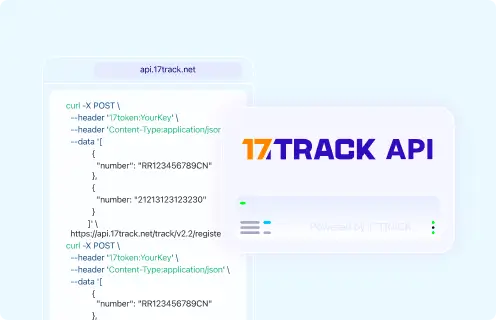
| Authentication | The documented request uses a 17token header. |
|---|
| Tracking/batch/webhook capability | Use the capabilities and account limits described in the current 17TRACK API documentation. |
|---|
| Current developer documentation | 17TRACK API documentation |
|---|
| Migration/deprecation note | Pin integrations to the documented API version and review the current documentation before deployment. |
|---|
|
Merchants should store both the merchant order ID and every carrier-issued or partner-issued tracking number. Exception monitoring should distinguish pre-shipment, physical acceptance, customs, partner handoff, delivery attempt, delivery, and return so customer-service teams can contact the party that controls the next action.
ACI Express FAQ
1. How do I track my ACI Express package?Enter the shipment tracking number on the ACI Express official website or use 17TRACK to view available events. Confirm the carrier with the seller if the number is rejected.
2. Where can I find my ACI Express tracking number?Look in the dispatch email, marketplace shipment page, seller message, receipt, or shipping label. Use the value labeled as a tracking or shipment number rather than the purchase order number.
3. What does an ACI Express tracking number look like?Use the complete identifier supplied for the shipment instead of identifying it by prefix or length alone. Validate the number through the official website or 17TRACK because partner and merchant identifiers can follow different formats.
4. When will the first ACI Express tracking update appear?The first physical movement update appears after the parcel is accepted or processed. Electronic shipment information may appear earlier and does not prove that ACI Express or a downstream carrier has received the parcel.
5. Why is my ACI Express tracking not updating?A gap can occur during transport, consolidation, customs, a partner transfer, or between physical scans. Check the latest timestamp and contact the sender if the shipment exceeds the applicable delivery window.
6. How long does ACI Express delivery take?Use the shipment-specific delivery window supplied by the seller or purchased service. Origin, destination, handoffs, weekends, customs, weather, address quality, and peak volume can affect the result.
7. What should I do after an ACI Express delivery attempt fails?Read the complete event and follow the options offered by the named last-mile carrier. Act before any stated pickup or return deadline and involve the sender if the address must be corrected.
8. What should I do if ACI Express shows delivered but I cannot find the package?Check entrances, parcel rooms, lockers, reception, household members, and neighbors, then review any delivery photo, signature, or location note. Ask the last-mile carrier to review the delivery scan and notify the seller if the parcel remains missing.
9. How do I report a lost or damaged ACI Express shipment?Notify the sender or seller and preserve the goods, labels, packaging, photos, invoice, and tracking history. The transport contract holder should use the claim process and filing window attached to the purchased service.
10. How do I contact ACI Express about tracking?Start with the ACI Express official website and prepare the tracking number, dispatch date, addresses, service, and latest event. Contact the seller for order remedies and the named last-mile carrier for delivery-stage issues.
11. Does “label created” mean ACI Express physically has the parcel?No. “Label created” normally means shipment data exists; physical custody should be established by a later acceptance, received, or processing event naming the responsible party.
12. Why can an ACI Express shipment have two tracking numbers?A logistics partner or last-mile carrier may assign a second identifier for its own network. Keep both numbers because one may show the upstream route while the other provides more detailed destination delivery scans.
13. Does destination-country arrival mean an ACI Express shipment cleared customs?No. Gateway arrival, presentation to customs, customs review, release, and last-mile acceptance are separate milestones. Wait for an explicit release or downstream processing event.
14. Who is responsible while an ACI Express shipment is awaiting a partner handoff?The upstream party generally remains the physical custodian until the receiving carrier records receipt. Electronic pre-advice or an assigned last-mile number does not by itself prove that the downstream carrier has the parcel.
15. Can businesses track ACI Express shipments through an API?Businesses can use the 17TRACK multi-carrier API for supported shipments and should follow the current 17TRACK documentation. Use a carrier-specific integration only when ACI Express directly supplies current business documentation, credentials, and supported endpoints.
16. Can 17TRACK change or refund an ACI Express shipment?No. 17TRACK displays available tracking information but cannot reroute a parcel, correct an address, release customs, approve a claim, or issue a seller refund.
Tracking API
Use an ACI Express carrier endpoint only when current endpoint, authentication, request, and support documentation are supplied directly under an applicable business arrangement. The example below shows the documented 17TRACK registration endpoint. The ACI Express carrier code is left as a placeholder rather than guessed.
# 1. ACI Express carrier API
# Use only current endpoints, credentials, and request specifications
# supplied directly through an applicable ACI Express business arrangement.

# 2. 17TRACK API: register a tracking number
curl --request POST \
  --url https://api.17track.net/track/v2.4/register \
  --header '17token: YourKey' \
  --header 'Content-Type: application/json' \
  --data '[
    {
      "number": "TRACKING_NUMBER",
      "carrier": "CARRIER_CODE"
    }
  ]'

# Keep CARRIER_CODE as a placeholder until it is verified
# against current 17TRACK carrier data or API recognition.
Sources & References
17TRACK is an independent tracking platform and is not affiliated with ACI Express.