How to Track a Package from the Usa to Europe
To track a package from the USA to Europe, start with the tracking number provided by the sender, enter it on the shipping carrier’s official website or use a multi-carrier tracking service, and check both the export and destination-country updates. International shipments can move between postal operators, customs authorities, and delivery partners, so a single tracking page may not show every event immediately.
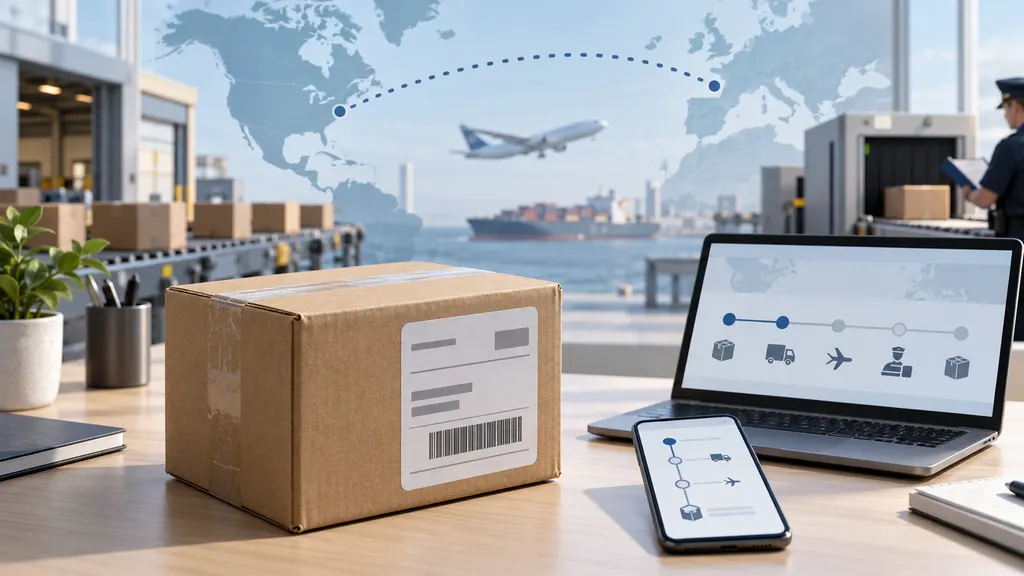
The most useful approach is to identify the carrier, confirm the destination country, understand the shipment’s current stage, and know when an apparent delay is normal. The steps below apply to personal parcels, online orders, documents, and many small international shipments, although exact scans and delivery procedures depend on the service selected.
1. Find the correct tracking number
Look for the tracking number in the seller’s shipping confirmation, order page, receipt, or email from the carrier. Do not confuse it with an order number, invoice number, or customer reference. A tracking number may contain letters and numbers, and its format can provide a clue about the originating postal operator, but the format alone does not always identify the company handling final delivery.
If the seller has sent only an order number, contact the seller and request the actual shipment identifier. If the number produces no result, check for typing errors and remove accidental spaces. A label can also be created before the parcel is physically accepted, so a newly issued number may show no movement until the carrier receives and scans the package.
2. Choose where to track the shipment
For a first check, use the carrier named in the shipping confirmation. Official carrier tracking is usually the best source for the carrier’s own scan events and service-specific instructions. For example, a parcel mailed through the United States Postal Service can be checked through the USPS tracking page.
International shipments may involve more than one postal or logistics operator. If the original carrier’s page stops updating after export, a multi-carrier service can help identify later events from another operator. You can track a package with 17TRACK by entering the number once; the service can be useful when the carrier changes during transit or when the destination carrier is not obvious.
A third-party tracking page should be treated as a visibility tool, not as proof that a parcel has moved when the carrier has not recorded a new event. When the status is unclear, compare the result with the official carrier page and the seller’s shipment details.
3. Read the tracking timeline in the right order
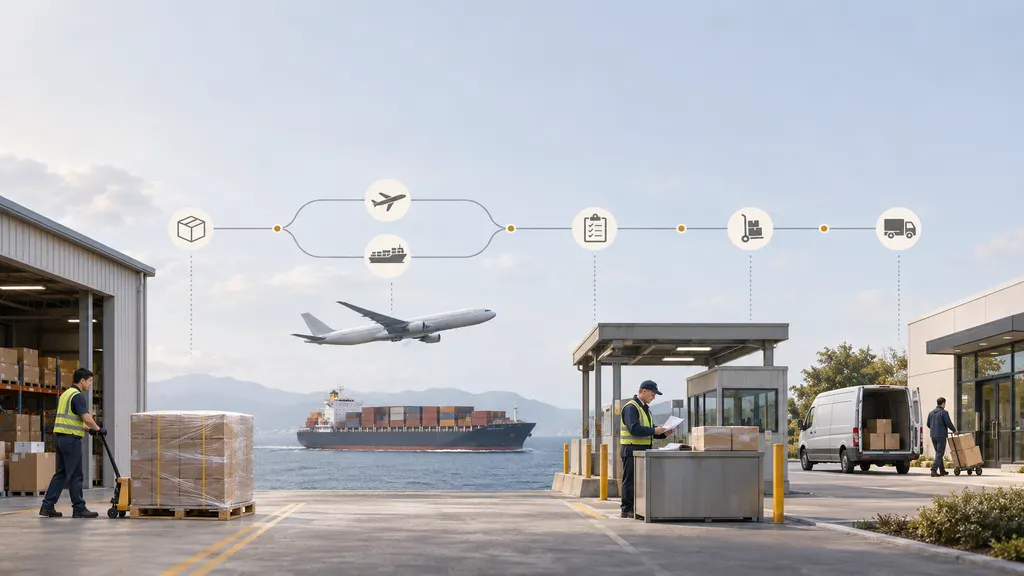
International tracking events generally describe a sequence rather than a continuous live location. Common stages include:
- Shipping label created: The sender or shipping platform prepared the label. This may occur before the package enters the carrier’s network.
- Accepted or collected: The carrier received the shipment or recorded its first physical scan.
- In transit or departing origin facility: The parcel is moving through the U.S. network or toward export processing.
- Export processing: The shipment is being prepared to leave the United States. Depending on the service, an export scan may not appear immediately.
- Arrived in destination country: The shipment has reached the destination country or its inbound processing network. This does not necessarily mean it has cleared customs.
- Customs clearance: Authorities or a customs-handling operator are reviewing the shipment. The recipient may need to provide information or pay an assessed amount, depending on the shipment and local rules.
- Handed to local delivery operator: A postal service, courier, or delivery partner is responsible for the next leg.
- Out for delivery: The parcel has entered a delivery route. It may still be delivered on a later attempt if access, address, or recipient availability causes a problem.
- Delivered: The carrier recorded delivery. Check the delivery details if the recipient cannot locate the parcel.
These labels are general descriptions, not guarantees of a fixed process. Carriers can publish scans in a different order, combine multiple events, or leave a gap between origin and destination updates.
4. Check customs and destination-country requirements
The United States and Europe do not share one universal customs or delivery process. “Europe” includes countries with different postal systems, tax rules, customs procedures, currencies, and delivery operators. The United Kingdom, for example, has its own import process, while EU member states operate within the EU customs framework but may still use different local carriers and notification methods.
When a package reaches Europe, check the destination carrier’s website if the tracking page identifies it. Some operators provide a local tracking number or a separate customs reference. The recipient may receive an email, text message, letter, or online notice requesting information or payment. Verify any request through the carrier’s official website rather than relying only on a message link, because shipping-related scams often imitate delivery notifications.
Do not assume that customs clearance means the parcel is immediately available for delivery. A shipment may need to be transferred from customs to a postal depot, courier hub, or contracted delivery partner. Conversely, a customs-related status may remain visible for a period while administrative processing continues.
5. Allow for gaps between scans
Tracking is event-based, not a continuous GPS feed. A parcel can be moving while no new public scan is available. Gaps are especially common during international transport, handoffs between operators, weekends, public holidays, security screening, and customs processing.
Before treating a gap as a lost shipment, compare the last event with the service’s expected delivery window and the shipping date. The estimate in a store checkout or seller email may be less precise than the carrier’s service information, and an estimated date is not the same as a delivery guarantee. Check the address, service level, and any customs request as well as the timeline itself.
If the last scan says that the label was created, ask the sender to confirm that the parcel was handed to the carrier. If the last scan shows export or international transit, continue checking both the origin carrier and the destination operator. If the parcel appears to be held for customs, follow the official instructions associated with the shipment rather than opening duplicate claims with multiple parties.
6. What to do when tracking stops updating
Use this sequence to investigate a stalled shipment:
- Re-enter the tracking number on the original carrier’s official site and confirm that the destination country is correct.
- Check a multi-carrier tracker to see whether a destination operator or second tracking number has appeared.
- Review the latest event carefully. “In transit,” “customs,” “delivery attempted,” and “awaiting information” require different actions.
- Ask the recipient to check local delivery notices, missed-delivery instructions, spam folders, and messages from the carrier.
- Contact the seller or sender if the parcel is still within the stated delivery window but the status is ambiguous.
- Ask the sender to open an inquiry or claim when the carrier’s process requires the shipper to start it.
The sender is often the party with the shipping receipt, insurance information, and authority to request a postal investigation. The recipient should still record the tracking history, delivery address, order details, and any customs communication. This makes it easier to explain the issue without repeatedly submitting incomplete reports.
7. How to improve tracking for future shipments
For a single parcel, saving the tracking number and checking the official carrier page is usually enough. For several orders, use a consolidated tracking page so that different carriers can be monitored in one place. A tool such as 17TRACK may be useful for cross-border shipments because it is designed to bring tracking information from multiple logistics operators into one interface. The relevant carrier remains the authority for delivery commitments, customs instructions, and formal claims.
Online sellers can also reduce avoidable support requests by sending the tracking number, origin and destination countries, a realistic delivery range, and a clear explanation of possible customs charges. A branded order-tracking experience may help customers understand whether an order is still moving, awaiting customs action, or ready for local delivery. Those features are operational choices rather than requirements for tracking an individual parcel.
When should you contact the carrier or seller?
Contact the seller first when the tracking number is invalid, the label was created but the parcel may not have been handed over, the address is incorrect, or the order has exceeded the seller’s stated delivery window. Contact the destination carrier when it has taken possession of the package and provides a local service channel. For customs questions, use the official instructions linked to the shipment and have the invoice or product description available if requested.
Escalate promptly when tracking shows a delivery attempt, an address problem, a request for recipient action, or a return-to-sender event. These statuses can become harder to resolve if the parcel is held only briefly. If tracking shows delivery but the package is missing, check with household members, building staff, neighbors, and the carrier’s delivery details before asking the sender to investigate.
FAQ
Can I track a package from the USA to Europe without knowing the carrier?
Often, yes. Enter the tracking number in a multi-carrier tracking service to identify a likely operator, then confirm the result on the official carrier website. If there is no result, the label may not have been scanned yet, the number may be incorrect, or the shipment may use a service with limited public tracking.
Why has my package left the USA but not appeared in Europe?
Export transport, airline or line-haul scheduling, arrival processing, customs, and the handoff to a local operator can all create a gap between scans. The absence of a new event does not by itself prove that the parcel is lost. Compare the gap with the stated service window and look for a local tracking number or customs request.
Will I have to pay customs charges?
It depends on the destination country, the shipment contents and value, the declared information, the service arrangement, and applicable local rules. Do not rely on a general estimate for all European destinations. Follow the official notice from the carrier or customs-handling operator and verify payment requests independently.
Why does a tracking service show a different status from the carrier?
Third-party services collect and normalize events from carrier systems, and updates can arrive at different times. The official carrier page should be given priority for delivery instructions, customs requests, claims, and service-specific commitments.
Who can open an investigation for a delayed international package?
In many postal and commercial shipping arrangements, the sender or account holder must start the formal inquiry. The exact process depends on the carrier and service. The recipient should preserve the tracking history and contact the seller or sender when an investigation or claim is needed.
Sources
- USPS Tracking — official tracking access for shipments handled by USPS.
- USPS International Services — official information about international mailing services.
- Universal Postal Union Standards — international postal standards and supply-chain information.
- 17TRACK Tracking — multi-carrier tracking interface referenced for consolidated shipment visibility.
- European Commission: Customs — official EU customs information and policy context.