China Post Tracking Statuses: Collection, Dispatch, Export, and Arrival Explained
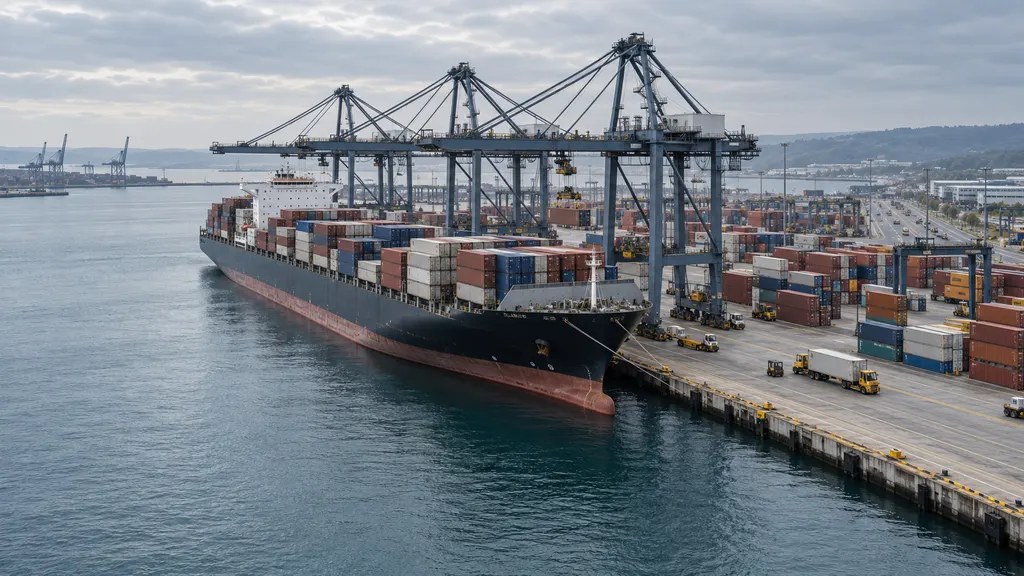
China Post tracking statuses such as “Collection,” “Dispatch,” “Export,” and “Arrival” describe different checkpoints in an international shipment’s journey. They do not always mean that a parcel is moving continuously, and the wording can vary by service, destination postal operator, and translation. In most cases, collection means the postal operator has accepted the item, dispatch means it has left a processing point, export refers to outbound processing before international departure, and arrival means it has reached a destination-country facility or postal network.
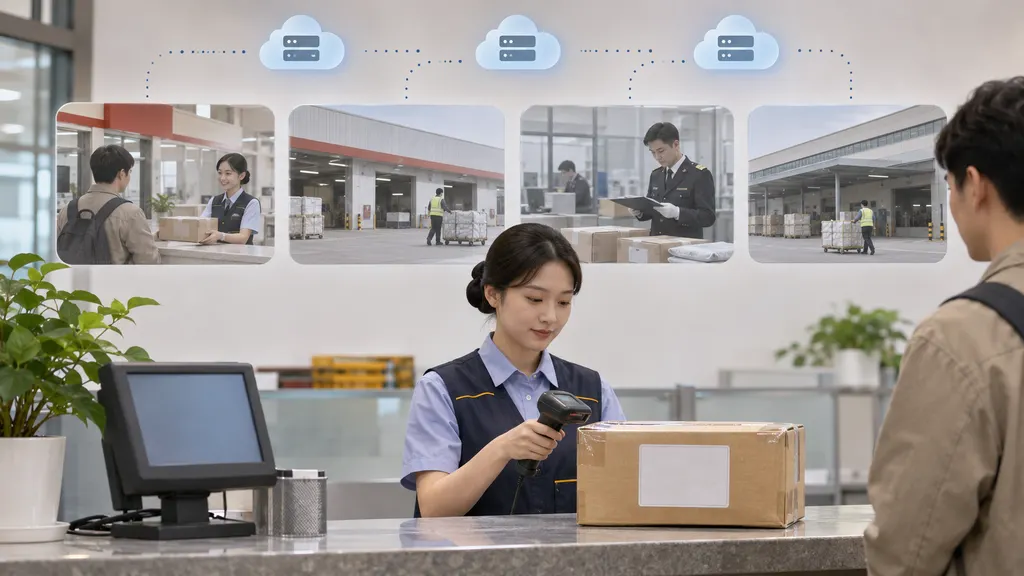
A tracking update is best understood as an event recorded in a postal system, not as a live location signal. The time between events may include sorting, customs processing, transportation, weekends, handovers, or a period when the destination postal operator has not yet posted a new scan. The sections below explain the common status groups and what to do when an update appears to stop.
How China Post tracking statuses work
China Post shipments may pass through several postal networks. The first scans are normally created by the origin postal operator in China. After export and international transport, later scans may be created by the destination country’s postal service. Some events are transmitted between systems with a delay, while some transport stages produce no public scan at all.
That is why a tracking history should be read as a sequence of confirmed handling events. It usually cannot show the parcel’s exact position between two scans. The tracking number format, mail class, destination, customs process, and data exchange between postal operators all affect the amount of information available.
China Post collection status explained
A collection status generally indicates that China Post or an associated postal counter, collection point, or logistics partner has received the item and created an acceptance record. Common wording may include “Posting,” “Acceptance,” “Collection,” or a message showing that the parcel was accepted at a post office or processing center.
This does not necessarily mean that the parcel has already left the seller’s warehouse. A seller may prepare a shipping label before handing over the package, but the first meaningful postal event is normally the acceptance or collection scan. If a tracking number exists but no collection event appears, several explanations are possible:
- The label was created before the parcel was physically handed over.
- The first scan has not yet been uploaded or synchronized.
- The number belongs to a service with limited public tracking.
- The item was accepted in a batch and will receive its next visible event later.
- The tracking number was entered incorrectly.
A short delay before the first scan is not automatically evidence that the parcel is lost. The practical step is to confirm the number with the seller and check whether the service includes end-to-end tracking. If there is still no acceptance information after the seller’s stated handover period, the seller is usually the right party to contact because the sender can request shipment details or an inquiry through the postal service.
What dispatch means in China Post tracking
“Dispatch” usually means that the item has left one postal facility or has been sent onward to another processing location. The related facility may be a local post office, a sorting center, or an international exchange office. The status may appear as “Dispatch from outward office of exchange,” “Departure from processing center,” or similar wording.
Dispatch is not the same as delivery and does not always confirm that the parcel is already on an aircraft. It confirms a handover or departure event in the postal network. A package can receive multiple dispatch updates as it moves from a local office to a regional center, then to an export facility.
When a dispatch status is followed by several days without a new scan, the parcel may be waiting for transport capacity, export processing, customs clearance, or data transmission. International postal movement is not necessarily updated at every physical step. For that reason, the location and timestamp in the latest event are more useful than the number of days since the previous event alone.
Export and outbound processing
Export-related statuses indicate that the shipment is being prepared to leave China or has passed through an outbound exchange office. Examples may refer to export customs, security screening, an international mail center, or departure from the outward office of exchange.
Export processing can involve more than one event:
- The item reaches an international processing facility.
- Postal or security checks are completed.
- Customs authorities assess whether the item can leave the country.
- The parcel is assigned to an international dispatch or transport route.
- The postal record is transmitted to the next network when available.
These steps do not always appear separately in public tracking. A message such as “Export customs clearance completed” generally indicates that an outbound customs checkpoint has been completed, but it does not guarantee that the parcel has already departed China. Conversely, “Handed over to airline” may indicate a transport handover without providing a confirmed flight departure time.
Export delays may result from incomplete or inconsistent address information, restricted or declarable contents, customs review, transport availability, peak-season volume, or a mismatch between the postal record and the physical parcel. A tracking page normally cannot identify the exact reason unless the postal operator or customs authority provides a specific message.
Arrival status: what has arrived?
An arrival status normally means that the item has reached a new postal facility or network. The relevant location could be a destination-country airport exchange office, an inbound international mail center, a customs facility, or a local sorting center. The word “arrival” therefore needs to be read with the location shown beside it.
For example, arrival at a destination-country exchange office does not mean that the parcel is at the recipient’s local post office. It may still need to pass import customs, receive a domestic routing scan, or be transferred to the final-mile postal operator. A later message such as “Arrival at delivery office” is more closely associated with local delivery preparation, but terminology differs between countries.
After the parcel enters the destination country, tracking may be updated by the local postal operator rather than China Post. The destination operator may use a different event vocabulary, and its scans may appear later than the physical handover. If the destination postal service has a recognized tracking page, checking the same number there can sometimes provide additional local events. A multi-carrier service such as 17TRACK tracking can also help consolidate updates when responsibility moves between postal networks, but it cannot create a scan that the carriers have not supplied.
Common China Post status sequence
There is no single sequence that applies to every China Post shipment. A simplified route may look like this:
| Status group | What it usually confirms | What it does not confirm |
|---|---|---|
| Collection or acceptance | The item was recorded by the postal network. | That it has left China or is moving continuously. |
| Dispatch | The item left or was sent onward from a facility. | That it is on a specific aircraft or near delivery. |
| Export processing | Outbound checks or international dispatch preparation are recorded. | A confirmed arrival in the destination country. |
| Arrival | The item reached a named facility or postal network. | That import customs, local delivery, or final delivery is complete. |
| Out for delivery | The local operator has assigned the item for delivery. | Successful delivery, unless a delivered event follows. |
Why China Post tracking may not change
A gap between scans is common in international mail. Postal tracking is event-based, and an item may travel through several transport or handling stages without a public update. The gap may also occur because China Post and the destination operator exchange information in batches rather than instantly.
Other possible causes include customs examination, a missed or unreadable barcode, a transfer to a service with limited tracking, incorrect recipient details, or a tracking page that has not refreshed. A status that remains at export or dispatch does not, by itself, prove that the parcel is lost or stuck in one building.
Use the date, facility, and wording of the latest event to decide what to do. If the latest event is recent and there are no delivery concerns, waiting for the next normal handling update may be reasonable. If the item has exceeded the seller’s promised delivery window, the recipient should contact the seller. The seller, as sender, is generally better placed to open a postal inquiry or request compensation where the service terms allow it.
How to check a China Post shipment accurately
- Copy the complete tracking number, including all letters and digits.
- Check the number on the seller’s order page and an official postal channel where available.
- Read the latest event together with its facility and country, rather than relying only on a translated headline.
- Check the destination postal operator after an inbound or arrival event appears.
- Keep screenshots of the tracking history if the delivery deadline or a marketplace claim may matter.
- Contact the seller when the promised delivery period has passed or the address appears incorrect.
Do not confuse a tracking number with proof of delivery. Proof normally requires a delivered event or delivery confirmation from the responsible postal operator. Similarly, a customs-related status is not automatically a request for payment. If a fee, document request, or import decision is genuine, it should be confirmed through the destination country’s postal or customs channel rather than through an unsolicited message.
What recipients and sellers should do next
Recipients mainly need to identify the latest confirmed stage and whether any action is requested. A collection or dispatch event usually calls for monitoring. An export or arrival event calls for checking the destination operator and preparing for possible import processing. A delivery-attempt or address-related event may require prompt contact with the local postal service.
Sellers should provide the correct tracking number, shipping service, dispatch date, and delivery estimate. They should also explain that international tracking can contain gaps and that the sender may need to start an inquiry. Clear communication is more useful than promising a precise arrival date that the postal record cannot support.
For a quick status lookup, 17TRACK provides a centralized place to enter a shipment number and review available carrier events. It is a tracking interface, not the carrier responsible for physically transporting the parcel, so official postal records and the seller remain important when a claim, customs issue, or delivery investigation is required.
FAQ
Does “Collection” mean China Post has the parcel?
Usually, it means an acceptance event has been recorded by China Post or a connected postal handling point. It does not necessarily mean the item has left the origin facility or passed export checks.
Does “Dispatch from outward office of exchange” mean the parcel has left China?
It indicates that the parcel has been dispatched from an outbound international postal facility. It may mean the item is ready for or has entered international transport, but the status alone does not confirm a specific departure time or flight.
Why does tracking show export but no arrival?
The parcel may be in international transport, awaiting a destination-country scan, undergoing inbound processing, or experiencing a delay in data exchange. The absence of an arrival scan does not by itself establish loss.
Does “Arrival” mean the package is ready for delivery?
Not necessarily. Arrival may refer to a destination airport, exchange office, customs facility, or regional sorting center. Check the named location and wait for a local delivery or out-for-delivery event.
Who should I contact when China Post tracking stops updating?
Start with the seller, especially after the promised delivery period has passed. The sender can often request a postal inquiry. You can also check the destination postal operator once the parcel appears to have entered the destination country.
Sources
- China Post EMS official website — postal and express service information.
- Universal Postal Union postal standards — international postal data and event standards.
- USPS Tracking — an example of destination-postal tracking and delivery-event terminology.
- 17TRACK Tracking — multi-carrier tracking interface for available shipment events.