SHIBIDA Tracking
Please enter the SHIBIDA tracking number to check the latest shipping status.
About ShiBiDa
ShiBiDa(时必达) is the logistics carrier associated with the official website below. A shipment record, waybill, merchant order page, or available tracking event should be used to determine the booked service, route, current custodian, and any delivery partner involved in a particular package.
Carrier Overview
| Field | Verified information |
|---|---|
| Official display name | ShiBiDa |
| Official website | https://www.sbdkuajing.com/ |
| Tracking alternative | 17TRACK can aggregate available tracking events after a valid shipment number is submitted. |
Carrier Entity Relationships
| Entity | Entity type | ||||||
|---|---|---|---|---|---|---|---|
| ShiBiDa | Canonical carrier | ||||||
View all details for ShiBiDa
| |||||||
| Shipment service on the waybill | Shipment-level service entity | ||||||
View all details for the booked shipment service
| |||||||
| Handoff entity shown in tracking | Network or last-mile entity | ||||||
View all details for a shipment handoff entity
| |||||||
| 17TRACK | Independent tracking platform | ||||||
View all details for 17TRACK
| |||||||
Quick Answer
Copy the complete tracking number from the shipping confirmation, waybill, label, or merchant order page and enter it on the ShiBiDa official website or 17TRACK. If the result is empty, first check for transcription errors, confirm that the value is a tracking number rather than an order number, and allow time for the first physical acceptance scan.
How to Track ShiBiDa Packages
Track a ShiBiDa package with the shipment identifier supplied by the sender or merchant. Preserve letters, digits, and leading zeroes when copying the number.
- Open the dispatch email, marketplace order, waybill, receipt, or package label.
- Locate the value specifically identified as the tracking number or waybill number.
- Copy the full value without surrounding spaces.
- Visit the ShiBiDa official website and follow the tracking option presented there.
- Alternatively, open 17TRACK, submit the same number, and review the available events in chronological order.
- If carrier detection selects the wrong entity, choose ShiBiDa manually when that option is available.
Which Identifier Should You Use?
| Identifier | How to use it |
|---|---|
| Tracking or waybill number | Use this for shipment tracking. Copy the complete value shown beside the carrier or logistics details. |
| Merchant order number | Use this inside the seller or marketplace account. It may identify the purchase without identifying the parcel in a carrier system. |
| Reference number | Use it only when the tracking page explicitly accepts references; otherwise ask the sender for the carrier tracking number. |
| Last-mile number | Use it with the delivery entity named in the tracking history after a documented handoff. |
Tracking Number Formats and Examples
Use the complete identifier printed on the shipment record rather than inferring a service from a prefix. A number accepted by ShiBiDa may have been created by ShiBiDa, a merchant system, or an entity handling another transport stage.
Tracking Number Format
| Identifier family | Normalized pattern | ||||||||||||
|---|---|---|---|---|---|---|---|---|---|---|---|---|---|
| ShiBiDa shipment identifier | Copy the complete letters and digits exactly as displayed; remove only accidental outer spaces. | ||||||||||||
View all details for a ShiBiDa shipment identifier
| |||||||||||||
| Partner or last-mile identifier | Use the secondary number exactly as shown in a handoff event or shipment record. | ||||||||||||
View all details for a partner or last-mile identifier
| |||||||||||||
| Merchant order or reference ID | Retain the original value for merchant support; do not substitute it for a carrier number unless the tracking page accepts it. | ||||||||||||
View all details for a merchant order or reference ID
| |||||||||||||
Tracking Statuses and Meanings
Read each event as evidence of a specific lifecycle stage. A label or electronic manifest shows data creation, while an acceptance scan is stronger evidence that a logistics entity physically received the parcel.
Status Quick Lookup
| Status | What it means | ||||||||
|---|---|---|---|---|---|---|---|---|---|
| Shipment information received | Shipment data or a label has been created, but physical acceptance is not established by this event alone. | ||||||||
View all details for shipment information received
| |||||||||
| Accepted or received | A logistics facility or collection operation recorded receipt of the parcel. | ||||||||
View all details for accepted or received
| |||||||||
| In transit or departed facility | The parcel is moving between facilities or transport stages. | ||||||||
View all details for in transit
| |||||||||
| Customs processing | The shipment is undergoing an import, export, security, or documentation procedure. | ||||||||
View all details for customs processing
| |||||||||
| Handed over or received by delivery entity | The next entity has recorded the parcel, or a transfer is being documented. | ||||||||
View all details for carrier handoff
| |||||||||
| Out for delivery | The parcel has entered a delivery route, subject to route completion and any access requirements. | ||||||||
View all details for out for delivery
| |||||||||
| Delivered | A delivery completion event was recorded at the location or recipient type described by the scan. | ||||||||
View all details for delivered
| |||||||||
| Available for pickup | The parcel is being held at the location identified in the tracking record. | ||||||||
View all details for available for pickup
| |||||||||
| Delivery exception | An operational, address, access, weather, damage, compliance, or recipient issue interrupted normal delivery. | ||||||||
View all details for a delivery exception
| |||||||||
| Returning to sender | The parcel has entered a reverse route because delivery could not be completed or a return was authorized. | ||||||||
View all details for returning to sender
| |||||||||
Services and Delivery Times
Use the service name and delivery estimate attached to the individual ShiBiDa shipment. A tracking estimate is a planning window unless the purchased contract expressly identifies a guaranteed commitment.
Service Comparison
| Service | Best for | ||||||||||||
|---|---|---|---|---|---|---|---|---|---|---|---|---|---|
| Service named on the ShiBiDa shipment record | The parcel, route, and delivery terms purchased by the sender. | ||||||||||||
View all details for the booked ShiBiDa service
| |||||||||||||
Delivery Time
| Service | Published delivery standard | ||||||||||
|---|---|---|---|---|---|---|---|---|---|---|---|
| Booked ShiBiDa shipment | Use the shipment-specific estimate or contractual service standard supplied at booking. | ||||||||||
View all delivery-time details for a ShiBiDa shipment
| |||||||||||
Destination Country Delivery Times
| Destination Country / Region | Estimated Delivery Time Range | ||||||||
|---|---|---|---|---|---|---|---|---|---|
| Destination accepted for the booked ShiBiDa shipment | Use the range supplied with the individual booking and recalculate against the latest physical scan. | ||||||||
View destination delivery-planning details
| |||||||||
Country-level performance should be calculated from comparable completed shipments rather than a universal average. Customs procedures, transport capacity, holidays, remote-area routing, and the first scan by a destination delivery entity can materially change the observed transit period.
Common Tracking Problems and Solutions
Start with the latest physical scan, identify the party responsible for that stage, and preserve screenshots and shipment documents before requesting an investigation.
Problem & Solution
| Problem/status shown | Immediate action | ||||||||
|---|---|---|---|---|---|---|---|---|---|
| Invalid number or no result | Copy the identifier again, preserve leading zeroes, and confirm that it is a tracking number rather than an order ID. | ||||||||
View all details for an invalid number
| |||||||||
| Label created with no movement | Ask the sender whether the parcel was physically collected or dropped off. | ||||||||
View all details for label created with no movement
| |||||||||
| Long gap or stuck in transit | Compare the last scan with the expected route stage and check both the original and any secondary tracking number. | ||||||||
View all details for a long tracking gap
| |||||||||
| Shipping partner or handoff pending | Wait for a physical acceptance scan by the receiving entity and continue checking the original number. | ||||||||
View all details for a pending handoff
| |||||||||
| Delivery exception or address issue | Read the reason, verify the address with the sender, and follow any official instruction shown in tracking. | ||||||||
View all details for a delivery exception
| |||||||||
| Failed delivery or pickup required | Follow the delivery notice and use only the pickup or redelivery options stated for the shipment. | ||||||||
View all details for failed delivery or pickup
| |||||||||
| Customs hold | Check for a formal document, tax, value, identity, or commodity request and respond through the stated official channel. | ||||||||
View all details for a customs hold
| |||||||||
| Delivered but not received | Verify the complete address, delivery location, household members, reception, parcel room, safe place, and available delivery evidence. | ||||||||
View all details for delivered but not received
| |||||||||
| Lost, damaged, or missing contents | Preserve the package, label, internal packaging, contents, photos, invoice, and value evidence. | ||||||||
View all details for loss or damage
| |||||||||
| Returning to sender | Contact the merchant about the return reason and the available replacement, reshipment, correction, or refund path. | ||||||||
View all details for a return to sender
| |||||||||
International Shipping, Customs and Carrier Handoffs
For an international ShiBiDa shipment, determine custody from the latest physical scan rather than the carrier names preloaded into shipment data. Customs arrival, customs review, customs release, and destination-carrier acceptance are separate events.
International Flow
| Stage | Typical tracking event | ||||||||||
|---|---|---|---|---|---|---|---|---|---|---|---|
| Shipment data creation | Shipment information received or label created | ||||||||||
View all details for shipment data creation
| |||||||||||
| Origin acceptance and sorting | Accepted, collected, received, or processed at origin | ||||||||||
View all details for origin processing
| |||||||||||
| Export processing and security | Export processing, security review, or departure preparation | ||||||||||
View all details for export processing
| |||||||||||
| International line-haul | Departed origin, dispatched, or in transit to destination | ||||||||||
View all details for international line-haul
| |||||||||||
| Destination arrival and import customs | Arrived at destination, presented to customs, held, or released | ||||||||||
View all details for destination customs
| |||||||||||
| Partner handoff | Pre-advice sent, tendered, transferred, or received by destination entity | ||||||||||
View all details for partner handoff
| |||||||||||
| Final-mile delivery | Processed locally, out for delivery, attempted, pickup, or delivered | ||||||||||
View all details for final-mile delivery
| |||||||||||
Delivery Management and Post-shipment Options
Use only the post-shipment options explicitly offered for the individual ShiBiDa package. Eligibility can depend on sender authorization, current custody, customs status, address-validation rules, and the capabilities of the delivery entity.
Delivery Management
| Option | Who can request | ||||||||||
|---|---|---|---|---|---|---|---|---|---|---|---|
| Address correction or shipment change | The sender or account holder should initiate the request when contractual authorization is required. | ||||||||||
View all details for an address or shipment change
| |||||||||||
| Redelivery, pickup, or delivery instruction | The recipient may follow the instruction shown in a delivery notice or tracking event, subject to shipment eligibility. | ||||||||||
View all details for redelivery or pickup
| |||||||||||
Lost, Damaged, Claims, Insurance and Refunds
A tracking inquiry, transport claim, insurance claim, postage adjustment, and merchant refund are separate processes. The sender or shipping-account holder commonly controls carrier-contract remedies, while the buyer normally requests a purchase remedy from the merchant.
Claims and Refunds
| Process | Use when | ||||||||||
|---|---|---|---|---|---|---|---|---|---|---|---|
| Tracking inquiry or transport investigation | Use when movement exceeds the applicable service expectation, custody is unclear, or delivery is disputed. | ||||||||||
View all details for a tracking investigation
| |||||||||||
| Loss, damage, or missing-contents claim | Use when covered goods are lost, arrive damaged, or arrive with contents missing. | ||||||||||
View all details for a loss or damage claim
| |||||||||||
| Merchant replacement or refund | Use when the buyer seeks a purchase remedy for non-receipt, damage, incorrect goods, or a returned shipment. | ||||||||||
View all details for a merchant remedy
| |||||||||||
17TRACK can display available tracking events but cannot approve a claim, determine insurance entitlement, issue a refund, or change the outcome of a ShiBiDa shipment.
Shipping Restrictions and Special Handling
Before booking a ShiBiDa shipment, the sender should check the current route-specific transport rules and the import or export law that applies to the contents. Classification, packaging, documentation, and transport mode can all affect acceptance and tracking.
Shipping Restrictions
| Category | Prohibited or restricted | ||||||||||
|---|---|---|---|---|---|---|---|---|---|---|---|
| Dangerous goods and regulated materials | Acceptance depends on classification, route, transport mode, quantity, packaging, labeling, documentation, and law. | ||||||||||
View all details for dangerous or regulated materials
| |||||||||||
| Perishable, fragile, liquid, or temperature-sensitive goods | Use only a service whose written acceptance and packaging conditions fit the product. | ||||||||||
View all details for special-handling goods
| |||||||||||
| Import-controlled or unlawful goods | The sender and recipient must comply with origin, transit, and destination law. | ||||||||||
View all details for import-controlled goods
| |||||||||||
Customer Service
For shipment action, start with the sender when account authorization is needed, then use the official ShiBiDa website or the delivery entity named in the latest tracking event. Use 17TRACK to view events, not to request operational changes.
Customer Service
| Channel | Verified contact/link | ||||||||||
|---|---|---|---|---|---|---|---|---|---|---|---|
| ShiBiDa official website | https://www.sbdkuajing.com/ | ||||||||||
View all details for ShiBiDa official support access
| |||||||||||
| 17TRACK shipment tracking | https://www.17track.net/ | ||||||||||
View all details for 17TRACK shipment tracking
| |||||||||||
Efficient escalation order: verify the identifier and latest scan; contact the sender for dispatch or account-authorized action; follow any official customs or pickup instruction; contact the entity shown by the latest physical event; preserve screenshots, receipts, packaging, photos, invoices, and value proof if an investigation or claim may follow.
Ecommerce and Business Tracking
Merchants should store the order ID, ShiBiDa shipment number, linked last-mile number, service, destination, and latest normalized status as separate fields. This prevents an order reference from being mistaken for a carrier identifier and supports exception management across multiple carriers.
Developer/API Comparison
| Option | Provider | ||||||||||||
|---|---|---|---|---|---|---|---|---|---|---|---|---|---|
| Consumer shipment lookup | ShiBiDa | ||||||||||||
View all details for ShiBiDa consumer shipment lookup
| |||||||||||||
| Multi-carrier tracking API | 17TRACK | ||||||||||||
View all details for the 17TRACK API
| |||||||||||||
ShiBiDa Tracking FAQ
Enter the complete tracking number on the official ShiBiDa website or use 17TRACK to view available shipment events. Preserve letters and leading zeroes when copying the identifier.
Look in the dispatch email, marketplace order, waybill, receipt, shipping label, or message from the sender. If you only have an order number, ask the sender for the parcel-level ShiBiDa tracking number.
Use the full sequence displayed on the shipment record rather than identifying the service from a prefix. A linked partner or last-mile number can also appear later in the tracking history.
The first transport event normally follows physical collection, drop-off, or facility acceptance. Shipment information received or label created can appear earlier and does not by itself establish physical handover.
A gap can occur between scan points, during consolidated transport, customs processing, or a partner handoff. Check the latest physical event, the booked delivery expectation, and any secondary tracking number before escalating through the sender.
Use the service standard or estimate attached to the individual shipment. Origin, destination, acceptance time, route, holidays, weather, customs, address quality, and final-mile processing can affect delivery.
Read the latest event or delivery notice and follow the stated redelivery or pickup instruction. Act before any response or collection deadline shown for the shipment.
Check the full address, safe places, household members, reception, parcel room, building staff, and available delivery evidence first. If the package remains missing, contact the delivery entity and ask the sender to begin the applicable investigation.
Preserve the package, label, internal packaging, contents, photographs, invoice, and value evidence. The sender or shipping-account holder should use the applicable transport claim process, while the buyer should contact the merchant about purchase remedies.
Use the current options presented on the official ShiBiDa website and prepare the tracking number, dispatch date, service, latest scan, addresses, and package description. Contact the sender first when account authorization is required.
Yes, a shipment record can display an original identifier and a linked partner or last-mile identifier. Continue preserving the original number and use the secondary number only with the entity or stage identified by the tracking event.
Responsibility follows physical custody, not electronic pre-advice alone. The latest received or accepted scan is stronger evidence of custody than a message stating that shipment data was sent to the next entity.
No, destination arrival and customs release are separate milestones. Look for explicit release or onward-processing language and respond through the official channel if documents, value evidence, identity details, or import payment are requested.
An estimated date or delivery window is a planning forecast unless the purchased shipping contract expressly identifies a guaranteed commitment. Check the service terms attached to the sender’s booking before requesting a service remedy.
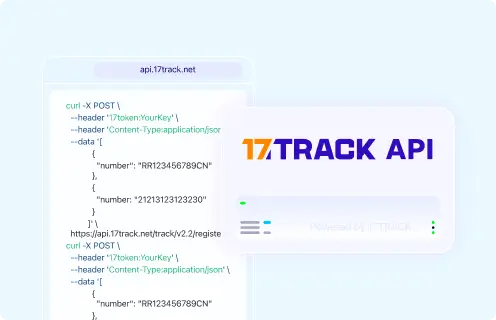
Businesses can use the 17TRACK multi-carrier API after obtaining API credentials and validating the current ShiBiDa carrier code in 17TRACK documentation or account tools. An official ShiBiDa integration should be implemented only from current technical documentation supplied directly by ShiBiDa.
Tracking API
The example below registers a tracking number with the 17TRACK API. Replace the tracking-number and carrier-code placeholders with validated values. Review the current 17TRACK API documentation before production use.
# 1. ShiBiDa official tracking API
# Use only current endpoint, method, authentication, and request fields
# supplied through current technical documentation from ShiBiDa.
# No unofficial ShiBiDa endpoint is reproduced here.

# 2. 17TRACK multi-carrier API
curl --request POST \
  --url https://api.17track.net/track/v2.4/register \
  --header '17token: YourKey' \
  --header 'Content-Type: application/json' \
  --data '[
    {
      "number": "TRACKING_NUMBER",
      "carrier": "CARRIER_CODE"
    }
  ]'
Sources & References
- ShiBiDa official website. ShiBiDa
- 17TRACK shipment tracking. 17TRACK
- 17TRACK API documentation. 17TRACK
17TRACK is an independent tracking platform and is not affiliated with ShiBiDa.
Track your package
Global express parcel tracking service