Suto Logistics Tracking
Please enter the Suto Logistics tracking number to check the latest shipping status.
About Suto Logistics
Suto Logistics is the carrier name associated with the supplied official website. Use the carrier’s own shipment information and the tracking number supplied by the sender when identifying a shipment.
| Field | Information |
|---|---|
| Carrier display name | Suto Logistics |
| Official website | Suto Logistics official website |
| Tracking platform | 17TRACK can aggregate available tracking events; it does not transport shipments or decide delivery outcomes. |
Quick Answer
Enter the shipment tracking number provided by the seller or sender into the official Suto Logistics website, when the carrier’s tracking service is offered for that shipment, or into 17TRACK. If no result appears, first check for spaces, copied punctuation, an order number entered instead of a tracking number, and whether the sender has handed the parcel to the carrier.
How to Track Suto Logistics Packages
The tracking number normally appears in the seller’s dispatch email, marketplace order page, shipping label, receipt, or message from the sender. An order number identifies a purchase; it is not necessarily the carrier’s tracking identifier.
| Step | Action |
|---|---|
| 1. Find the identifier | Copy the tracking number from the sender or marketplace without changing characters. |
| 2. Try carrier tracking | Open the official Suto Logistics website and use the shipment-tracking route shown there. |
| 3. Try 17TRACK | Submit the same number to 17TRACK for available multi-carrier event aggregation. |
| 4. Escalate correctly | Contact the seller or sender first when the number is missing, inactive, or associated with an order rather than a parcel. |
| Identifier | How to use it |
|---|---|
| Carrier tracking number | Use the identifier printed on the shipping label or supplied in the dispatch notice. |
| Marketplace order number | Use it to ask the seller for the actual tracking number; it may not be searchable by a carrier. |
| Reference or invoice number | Treat it as a shipment reference unless the carrier or sender explicitly identifies it as trackable. |
Tracking Statuses and Meanings
Tracking language differs by service and route. The practical distinction is whether the shipment has only been announced, physically accepted, moving between facilities, with a delivery agent, or completed.
| Status | Meaning |
|---|---|
| Label created or pre-advice | Shipment data may have been submitted, but a physical acceptance scan may not have occurred. |
| Accepted or received | A carrier or partner facility has recorded possession of the shipment. |
| In transit | The shipment is moving through transport or sorting; scans can be separated by physical movement. |
| Customs or handover | A border, exchange, or partner-transfer stage may be in progress; arrival at a facility is not the same as customs release. |
| Out for delivery | The shipment has been assigned to a delivery route or local delivery operation. |
| Delivered, pickup, exception, or return | The shipment reached a delivery outcome, requires customer action, or is moving back toward the sender. |
Services and Delivery Times
A reliable delivery estimate requires the exact Suto Logistics service, origin, destination, handover arrangement, cutoff time, customs process, and local delivery conditions. Do not treat a marketplace estimate as a carrier guarantee.
| Service information | Practical guidance |
|---|---|
| Service type | Confirm the named product with the sender; service names, coverage, and tracking depth can vary by route. |
| Delivery estimate | Use the seller’s route-specific estimate together with the latest tracking event. |
| Delay factors | Customs, weather, holidays, remote delivery, address quality, partner handover, and missed scans can affect timing. |
| Destination | Timing guidance |
|---|---|
| Domestic destination | Use the route-specific estimate supplied by the sender or shown in the official shipment information. |
| International destination | Allow for export processing, line-haul, import clearance, local handover, and final-mile delivery. |
| Remote or restricted destination | Additional transport legs and local operating conditions can extend the delivery window. |
Common Tracking Problems and Solutions
| Problem | First action |
|---|---|
| Invalid number | Copy the number again, remove accidental spaces or punctuation, and ask the sender to confirm the identifier. |
| No tracking events | Check whether the parcel has been physically handed over; the sender controls the initial dispatch evidence. |
| No update for an extended period | Compare the last scan with the expected route, then ask the sender to open a carrier inquiry where the service permits it. |
| Delivered but not received | Check the delivery location, household members, reception desk, neighbors, safe-place notice, and local delivery office before contacting the sender. |
| Customs or delivery exception | Review requested documents or charges and follow the instruction in the latest event; the importer may need to act. |
| Lost or damaged parcel | Preserve packaging and photographs and ask the sender which party is eligible to begin an investigation or claim. |
International Shipping, Customs and Carrier Handoffs
For an international shipment, the tracking number may continue across several operators or may be supplemented by a destination-country identifier. An electronic pre-advice record does not prove that the destination carrier has physical possession.
| Stage | What to understand |
|---|---|
| Origin acceptance | The originating operator or facility records the parcel and begins the outbound process. |
| Export and line-haul | Security, export processing, transport, and intermediate sorting can occur without frequent public scans. |
| Import customs | The destination authority assesses the shipment under local rules; arrival does not mean release. |
| Partner handoff | The final-mile operator becomes operationally important after physical receipt and a local acceptance or delivery scan. |
| Final delivery | The local delivery operation completes delivery, pickup, exception handling, or return processing. |
Customer Service
| Channel | Best use |
|---|---|
| Official website | Open the Suto Logistics website and use the current contact or shipment-service route shown there. |
| Sender or seller | Use this route for missing tracking numbers, purchase refunds, dispatch confirmation, and claim coordination. |
| 17TRACK | Use 17TRACK to review aggregated events; 17TRACK cannot change an address, release customs, approve a claim, or refund an order. |
Prepare the tracking number, order reference, dispatch date, origin and destination, latest event, recipient address, service name, package contents, value evidence, and photographs when requesting help.
FAQ
Basic FAQs
Enter the tracking number on the official Suto Logistics website or submit it to 17TRACK to view available shipment events.
Check the seller’s dispatch message, marketplace order page, shipping label, receipt, or shipment notice.
The number may contain an error, may be an order reference, or may precede the first physical acceptance scan.
Review the last location and event, allow for transport or handover gaps, and ask the sender to contact the responsible shipping party if the delay continues.
Timing depends on the selected service, route, customs, handover, address, and local delivery conditions.
It generally means the shipment has entered a local delivery route; delivery can still be affected by address or operational exceptions.
Check the delivery location, household members, reception desk, neighbors, and local delivery instructions, then contact the sender.
The eligible claimant depends on the service and shipping contract; the sender or seller should coordinate the carrier inquiry or claim.
Keep the packaging and contents, take photographs, record the damage, and ask the sender about the applicable claim process.
Use the current contact route on the official Suto Logistics website and include the tracking number and latest event.
Expert FAQs
No. A label or electronic pre-advice record can appear before a carrier or partner records possession.
It may keep the original identifier or receive a linked local identifier, depending on the route and partner arrangement.
No. Arrival indicates a customs stage; release requires the destination authority’s processing and any required importer action.
No. 17TRACK displays available tracking information and does not control address changes, delivery instructions, or carrier investigations.
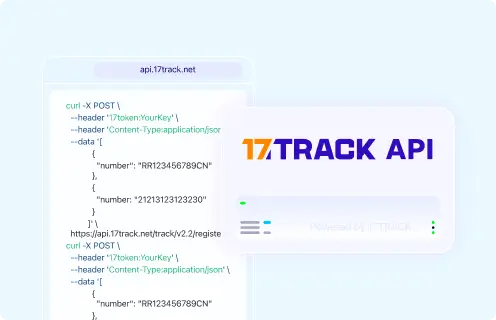
Businesses should use current documentation from the carrier or a multi-carrier provider and verify authentication, rate limits, event coverage, and webhook support before implementation.
Tracking API
// Current public official Suto Logistics tracking API: use the carrier's current developer documentation.
POST https://api.17track.net/track/v2.4/register
Headers:
  17token: YourKey
  Content-Type: application/json

Body:
[
  {
    "number": "TRACKING_NUMBER",
    "carrier": "CARRIER_CODE"
  }
]

// Confirm the current 17TRACK carrier code in the documentation before production use.
// 17TRACK is an independent tracking platform and does not operate Suto Logistics shipments.
Sources & References
- Suto Logistics official website. Suto Logistics
- 17TRACK tracking platform. 17TRACK
- 17TRACK API documentation. 17TRACK
17TRACK is an independent tracking platform and is not affiliated with Suto Logistics.
Track your package
Global express parcel tracking service