SUMTOM Tracking
Please enter the SUMTOM tracking number to check the latest shipping status.
About SUMTOM
SUMTOM is the carrier name supplied for this tracking guide. Package-specific service, network, and contact information should be taken from the shipment label, merchant dispatch notice, or the current SUMTOM website rather than inferred from a tracking-number prefix.
| Field | Verified page information |
|---|---|
| Canonical display name | SUMTOM |
| Official website | SUMTOM official website |
| Tracking approach | Use the exact shipment identifier supplied by the merchant or shipping label, then compare the result with the current SUMTOM channel. |
Carrier Entity Relationships
| Entity | Relationship to SUMTOM |
|---|---|
| SUMTOM | SUMTOM is the carrier identifier to select when a merchant or tracking system assigns the shipment to SUMTOM. |
| Merchant or sender | The merchant or sender supplies the tracking identifier and remains the first practical contact for an order-level investigation. |
| 17TRACK | 17TRACK is an independent tracking platform that may aggregate available events; it does not transport the parcel or decide claims. |
| Destination carrier | A destination carrier may appear in a cross-border event, but an event alone does not prove that SUMTOM issued the destination identifier. |
Quick Answer
Enter the complete shipment tracking number on the current SUMTOM website, or use 17TRACK and allow the platform to identify the carrier. If no result appears, check for spaces, missing characters, an order number substituted for a tracking number, and whether the sender has handed the parcel to the transport network. 17TRACK is independent of SUMTOM and cannot change an address, issue a refund, or approve a claim.
How to Track SUMTOM Packages
The reliable starting point is the identifier supplied by the sender. A tracking number identifies a shipment; an order number identifies a purchase; a reference number may identify a merchant transaction; and a delivery notice number may identify a local delivery attempt.
Tracking paths
| Path | Steps |
|---|---|
| SUMTOM website | Open the current SUMTOM website, locate its tracking channel, enter the complete identifier, and save the displayed event history. |
| 17TRACK | Open 17TRACK, enter the identifier, review the detected carrier, and compare the latest event with the merchant’s dispatch information. |
| Merchant support | Ask the seller to verify the identifier, physical handover, declared address, service used, and any replacement or return shipment. |
Tracking Number Formats and Examples
SUMTOM-specific numbering rules should be verified from the shipping label or a live carrier result. Do not identify a service solely from a prefix: cross-border shipments can contain a merchant reference, an origin identifier, a carrier identifier, and a destination last-mile identifier.
Tracking Number Format
| Identifier family | Normalized pattern | ||||||||||
|---|---|---|---|---|---|---|---|---|---|---|---|
| SUMTOM-issued shipment identifier | Use the exact alphanumeric string printed by the sender; replace this example with the masked label value, such as SUM########. | ||||||||||
View all details for the SUMTOM-issued identifier
| |||||||||||
| Origin-post or partner identifier | A masked postal-style example may resemble AA#########BB, where letters and country codes must be verified rather than assumed. | ||||||||||
View all details for the origin-post identifier
| |||||||||||
| Merchant order or reference ID | Usually a seller-defined alphanumeric value, such as ORD-####-####. | ||||||||||
View all details for the merchant reference
| |||||||||||
Tracking Statuses and Meanings
A tracking status describes the latest event received, not necessarily the parcel’s exact position at the moment of viewing. Responsibility can change between the sender, SUMTOM, a customs authority, and a destination delivery partner.
Status Quick Lookup
| Status or stage | Meaning and next action | ||||||||
|---|---|---|---|---|---|---|---|---|---|
| Label created or pre-shipment | Shipment data exists; physical acceptance may not have occurred. The sender should confirm handover. | ||||||||
View all details for pre-shipment
| |||||||||
| Accepted or in transit | A network scan indicates movement or processing. Continue monitoring unless the seller’s promised window has passed. | ||||||||
View all details for in-transit events
| |||||||||
| Customs or handoff | The parcel is undergoing border processing or being transferred; arrival at a customs facility is not proof of release. | ||||||||
| Out for delivery or delivered | A last-mile attempt or delivery scan was recorded. Check the delivery location and proof details before opening a dispute. | ||||||||
| Exception, pickup, or return | An address, access, customs, damage, refusal, or delivery problem requires action by the relevant sender, recipient, or local operator. | ||||||||
Services and Delivery Times
A reliable SUMTOM delivery date must come from the service selected, origin, destination, handoff arrangement, and customs conditions shown in the shipment record. A tracking estimate is not automatically a guaranteed delivery date.
Service Comparison
| Service record | Best use | ||||||||
|---|---|---|---|---|---|---|---|---|---|
| Service named on the label | Use the exact service name shown by the sender; do not substitute a postal, express, or economy service based only on a prefix. | ||||||||
View all details for the SUMTOM service record
| |||||||||
Delivery Time
| Timing item | How to interpret it |
|---|---|
| Seller estimate | A commercial estimate beginning from the seller’s dispatch or handover process, depending on the seller’s terms. |
| Tracking estimate | A forecast derived from available events and routing information; it can change after a new scan. |
| Guaranteed date | Only a service term that expressly provides a guarantee should be treated as one. |
Destination Country Delivery Times
| Destination | Use for planning | ||||||||||
|---|---|---|---|---|---|---|---|---|---|---|---|
| Any destination | Use the service-specific estimate supplied with the shipment; do not apply a generic country average to a SUMTOM parcel. | ||||||||||
View all destination-time factors for SUMTOM shipments
| |||||||||||
Common Tracking Problems and Solutions
Start with the latest event, the sender’s order record, and the delivery address. The merchant or sender is often best placed to open a transport inquiry because the sender owns the shipping transaction.
Problem & Solution
| Problem or status | Immediate action |
|---|---|
| Invalid number or no result | Remove accidental spaces, compare every character with the label, and ask the sender whether the value is an order reference. |
| Label created or no update | Ask the sender whether the parcel has physically entered the network and retain the dispatch date. |
| Customs or handoff delay | Check the latest event for a document or payment request and contact the party named in that event. |
| Delivered but not received | Check the entrance, mailbox, safe place, household members, reception desk, and neighbours; then request proof of delivery and contact the local delivery operator or sender. |
| Damage, loss, or return | Photograph the parcel and packaging, preserve the contents, and ask the sender to open the applicable carrier inquiry or claim. |
International Shipping, Customs and Carrier Handoffs
For an international shipment, the carrier shown in a scan may change by transport stage. Electronic pre-advice, physical handover, first destination acceptance, and customs release are separate events.
| Stage | What to do |
|---|---|
| Origin preparation | The sender prepares the parcel, label, address, contents description, and transport record. |
| Export processing | Origin facilities and authorities process the shipment before international movement. |
| Line-haul | The parcel travels between origin and destination networks; scan gaps can occur between facilities. |
| Import customs | The destination authority may assess documents, duties, taxes, or restrictions. Arrival at customs is not release. |
| Partner handoff and last mile | A destination operator may receive the parcel, create a local event, and perform delivery. The sender should investigate when the local event conflicts with the order record. |
Delivery Management and Post-shipment Options
Delivery changes depend on the service, destination operator, shipment stage, and the party permitted to request the change. Contact the sender before promising a reroute, interception, or refund.
| Possible option | Practical rule |
|---|---|
| Address correction | Ask the sender or the current last-mile operator; a correction may be unavailable after dispatch or customs processing. |
| Redelivery or pickup | Follow the delivery notice or local operator instructions where a failed attempt creates an available option. |
| Proof of delivery | Request it from the carrier or sender associated with the delivery scan. |
Lost, Damaged, Claims, Insurance and Refunds
A tracking inquiry asks what happened; a missing-mail search investigates non-delivery; an insurance claim seeks compensation under a service term; and a merchant refund resolves the purchase. These are separate processes.
| Process | Use when | ||||||||
|---|---|---|---|---|---|---|---|---|---|
| Carrier inquiry | The latest event is unclear, stalled, or inconsistent with the sender’s record. | ||||||||
View all details for a SUMTOM carrier inquiry
| |||||||||
| Merchant refund or replacement | The buyer’s order has not been received or is damaged; contact the seller under the purchase terms while the seller handles the transport dispute. | ||||||||
Shipping Restrictions and Special Handling
Restrictions depend on the route, transport mode, destination law, customs rules, packaging, and the service selected. Use the current shipping terms supplied by the sender before dispatching batteries, liquids, medicines, perishables, valuables, or dangerous goods.
| Category | Customer check |
|---|---|
| Dangerous goods and batteries | Confirm route eligibility, declaration, quantity, packaging, and transport-mode requirements before handover. |
| Liquids, perishables, and medicines | Check destination import rules and packaging requirements; restrictions can cause refusal, seizure, or delay. |
| Valuables and restricted goods | Obtain the applicable service terms and retain invoices and contents evidence. |
Customer Service
Use the current SUMTOM website for the active contact channel. If the shipment was purchased through a marketplace, contact the seller as well because the seller can match the tracking number to the shipping account and order.
| Channel | Best use |
|---|---|
| SUMTOM website | Open the current official website and use the contact or tracking route presented there. |
| Merchant or sender | Use for missing labels, wrong addresses, order disputes, replacement requests, and carrier investigations. |
| Destination operator | Use the operator named in the latest local delivery event for delivery attempts, pickup, or proof-of-delivery questions. |
Prepare the tracking number, order reference, sender and recipient addresses, dispatch date, latest scan, service name, contents description, value evidence, photographs, and packaging details.
Ecommerce and Business Tracking
Merchants should store the carrier name, tracking number, order reference, destination, dispatch timestamp, latest event, and exception history separately. This prevents a marketplace order number from being submitted as a carrier identifier.
Developer/API Comparison
| Option | Provider | ||||||||||
|---|---|---|---|---|---|---|---|---|---|---|---|
| Carrier channel | SUMTOM | ||||||||||
View all details for the SUMTOM carrier channel
| |||||||||||
| Multi-carrier API | 17TRACK | ||||||||||
View all details for the 17TRACK multi-carrier API
| |||||||||||
FAQ
Basic FAQs
Enter the shipment tracking number on the current SUMTOM website or use 17TRACK to view available events.
Check the seller’s dispatch email, order page, parcel label, or shipping receipt; an order number may be different.
The format depends on the shipment record, so copy the complete value from the label instead of identifying the service from a prefix alone.
A first event appears after the relevant system receives a shipment record or physical scan; the sender can confirm whether handover has occurred.
The parcel may be between scans, awaiting handover, undergoing processing, or using a partner network; ask the sender to verify the latest operational status.
Delivery depends on service, origin, destination, customs, handoff, weekends, holidays, and local routing; use the shipment-specific estimate rather than a generic average.
Read the delivery notice or latest event, check the address and access instructions, and contact the sender or local delivery operator named in the event.
Check the entrance, mailbox, safe place, household members, reception desk, and neighbours, then request proof of delivery and contact the sender.
Keep the parcel and packaging, photograph the damage, record the tracking history, and ask the sender to start the applicable carrier inquiry or claim.
Use the current contact route on the SUMTOM website and contact the merchant as well when the shipment was purchased through an online seller.
Expert FAQs
No; label creation or electronic pre-advice can occur before physical acceptance, so the first acceptance or processing scan is the stronger handover signal.
Yes, a cross-border shipment may have a merchant reference, origin identifier, carrier record, and destination identifier; ask the sender to map them.
No; a tracking platform can display events received from a partner or origin operator, so the issuer must be verified from the label or shipment record.
No; arrival, examination, document requests, payment, and release are separate customs events.
The party associated with the latest physical scan should handle the immediate local issue, while the sender should coordinate the shipment-level inquiry.
Businesses should verify whether their SUMTOM account offers a current developer channel; a multi-carrier integration can use the documented 17TRACK API workflow.
Retain the carrier name, tracking number, order reference, destination, dispatch time, service, latest event, exception history, and customer communication.
Tracking API
// 1. SUMTOM official tracking API
// Current public official tracking API endpoint and authentication are not
// established in the supplied evidence. Verify the active SUMTOM developer
// documentation before implementing a direct carrier integration.

// 2. 17TRACK API
// Confirm the current SUMTOM carrier code in the 17TRACK carrier directory
// before production use. Do not replace CARRIER_CODE with an unverified value.

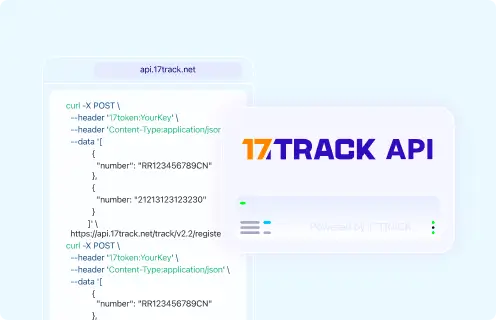
POST https://api.17track.net/track/v2.4/register
Headers:
  17token: YourKey
  Content-Type: application/json

Body:
[
  {
    "number": "TRACKING_NUMBER",
    "carrier": "CARRIER_CODE"
  }
]

// Use the current documentation for response handling, rate limits,
// authentication, carrier-code validation, and subsequent tracking queries.
Sources & References
- SUMTOM official website. SUMTOM
- 17TRACK online tracking platform. 17TRACK
- 17TRACK API documentation. 17TRACK
17TRACK is an independent tracking platform and is not affiliated with SUMTOM.
Track your package
Global express parcel tracking service