Pullman Cargo Tracking
Please enter the Pullman Cargo tracking number to check the latest shipping status.
About Pullman Cargo
Pullman Cargo is the carrier name supplied for this tracking guide. Shipment-specific service, destination, tracking, and contact information should be checked through the official Pullman Cargo website before an operational decision is made.
| Field | Verified page reference |
|---|---|
| Official website | Pullman Cargo official website |
| Tracking role in this guide | Use the shipment identifier supplied by the sender, merchant, receipt, or official shipment notice. |
Carrier Entity Relationships
| Entity | Relationship and tracking significance |
|---|---|
| Pullman Cargo | Pullman Cargo is the carrier identity used for this page and should be distinguished from a merchant order number or a separate delivery partner. |
| Shipment sender or merchant | The sender or merchant may provide the identifier and may need to investigate a shipment before a recipient can escalate it. |
| 17TRACK | 17TRACK is an independent tracking platform that aggregates available events and does not transport shipments or decide claims. |
Quick Answer
Enter the shipment tracking number supplied by the sender on the official Pullman Cargo website or in the 17TRACK tracking tool. If no result appears, check the number character by character, confirm that it is a tracking number rather than an order number, and allow time for the first carrier scan. 17TRACK does not transport parcels, change addresses, approve refunds, or process claims.
How to Track Pullman Cargo Packages
Use the official carrier route first when you need a carrier-specific decision; use 17TRACK when you want a consolidated view or automatic carrier recognition.
| Route | Steps |
|---|---|
| Official Pullman Cargo route | Open the official website, locate its tracking area, enter the shipment identifier, and save the displayed event history for any follow-up. |
| 17TRACK route | Open 17TRACK, enter the identifier, review the detected carrier and events, and compare the latest event with the merchant or sender record. |
| No usable number | Ask the sender or merchant for the shipment tracking number. An order number, invoice number, reference number, or delivery notice number may not be searchable. |
Tracking Number Formats and Examples
A tracking identifier is different from an order or reference number. Because identifier structures can vary by service and shipping arrangement, use the official tracking page or 17TRACK automatic recognition rather than relying on a prefix alone.
Tracking Number Format
| Identifier family | Normalized pattern and use |
|---|---|
| Carrier shipment identifier | Use the exact alphanumeric or numeric identifier shown on the shipment notice, label, receipt, or carrier message; examples should be treated as redacted formats such as XXXX XXXX XXXX. |
| Merchant order or reference ID | This identifies a purchase or internal transaction and may not produce carrier events. |
| Partner or last-mile identifier | A shipment can display a separate partner identifier after handoff; retain both identifiers and try each through the relevant tracking service. |
Tracking Statuses and Meanings
| Status | Meaning and next action |
|---|---|
| Label created or pre-shipment | Electronic shipment data exists, but a physical acceptance scan may not have occurred. The sender should confirm handover. |
| Accepted or received | A carrier or participating facility has recorded receipt. Continue monitoring the next sorting or transport event. |
| In transit | The shipment is moving through the transport network. Gaps can occur between facility scans. |
| Out for delivery | The shipment has entered a delivery stage. Confirm the address and make delivery access possible. |
| Delivered | A delivery event was recorded. Check the delivery location, household, reception desk, neighbors, and proof-of-delivery information. |
| Exception, customs, or return | An intervention, import process, failed attempt, or return movement may be underway. Contact the sender or responsible carrier with the latest event. |
Services and Delivery Times
Delivery timing depends on the selected service, origin, destination, handoffs, address quality, operating days, weather, peak volume, and any customs process. Use a service-specific estimate from the sender or official carrier record instead of treating a generic tracking estimate as a guarantee.
Service Comparison
| Service type | Best use and timing consideration |
|---|---|
| Domestic shipment | Use the domestic service selected by the sender; delivery depends on route, cutoff, destination, and local delivery operations. |
| International shipment | Allow for export, line-haul, import, customs, partner handoff, and destination delivery stages. |
| Business or commercial shipment | Confirm the account service, pickup arrangement, shipment documentation, and tracking visibility with the sender. |
Delivery Time
| Timing question | Practical interpretation |
|---|---|
| Estimated delivery date | A planning estimate can move when scans, transport, delivery access, or customs conditions change. |
| Service standard | A published service standard describes expected performance under stated conditions and is not automatically a money-back guarantee. |
| Destination country timing | Ask the sender for the selected service and destination-specific estimate; country, customs, and last-mile arrangements materially affect timing. |
Destination Country Delivery Times
| Destination group | What to verify before relying on an estimate |
|---|---|
| Domestic destination | Confirm the origin and destination cities, service level, cutoff, operating days, and local delivery coverage. |
| International destination | Confirm the export route, import documentation, taxes or duties, customs process, destination carrier, and handoff identifier. |
Common Tracking Problems and Solutions
| Problem or status | Immediate solution |
|---|---|
| Invalid number | Remove accidental spaces, check similar characters, and ask the sender whether the number is an order ID or a tracking ID. |
| No tracking events | Allow time for the first scan, then ask the sender to confirm physical handover and the selected carrier. |
| Long gap in transit | Compare the last event with the expected route; the sender should open a carrier inquiry when the applicable service rules allow it. |
| Delivery exception or failed attempt | Review the address and delivery instructions, then follow the official carrier or sender instructions for another attempt or collection. |
| Delivered but missing | Check the stated delivery location, household members, reception desk, neighbors, and proof of delivery; then contact the sender and carrier promptly. |
| Lost or damaged shipment | Preserve packaging and photographs, retain invoices and value evidence, and ask the sender who is authorized to open the applicable investigation or claim. |
International Shipping, Customs and Carrier Handoffs
An international shipment may pass between the origin carrier, export processing, transport, customs authorities, a destination carrier, and local delivery. An arrival scan in a country does not by itself prove customs release or final delivery.
| Stage | Customer interpretation |
|---|---|
| Origin acceptance | The origin-side operator records receipt or preparation; electronic pre-advice alone may precede physical handover. |
| Export and line-haul | The shipment moves through export controls and transportation; scan gaps can occur between facilities. |
| Import and customs | Authorities or their appointed agents may request documents, taxes, duties, or further information. |
| Partner handoff and last mile | A destination operator may receive the shipment and display either the original identifier or a related local identifier. |
Delivery Management and Post-shipment Options
| Option | Who should request it and when |
|---|---|
| Address correction or delivery instruction | Ask the sender or official carrier whether a change is permitted before the shipment reaches final delivery; success is not automatic. |
| Redelivery or collection | Use the instruction associated with a failed attempt or local notice, subject to shipment and destination rules. |
| Proof of delivery | Request it through the responsible carrier or sender when the shipment is marked delivered but the recipient needs delivery evidence. |
Claims, Restrictions and Special Handling
| Process or category | Action and evidence |
|---|---|
| Tracking inquiry | Use the tracking history to identify the latest event; provide the identifier, shipment date, addresses, and sender details. |
| Loss or damage claim | The authorized claimant should follow the applicable carrier or sender process and preserve packaging, photographs, invoices, and value evidence. |
| Restricted or hazardous goods | Check current official shipping rules before dispatching batteries, liquids, dangerous goods, perishables, or regulated items. |
Customer Service
| Channel | Best use and information to prepare |
|---|---|
| Official website | Use the official Pullman Cargo website for current contact and tracking routes. Prepare the tracking number, sender, recipient, shipment date, and latest event. |
| Sender or merchant | Contact the sender for order records, replacement decisions, refunds, and carrier inquiries that require shipper authorization. |
| 17TRACK | Use 17TRACK for consolidated event visibility. It cannot change delivery instructions or approve a carrier claim. |
Ecommerce and Business Tracking
Merchants should retain the carrier identifier, order reference, origin and destination, service selection, shipment date, and latest event. A multi-carrier platform can help standardize event visibility, while carrier-specific operational decisions remain with the responsible carrier or shipper.
Developer/API Comparison
| Option | Provider |
|---|---|
| Official carrier integration | Pullman Cargo |
| Multi-carrier tracking API | 17TRACK |
FAQ
Basic FAQs
Enter the tracking number on the official Pullman Cargo website or use 17TRACK to view available shipment events.
Check the shipping confirmation, receipt, label, or message from the sender; ask the merchant if the number is missing.
The identifier can depend on the shipment arrangement, so use the exact number supplied by the sender rather than guessing from a prefix.
Shipment data may have been created before physical acceptance; ask the sender to confirm handover and allow the first scan to appear.
Tracking can remain unchanged between facilities or during a handoff; compare the last event with the sender’s expected route and escalate through the sender when appropriate.
Arrival depends on service, route, destination, operating days, and exceptions; use the shipment-specific estimate rather than a generic promise.
Review the address and notice, then follow the official instructions for redelivery, collection, or sender assistance.
Check the delivery location, household members, reception desk, and neighbors, then request proof of delivery and contact the sender.
Preserve the packaging and evidence, then ask the sender or authorized claimant to begin the applicable carrier investigation or claim.
Start with the official Pullman Cargo website and provide the tracking number, shipment date, addresses, and latest scan.
Expert FAQs
No; an order number identifies a purchase, while a tracking number identifies a shipment record and may be the only number that returns carrier events.
Yes, a merchant, origin operator, or destination delivery partner may use related identifiers; retain every identifier shown in the shipping records.
No; electronic pre-advice or a partner event can precede physical acceptance, so look for an acceptance or receipt event before assigning responsibility.
No; arrival, customs processing, customs release, and last-mile delivery are separate stages and may generate separate events.
No; address changes and delivery instructions must be handled by the responsible carrier, sender, or merchant under the applicable shipment rules.
Tracking API
// Official Pullman Cargo tracking API:
// A current public official endpoint is not included in the supplied evidence.
// Verify carrier documentation before building a direct integration.

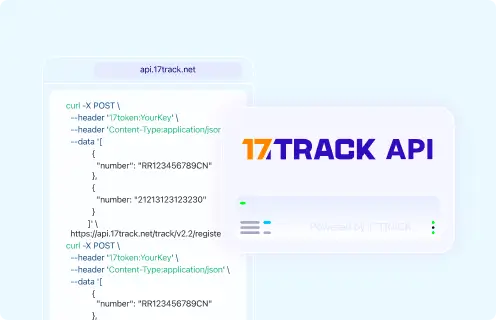
// 17TRACK API
// Documentation: https://api.17track.net/en/doc
POST https://api.17track.net/track/v2.4/register
Headers:
  17token: YourKey
  Content-Type: application/json

Body:
[
  {
    "number": "TRACKING_NUMBER",
    "carrier": "CARRIER_CODE"
  }
]

// Replace CARRIER_CODE with the current 17TRACK carrier code
// shown in the 17TRACK developer documentation.
Sources & References
- Pullman Cargo official website. Pullman Cargo
- 17TRACK online tracking platform. 17TRACK
- 17TRACK API documentation. 17TRACK
17TRACK is an independent tracking platform and is not affiliated with Pullman Cargo.
Track your package
Global express parcel tracking service