![Kintetsu World Express (近鉄エクスプレス [KWE])](https://res.17track.net/asset/carrier/logo/120x120/100748.png)
Kintetsu World Express (近鉄エクスプレス [KWE]) Tracking
Please enter the Kintetsu World Express (近鉄エクスプレス [KWE]) tracking number to check the latest shipping status.
About Kintetsu World Express
Kintetsu World Express(KWE) is the requested carrier entity for Kintetsu World Express. The official website describes Kintetsu World Express as a global logistics provider handling air freight, sea freight, land transportation, warehousing, distribution, third-party logistics, cross-docking and customs brokerage for enterprise supply chains.
| Verified field | Officially supported description |
|---|---|
| Official website | https://www.kwe.com/ |
| Carrier type | Multimodal freight forwarder and logistics provider with air freight, sea freight, logistics, distribution and customs-brokerage capabilities. |
| Primary operating scope | International and domestic enterprise supply-chain operations across major cargo hubs and local logistics networks. |
| Tracking page | The official site references a user-friendly cargo tracking system and web visibility within its service pages; access is generally service or account dependent. |
Carrier Entity Relationships
| Entity | Relationship |
|---|---|
| Kintetsu World Express | Kintetsu World Express is the operating logistics brand described by the official website; the supplied entity name points to this brand. |
| Air freight | Air freight is a Kintetsu World Express solution that can include end-to-end tracking, customs clearance, cargo insurance, warehousing and door-to-door service. |
| Sea freight | Kintetsu World Express provides LCL and FCL solutions and identifies itself as an NVOCC working with APL Logistics Ltd. and ocean-carrier partners. |
| Warehousing and logistics facilities | Warehousing, distribution, cross-docking, inventory management, packaging, scanning and reverse logistics can form part of an enterprise shipment lifecycle. |
| 17TRACK | 17TRACK is an independent aggregation platform. A 17TRACK result does not mean that 17TRACK transported the cargo or can change a Kintetsu World Express shipment. |
Quick Answer
Enter the cargo, shipment or house-bill reference supplied by the seller or Kintetsu World Express into the official customer tracking system, when your account provides access, or try 17TRACK for available aggregated events. If no result appears, check whether you entered an order number instead of a shipment reference, whether the shipment has been physically accepted, and whether the responsible local or ocean carrier uses a separate reference.
How to Track kintetsu-world-express-%E8%BF%91%E9%89%84%E3%82%AF%E3%82%B3%E3%82%AF%E3%82%B9-kwe Packages
Use the identifier printed on the Kintetsu World Express shipment record or supplied by the merchant. Enterprise cargo may move through several transport providers, so the most useful reference can be a house shipment number, booking reference, air waybill, bill of lading or destination delivery reference rather than a consumer parcel number.
| Tracking path | Steps |
|---|---|
| Official Kintetsu World Express route | Open the customer or cargo visibility route provided by the local Kintetsu World Express office, enter the shipment reference exactly as issued, and compare the latest event with the booking or delivery documents. |
| 17TRACK route | Open 17TRACK, enter the reference, allow carrier recognition when available, and review the event owner and latest physical scan. Contact the shipper or responsible logistics office for operational action. |
| No reference supplied | Ask the shipper, freight forwarder or marketplace seller for the shipment reference, transport document number, origin and destination details, and the actual handoff carrier. |
An order number identifies a purchase; a reference number identifies a business transaction; a label or transport-document number identifies a logistics movement. These identifiers are not automatically interchangeable. A newly created record can remain invisible until the first operational scan.
Tracking Number Formats and Examples
Kintetsu World Express serves freight and supply-chain movements rather than one universal consumer-parcel numbering system. The issuing party and transport mode determine the identifier format. Prefixes alone should not be used to infer service, custody or delivery date.
Tracking Number Format
| Identifier family | Normalized pattern or example |
|---|---|
| Kintetsu World Express shipment reference | Service-specific alphanumeric or numeric reference supplied on the shipment record; use the exact value issued by the local office. |
| Air waybill | Air-transport document identifier; the airline or forwarder format and length depend on the issuing transport party. |
| Ocean bill of lading or booking reference | Sea-freight document or booking reference; a container number may identify equipment rather than the complete shipment. |
| Partner or last-mile reference | A destination carrier may create a delivery identifier after handoff. It can differ from the Kintetsu World Express shipment reference. |
| Merchant order or reference ID | Marketplace or seller identifier used for commerce records; it is not proof that Kintetsu World Express issued or accepted cargo. |
For an enterprise API or visibility user, submit the identifier named in the applicable Kintetsu World Express service documentation or customer integration. For a marketplace buyer, the seller is the correct source for the shipment reference and any destination-carrier number. Keep spaces and hyphens only if the official system requires them; otherwise enter the normalized reference exactly as displayed in the transport record.
Tracking Statuses and Meanings
A tracking event identifies the latest reported logistics action, not necessarily the current physical location at every moment. The responsible party changes as cargo moves from booking and origin handling through transport, customs, destination delivery and final receipt.
Status Quick Lookup
| Status | Meaning and next action |
|---|---|
| Shipment created / booked | A record or booking exists. Physical acceptance may not yet have occurred; the shipper should confirm pickup, tender and documentation. |
| Received at origin facility | Origin handling has recorded cargo receipt. Kintetsu World Express or an origin facility normally performs the next consolidation or departure step. |
| In transit | Cargo is moving or awaiting the next transport leg. Check the latest timestamp and contact the shipper when the agreed milestone is missed. |
| Customs or document hold | Regulatory review or missing information may delay release. The importer, broker or shipper should provide requested documents or payment. |
| Arrived at destination / handed over | Cargo has reached a destination gateway or partner stage; this does not by itself prove customs release or final-carrier acceptance. |
| Out for delivery | A destination delivery operator has scheduled a final attempt. Follow the local carrier’s instructions for access, signature or redelivery. |
| Delivered / received | A delivery scan or receipt event was recorded. If the cargo is missing, check the proof of delivery and contact the seller or delivery operator promptly. |
| Exception / returned | An address, handling, regulatory or delivery problem interrupted the planned flow. The shipper should obtain the carrier’s reason and recovery option. |
Services and Delivery Times
Kintetsu World Express publishes solution capabilities rather than one universal parcel delivery promise. Transit time depends on origin, destination, mode, booking, consolidation, customs, carrier capacity and the agreed service level.
Service Comparison
| Service | Short use |
|---|---|
| Air freight | Time-sensitive cargo, international transport, customs support, insurance, warehousing and door-to-door solutions. |
| Sea freight | LCL and FCL cargo, including oversized, refrigerated and project cargo where arranged. |
| Integrated logistics | Warehousing, distribution, 3PL, cross-docking, inventory, packaging, scanning and reverse logistics. |
| Multimodal solutions | Sea-air and sea-rail combinations designed around supply-chain requirements and capacity. |
Delivery Time
| Service | Published timing position |
|---|---|
| Air freight | Timing is arranged by route and service; the official page emphasizes lead-time planning and time-defined services rather than one global number. |
| Sea freight | Timing depends on sailing schedule, consolidation, port operations, transshipment, customs and destination delivery. |
| Warehousing and distribution | Timing is defined by the customer’s operating plan, facility process and local distribution arrangement. |
Destination Country Delivery Times
| Destination region | Planning guidance |
|---|---|
| North America | Use the booked air, sea or multimodal transit plan; customs, port congestion and inland delivery can change the final date. |
| Europe | Use the route quotation and destination-office milestone plan; import clearance and local delivery arrangements remain material variables. |
| Asia-Pacific | Regional schedules, consolidation, airport or port handling and destination customs determine the delivery window. |
| Other international destinations | Request a destination-specific quotation and service standard from the responsible Kintetsu World Express office before shipping. |
The official service pages do not establish one universal country-by-country delivery table for every Kintetsu World Express product. Treat any date shown by a merchant or tracking platform as an estimate unless the shipment contract expressly provides a service guarantee. Weekends, holidays, weather, capacity, address quality, customs and partner handoffs can create visibility gaps.
Common Tracking Problems and Solutions
The fastest resolution depends on identifying the current custodian and the missing business action. A merchant or shipper normally controls booking records, commercial documents and claims; a destination delivery operator controls the final delivery attempt.
Problem & Solution
| Problem/status shown | Immediate action |
|---|---|
| Invalid number | Compare the reference with the booking record, remove accidental punctuation only when permitted, and ask the shipper which identifier is trackable. |
| No event after creation | Confirm physical tender, pickup and first scan. A created record is not the same as carrier acceptance. |
| No update during transit | Check the last facility and transport mode, then ask the shipper or Kintetsu World Express office to verify the milestone against operational records. |
| Customs or document delay | The importer, broker or shipper should supply invoices, permits, classification or payment information requested by the destination authority. |
| Delivered but not received | Check the delivery location, reception desk, household members and neighbors; request proof of delivery and contact the destination delivery operator and seller. |
| Damaged or missing cargo | Photograph packaging and contents, preserve all materials, notify the shipper promptly and follow the contracted investigation or claim process. |
| Returned or delivery exception | Obtain the precise reason, verify the address and instructions, and ask the shipper whether redelivery, return or rebooking is possible. |
International Shipping, Customs and Carrier Handoffs
International Kintetsu World Express cargo can pass through origin handling, export controls, air or ocean line-haul, destination customs and local delivery. A destination arrival scan does not prove customs release, and an electronic partner notification does not prove physical handoff.
International Flow
| Stage | What the customer should understand |
|---|---|
| Origin booking and receipt | The shipper provides cargo and documents; a booking or label event may precede the physical receipt scan. |
| Export processing | Origin facilities consolidate, screen, warehouse and prepare cargo for departure. Missing documentation can stop onward movement. |
| Line-haul | Air, ocean, sea-air or sea-rail transport moves the cargo between gateways; event frequency may fall while cargo is between scans. |
| Destination customs | Authorities and brokers review import information, duties and restrictions. Arrival at a gateway is not equivalent to release. |
| Partner handoff and last mile | A local delivery provider may receive the cargo and issue or expose another delivery reference. Ask the shipper which party now owns the delivery action. |
Customer Service
Start with the party that can perform the required action. The seller or shipper is usually best placed to correct booking data, provide commercial documents and initiate a freight investigation; a local Kintetsu World Express office can handle account or shipment-specific logistics questions.
Customer Service
| Channel | Verified contact or purpose |
|---|---|
| Corporate website | Kintetsu World Express official website; use the country or region selection and local contact route for service-specific assistance. |
| Local office or customer service team | The official logistics page directs customers to contact Kintetsu World Express and its localized customer-service teams for cargo needs. |
| Seller or shipper | Best for marketplace orders, missing references, commercial documents, delivery disputes, cargo value evidence and claim coordination. |
Prepare the shipment reference, booking date, origin and destination, service mode, latest event, package or cargo description, declared value, delivery address, photographs and the name of the contracting shipper. Contact details, language and hours vary by country office, so use the official regional route rather than an unverified third-party number.
Ecommerce and Business Tracking
Businesses should distinguish Kintetsu World Express customer visibility, the applicable carrier or logistics-office integration, and 17TRACK multi-carrier tracking. Standardized events and exception monitoring can support shipment visibility and reduce “where is my order” contacts, but the available fields depend on the contracted service and data feed.
Developer/API Comparison
| Option | Provider |
|---|---|
| Contracted logistics integration | Kintetsu World Express |
| Multi-carrier tracking API | 17TRACK |
The Kintetsu World Express pages reviewed describe web visibility, electronic data interchange and warehouse-management technology, but they do not provide a public universal tracking endpoint in the supplied evidence. Request integration specifications through the regional or account team before building against a private customer system.
FAQ
Basic FAQs
Use the shipment reference supplied by the shipper in the applicable official Kintetsu World Express visibility route or try 17TRACK for available events.
Look on the booking confirmation, transport document, shipment record or dispatch notice, or ask the seller or freight forwarder.
There is no single consumer-parcel pattern for every Kintetsu World Express service; air, sea, warehouse and partner identifiers can use different formats.
A booking or label may exist before physical tender or the first facility scan, so ask the shipper to confirm pickup and acceptance.
Cargo can be between transport scans, awaiting consolidation, undergoing customs or moving under a partner reference; compare the last event with the planned milestone.
Timing is route- and mode-specific, so use the quotation or service agreement rather than a universal delivery number.
Check the local delivery event and address, then ask the seller or destination delivery operator whether redelivery, pickup or return handling is available.
Check reception areas, neighbors and household members, request proof of delivery, and contact the seller and final delivery operator promptly.
Preserve the packaging, take photographs and notify the contracting shipper, who can coordinate the applicable investigation or claim.
Use the official website’s country or region route and provide the shipment reference, origin, destination and latest event.
Expert FAQs
No; Kintetsu World Express may coordinate multimodal transport and partner capacity, while airlines, ocean carriers, customs brokers and local delivery operators perform specific stages.
No; gateway arrival records location, whereas customs release requires the relevant import review, documents and any applicable charges.
A partner or final-mile operator may use its own booking, delivery or transport identifier; ask the shipper to link the new reference to the original movement.
The air-freight service page describes visibility across the arranged transport flow, including associated handling such as customs, warehousing and door-to-door activity where contracted.
Businesses should request the current account-specific integration specification from Kintetsu World Express; the reviewed public pages describe web visibility and EDI but do not establish a universal public tracking endpoint.
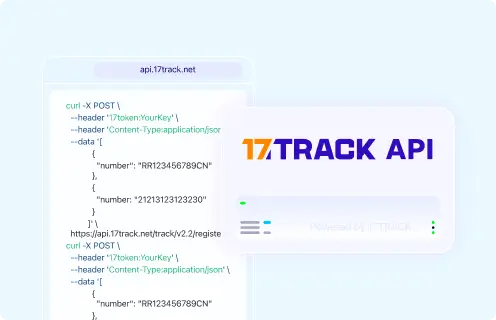
Tracking API
// Carrier official API:
// Current public official tracking API endpoint and authentication were not confirmed
// in the reviewed Kintetsu World Express public pages.

// 17TRACK API:
POST https://api.17track.net/track/v2.4/register
Headers:
  17token: YourKey
  Content-Type: application/json

Body:
[
  {
    "number": "TRACKING_NUMBER",
    "carrier": "CARRIER_CODE"
  }
]

// CARRIER_CODE must be obtained from current 17TRACK carrier documentation.
// Do not infer the code from the supplied URL slug.
Sources & References
- Kintetsu World Express — Official corporate website. Kintetsu World Express
- Logistics — warehousing, distribution, customs brokerage and supply-chain solutions. Kintetsu World Express
- Air Freight — international cargo, tracking, customs and door-to-door capabilities. Kintetsu World Express
- Sea Freight — NVOCC, LCL, FCL and multimodal sea solutions. Kintetsu World Express
- Solutions — air freight, sea freight and logistics service overview. Kintetsu World Express
- 17TRACK API Documentation. 17TRACK
17TRACK is an independent tracking platform and is not affiliated with Kintetsu World Express.
Track your package
Global express parcel tracking service