About FLYING FISH SHIPPING
FLYING FISH SHIPPING is the carrier name associated with this tracking guide. Its supplied website displays a loading message in the available page evidence; that evidence does not establish a service network, operating company or shipment-handling role. Confirm the carrier named on your shipping label or seller’s dispatch notice before assigning a tracking event to FLYING FISH SHIPPING.
Carrier Overview
| Field | Verified information |
|---|
| Carrier name for this guide | FLYING FISH SHIPPING |
| Supplied website | https://ffl-tech.com/ |
Carrier Entity Relationships
| Entity | Entity type |
|---|
| FLYING FISH SHIPPING | Carrier name used in this guide |
View all details for FLYING FISH SHIPPING| Relationship to FLYING FISH SHIPPING | The supplied website is a research starting point; its visible loading message does not identify an operating entity. |
|---|
| Why it matters to tracking | A website address alone cannot establish who issued a number or physically holds a parcel. |
|---|
| Official evidence | Supplied website |
|---|
|
| 17TRACK | Independent tracking platform |
View all details for 17TRACK| Relationship to FLYING FISH SHIPPING | 17TRACK may display available shipment events; it does not transport parcels for FLYING FISH SHIPPING. |
|---|
| Why it matters to tracking | A tracking display is not proof that either platform currently has physical custody. |
|---|
| Official evidence | 17TRACK API documentation |
|---|
|
Quick Answer
To check a FLYING FISH SHIPPING shipment, copy the tracking number from the seller’s dispatch message or shipping label and enter it in 17TRACK, or use a tracking link supplied by the sender. If no result appears, check the number character by character and ask the sender whether the parcel has been physically handed to its first carrier. 17TRACK is an independent tracking platform: it cannot transport a parcel, change an address, approve a refund or settle a claim.
How to Track FLYING FISH SHIPPING Packages
Use the shipment identifier supplied by the sender, rather than assuming an order number is a tracking number.
- Open the seller’s shipping confirmation, order shipment record or label image. Copy the field explicitly identified as the tracking number.
- Enter that number in 17TRACK and inspect the detected carrier and event history. If the sender provided an official shipment-tracking link, compare its result.
- If the number returns no events, check transcription, ask whether a label was merely created and request the name of the carrier that first accepted the parcel.
An order or reference number identifies a purchase or business record; a delivery notice identifies an attempted delivery. Neither should be treated as a parcel tracking number without confirmation from the sender. An old number may also point to a different shipment.
Tracking Number Formats and Examples
The available website evidence does not establish a FLYING FISH SHIPPING-issued number pattern. Identify the issuer from the shipment record; a number that returns events is not necessarily issued by the carrier displaying them. No fabricated complete example is presented here.
Tracking Number Format
| Identifier family | Typical service/use |
|---|
| Shipment tracking number | Check shipment events when the sender identifies it as trackable. |
View all details for shipment tracking numbers| Normalized pattern | Copy the sender-supplied characters; remove surrounding spaces introduced by copying, not meaningful characters. |
|---|
| Length/structure | Use the complete identifier exactly as supplied on the shipment record. |
|---|
| Issued by | Ask the sender which carrier or partner assigned the number. |
|---|
| Who sees it and where | A buyer may find it in a shipping email; a shipper may find it on a label or dispatch record. |
|---|
| Tracking scope | Events depend on the issuing carrier and subsequent handoffs. |
|---|
| Important caveat | A prefix alone does not prove that FLYING FISH SHIPPING issued the number. |
|---|
|
| Merchant order or reference number | Locate a purchase or seller support record. |
View all details for merchant order numbers| Normalized pattern | Follow the seller’s order-record format; no carrier pattern applies. |
|---|
| Length/structure | Determined by the seller’s order system. |
|---|
| Issued by | The merchant or marketplace. |
|---|
| Who sees it and where | The buyer sees it on the receipt or order page. |
|---|
| Tracking scope | Use it to ask the seller for the actual shipment identifier. |
|---|
| Important caveat | An order lookup result is not proof of physical carrier acceptance. |
|---|
|
| Partner or last-mile number | Check a shipment after a documented carrier handoff. |
View all details for partner or last-mile numbers| Normalized pattern | Use the exact second identifier if the seller or shipment record supplies one. |
|---|
| Length/structure | Determined by the issuing partner. |
|---|
| Issued by | The identified partner or destination carrier. |
|---|
| Who sees it and where | The recipient may see it in a later tracking update or seller message. |
|---|
| Tracking scope | Usually the partner’s portion of the journey, subject to its own tracking coverage. |
|---|
| Important caveat | Do not infer a specific partner from a number’s appearance alone. |
|---|
|
Tracking Statuses and Meanings
The following are general interpretations, not verified FLYING FISH SHIPPING status phrases. Read each event’s carrier, location and timestamp before deciding who currently has the parcel.
Status Quick Lookup
| Status | What it means |
|---|
| Label created | Shipment data exists; physical acceptance is not established. |
View all details for label created| Lifecycle stage | Pre-shipment |
|---|
| Current responsible party | The sender or its dispatch partner until a receiving scan establishes a handoff. |
|---|
| What happens next | A carrier may receive and scan the parcel. |
|---|
| What you should do | Ask the sender whether the parcel was handed over. |
|---|
|
| Accepted | A named carrier recorded receipt. |
View all details for accepted| Lifecycle stage | Acceptance |
|---|
| Current responsible party | The carrier identified in the acceptance event. |
|---|
| What happens next | Sorting or line-haul processing. |
|---|
| What you should do | Keep the number and monitor the next scan. |
|---|
|
| In transit | The shipment is moving through a transport network. |
View all details for in transit| Lifecycle stage | Sorting or line haul |
|---|
| Current responsible party | The carrier identified by the latest physical scan. |
|---|
| What happens next | Another facility scan or a handoff. |
|---|
| What you should do | Compare the last physical scan with the sender’s quoted service window. |
|---|
|
| Customs processing or handoff | A cross-border shipment may be under review or changing operators. |
View all details for customs processing or handoff| Lifecycle stage | Import or partner transfer |
|---|
| Current responsible party | Check the event for the inspecting authority, presenting carrier or receiving carrier. |
|---|
| What happens next | Release, a request for information or a receiving scan. |
|---|
| What you should do | Follow a documented customs request; do not treat arrival as release. |
|---|
|
| Out for delivery | The last-mile carrier intends a delivery attempt. |
View all details for out for delivery| Lifecycle stage | Last mile |
|---|
| Current responsible party | The identified delivery carrier. |
|---|
| What happens next | Delivery, attempted delivery or an exception. |
|---|
| What you should do | Check the delivery address and any instructions from that carrier. |
|---|
|
| Delivered | A carrier recorded completion; the scan alone does not identify who received it. |
View all details for delivered| Lifecycle stage | Delivery |
|---|
| Current responsible party | The delivery carrier holds the delivery record. |
|---|
| What happens next | The recipient checks the delivery location or requests an investigation if missing. |
|---|
| What you should do | Check safe places, household members and reception; seek available delivery evidence. |
|---|
|
| Pickup, exception or return | An additional collection, correction or reverse-shipping step is needed. |
View all details for pickup, exception or return| Lifecycle stage | Pickup, delivery exception or return |
|---|
| Current responsible party | The carrier or pickup location named in the latest event. |
|---|
| What happens next | Collection, another delivery attempt or transport back to the sender. |
|---|
| What you should do | Read the event instructions and contact the named carrier or sender as appropriate. |
|---|
|
Services and Delivery Times
Check the service named on the shipping confirmation for its destination, delivery estimate and terms. The available website evidence does not substantiate named FLYING FISH SHIPPING products or country-level delivery statistics. Presenting invented country averages would mislead shipment decisions.
Service Comparison
| Service | Best for |
|---|
| Service specified on the sender’s shipment record | Matching a particular parcel to its purchased terms. |
View all details for the purchased service| Service type | Use the type stated on the label or dispatch record. |
|---|
| Coverage | Check the origin and destination on the shipment booking. |
|---|
| Tracking level | Assess the events returned for the actual number. |
|---|
| Key size/weight condition | Ask the sender to check the booked service conditions. |
|---|
| Included protection/extra service | Consult the sender’s booking terms before assuming coverage. |
|---|
| Main limitation | One shipment’s service terms do not establish rules for all FLYING FISH SHIPPING parcels. |
|---|
|
Delivery Time
| Service | Published delivery standard |
|---|
| Purchased shipment service | Use the applicable service terms or estimate supplied for the booked shipment. |
View all details for purchased-service delivery time| Business or calendar days | Check which day-counting method the shipment terms use. |
|---|
| Guarantee status | An estimated date is not a money-back guarantee. |
|---|
| Starts counting from | Check whether the quoted period starts at booking or physical acceptance. |
|---|
| Main delay factors | Cutoff times, weekends, holidays, address errors, weather, customs and carrier handoffs. |
|---|
| Official source date/validity | Use the terms applicable to the shipment’s booking date and route. |
|---|
|
Destination Country Delivery Times
| Destination Country / Region | Primary Service Type |
|---|
| Destination on the shipping label | Use the service purchased by the sender. |
View all details for the shipment destination| Estimated Delivery Time Range | Request the route-specific estimate attached to the shipment booking. |
|---|
| Average Delivery Days | Compare your shipment with the sender’s applicable route data, if supplied. |
|---|
| Last-Mile Partner / Handoff Carrier | Identify the carrier from a documented handoff or receiving scan. |
|---|
| Customs & Clearance Tips | For an international shipment, respond to any official request for declarations, documents or import payment. |
|---|
|
A destination table of numerical ranges requires identified services, routes and measured data. No such figures can responsibly be attributed to FLYING FISH SHIPPING from the available evidence.
Common Tracking Problems and Solutions
Start with the latest physical scan and the carrier named in that event. An electronic label, partner forecast or import arrival does not by itself establish acceptance, handoff or customs release.
Problem & Solution
| Problem/status shown | Check first |
|---|
| Invalid number or no results | Compare the number with the dispatch record. |
View all details for an invalid number| Likely cause | Typing error, order ID instead of tracking ID, or shipment data awaiting a scan. |
|---|
| Immediate action | Paste the complete tracking number and check the stated carrier. |
|---|
| When to escalate | When the sender confirms dispatch but cannot supply a usable shipment identifier. |
|---|
| Who to contact | Seller or sender. |
|---|
|
| Label created or partner awaiting handoff | Look for a subsequent physical acceptance scan. |
View all details for a pending handoff| Likely cause | Shipment information was transmitted before the receiving carrier recorded the parcel. |
|---|
| Immediate action | Ask the sender for the handover date and first receiving carrier. |
|---|
| When to escalate | When the sender’s promised dispatch or delivery terms are missed. |
|---|
| Who to contact | Sender or the partner identified in the record. |
|---|
|
| Long gap or apparently stuck in transit | Read the last location and physical event. |
View all details for a tracking gap| Likely cause | Transport between scan points, a missed scan or pending handoff. |
|---|
| Immediate action | Compare progress with the sender’s service estimate and ask about any second tracking number. |
|---|
| When to escalate | When the applicable delivery window has passed or a carrier reports an exception. |
|---|
| Who to contact | Sender first; then the carrier identified by the last physical scan. |
|---|
|
| Address error, failed delivery or pickup | Read the last-mile carrier’s instructions. |
View all details for a delivery exception| Likely cause | Address issue, inaccessible delivery point, unsuccessful attempt or collection requirement. |
|---|
| Immediate action | Contact the named delivery carrier about available instructions; tell the sender if an address correction requires shipper authorization. |
|---|
| When to escalate | Follow the deadline stated on the carrier’s actual notice. |
|---|
| Who to contact | Last-mile carrier and, for booking changes, sender. |
|---|
|
| Customs hold or return to sender | Check for a request, rejection reason or return event. |
View all details for customs hold or return| Likely cause | Import review, missing information, failed delivery or a sender-requested return. |
|---|
| Immediate action | Respond through the documented customs or delivery channel; ask the sender to investigate a return. |
|---|
| When to escalate | When an official response deadline approaches or the shipment breaches its applicable terms. |
|---|
| Who to contact | Named customs contact or destination carrier; sender for return and refund questions. |
|---|
|
| Delivered but missing, lost or damaged | Check delivery location, people who could accept it and parcel condition. |
View all details for a missing or damaged parcel| Likely cause | Alternate delivery location, erroneous scan, loss or transit damage. |
|---|
| Immediate action | Check safe places, household members, reception and neighbors; request available delivery evidence. Photograph damage and retain packaging. |
|---|
| When to escalate | Promptly, while delivery records and physical evidence remain accessible; follow the booked service’s claim terms. |
|---|
| Who to contact | Named delivery carrier for a delivery investigation; seller or sender for a purchase remedy or shipping claim. |
|---|
|
International Shipping, Customs and Carrier Handoffs
If a FLYING FISH SHIPPING shipment crosses a border, identify each operator from the actual tracking events and shipping documents. The stages below explain possible custody changes; they do not assert that FLYING FISH SHIPPING operates every stage or uses a particular partner.
International Flow
| Stage | What is happening |
|---|
| Origin acceptance and export processing | The first receiving carrier accepts and prepares the parcel for onward transport. |
View all details for origin processing| Physical custodian/responsible entity | The origin carrier shown by the first physical scan. |
|---|
| Typical tracking event | Accepted or processed for export. |
|---|
| Can the tracking number change? | A subsequent operator may assign another identifier. |
|---|
| Normal visibility gap | Events may pause between acceptance, security processing and departure. |
|---|
| What the customer should do | Keep the original number and confirm the booked destination. |
|---|
|
| Export checks and line haul | Export procedures and long-distance movement may precede destination arrival. |
View all details for export and line haul| Physical custodian/responsible entity | The export operator or transport partner identified in shipment records. |
|---|
| Typical tracking event | Export processing or departure. |
|---|
| Can the tracking number change? | Partner systems may use an additional reference. |
|---|
| Normal visibility gap | Transit legs may have no public parcel-level scans. |
|---|
| What the customer should do | Compare the gap with the sender’s route-specific estimate. |
|---|
|
| Destination arrival and import customs | Arrival is recorded; import release is a separate determination. |
View all details for destination customs| Physical custodian/responsible entity | The presenting operator and relevant import authority according to the event and local process. |
|---|
| Typical tracking event | Arrived in destination country or presented for customs. |
|---|
| Can the tracking number change? | A destination operator may supply a local identifier. |
|---|
| Normal visibility gap | Inspection and release may not produce continuous public updates. |
|---|
| What the customer should do | Respond to a verified request for documents or duties; ask the sender about declaration data. |
|---|
|
| Partner handoff and last mile | An electronic notice can precede physical transfer; a receiving scan provides stronger handoff evidence. |
View all details for partner handoff| Physical custodian/responsible entity | The transferring carrier until the destination carrier records receipt, subject to the shipment’s actual handover terms. |
|---|
| Typical tracking event | Partner notified, received by destination carrier, then out for delivery. |
|---|
| Can the tracking number change? | Yes; retain both identifiers if the shipment record links them. |
|---|
| Normal visibility gap | The period between advance notice and receiving scan may show little movement. |
|---|
| What the customer should do | Use the named destination carrier’s tracking record after its acceptance scan. |
|---|
|
Delivery Management and Post-shipment Options
Ask the carrier currently responsible for delivery whether a change is permitted for your shipment. A tracking display cannot establish eligibility for address changes, redelivery, interception, pickup, signatures or proof of delivery. The sender may need to authorize a booking change, and the recipient should follow instructions issued by the named last-mile carrier.
Lost, Damaged, Claims, Insurance and Refunds
A tracking inquiry, carrier claim and seller refund are different processes. Keep the tracking history, purchase evidence and photographs; for damage, retain the parcel and packaging. Check the purchased shipment’s terms for who may file and the applicable deadline rather than assuming a universal claims period.
Claims and Refunds
| Process | Use when |
|---|
| Tracking inquiry | The location or last scan needs explanation. |
View all details for a tracking inquiry| Who files | Sender or recipient, subject to the handling carrier’s process. |
|---|
| Earliest/latest filing time | Use the named carrier’s inquiry rules for the booked shipment. |
|---|
| Required evidence | Number, last event, sender and recipient details. |
|---|
| Possible outcome | Location update, investigation or further instructions. |
|---|
| Official link | Use the contact path supplied with the shipment or by its named handling carrier. |
|---|
|
| Shipping or insurance claim | The shipment is reported lost or damaged. |
View all details for a shipping claim| Who files | Check whether the shipper, policyholder or recipient has filing rights under the booked terms. |
|---|
| Earliest/latest filing time | Follow the service and coverage terms attached to the shipment. |
|---|
| Required evidence | Tracking, value proof and photographs; preserve damaged contents and packaging. |
|---|
| Possible outcome | Investigation followed by a decision under the applicable coverage. |
|---|
| Official link | Request the claims instructions for the booked service from the sender. |
|---|
|
| Purchase refund | The buyer seeks a remedy for an order. |
View all details for a purchase refund| Who files | The buyer contacts the seller or marketplace. |
|---|
| Earliest/latest filing time | Follow the purchase platform’s applicable order policy. |
|---|
| Required evidence | Order record, tracking history and photographs where relevant. |
|---|
| Possible outcome | Seller or marketplace review under its purchase policy. |
|---|
| Official link | Use the order’s seller-support or marketplace dispute path. |
|---|
|
17TRACK cannot approve a shipping claim, issue a purchase refund or alter the outcome of a shipment.
Shipping Restrictions and Special Handling
Before shipping batteries, liquids, perishable goods or other potentially regulated items, ask the booking carrier which rules apply to the exact product, route and transport mode. The available evidence does not establish FLYING FISH SHIPPING-specific acceptance or packaging rules. A held or returned parcel may require the sender to provide item details or corrected documents.
Customer Service
For a FLYING FISH SHIPPING shipment, begin with the seller or sender when the shipment identifier, booked service or claims rights are unclear. For a delivery attempt, approach the carrier named in the latest physical scan. Prepare the tracking number, shipping date, address, service description, last event, contents, proof of value and relevant photographs.
Customer Service
| Channel | Best for |
|---|
| Supplied website | Checking for subsequently published shipment or contact information. |
View all details for the supplied website| Verified contact/link | https://ffl-tech.com/ |
|---|
| Region/language | Check the options displayed when the site loads. |
|---|
| Hours and time zone | Consult any hours shown by the relevant contact channel before sending a request. |
|---|
| Information to prepare | Tracking number, sender, destination and last event. |
|---|
| Important limitation | The supplied page evidence displays a loading message, not a verified tracking form, telephone number or support address. |
|---|
|
| Sender or selling platform | Obtaining the tracking number, booked terms or purchase remedy. |
View all details for sender support| Verified contact/link | Use the contact path in your own order confirmation. |
|---|
| Region/language | Follow the seller’s applicable support channel. |
|---|
| Hours and time zone | Use the hours shown in that channel. |
|---|
| Information to prepare | Order number, shipping message and tracking history. |
|---|
| Important limitation | The seller may need to open a carrier investigation or submit a shipping claim. |
|---|
|
Ecommerce and Business Tracking
Businesses should retain the merchant order ID, shipment tracking number and any documented partner number as separate fields. A multi-carrier tracking integration can help organize available events; a carrier-specific integration requires that carrier’s current technical documentation and access terms. Do not treat a seller’s order ID as the carrier’s identifier.
Developer/API Comparison
| Option | Provider |
|---|
| Carrier-direct integration | FLYING FISH SHIPPING, if access is offered for the booked service |
View all details for carrier-direct integration| Carrier coverage | Confirm against the carrier and the specific shipment service. |
|---|
| Primary use | Direct access to carrier data under an agreed integration. |
|---|
| Authentication | Obtain credentials and requirements from current carrier documentation before implementation. |
|---|
| Tracking/batch/webhook capability | Implement only capabilities established in current documentation for the account. |
|---|
| Current developer documentation | Request current technical material through the shipment’s business contact. |
|---|
| Migration/deprecation note | Check current documentation before reusing any earlier integration. |
|---|
|
| Multi-carrier tracking API | 17TRACK |
View all details for 17TRACK integration| Carrier coverage | Check carrier availability and the correct carrier code in the current documentation or account tools. |
|---|
| Primary use | Register shipment identifiers for multi-carrier tracking. |
|---|
| Authentication | Use an account-provided token as described in the API documentation. |
|---|
| Tracking/batch/webhook capability | Consult the documentation for the capabilities and limits applicable to the account. |
|---|
| Current developer documentation | 17TRACK API documentation |
|---|
| Migration/deprecation note | Review the current documentation when upgrading an integration. |
|---|
|
FAQ
1. How do I track a FLYING FISH SHIPPING package?Enter the sender-supplied tracking number in 17TRACK or use the shipment link supplied by the sender. Check the detected carrier and the latest physical scan before deciding who to contact.
2. Where can I find my FLYING FISH SHIPPING tracking number?Look in the shipping confirmation, shipment section of your order or label supplied by the sender. If you only have an order number, ask the seller for the parcel tracking identifier.
3. What does a FLYING FISH SHIPPING tracking number look like?Use the exact number identified on your shipment record; the available website evidence does not establish a carrier-issued pattern. Do not identify its issuer or service from a prefix alone.
4. When will my first FLYING FISH SHIPPING tracking event appear?The first physical event appears when a handling carrier records the parcel, which is different from creating a label. Ask the sender for the actual handover date if the record shows only shipment information.
5. Why has my FLYING FISH SHIPPING tracking stopped updating?A gap can occur between scan points or during a carrier handoff. Check the last physical event, compare it with the purchased service’s estimate and ask the sender whether another tracking number was assigned.
6. How long does FLYING FISH SHIPPING delivery take?Use the estimate and terms for your booked service and destination rather than a generic country average. Check whether the estimate counts from booking or physical acceptance and whether it uses business days.
7. What should I do if FLYING FISH SHIPPING tracking shows a failed delivery?Read the latest event for the named delivery carrier and its instructions. Contact that carrier about collection or another attempt, and involve the sender if a booking or address change requires authorization.
8. What if my FLYING FISH SHIPPING parcel says delivered but I cannot find it?Check the recorded delivery location, safe places, household members, reception and neighbors first. Then request available delivery evidence from the named last-mile carrier and tell the seller if the parcel remains missing.
9. How do I report a lost or damaged FLYING FISH SHIPPING shipment?Notify the seller or sender and ask which carrier claim process applies to the booked service. Keep tracking records, value proof and photographs; retain damaged contents and packaging.
10. How do I contact FLYING FISH SHIPPING about a shipment?Use the contact details supplied with your shipment or ask the sender for the applicable support channel. For a last-mile event, contact the carrier explicitly named in that event.
11. Does a FLYING FISH SHIPPING label event prove the carrier has my parcel?No. A label event records shipment information, while physical acceptance requires a receiving event or other handover evidence. Ask the sender which operator received the parcel first.
12. Can a FLYING FISH SHIPPING shipment have two tracking numbers?A shipment can receive a partner or last-mile identifier during a handoff. Use both only when the sender or tracking record explicitly links them; a second number does not establish who issued the first.
13. Does arrival in a destination country mean my FLYING FISH SHIPPING parcel cleared customs?No. Arrival and import release are separate steps. Watch for a release event or a verified request for documents or payment, and ask the sender about declaration information if needed.
14. Can 17TRACK change delivery instructions for FLYING FISH SHIPPING?No. 17TRACK displays available tracking information but does not control delivery. Ask the named handling carrier whether an instruction is permitted and whether the sender must authorize it.
15. Can my business use an API to track FLYING FISH SHIPPING shipments?Businesses can review 17TRACK API documentation for multi-carrier tracking and check whether the shipment’s carrier is supported. Obtain any carrier-direct technical terms from the relevant business contact before building a direct integration.
Tracking API
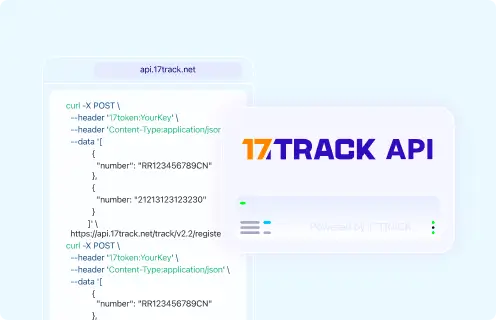
The example below shows the supplied 17TRACK registration endpoint. Replace the number, token and carrier-code placeholders with values established through your account and the current API documentation. Do not guess a FLYING FISH SHIPPING carrier code.
# 1. FLYING FISH SHIPPING official tracking API
# Current public official tracking API not confirmed.
# Obtain current documentation directly before attempting integration.

# 2. 17TRACK API
# Check carrier support and replace CARRIER_CODE with a verified code.
curl -X POST 'https://api.17track.net/track/v2.4/register' \
  -H '17token: YourKey' \
  -H 'Content-Type: application/json' \
  -d '[{"number":"TRACKING_NUMBER","carrier":"CARRIER_CODE"}]'
Sources & References
17TRACK is an independent tracking platform and is not affiliated with FLYING FISH SHIPPING.