eShipper Tracking
Please enter the eShipper tracking number to check the latest shipping status.
About eShipper
eShipper is the carrier and shipping-services entity identified by the supplied official website. Use the official eShipper account, shipment record, label, or support channel to determine which transport partner is physically carrying a package at each stage.
| Field | Verified reference |
|---|---|
| Display name | eShipper |
| Official website | https://www.eshipper.com/ |
| Tracking role | Use the shipment record and tracking identifier supplied by eShipper or the transport partner shown for the shipment. |
Carrier Entity Relationships
| Entity | Relationship and tracking significance |
|---|---|
| eShipper | eShipper is the named shipping entity for this page; the shipment record identifies the applicable service and transport provider. |
| Transport partner | A transport partner may create scans or complete a delivery; a partner scan does not by itself prove that eShipper physically accepted the parcel. |
| 17TRACK | 17TRACK is an independent platform that aggregates available events and does not operate, redirect, refund, or investigate shipments. |
Quick Answer
Enter the shipment tracking number shown in the eShipper shipping record, dispatch email, label, or marketplace order page into the official eShipper tracking route or into 17TRACK. If no result appears, check the identifier for spaces or typing errors, confirm that it is a tracking number rather than an order number, and allow time for the first carrier scan.
How to Track eShipper Packages
| Route | Steps |
|---|---|
| Official eShipper route | Open the official eShipper website, use the tracking function supplied for the shipment, enter the tracking identifier, and compare the latest event with the shipment record. |
| 17TRACK route | Open 17TRACK, enter the tracking identifier, let the platform identify the carrier where supported, and review the event history and named handoff provider. |
| No result | Verify the number, remove accidental punctuation, distinguish it from an order or reference number, and ask the sender to confirm the exact label identifier. |
A tracking number identifies a transport record. An order number identifies a purchase, a reference number identifies a merchant or account record, and a label number may identify a shipping label before physical acceptance. A first event can appear only after electronic data is created or after a carrier receives and scans the parcel.
Tracking Number Formats and Examples
eShipper-specific tracking patterns should be taken from the shipment label or account record rather than inferred from a prefix alone. Partner-issued identifiers can remain visible after a handoff, and one shipment may have more than one associated identifier.
Tracking Number Format
| Identifier family | Normalized pattern and use |
|---|---|
| eShipper shipment identifier | Use the exact alphanumeric identifier displayed in the eShipper shipment record or label. Replace any real customer identifier with a masked example such as ES########. |
| Partner tracking identifier | A postal, express, or last-mile partner may issue the identifier used for a specific transport leg. The pattern, length, and service meaning depend on that partner. |
| Order or reference identifier | A merchant order number or internal reference may appear beside tracking data but may not produce carrier events. |
| International postal identifier | A partner may use a postal format such as two letters, nine digits, and a two-letter country code; the origin postal operator, not necessarily eShipper, issues that identifier. |
Tracking Statuses and Meanings
Status Quick Lookup
| Status | Meaning and next action |
|---|---|
| Label created or pre-shipment | Electronic data exists, but physical acceptance may not have occurred. The sender should confirm tendering and the recipient should wait for the first acceptance scan. |
| Accepted or picked up | A carrier or shipping partner recorded receipt. The next step is sorting or movement to the line-haul network. |
| In transit | The parcel is moving between facilities or transport legs. Scans may be separated by travel and processing time. |
| Customs or handoff | The shipment is undergoing import processing or transfer to another operator. Arrival at customs is not the same as release. |
| Out for delivery | The local delivery operator has assigned the parcel to a delivery route. Keep the address and delivery instructions available. |
| Delivered, pickup, exception, or return | Review the delivery location, pickup instructions, exception reason, or return event. Contact the sender or responsible delivery operator when the event requires action. |
Services and Delivery Times
The applicable service, delivery estimate, and delivery responsibility are determined by the shipment record and the transport partner selected for the route. A tracking estimate is not automatically a guaranteed delivery commitment.
Service Comparison
| Service category | Use and tracking note |
|---|---|
| Domestic parcel | Use the service shown on the shipping record; available events depend on the selected carrier and label. |
| International shipment | The route may include export processing, customs, a partner handoff, and destination last-mile delivery. |
| Express or premium service | Review the shipment-specific service terms before treating a delivery date as a commitment. |
Delivery Time
| Timing item | How to interpret it |
|---|---|
| Published delivery standard | Use the service-specific standard shown in the eShipper shipment documentation or the selected carrier's terms. |
| Estimated delivery date | An estimate can change because of pickup timing, weekends, holidays, weather, address quality, customs, and partner handoffs. |
| Destination country delivery times | A reliable country-by-country range requires the origin, destination, service, shipment date, customs route, and last-mile partner; use the shipment-specific estimate instead of a generic average. |
Common Tracking Problems and Solutions
Problem & Solution
| Problem or status | Immediate action |
|---|---|
| Invalid number | Copy the identifier from the label or dispatch notice, remove accidental spaces, and ask the sender to distinguish tracking data from an order number. |
| No movement or no first scan | Confirm that the parcel was tendered; allow the relevant processing period before asking the sender to investigate. |
| Customs delay | Check whether duties, taxes, identity information, or other import documents are requested by the destination operator. |
| Delivery exception or failed delivery | Read the event wording, verify the address, and follow the named local operator's redelivery or pickup instructions. |
| Delivered but not received | Check the porch, mailbox, building desk, household members, neighbors, and proof of delivery; then contact the sender and delivery operator. |
| Lost or damaged parcel | Keep packaging and contents, collect photographs and value evidence, and have the eligible claimant start the carrier or merchant investigation. |
International Shipping, Customs and Carrier Handoffs
International Flow
| Stage | What happens and what to do |
|---|---|
| Origin preparation | The shipper creates shipment data and prepares the parcel. Label creation is not proof of physical acceptance. |
| Export processing | The origin operator sorts the shipment and may perform export security or customs processing. |
| Line-haul movement | The shipment moves between origin and destination networks; scan gaps can occur during transport. |
| Import customs | The destination authority or appointed broker assesses the shipment. Arrival at customs does not mean release. |
| Partner handoff and last mile | A destination carrier may receive the parcel and continue using the original identifier or assign a local identifier. Follow the latest named operator. |
Delivery Management and Post-shipment Options
| Option | Responsible party and practical guidance |
|---|---|
| Address correction | Ask the shipper or the named delivery operator promptly; eligibility depends on shipment stage and service terms. |
| Redelivery or pickup | Follow the delivery notice or local operator instructions. The recipient may need identification or the notice reference. |
| Proof of delivery | Request it from the responsible carrier or shipment account when the service provides it. |
Lost, Damaged, Claims, Insurance and Refunds
| Process | Use when and required evidence |
|---|---|
| Tracking inquiry | Use for an unclear event or missing update; provide the tracking identifier, shipment date, latest scan, and contact details. |
| Loss or damage investigation | The eligible shipper or account holder should use the applicable carrier process and retain packaging, photographs, invoices, and value evidence. |
| Postage refund or merchant refund | A carrier refund and a seller refund are separate decisions; 17TRACK cannot approve either one. |
Shipping Restrictions and Special Handling
| Category | Practical caution |
|---|---|
| Dangerous goods | Batteries, flammable materials, compressed gases, and other regulated articles may require approval, packaging, labels, or a different service. |
| Liquids and perishables | Leakage, temperature, packaging, and destination rules can affect acceptance and delivery. |
| Restricted or prohibited goods | Check the current eShipper and selected carrier rules before tendering; restrictions can affect customs release and tracking progress. |
Customer Service
Customer Service
| Channel | Best use and information to prepare |
|---|---|
| Official website | eShipper official website; prepare the tracking number, shipment date, sender and recipient details, service type, and latest event. |
| Sender or merchant | Best for label errors, address corrections, commercial orders, refunds, and claims where the shipper controls the account. |
| Named last-mile operator | Best for local delivery attempts, pickup instructions, proof of delivery, and a destination exception shown in tracking. |
Ecommerce and Business Tracking
Businesses should retain the eShipper shipment identifier, partner identifier, order reference, service selection, and event history together. This separates customer-order questions from carrier investigation questions and helps identify the operator responsible for the latest scan.
Developer/API Comparison
| Option | Provider |
|---|---|
| Official carrier integration | eShipper |
| Multi-carrier tracking API | 17TRACK |
Before production integration, verify the current developer documentation, authentication requirements, carrier-code mapping, batch limits, webhook behavior, and any migration notices with the selected provider.
FAQ
Basic FAQs
Enter the shipment tracking number on the official eShipper website or use 17TRACK to view available events.
Look in the eShipper shipment record, dispatch email, shipping label, or marketplace delivery page.
The identifier can depend on the selected service or partner, so use the exact masked or unmasked value supplied with the shipment rather than guessing from a prefix.
Check for typing errors and confirm that you entered a tracking number instead of an order or reference number; the first scan may also not yet exist.
A parcel can have a visibility gap during sorting, line-haul transport, customs, or a partner handoff; ask the sender to investigate when the delay exceeds the shipment expectation.
Delivery depends on origin, destination, service, pickup timing, customs, and the last-mile operator; use the shipment-specific estimate.
Read the exception event, verify the address, and follow the named local operator's redelivery or pickup instructions.
Check delivery locations, household members, neighbors, building staff, and proof of delivery, then contact the sender and responsible delivery operator.
The eligible shipper or account holder should start the applicable investigation and retain the packaging, photographs, invoice, and value evidence.
Start with the official eShipper website or the sender's shipment account, supplying the tracking number and latest event.
Expert FAQs
No. Label creation records electronic shipment data; physical acceptance requires a carrier or partner receipt scan.
Yes, a transport or postal partner may issue the identifier, and eShipper or 17TRACK may display events associated with it.
No. Customs arrival and customs release are separate events; duties, documents, inspection, or destination rules can affect release.
A partner may continue the original identifier or assign a local one, so compare the latest event and shipment references.
No. Address changes must be requested from the eligible shipper, eShipper account, or responsible delivery operator.
Businesses can review the current eShipper integration options and the 17TRACK API documentation before selecting authentication, carrier mapping, batch, and notification methods.
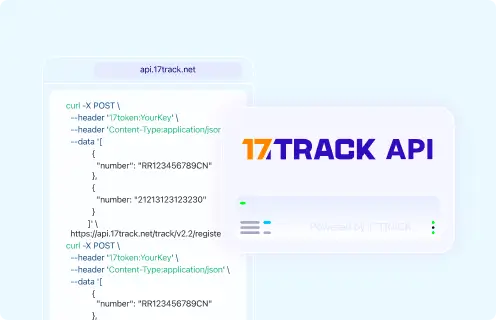
Tracking API
// Official eShipper tracking API:
// Current public official tracking API details require verification in eShipper developer materials.

// 17TRACK API
// POST https://api.17track.net/track/v2.4/register
// Headers: 17token: YourKey
//          Content-Type: application/json
// Replace CARRIER_CODE with the current 17TRACK carrier code.
[
  {
    "number": "TRACKING_NUMBER",
    "carrier": "CARRIER_CODE"
  }
]
Sources & References
- eShipper — Official website. eShipper
- 17TRACK API Documentation. 17TRACK
- 17TRACK — Independent shipment tracking platform. 17TRACK
17TRACK is an independent tracking platform and is not affiliated with eShipper.
Track your package
Global express parcel tracking service