What Is Happy Returns? How It Works for Shoppers?
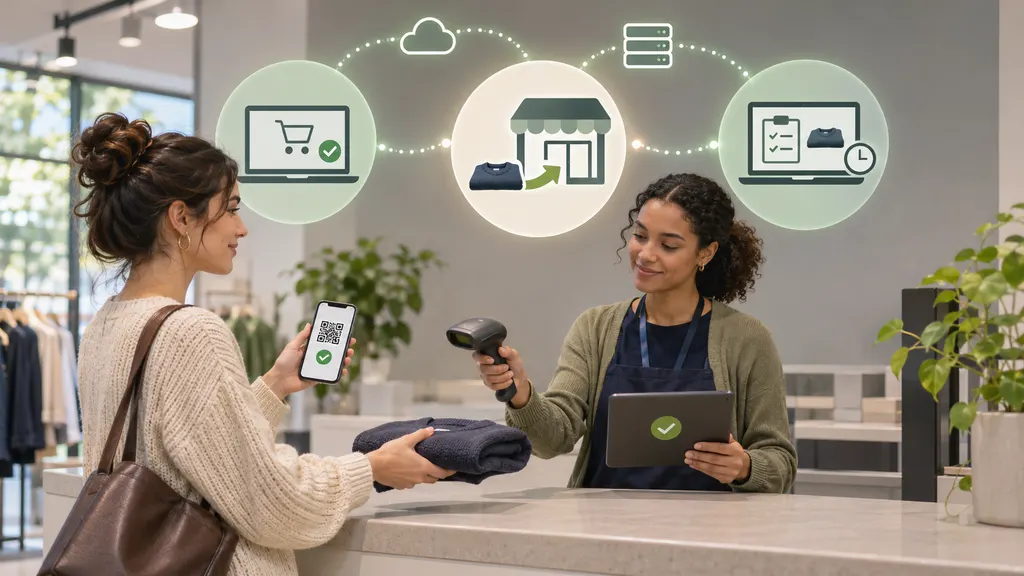
Happy Returns is a returns service that lets shoppers take eligible online purchases to participating Return Bar locations instead of packing and shipping them themselves. The shopper normally starts the return through the retailer, receives a QR code or another return instruction, and presents the item at an available location. The item is then accepted for return under the retailer’s policy, while the retailer determines when and how the refund or replacement is issued.
The service is designed to make the physical part of a return simpler. It does not replace the store’s return policy, and it does not guarantee an immediate refund. Eligibility, deadlines, item conditions, location availability, and refund timing depend on the retailer and the specific order.
What Is Happy Returns?
Happy Returns is a returns-processing network used by participating retailers. Its best-known shopper-facing feature is the Return Bar: a drop-off location where a customer can return an eligible online purchase without preparing a conventional parcel in the usual way.
For shoppers, the important distinction is between the return method and the retailer’s return policy. Happy Returns may provide the drop-off process, scanning, consolidation, and movement of returned goods. The retailer still decides whether the item qualifies, whether a refund or exchange is available, and when the transaction is considered complete.
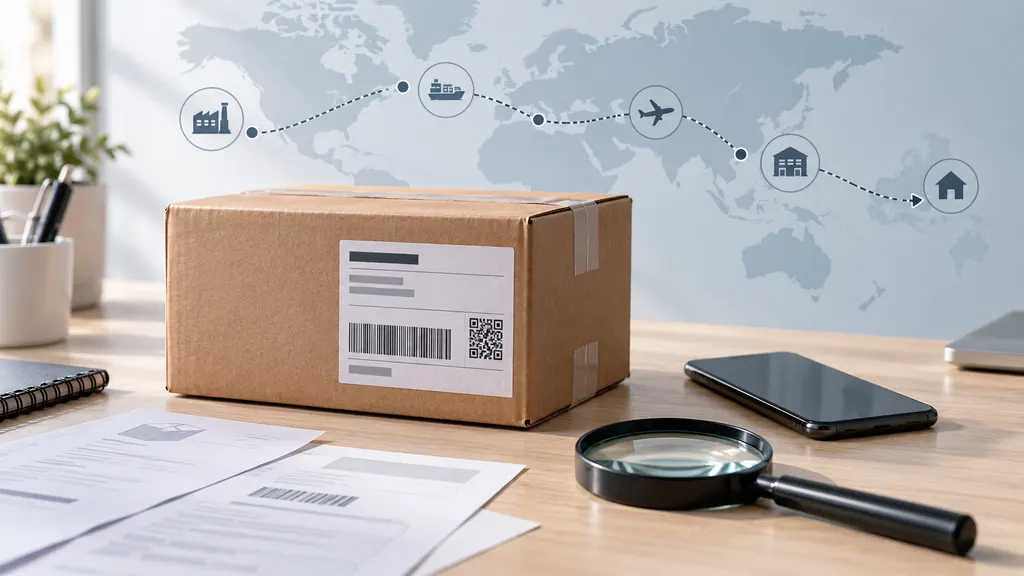
The service is therefore part of reverse logistics: the movement of goods from a customer back to a retailer or another processing destination. A convenient drop-off experience can reduce the work required from the shopper, but it does not remove the retailer’s rules or the operational steps that happen after drop-off.
How Happy Returns Works for Shoppers
1. Start with the retailer
Begin on the website or app where you placed the order. Open the retailer’s order, returns, or customer-service area and select the item you want to send back. The retailer’s system determines whether the item is eligible for a Happy Returns drop-off.
A retailer may offer different return methods for different products. For example, a small standard item might qualify for a Return Bar, while a large, fragile, personalized, final-sale, or restricted item may require another process. Do not assume that every item in one order can be returned in the same way.
2. Choose an available return option
If Happy Returns is available, the retailer or return portal will typically show the applicable option and nearby locations. Location availability can depend on geography, the retailer’s program, the item, and the type of return selected.
Review the instructions before leaving home. Some returns can be presented without a shipping box, mailing label, or printer, but the exact requirements are controlled by the return flow for that order. If the instructions say that packaging, accessories, tags, or a receipt are required, follow those instructions.
3. Receive the return code or instructions
After the return is approved, the shopper may receive a QR code, barcode, email, or in-app instruction. Keep this information accessible on the phone. The code connects the physical drop-off with the return request created in the retailer’s system.
A return code is not the same as proof that a refund has been completed. It normally identifies the return at the drop-off stage. The retailer may still need to receive, inspect, or process the item before completing the refund under its own policy.
4. Take the item to the selected Return Bar
Bring the item and the return code to the selected location. The associate or drop-off process scans the code and records the return. Depending on the retailer’s instructions, the item may be accepted as-is or placed into a return bag or other handling container at the location.
The most useful benefit for many shoppers is that they do not have to find a shipping carton, print a label, or arrange a carrier pickup for that particular return. This convenience is conditional, however. It applies only when the item and order qualify for the offered method.
5. Keep the confirmation
After drop-off, save the confirmation email, receipt, or on-screen completion message. It may contain a reference number or other details that help the retailer locate the return.
If the refund does not appear within the retailer’s stated timeframe, contact the retailer first and provide the confirmation. The drop-off location may be able to verify that the package was accepted, but the retailer generally controls the refund decision and payment process.
Do You Need a Box or a Shipping Label?
One of Happy Returns’ central shopper benefits is the possibility of a box-free and printer-free return for eligible purchases. In practical terms, this can mean that the shopper brings the item and a digital code to a participating location rather than preparing a parcel at home.
That does not mean every Happy Returns return is packaging-free. Requirements can vary by retailer, product type, location, and return method. Items that are unusually large, fragile, hazardous, regulated, or otherwise unsuitable for the available drop-off process may need a different shipping arrangement.
The safest rule is simple: use the instructions generated for the specific order. If the return portal offers a Return Bar and does not request a box or label, follow that flow. If it provides a prepaid shipping label or packaging instructions instead, use those instructions rather than taking the item to a location without confirming eligibility.
When Will You Get Your Refund?
Happy Returns does not set one universal refund timetable for every retailer. The retailer’s policy determines whether the refund is issued at drop-off, after the item reaches a processing facility, after inspection, or at another stage in the return workflow.
The payment provider and bank can also affect when the credit becomes visible. A retailer may mark a refund as issued before it appears on a card or bank statement. For that reason, shoppers should distinguish among three events:
- The return is accepted at the drop-off location.
- The retailer approves or issues the refund.
- The payment account displays the credit.
If the retailer promises a refund at drop-off but the confirmation does not show that status, contact the retailer promptly. If the retailer says the refund was issued but it is not visible after the stated banking period, ask the retailer for the refund reference and then contact the payment provider if necessary.
What Can Make a Happy Returns Drop-Off Unavailable?
A shopper may not see Happy Returns for several legitimate reasons. The retailer may not participate, the product may be excluded, or the return window may have closed. The selected location may not be available for that order, or the item may require a carrier shipment because of its size, condition, or handling requirements.
Common checks before leaving home include:
- Confirm that the item appears in the retailer’s approved return flow.
- Check the return deadline and any final-sale or category exclusions.
- Read whether tags, accessories, manuals, or original packaging must be included.
- Verify the location’s address and operating hours through the retailer’s instructions or the official location search.
- Save the QR code and order information before arriving.
These checks matter because a failed drop-off can delay the return and may require the shopper to start a different shipping method. The return portal is the authoritative source for the specific order; general information about Happy Returns cannot override that portal’s instructions.
Happy Returns and the Shopper Experience
From a customer-experience perspective, Happy Returns addresses a familiar source of friction: the need to package a single unwanted purchase and take it to a carrier. A nearby drop-off option can make the return more convenient, particularly for shoppers who do not have a printer, shipping materials, or a regular carrier pickup routine.
The experience is not completely independent of the retailer. The retailer must connect the order to the return service, communicate accurate instructions, and provide clear status updates. If those systems are poorly connected, a convenient physical drop-off may still leave the shopper uncertain about the refund or exchange.
For merchants, this is why returns management is broader than parcel collection. It includes policy design, authorization, customer communication, item routing, inspection, inventory decisions, refunds, and reporting. Retailers looking for a separate ecommerce returns-management system should evaluate the workflow as an operational process rather than treating a drop-off network as the entire solution. 17RETURNS is one example of a merchant-facing returns product, but it serves a different decision-maker and should not be confused with the shopper’s individual Happy Returns instructions.
Is Happy Returns Worth Using?
Happy Returns is most useful when the retailer offers it for the item, a convenient location is available, and the shopper values avoiding home packaging and carrier shipping. In that situation, the service can reduce the time and materials needed to complete a routine return.
It may be less suitable when the nearest location is inconvenient, the item requires special handling, or the retailer’s policy still requires a shipment and inspection. It also should not be chosen solely because a shopper expects an instant refund. Refund timing remains a retailer and payment-processing issue.
The practical decision is therefore conditional: select Happy Returns when it appears in the retailer’s authorized return flow and its requirements match the item. Keep the confirmation until the refund, replacement, or other resolution is complete.
FAQ
Is Happy Returns the retailer that sold my item?
No. Happy Returns can support the return process, but the retailer remains responsible for the order’s return policy, refund decision, and customer-service resolution.
Can I return any online purchase at a Return Bar?
No. The retailer must participate, and the specific order and item must qualify. Check the retailer’s return portal before visiting a location.
Do I need to print a label?
For an eligible return using the applicable Return Bar flow, the retailer may provide a digital code instead of requiring a printed label. Requirements vary, so follow the instructions for that order.
Do I need the original box?
Not always. Some eligible returns are designed for drop-off without the shopper supplying a shipping box. The retailer may still require the product, accessories, tags, or other materials specified in its policy.
What should I do if my refund is missing?
Keep the drop-off confirmation and contact the retailer with the order and return reference. Ask whether the refund was issued and when it should appear. If it was issued, the retailer or payment provider can help trace the transaction.