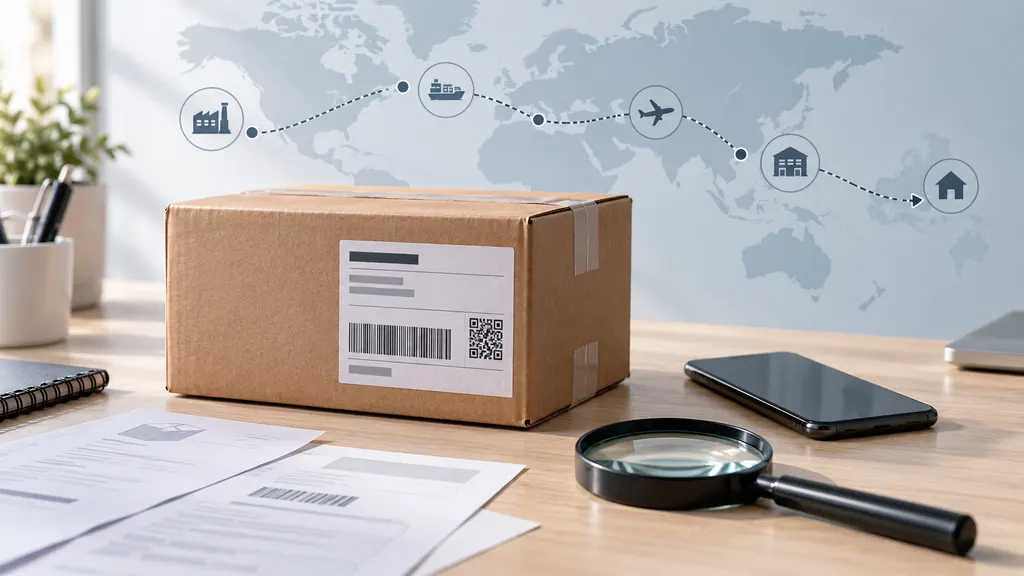
USPS Tracking API Pricing Comparison for Ecommerce Delivery Operations
USPS Tracking API pricing is not a simple per-request comparison. The right choice for an ecommerce operation depends on how USPS access is provisioned, whether you need tracking from other carriers, and which costs sit outside the API itself, such as onboarding, storage, webhooks, support, and exception management. USPS should be evaluated as a carrier data source, while services such as 17TRACK, EasyPost, Shippo, and AfterShip should be evaluated as managed platforms with different pricing and operational models.

For most merchants, the practical question is not only “What is the API fee?” It is “What will it cost to collect reliable tracking events, normalize them, display them to customers, and act on delivery exceptions?” Public pricing pages and API terms can change, so any purchase decision should confirm the current commercial terms directly with the provider.
Quick comparison
| Option | Primary role | Pricing question to verify | Best fit |
|---|---|---|---|
| USPS official API access | Direct USPS tracking data | Access eligibility, usage terms, limits, and support | USPS-focused workflows with engineering resources |
| 17TRACK API | Multi-carrier tracking infrastructure | Tracked shipments, request limits, event delivery, and plan terms | Cross-border and multi-carrier ecommerce |
| EasyPost | Shipping and logistics APIs | Tracking-related charges versus label, insurance, and other services | Teams combining shipping workflows with API integration |
| Shippo | Shipping platform and APIs | Plan level, carrier services, labels, and API usage | Small and mid-sized ecommerce operations |
| AfterShip | Post-purchase tracking and customer experience | Shipment volume, tracking pages, notifications, and add-ons | Branded tracking and post-purchase communication |
This table is a decision framework, not a quotation. The providers do not necessarily use the same billing unit, and a low advertised entry plan may not be the lowest total cost for a high-volume operation.
How USPS API pricing should be assessed
Direct USPS access can look attractive when nearly all shipments use USPS and the business already operates its own order-management or fulfillment software. The main benefit is architectural simplicity: a team can connect its workflow to a carrier-specific source instead of paying for a broader tracking platform.
That apparent simplicity has limits. A direct integration usually leaves the merchant responsible for authentication, request scheduling, retry logic, status normalization, data storage, monitoring, and customer-facing presentation. The API fee, if any, is only one part of the cost. Engineering time and maintenance can become more significant than the cost of individual requests.
USPS documentation and program terms should be checked for the current access process, technical requirements, permitted use, and any operational constraints. Do not assume that an older reference to USPS Web Tools describes every current USPS API product or commercial condition. Confirm which endpoint is appropriate for your use case before estimating costs.
Questions to ask before choosing direct USPS access
- Is the requested API available to the business and use case?
- Does USPS define a request limit, service-level expectation, or support process?
- Are tracking events sufficient for the customer and operations teams, or is additional status logic required?
- Who will handle temporary failures, duplicate events, delayed scans, and malformed tracking numbers?
- Will the integration need to expand to UPS, FedEx, DHL, postal operators, or marketplace carriers later?
How managed tracking platforms change the cost model
A managed tracking provider can reduce the amount of carrier-specific work performed by the merchant’s engineering team. The provider may handle carrier connections, data normalization, tracking queries, and delivery-event presentation according to its product scope. The trade-off is a platform charge and dependence on the provider’s coverage, limits, documentation, and support model.
17TRACK’s Tracking API is directly relevant when an ecommerce business needs USPS tracking alongside other carriers or international shipment visibility. Its official API materials should be used to confirm the current carrier scope, API behavior, plan structure, request limits, and developer requirements. Those details should not be inferred from the fact that the product is described as a multi-carrier API.
EasyPost and Shippo are commonly considered when tracking is part of a larger shipping workflow. Their pricing should be separated into tracking, labels, insurance, address services, and other components rather than treated as one universal API price. A business that only needs USPS tracking may pay for capabilities it does not use, while a business that also buys labels may find the broader platform more operationally convenient.
AfterShip is more closely associated with post-purchase tracking and customer communications. For that reason, its commercial fit should be judged by shipment volume, branded tracking requirements, notification needs, and customer-experience features, not by a direct comparison with a carrier endpoint alone. Review its current plan definitions and overage rules before making a volume estimate.
Pricing dimensions that matter more than the headline fee
1. Billing unit
Providers may define usage by shipment, tracking number, API call, monthly plan, or another unit. These units are not interchangeable. A design that polls the same tracking number repeatedly can create a very different bill from a design that receives event notifications or limits requests to meaningful status changes.
2. Shipment lifecycle
Calculate the number of tracking numbers created each month, not only the number of orders. Split shipments, replacements, returns, international legs, and duplicate labels can increase the tracking population. Define whether a shipment remains active for a fixed period or until a final event, because that affects both usage and storage.
3. Polling and event delivery
Polling frequency affects cost, system load, and freshness. A five-minute polling schedule is not automatically better than a less frequent schedule if the carrier does not generate new information that often. Ask whether webhooks, callbacks, or event-based delivery are available for the selected product and whether those features are included in the quoted plan.
4. Carrier breadth
A USPS-only integration may be economical for a concentrated domestic operation. It becomes less attractive when the business adds international postal services, private carriers, marketplace fulfillment, or regional delivery partners. Replatforming later can create migration costs that were not visible in the first API estimate.
5. Data retention and presentation
Tracking data may need to be stored for customer service, refund decisions, delivery claims, and performance analysis. Confirm retention periods, export options, historical event access, and whether branded tracking pages or notifications are separate products. These details can materially change total cost.
6. Support and reliability
Low-cost access may be appropriate for a small internal tool, but a customer-facing delivery experience needs monitoring and an escalation path. Compare documentation quality, support channels, incident communication, and the provider’s stated service commitments. Do not treat an advertised uptime claim as a guarantee unless the applicable agreement says so.
A practical total-cost formula
Use a simple model before requesting quotes:
Estimated monthly cost = platform or access fee + usage charges + integration labor + monitoring and support + storage and data transfer + customer-experience features + contingency for volume growth.
For direct USPS access, the platform fee may be limited or unclear, but integration labor can be substantial. For a managed provider, the subscription or usage charge may be clearer, while additional carrier coverage, notifications, or higher limits may increase the bill. The formula does not produce a provider ranking; it makes the assumptions visible.
Run at least three scenarios: current monthly volume, a normal peak month, and a growth case. Include the percentage of orders using USPS, the number of tracking updates expected per shipment, the number of carriers required, and the number of customer-facing notifications. Request written confirmation for any item that is not clearly stated on the provider’s pricing or documentation pages.
Which option fits common ecommerce operations?
USPS-dominant domestic store
Direct USPS access may be reasonable when the carrier mix is stable, the product team can maintain an integration, and the business needs limited tracking presentation. A managed provider may still be preferable if engineering time is scarce or a second carrier is likely to be added soon.
Multi-carrier or cross-border seller
A multi-carrier API such as 17TRACK’s should be evaluated first when the operation needs one integration across several carriers or countries. The key test is not the number of listed carriers alone. Test the actual destinations, service levels, tracking-number formats, event timing, and exception statuses used by the business.
Merchant focused on post-purchase experience
If the main objective is a branded tracking page, proactive notifications, and fewer “Where is my order?” contacts, a post-purchase platform such as AfterShip may be more relevant than a raw USPS endpoint. Compare the customer-facing workflow and analytics separately from the underlying carrier data cost.
Shipping platform buyer
EasyPost or Shippo may be worth considering when labels, rates, tracking, and other shipping functions are being consolidated. Confirm whether tracking is included in the selected commercial plan and whether using the platform for labels changes the effective cost or support arrangement.
Implementation checklist before signing
- List every carrier and service level used in the next 12 months.
- Count shipments, tracking numbers, expected updates, returns, and replacement orders separately.
- Define the events that trigger customer notifications and internal exception workflows.
- Test delivered, delayed, exception, returned, invalid, and never-scanned tracking numbers.
- Measure API latency, duplicate events, missing events, retry behavior, and webhook delivery during a controlled pilot.
- Confirm pricing units, volume tiers, overages, minimum commitments, cancellation terms, data retention, and support channels in writing.
- Estimate the cost of moving providers if carrier coverage, data formats, or commercial terms change.
Bottom line
There is no reliable universal answer to the cheapest USPS tracking API. Direct USPS access can suit a USPS-focused operation with capable engineers, but its total cost includes maintenance and operational ownership. A managed platform can cost more on paper while reducing integration work and making a multi-carrier strategy easier. For ecommerce businesses, the strongest comparison combines verified commercial terms with a realistic model of shipment volume, polling behavior, customer experience, and future carrier needs.
FAQ
Is the USPS Tracking API free?
Do not assume that access is free in every context. USPS API products, eligibility rules, usage terms, and support arrangements can change. Check the current USPS developer or business API documentation for the specific product and use case, then include engineering and operational costs in the estimate.
Should I use USPS directly or a multi-carrier API?
Use direct access when USPS is the durable center of the workflow and your team can own the integration. Consider a multi-carrier API when the business needs several carriers, international tracking, normalized events, or a faster path to broader coverage.
What is the correct billing unit for comparison?
Ask each provider whether it bills by shipment, tracking number, request, monthly plan, feature package, or another unit. Then map that unit to your actual shipment lifecycle and polling design. Comparing a per-request quote with a per-shipment quote without normalization can produce a misleading result.
Do tracking API costs include branded tracking pages?
Not necessarily. A carrier API may provide data without providing a customer-facing tracking page, notifications, analytics, or branding controls. Confirm each feature separately, especially when comparing a raw API with a post-purchase platform.
How should I test a provider before committing?
Use representative USPS tracking numbers and, if relevant, numbers from other carriers. Test normal movement, delayed scans, delivery exceptions, returns, invalid numbers, duplicate events, and webhook retries. Compare data quality and operational effort, not only the invoice estimate.