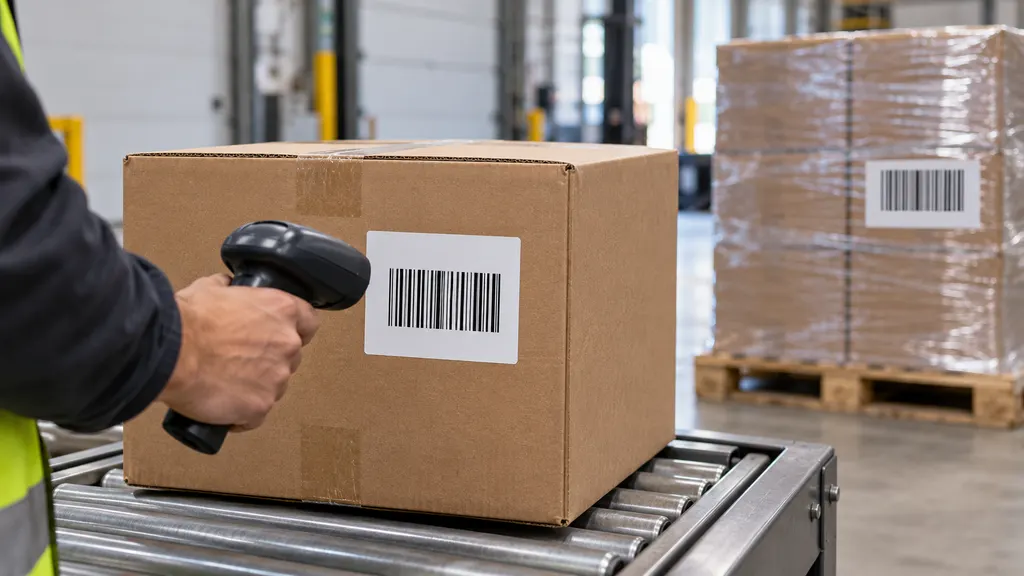
USPS Priority Mail Guide: Speed, Pricing, Packaging, Tracking, and Insurance
USPS Priority Mail is a domestic shipping service for packages and other mail that need faster delivery than USPS Ground Advantage without the requirements of an express service. USPS states that Priority Mail delivery is generally expected in 1–3 business days, but the service does not include a money-back delivery guarantee. The final cost and transit estimate depend on factors such as origin, destination, package weight, dimensions, mailing date, and whether you use a Flat Rate package.
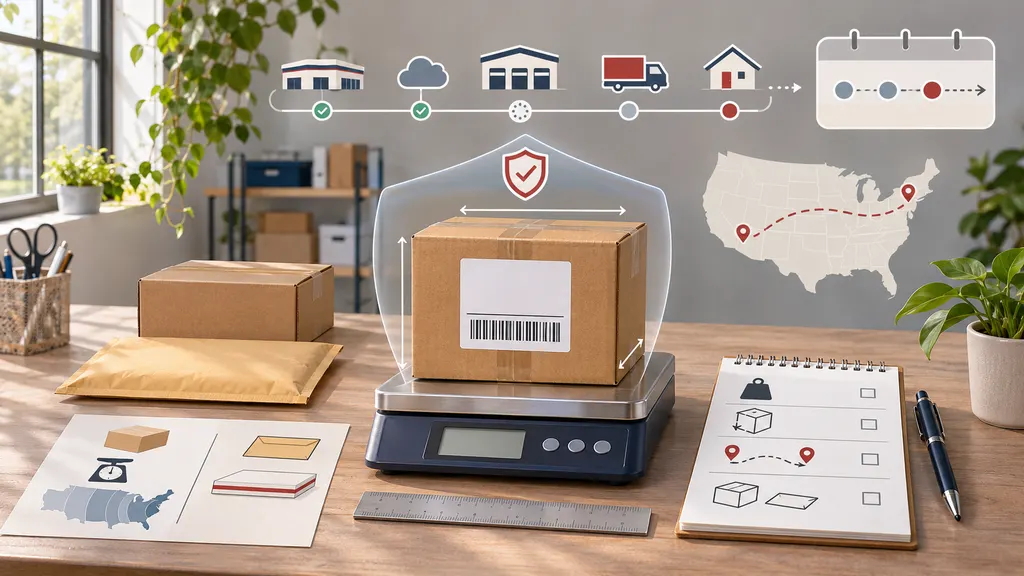
This guide explains how Priority Mail works, how to estimate its price, which packaging options are available, what tracking and insurance cover, and which checks can prevent avoidable delays or extra postage.
What USPS Priority Mail includes
Priority Mail is designed for domestic shipments that need a relatively quick delivery window and more service features than a basic ground option. It can be used for documents, merchandise, ecommerce orders, and personal shipments. USPS offers both regular Priority Mail packaging and Flat Rate packaging, so the right choice depends on the shipment rather than on a single universal price.
- Expected delivery: USPS generally describes Priority Mail as a 1–3 business-day service. The estimate is not a guaranteed delivery date.
- Tracking: USPS tracking is normally included for Priority Mail items. The tracking record can show acceptance, movement, attempted delivery, and final delivery events when scans are available.
- Pricing choices: Regular Priority Mail is priced using shipment characteristics such as weight, dimensions, and destination. Flat Rate pricing uses the selected USPS Flat Rate package and a qualifying shipment.
- Insurance: Priority Mail may include limited insurance under USPS terms, with eligibility and coverage depending on the mail type, contents, and applicable conditions.
- Domestic availability: Priority Mail is primarily a domestic USPS service. International shipments use different USPS international products and rules.
The practical takeaway is that Priority Mail is a useful middle ground for time-sensitive domestic shipments, but it should not be treated as an overnight service or as a guaranteed delivery commitment.
How fast is Priority Mail?
The standard USPS delivery estimate for Priority Mail is 1–3 business days. That estimate is calculated from the mailing conditions and destination, not simply from the distance between two addresses. Weekends, federal holidays, weather, transportation disruptions, incomplete addresses, and late acceptance can affect the actual result.
The delivery window also does not mean that every package will arrive within three business days. USPS may provide a more specific estimate when a label is created or when a destination is entered into its postage tools, but that estimate remains different from a guaranteed service commitment. If a shipment is tied to a fixed event, a seller should build in handling and delivery contingency rather than promising the carrier’s estimate as a certainty.
For ecommerce operations, the relevant clock usually has two parts: the seller’s handling time and the carrier transit time. A Priority Mail label created on Monday does not necessarily mean the package entered the USPS network on Monday. The first acceptance scan is a better indication that USPS has received the item. Sellers should communicate a dispatch date separately from an expected delivery window.
How Priority Mail pricing works
There is no single Priority Mail price that applies to every shipment. USPS postage can vary according to the package’s weight, dimensions, origin, destination, mailing channel, and the packaging format selected. Retail counter prices, online postage prices, commercial pricing, and other eligibility-based rates may differ, so the most reliable approach is to calculate the shipment using the current USPS postage tools before buying a label.
Regular Priority Mail
For regular Priority Mail packaging, the shipment is generally priced according to its physical and mailing characteristics. A light but oversized package may cost more than its scale weight suggests because dimensional or nonstandard-package rules can apply. Measure the outside dimensions after the item has been packed, not just the product dimensions.
Priority Mail Flat Rate
Flat Rate is based on the specific USPS Flat Rate envelope or box. The shipment must fit within the selected package and meet USPS mailing requirements. The benefit is predictability: the price is tied to the package type rather than to the destination zone in the same way as regular Priority Mail. The limitation is physical capacity. A Flat Rate box is not automatically the cheapest option if the contents are small, light, or better suited to another service.
Use a simple comparison before purchasing postage:
- Weigh the fully packed shipment.
- Measure its length, width, and height.
- Check whether the package qualifies for a Flat Rate format.
- Enter the origin, destination, package details, and mailing date in the current USPS postage calculator.
- Compare the available Priority Mail options with other eligible USPS services.
Do not rely on an old price chart for a current shipment. USPS prices, surcharges, product conditions, and online postage rules can change. A business that ships frequently should also confirm whether its label provider is applying the intended rate type and whether adjustments can occur after USPS measures or weighs the parcel.
Packaging rules and practical choices
USPS Priority Mail packaging is available in several forms, including envelopes and boxes. USPS provides certain Priority Mail supplies through its official ordering channels, subject to availability and the conditions associated with the packaging. Use Priority Mail-branded packaging only for the service for which it is intended; using the wrong branded package can create postage or acceptance problems.
For regular cartons, choose a box that is large enough for protective material but not so large that the contents move freely. Seal every opening securely with shipping tape. Cover or remove old barcodes, addresses, and service markings before reusing a box. A package can be delayed or misrouted if multiple readable labels remain on its exterior.
Packaging checklist
- Use a sturdy container appropriate for the item’s weight and fragility.
- Wrap breakable products individually and fill empty space so contents do not shift.
- Protect liquids against leakage and separate them from documents or other merchandise.
- Place a duplicate address or packing slip inside the package in case the outer label is damaged.
- Keep the shipping label flat and readable, without tape covering critical barcode areas in a way that interferes with scanning.
- Check USPS restrictions for hazardous materials, perishables, batteries, medication, and other regulated contents before mailing.
The package’s external dimensions matter even when the product itself is compact. Oversized, irregular, or poorly sealed parcels may require additional handling or may not qualify for the service format selected at label purchase.
USPS Priority Mail tracking
Tracking is one of the main operational advantages of Priority Mail. After the label is created, the tracking number can be entered on the official USPS tracking page. Early tracking may show only that a label was generated, while later events can indicate acceptance, processing, transportation, arrival at a delivery unit, an attempted delivery, or delivery.
A label-created event is not the same as a carrier acceptance scan. If no movement appears after the label is printed, confirm that the parcel was actually handed to USPS and that the label was attached to the correct package. A drop-off receipt, collection record, or acceptance scan can help establish when custody began.
Tracking events are not guaranteed to appear at every handoff. A package may move between facilities before the next scan is posted. When a shipment appears stalled, check the last event, the expected delivery window, the address, and whether there was a delivery attempt or a request for pickup. Senders should avoid creating a replacement label before confirming that the original parcel is genuinely lost, because duplicate labels can complicate customer communication and claims.
For a business that uses several carriers, USPS tracking can also be consolidated into a broader multi-carrier tracking workflow. 17TRACK’s official tracking service is relevant when a seller or recipient needs one place to monitor shipments from different carriers. It should complement, not replace, the USPS tracking record used for postal inquiries and claims.
Insurance and claims
Priority Mail may include insurance for eligible shipments, but coverage is subject to USPS rules and exceptions. The covered amount is not a blanket promise that every item will be reimbursed for any claimed value. Eligibility can depend on the mail class, the contents, proof of value, proof of mailing, evidence of damage or loss, and compliance with packaging and filing requirements.
Before shipping an expensive item, confirm the current included-coverage terms on USPS.com and decide whether additional insurance is appropriate. Keep the following records:
- The mailing receipt or electronic label record.
- The tracking number and acceptance information.
- Proof of the item’s value, such as an invoice or sales record.
- Photographs of the item and the completed package, particularly for fragile goods.
- Evidence of damage, including the outer packaging and internal protection.
- Customer correspondence when the shipment was sold through ecommerce.
File a claim only after checking the applicable USPS time limits and required documentation. A claim for damage is stronger when the sender retains the original packaging. Do not describe an item vaguely on a customs or mailing form, and do not understate its value to reduce postage or insurance costs.
When Priority Mail is a good fit
Priority Mail is often a sensible choice when the shipment needs a faster domestic service, tracking is important, and the package does not require a guaranteed overnight commitment. It can fit routine ecommerce orders, replacement shipments, documents, and moderately valuable products when the seller has selected appropriate packaging and protection.
It may be a poor fit when the package is extremely heavy, unusually large, highly time-critical, restricted, or better suited to a different service’s handling conditions. It is also not automatically the lowest-cost option. Compare the complete packed shipment with other eligible USPS products instead of choosing Priority Mail solely because the name suggests speed.
A practical shipping workflow
- Confirm the contents: Check prohibited and restricted-item rules before packing.
- Prepare the parcel: Use suitable cushioning, a secure box, and correct markings.
- Measure and weigh: Record the packed dimensions and weight, including the outer packaging.
- Choose the format: Compare regular Priority Mail with an eligible Flat Rate envelope or box.
- Calculate postage: Use current USPS tools or a qualified postage provider.
- Buy and review the label: Verify the recipient address, return address, service, and tracking number.
- Hand over the package: Obtain an acceptance receipt when timing or claim evidence matters.
- Monitor delivery: Use USPS tracking and communicate a realistic delivery window to the recipient.
- Resolve exceptions: Investigate stalled tracking, address problems, delivery attempts, or damage using the official USPS process.
FAQ
Is USPS Priority Mail guaranteed to arrive in 1–3 days?
No. USPS describes the normal Priority Mail delivery expectation as 1–3 business days, but the service is not generally a guaranteed delivery commitment. Weather, holidays, network disruptions, late acceptance, and address issues can affect delivery.
Does Priority Mail include tracking?
Yes, tracking is normally included for Priority Mail. Keep the tracking number and check the official USPS tracking page. A label-created event does not necessarily confirm that USPS has accepted the parcel.
Is Flat Rate always cheaper?
No. Flat Rate can be useful when the contents fit efficiently in the selected USPS package, particularly when destination-based pricing would otherwise be expensive. For small or light shipments, regular Priority Mail or another eligible service may cost less.
How much insurance does Priority Mail include?
Priority Mail may include limited insurance for eligible shipments, but the amount and conditions depend on the applicable USPS rules and the type of item mailed. Confirm the current terms before sending valuable merchandise, and purchase additional coverage when appropriate.
What should I do if Priority Mail tracking stops updating?
Check the last scan, confirm that the parcel was accepted by USPS, and allow for normal gaps between scans. Verify the address and look for a delivery attempt or pickup notice. If the shipment remains unresolved, use the USPS help, inquiry, or claims process that applies to the package.
Sources
- USPS Priority Mail — service description, delivery expectations, and shipping information.
- USPS Insurance and Extra Services — insurance and additional-service conditions.
- USPS Tracking — official tracking access and tracking guidance.
- USPS Online Shipping — label creation and postage tools.
- USPS Postal Store — official USPS packaging and shipping supplies.
- 17TRACK Tracking — multi-carrier tracking option for ecommerce sellers and recipients.