Storage
What Is Storage?
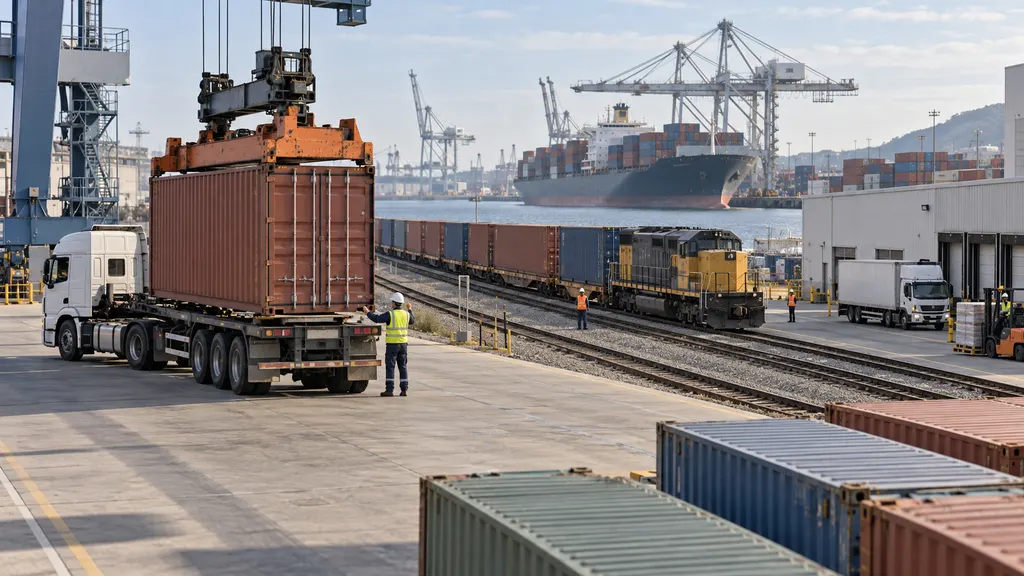
Storage is the planned holding of goods, materials, inventory, or other physical items until they are needed for production, sale, shipment, use, or return. In logistics and ecommerce, storage usually refers to the activities and space used to keep inventory in a suitable condition, record its location and status, and make it available for the next stage of the supply chain. Storage can take place in a warehouse, fulfillment center, distribution center, retail facility, production site, port facility, or another controlled location.
Storage is not the same as transportation, delivery, or inventory management. Transportation moves goods between locations, while storage keeps goods at a location for a period of time. Inventory management is the broader process of planning, recording, replenishing, and controlling stock; storage is one operational part of that process. In some customs contexts, storage may also describe a regulated procedure under which imported goods are held before customs obligations are completed.
Storage in Logistics
Storage occupies the holding stage of a supply chain. Goods may enter storage after manufacturing, purchasing, inbound transportation, customs arrival, or a customer return. They may leave storage when they are allocated to an order, transferred to another facility, sent to a production line, delivered to a customer, or disposed of according to an approved process.
A storage operation normally connects several activities:
- Receiving: checking incoming goods against transport documents, purchase records, or advance shipment information.
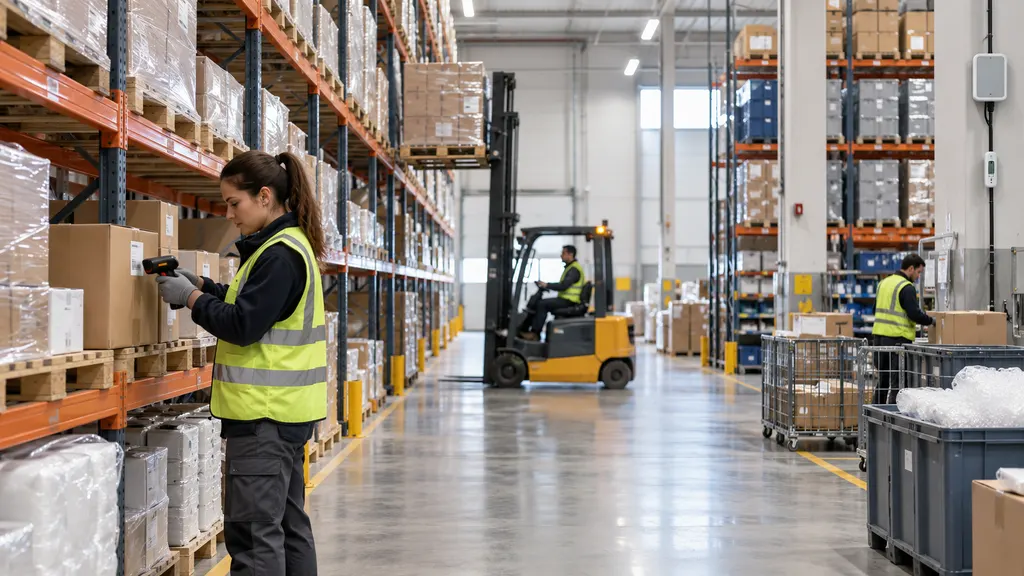
- Put-away: assigning goods to a storage location and placing them there.
- Location control: recording where goods are held and, where relevant, their lot, batch, serial number, expiry date, or ownership status.
- Condition control: protecting goods from damage, contamination, temperature deviation, theft, moisture, or other applicable risks.
- Replenishment: moving stock from reserve locations to a picking or forward location when needed.
- Retrieval: removing goods for order fulfillment, production, transfer, inspection, or return processing.
- Stock verification: comparing physical inventory with system records through counting, scanning, or investigation of discrepancies.
The exact controls depend on the goods. Food, pharmaceuticals, chemicals, batteries, fragile products, high-value items, and temperature-sensitive products can require different handling, separation, monitoring, and documentation. A storage area should therefore be designed around product characteristics and operational risks rather than treated as interchangeable space.
Storage in Ecommerce
In ecommerce, storage supports the period between inventory receipt and customer order fulfillment. A seller may store goods in its own facility, a third-party logistics facility, a marketplace fulfillment network, or another contracted location. When an order is placed, the storage record helps the operator identify the correct item, quantity, location, and status before picking and packing begin.
Storage also affects the accuracy of ecommerce stock information. If goods are received but not recorded correctly, placed in an unregistered location, damaged without a status update, or allocated to the wrong sales channel, the online availability shown to customers may not match physical inventory. For this reason, storage is closely connected with warehouse management systems, stock keeping units, barcode or radio-frequency identification processes, order management, and returns processing.
For cross-border ecommerce, inventory may be held in the exporting country, the destination market, a transit location, or a customs-controlled facility. The location can affect the point at which goods are prepared for domestic delivery, the documents required for movement, and the treatment of goods that have not yet been released by customs. These consequences depend on the applicable law, customs procedure, ownership arrangement, and commercial transaction.
Common Storage Arrangements
The following are practical descriptions of storage arrangements used in logistics. They are not a single universal classification system; the same facility may fit more than one description.
| Arrangement | Meaning | Typical use | Important control |
|---|---|---|---|
| Warehouse storage | Goods are held in a facility designed for receiving, organizing, protecting, and retrieving inventory. | Finished goods, spare parts, packaging, or ecommerce stock. | Location records, access control, stock accuracy, and safe handling. |
| Reserve storage | Stock is kept in a less accessible area until it is needed to replenish an operating or picking area. | Additional inventory that is not required for immediate order picking. | Replenishment rules and clear separation from active picking stock. |
| Forward storage | Stock is positioned close to the picking or dispatch process. | Items selected frequently for customer orders. | Fast replenishment and accurate quantity records. |
| Temperature-controlled storage | Goods are held within specified environmental conditions. | Products whose quality or safety can be affected by temperature. | Monitoring, alarms where applicable, documented procedures, and contingency planning. |
| Bonded or customs-controlled storage | Imported goods are held under a customs procedure or other legally controlled arrangement. | Goods awaiting a permitted customs treatment or release. | Customs records, authorization conditions, and compliance with local rules. |
| Transit or temporary holding | Goods are held for a limited operational period during transfer, consolidation, inspection, or dispatch preparation. | Cross-docking, transfer points, ports, and parcel processing facilities. | Dwell-time visibility, identification, and handover records. |
| Returns storage | Returned goods are held while they are inspected, graded, repaired, restocked, recycled, or otherwise processed. | Ecommerce returns and reverse logistics. | Return status, condition assessment, disposition, and segregation from sellable stock. |
How Storage Works
- Planning the requirement: The operator considers product dimensions, weight, handling needs, expected stock levels, order frequency, access requirements, and relevant legal or safety conditions.
- Receiving and identification: Incoming goods are checked and identified using information such as an item code, description, quantity, batch number, serial number, or expiry date when applicable.
- Assigning a location: The system or operator selects a location based on available space, product compatibility, handling requirements, and the intended workflow. The location should be recorded consistently.
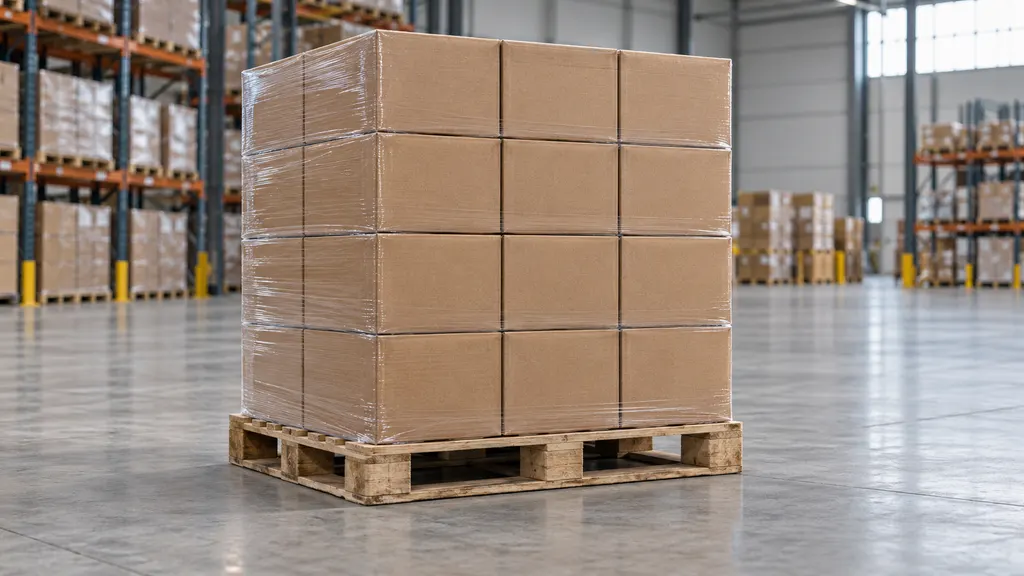
- Placing and protecting the goods: Goods are put away using suitable equipment and packaging. Storage may involve shelves, racks, bins, pallets, cages, cabinets, tanks, or specialized equipment, depending on the product.
- Maintaining records: Inventory records are updated when goods are received, moved, reserved, picked, damaged, returned, adjusted, or released. A physical location alone is not a complete storage record if the stock status is unknown.
- Monitoring and verification: Operators inspect conditions and investigate discrepancies. Cycle counts, periodic counts, scanning, and system reconciliation can be used according to the operation's control procedures.
- Releasing stock: When an order or internal requirement is ready, the appropriate goods are selected and transferred to picking, packing, production, dispatch, or another authorized process.
Storage decisions often involve trade-offs. Placing goods close to the dispatch area may reduce handling time but can require more frequent replenishment. Storing more units in one location may use space efficiently but can make access or counting more difficult. A high-density arrangement may increase capacity while reducing accessibility. The suitable choice depends on the product, order profile, facility design, equipment, labor, and required control level.
Storage and Related Terms
| Term | Relationship to storage | Key distinction |
|---|---|---|
| Inventory | The stock of goods or materials held or controlled by an organization. | Inventory describes the stock; storage describes the act, condition, or place of holding it. |
| Warehouse | A facility or building used to store and handle goods. | A warehouse is a place or operational facility, while storage is the broader activity or state. |
| Fulfillment | The process of preparing and completing an order for delivery. | Storage supports fulfillment but does not by itself include picking, packing, dispatch, or delivery. |
| Stockholding | The practice of keeping goods available for future use or sale. | Stockholding emphasizes the decision or condition of retaining stock; storage emphasizes its physical control. |
| Staging | The temporary positioning of goods before a next step. | Staging is usually linked to an imminent movement or process, whereas storage may be longer-term or routine. |
| Warehousing | The broader operation of receiving, storing, controlling, and moving goods within a facility. | Storage is one component of warehousing. |
Common Misunderstandings
Storage does not mean permanent holding. Goods may remain in storage briefly or for an extended period. The appropriate duration depends on the supply chain process and the reason the goods are being held.
Storage is not simply unused space. Effective storage requires identification, location control, protection, access rules, and an accurate status for the goods. A product placed in a building without reliable records may be physically present but operationally difficult to use.
A storage location does not automatically mean goods are available for sale. Stock can be reserved, damaged, quarantined, under inspection, awaiting customs treatment, allocated to another customer, or returned. Availability depends on the stock status and applicable business or legal controls.
Storage and warehousing are related but not identical terms. Warehousing usually covers a wider set of facility activities, while storage focuses on holding and controlling goods. In everyday business language, however, the terms may sometimes be used interchangeably.
Storage does not replace inventory planning. More storage space does not necessarily solve excess inventory, inaccurate forecasts, poor replenishment, or slow-moving stock. Those issues require broader inventory and supply chain decisions.
Why Storage Matters in Cross-Border Commerce
Cross-border sellers use storage to position goods before the final delivery stage and to separate inventory from individual transport movements. A shipment may arrive at a facility before it is divided into customer orders, or returned goods may be held while their condition and next destination are determined. Storage can therefore connect international transportation with domestic fulfillment and reverse logistics.
Storage also creates points where records must remain consistent. Product descriptions, quantities, ownership information, shipment references, customs status, and destination instructions may need to be reconciled as goods move between parties. When the legal treatment of goods differs from their physical location, operators must rely on the applicable customs and commercial documentation rather than assuming that physical possession alone determines status.
For practical control, an organization can ask whether each stored item has a known identity, location, quantity, condition, ownership or allocation status, and next permitted action. These checks help distinguish usable inventory from stock that requires investigation or a separate process.
QA
What does storage mean in logistics?
Storage in logistics is the planned holding and control of goods at a location until they are needed for fulfillment, production, transfer, delivery, return processing, or another authorized purpose.
What is the difference between storage and warehousing?
Storage is the activity or condition of holding goods. Warehousing is a broader operation that can include receiving, put-away, storage, picking, packing, stock control, and dispatch.
Does storage mean that inventory is available for sale?
No. Stored inventory may be reserved, damaged, quarantined, awaiting inspection, under customs control, or otherwise unavailable. Availability depends on its recorded status and applicable requirements.
How is storage used in ecommerce?
Ecommerce storage keeps goods organized and identifiable between receipt and order fulfillment. It supports accurate stock records, picking, packing, dispatch, and the processing of returned goods.
Sources
- Encyclopaedia Britannica: Warehouse — reference background on warehouses and their role in holding and handling goods.
- U.S. Occupational Safety and Health Administration: Warehousing — workplace safety and operational context relevant to warehouse storage.
- European Commission: Customs Warehousing — official customs context for goods held under a customs storage procedure.