Logistics Park
What Is a Logistics Park?
A logistics park is a planned area that brings together logistics facilities and related transport activities, such as warehousing, freight handling, distribution, and value-added services. It serves as an interface between different parts of the supply chain and may support road, rail, inland waterway, air, or maritime transport, depending on its location and design.
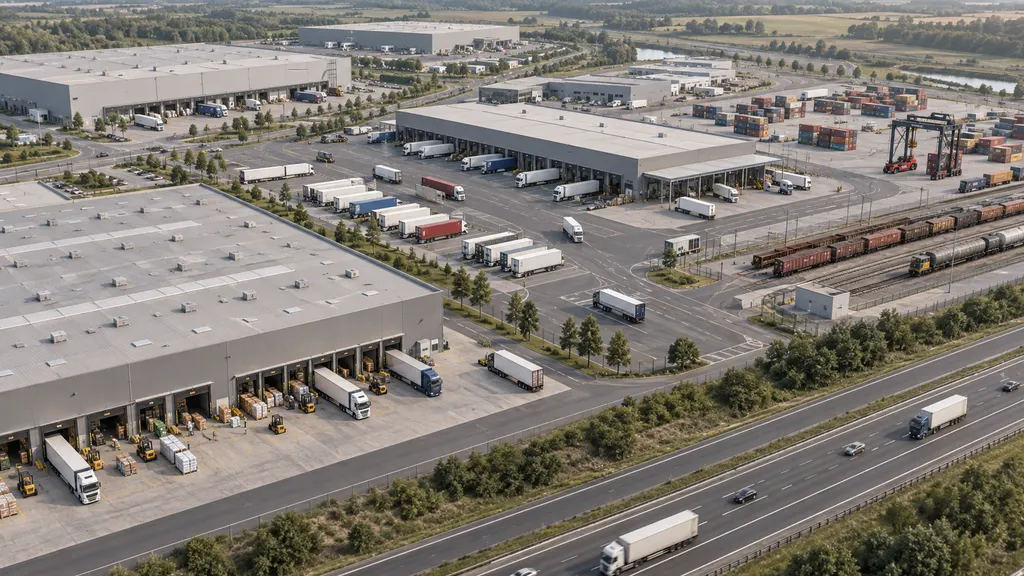
The term is used mainly in logistics, supply chain management, ecommerce fulfillment, freight transport, and cross-border trade. A logistics park can contain multiple independently operated facilities rather than functioning as a single warehouse or distribution center.
Role in the Supply Chain
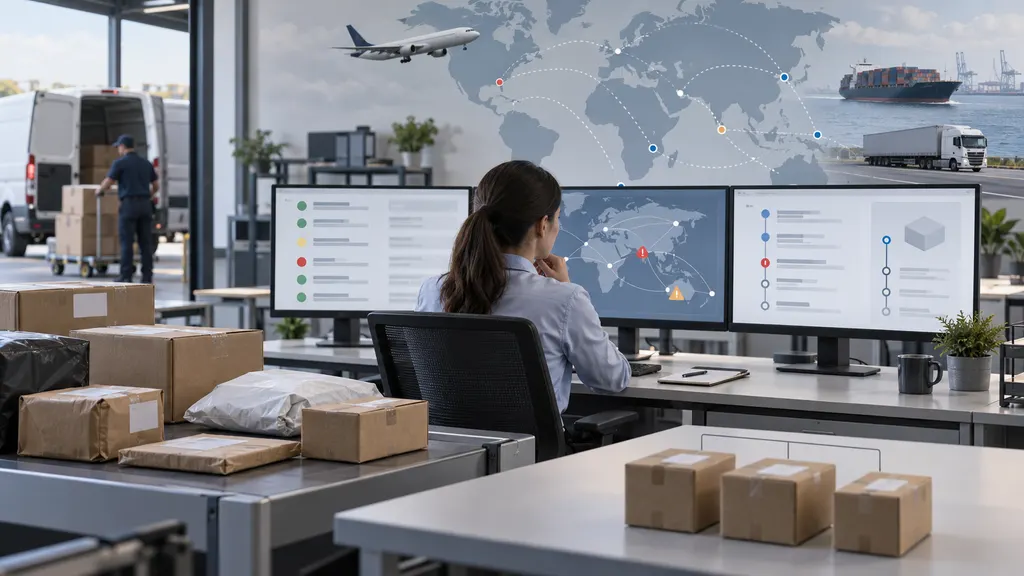
A logistics park is a physical node in a supply network. Goods may arrive from manufacturers, ports, airports, or other distribution facilities; be unloaded, stored, consolidated, sorted, processed, or transferred; and then move to wholesalers, retailers, fulfillment centers, businesses, or final customers.
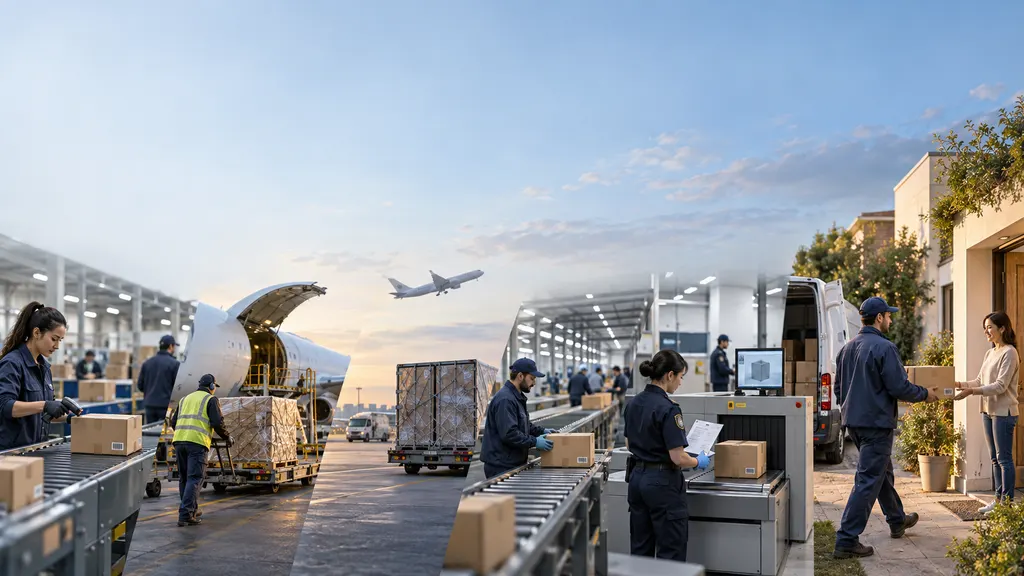
Some logistics parks are located near ports, airports, rail terminals, highways, or border crossings. This location can support the transfer of cargo between transport modes and may reduce the need for separate transport and handling arrangements. The specific services available depend on the park's operators, infrastructure, and regulatory environment.
Typical Facilities and Activities
There is no single worldwide design that applies to every logistics park. Common facilities and activities may include:
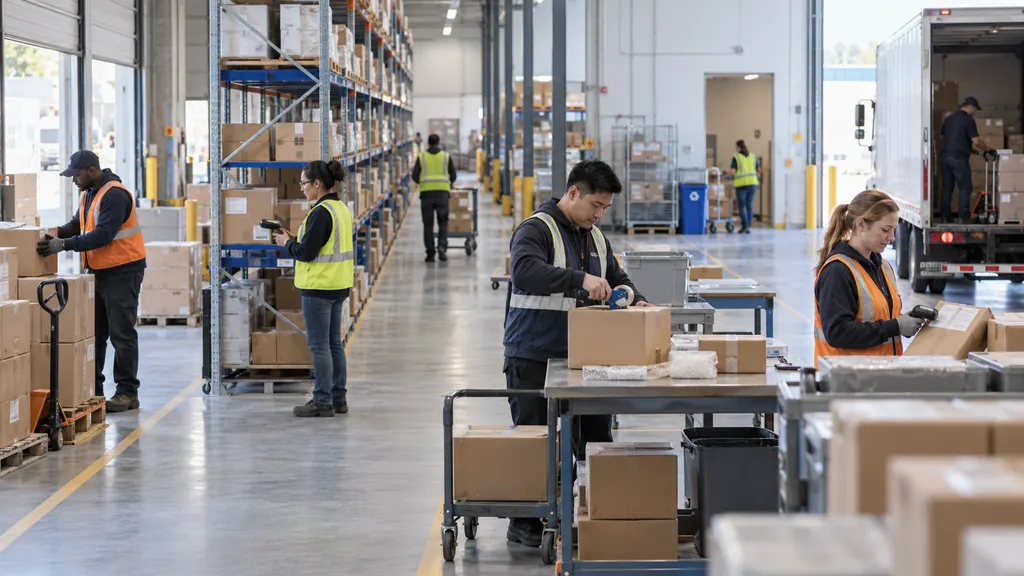
- Warehouses: Buildings used to receive, hold, organize, and dispatch inventory.
- Distribution facilities: Sites where goods are sorted, consolidated, or allocated to delivery routes.
- Freight terminals: Facilities for transferring cargo between vehicles or transport modes.
- Cross-docking areas: Spaces where incoming goods may be transferred to outbound vehicles with limited storage.
- Value-added logistics services: Activities such as labeling, packaging, kitting, or product preparation, where permitted.
- Customs-related facilities: Bonded or controlled areas and customs-processing services may be present where authorized by the relevant authority.
- Transport and support services: Offices, vehicle facilities, freight-forwarding operations, and other services connected with cargo movement.
These features should not be assumed to exist in every logistics park. The phrase describes a planned logistics area, not a mandatory list of buildings or services.
How a Logistics Park Is Used
- Inbound movement: Goods arrive from a supplier, port, airport, manufacturing site, or another logistics node.
- Reception and handling: Cargo is unloaded, checked, sorted, and assigned to an appropriate facility or process.
- Storage or transfer: Goods may be stored, consolidated, cross-docked, or transferred to another transport mode.
- Processing: Operators may perform permitted activities such as labeling, packing, customs processing, or order preparation.
- Outbound distribution: Goods leave the park for a retailer, business customer, fulfillment location, local distribution point, or final recipient.
In ecommerce, a merchant or logistics provider may use a facility inside a logistics park to hold inventory, process orders, and hand parcels to a carrier. In cross-border ecommerce, the park may also connect international transport, customs procedures, and domestic delivery, although customs handling is not an automatic feature of every site.
Logistics Park Compared with Related Facilities
| Term | Meaning | Typical Function |
|---|---|---|
| Logistics park | A planned area containing multiple logistics facilities or related transport activities | Coordinates storage, handling, distribution, and sometimes multimodal transport |
| Warehouse | A building or facility used primarily to store and handle goods | Receives, stores, organizes, and dispatches inventory |
| Fulfillment center | A facility designed to process customer orders and prepare them for shipment | Links inventory management with order picking, packing, and carrier handover |
| Freight terminal | A facility for transferring or consolidating freight | Supports cargo interchange between vehicles, routes, or transport modes |
| Industrial park | A planned area primarily intended for manufacturing or industrial activities | Hosts production and industrial operations, which may include logistics as a supporting function |
A logistics park may contain warehouses, fulfillment centers, and freight terminals, but it is broader than any one of those facilities.
Importance in Ecommerce and Cross-Border Logistics
For ecommerce operations, a logistics park can provide access to shared transport connections, storage capacity, order-processing facilities, and carrier services. A business may use one facility for inventory storage and another for parcel processing, even when both are located within the same park.
For cross-border shipments, a logistics park may be positioned near a gateway such as a seaport, airport, rail connection, or border crossing. This can make it a location where international cargo is transferred into domestic distribution networks. The actual customs status, documentation requirements, and responsibility for clearance depend on the applicable laws and the specific facilities involved.
Common Misunderstandings
- A logistics park is not necessarily one company. It may contain facilities operated by different warehouse operators, carriers, freight forwarders, and other service providers.
- A logistics park is not the same as a fulfillment center. A fulfillment center focuses on order processing, while a logistics park is an area that can contain several types of logistics facilities.
- Every logistics park is not automatically a customs zone. Customs treatment depends on the site's authorization and the rules of the relevant jurisdiction.
- The term does not guarantee multimodal transport. Some parks connect several transport modes, while others mainly support road-based distribution.
Related Terms
Related concepts include distribution center, fulfillment center, freight terminal, intermodal terminal, warehouse, free trade zone, inland port, and 3PL facility. These terms describe different facility types or regulatory arrangements and should not be treated as exact synonyms for logistics park.
QA
What is a logistics park in logistics?
A logistics park is a planned area where warehousing, freight handling, distribution, and related logistics services are located or coordinated.
Is a logistics park the same as a warehouse?
No. A warehouse is an individual storage and handling facility, while a logistics park is a broader area that may contain multiple warehouses and other logistics facilities.
What is the difference between a logistics park and a fulfillment center?
A fulfillment center processes customer orders, including picking and packing. A logistics park is a wider logistics area that may contain fulfillment centers, warehouses, terminals, and other operations.
Are logistics parks used in cross-border ecommerce?
Yes. A logistics park may connect international transport, cargo handling, customs-related processes, and domestic distribution, subject to the facilities and regulations at that location.
Sources
- European Commission: Logistics and Multimodal Transport — background on logistics networks, freight transport, and multimodal operations.
- United Nations ESCAP: Transport — regional transport and logistics infrastructure context.
- World Customs Organization: Trade Facilitation — customs and cross-border trade facilitation context.