How to Track Delayed, Lost, or Stolen Packages across International Carriers
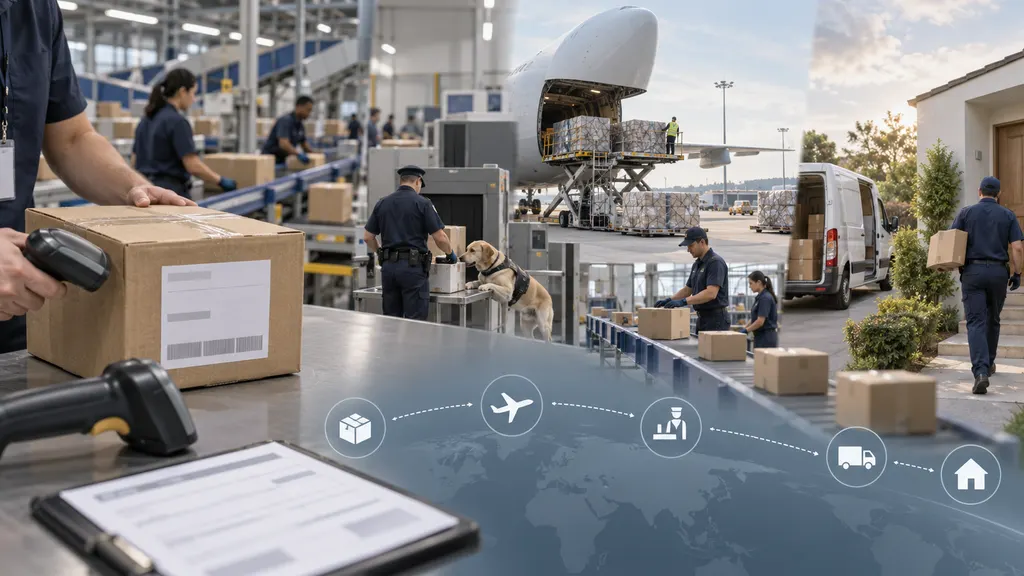
To track a delayed, lost, or potentially stolen international package, first confirm the tracking number and the last carrier scan, then check the destination carrier’s tracking system, customs information, delivery evidence, and claim procedure. A third-party tracker such as 17TRACK can help consolidate updates from multiple carriers, but only the responsible carrier, postal operator, seller, or sender can usually investigate a delivery failure or approve compensation.
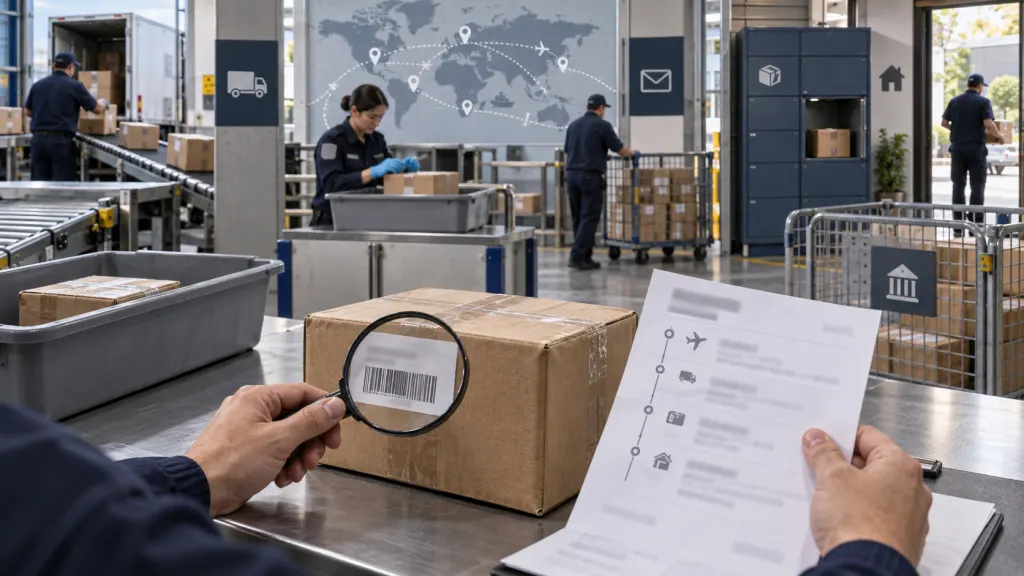
International shipments can change carriers, tracking numbers, and service standards as they cross borders. A missing update does not automatically mean that a parcel is lost, and a delivery scan does not always prove that the intended recipient personally received it. The practical response depends on the latest verified event and on who purchased the shipping service.
Start with the last confirmed tracking event
Before contacting anyone, record the most recent scan, its location, and the date and time shown in the tracking history. This helps separate a transit delay from a delivery problem.
- Label created or shipment information received: The carrier may not have physically received the parcel yet. Ask the seller or sender to confirm handover.
- In transit or moving through a facility: The parcel may still be traveling, waiting for a connection, or undergoing an operational delay.
- Held by customs: Check whether duties, taxes, documents, or recipient information are required. Contact the seller or carrier before sending sensitive documents through an unofficial channel.
- Arrived in the destination country: Look for the local postal operator or delivery company. The original carrier may not display every local scan.
- Out for delivery: Check the delivery date, address, delivery instructions, and any safe-place or signature details.
- Delivered but not received: Verify the delivery location, ask household members or building staff, and contact the carrier promptly if the parcel cannot be found.
- No movement for an unusually long period: Compare the delay with the service estimate, then ask the sender to start an inquiry or claim if the carrier’s procedure allows it.
Use a multi-carrier tracker, then verify with the carrier
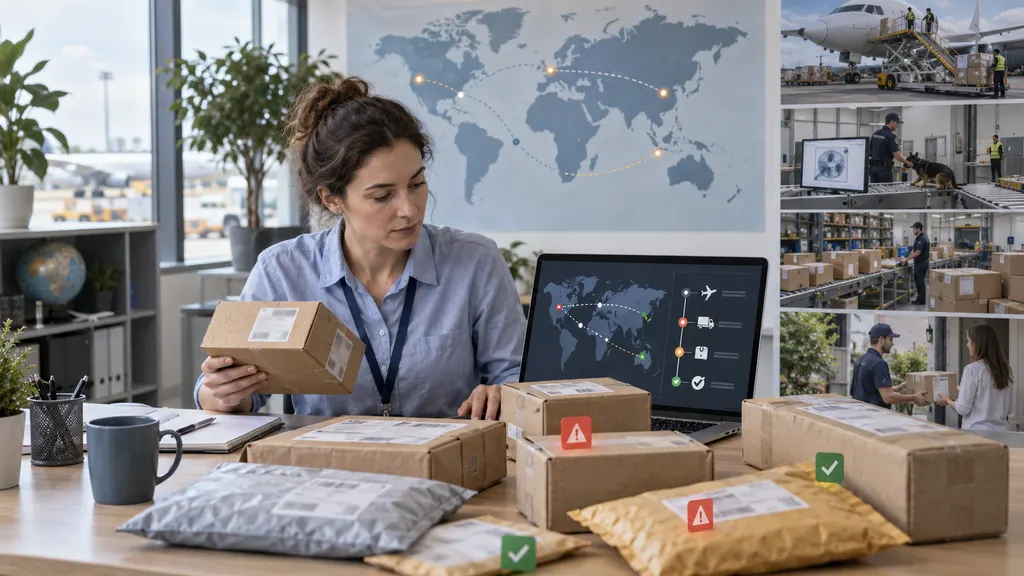
When a shipment passes between international carriers, tracking information may be split across several systems. Entering the number into 17TRACK can provide a consolidated view and may help identify the carrier handling the latest leg. Its tracking page is useful for checking whether a new scan has appeared under another carrier or postal operator.
Use the official carrier page as the final reference for delivery proof, customs requests, service exceptions, and claims. A tracking aggregator displays information supplied by carriers; it does not replace the carrier’s investigation process or change the carrier’s delivery record.
What to do when an international package is delayed
- Check the service commitment. Distinguish a guaranteed delivery commitment from an estimated transit time. International estimates can be affected by customs, handoffs, weather, security checks, and incomplete address information.
- Check for a new local tracking number. Some postal and last-mile operators use a different identifier after import. The seller, original carrier, or destination postal operator may be able to provide it.
- Check customs and import requirements. Look for messages about duties, restricted goods, missing paperwork, or an attempted contact with the recipient.
- Contact the sender or seller. The sender is often the party that purchased the service and can request a carrier investigation. The exact rule depends on the carrier, service, and country.
- Keep the case open until movement resumes or the carrier confirms the outcome. Save screenshots, emails, order details, and any customs or delivery notices.
A short gap between scans is not, by itself, proof of loss. If the carrier’s published inquiry window or the seller’s promised delivery window has passed, ask for a formal investigation rather than relying only on repeated tracking checks.
What to do when a package may be lost
Ask the seller or sender to open a missing-package inquiry with the carrier. Some carriers permit recipients to begin a request, while others require the account holder, shipper, or authorized party to do so. The carrier’s official claims or help page determines who is eligible.
Prepare the information that an investigation may require:
- Tracking number and shipment date
- Sender and recipient names and addresses
- Contents and approximate value
- Invoice, order confirmation, or proof of purchase
- Photos of the parcel or packaging, if available
- Customs documents and correspondence
- Any delivery notice, signature record, or safe-place information
Do not describe a parcel as stolen unless the available evidence supports that conclusion. “Lost,” “misdelivered,” “delivered but not received,” and “suspected theft” are different situations and may trigger different procedures.
What to do when tracking says delivered but you do not have the package
- Check the full address, delivery timestamp, photo, signature, and stated delivery location.
- Look around entrances, mailrooms, parcel lockers, reception desks, and other authorized safe places.
- Ask household members, neighbors, building management, or a workplace mailroom whether they accepted it.
- Contact the delivery carrier and report a possible misdelivery. Request the carrier’s delivery details or proof of delivery where available.
- Notify the seller or sender immediately. Ask them to coordinate the carrier investigation and explain the available replacement, refund, or insurance process.
A delivered scan is important evidence, but it may still be wrong, incomplete, or associated with a neighboring address. The carrier and seller should determine what happened rather than assuming that the recipient caused the loss.
What to do if a package may have been stolen
First establish whether the parcel was actually delivered and where. If delivery evidence indicates that it was left at an exposed location, report the issue to the carrier and seller. If there are signs of theft, preserve delivery photos, camera footage, messages, and any incident report. Follow local law-enforcement guidance when appropriate, particularly for high-value goods or repeated theft.
Do not provide payment details or identity documents to a person who contacts you unexpectedly claiming to be a carrier. Use the carrier’s official website or the seller’s verified support channel. Insurance, declared-value protection, and retailer remedies vary by shipment and jurisdiction, so avoid assuming that a carrier will automatically reimburse the full purchase price.
How to contact the right party
| Situation | First contact | Useful request |
|---|---|---|
| No carrier acceptance scan | Seller or sender | Confirm handover and shipment status |
| Customs hold or document request | Carrier and seller | Identify the missing action, fee, or document |
| Transit delay | Carrier or sender | Ask whether an inquiry can be opened |
| Delivered but missing | Carrier and seller | Request delivery evidence and misdelivery investigation |
| Damaged or opened parcel | Seller, carrier, and insurer if applicable | Report condition and preserve packaging |
For online purchases, contact the seller even when the carrier asks you to speak with them first. The seller may control the shipping account, claim, replacement, refund, or marketplace dispute process.
Carrier-specific starting points
Carrier procedures differ by country and service. These official pages are useful starting points, not a substitute for checking the rules attached to the specific shipment.
- USPS: The Missing Mail service explains how to submit a search request for eligible mail.
- UPS: The UPS claims page provides the carrier’s process for starting and managing a claim.
- FedEx: FedEx provides claim guidance through its official claims page.
- DHL: Start with DHL’s official tracking page, then use the relevant country site or customer-service channel for an investigation.
- Royal Mail: UK shipments can be checked through Royal Mail’s lost-items guidance, subject to the service and eligibility requirements.
How to prevent future international delivery problems
- Use the recipient’s full address, postal code, phone number, and any required apartment or access information.
- Choose a service with tracking and, when appropriate, signature confirmation or declared-value protection.
- Keep the order confirmation, tracking number, customs paperwork, and carrier messages in one place.
- Set delivery instructions only through an official carrier or retailer channel.
- For recurring shipments, use a multi-carrier tracking workflow so exceptions and handoffs are visible in one place.
The most reliable workflow is simple: identify the last verified event, check the official carrier record, involve the sender early, and preserve evidence. Multi-carrier tracking can improve visibility, but resolution still depends on the carrier’s investigation rules, the seller’s obligations, and the facts of the shipment.
FAQ
How long should I wait before reporting an international package as lost?
There is no universal waiting period. Compare the shipment’s service commitment or delivery estimate with the latest scan, then check the carrier’s missing-mail or claims window. If the shipment is materially overdue or has no movement after the carrier’s stated inquiry threshold, ask the sender to begin an investigation.
Can 17TRACK find a package that the carrier cannot find?
17TRACK can consolidate tracking events supplied by carriers and may help identify a local carrier or a new scan. It cannot create a scan, locate an untracked parcel, or decide a claim. For a missing or disputed delivery, contact the responsible carrier and the seller or sender.
Who should file the claim: the buyer or the seller?
It depends on the carrier and shipping account. The sender or account holder is often the party authorized to open a claim, while some services allow the recipient to submit an inquiry. Contact the seller promptly and follow the carrier’s official instructions.
Does “delivered” prove that I received the package?
No. It records the carrier’s delivery event, but the parcel may have been left in an unexpected location, delivered to a neighbor, or misdelivered. Check the proof of delivery and report the issue to both the carrier and seller.
Should I contact customs about a delayed parcel?
Usually, begin with the carrier or seller because they can identify the specific customs action or document request. Use only official contact channels and do not pay an unexpected fee without verifying the request.