How to Ship Clothes to Another State: Big Boxes, Costs, and Carrier Options
To ship clothes to another state, first decide whether the shipment is a few bags, one or two large cartons, or a pallet-sized load. Small and medium boxes are usually suitable for parcel carriers, while several oversized boxes may be cheaper or safer to move as freight. Your total cost depends less on the clothing itself than on the package’s weight, dimensions, origin, destination, delivery speed, and whether you add services such as insurance or signature confirmation.

The most reliable approach is to sort the clothes, choose packaging that limits empty space, measure the finished package, and compare carrier quotes using the same shipment details. Do not estimate a large box as “light” simply because it contains clothing: carriers may use dimensional weight, which can make a bulky carton more expensive than its scale weight suggests.
Choose the shipping method before packing
The number of cartons and the size of each carton usually determine the right service more than the total number of garments. Use the following as a starting point, then confirm the carrier’s current rules and quote.
| Shipment situation | Usually suitable | Main consideration |
|---|---|---|
| A few garments or one small carton | Postal or parcel service | Compare the package’s actual and dimensional weight. |
| Several standard cartons | Parcel carrier or postal service | Compare the total price, pickup convenience, and tracking for every box. |
| Very large or heavy cartons | Parcel carrier, subject to limits, or freight | Oversize rules and handling charges can change the economics. |
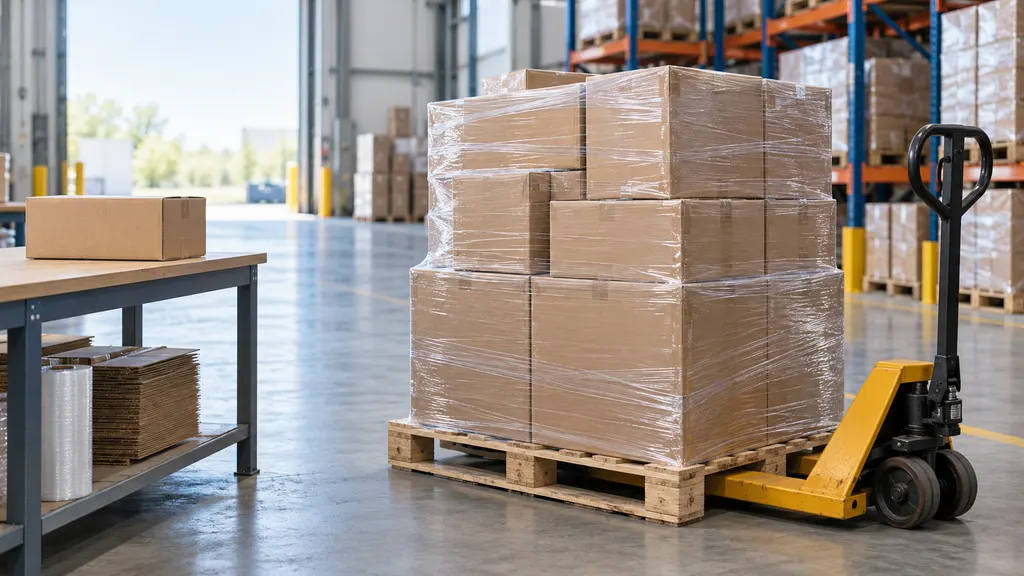
| Many cartons or a palletized shipment | LTL freight or a moving service | Request a freight quote and confirm pickup equipment and delivery conditions. |
Parcel shipping is generally simpler when each box can be handled individually and delivered to a normal residential or commercial address. Freight becomes more relevant when the shipment is too large for practical parcel handling, when multiple cartons need to move together, or when the sender wants a palletized load. Freight is not automatically cheaper; residential delivery, liftgate service, limited-access locations, and appointment requirements can add charges.
How to pack clothes in a big box
Clothing is relatively easy to pack, but a large carton can fail when it is underfilled, overloaded, or exposed to moisture. Use a new, rigid corrugated box when possible. A previously used box may be acceptable if it is dry and structurally sound, but remove old labels and inspect all seams before use.
- Sort and inventory the contents. Separate clean, dry clothing from shoes, accessories, and fragile items. Make a simple list of what is in each carton, especially if the shipment is part of a move, a return, or an ecommerce fulfillment process.
- Protect against moisture. Place clothing in sealed bags or plastic liners, but do not rely on a thin shopping bag as the primary packaging. Moisture protection helps if the outer carton is exposed to rain or condensation; it does not make the package waterproof.
- Distribute the weight. Put heavier folded items at the bottom and lighter items on top. Avoid packing one carton so tightly that its seams bulge. If the box is difficult to lift safely, divide the contents into two cartons.
- Fill empty space. Use clean packing paper, air pillows, or another suitable void filler so the contents do not shift. Do not use loose filler that can damage garments, stain fabric, or escape through an opening.
- Seal every seam. Apply pressure-sensitive shipping tape across the center seam and the edge seams. Reinforce the bottom of a heavy carton before adding the contents.
- Label clearly. Place the shipping label on the largest flat surface and remove or cover old barcodes. Add the recipient’s phone number when the selected carrier or service allows it, but do not place sensitive personal information on the outside unnecessarily.
For expensive garments, use individual garment bags or inner cartons and photograph the contents before sealing. This creates a basic packing record. It does not replace carrier insurance, declared-value rules, or proof of loss, and it cannot guarantee a claim outcome.
How shipping costs are calculated
Before buying a label, record the package’s length, width, height, and actual weight after packing. Carriers may compare actual weight with dimensional weight and charge according to the applicable billable figure. The dimensional-weight divisor and rounding rules vary by carrier, service, and account arrangement, so use the carrier’s current calculator rather than applying an old formula from a blog post.
For a shipment with several boxes, calculate each carton separately. A single oversized box may cost more than two smaller boxes if it crosses a size threshold, attracts an additional handling charge, or produces a high dimensional weight. On the other hand, splitting a shipment creates more labels and may increase the total base transportation charge. The correct choice is the one supported by an actual quote.
Important cost inputs include:
- Origin and destination: The distance and service zones used by the carrier affect the transportation charge.
- Package dimensions: Large, lightweight cartons can be priced by dimensional weight.
- Actual weight: Heavy boxes may trigger different service limits or charges.
- Delivery speed: Expedited services generally cost more than slower services.
- Address type: Residential, rural, limited-access, and commercial addresses may be treated differently.
- Additional services: Pickup, signature, declared value, weekend delivery, and special handling may affect the quote.
- Fuel and other adjustments: Carrier surcharges can change over time and may depend on the service or destination.
When comparing quotes, compare the final estimated total rather than only the advertised base rate. Confirm whether the quote includes pickup, delivery, fuel-related charges, residential fees, and any optional protection. A low base price may not be the lowest landed cost.
Parcel carriers versus freight services
Postal and parcel services
Postal services can be convenient for ordinary clothing cartons because they offer broad address coverage and familiar drop-off or delivery processes. Private parcel carriers may offer scheduled pickup, detailed shipment events, and service options designed for residential or business deliveries. The best choice depends on the package measurements, destination, delivery deadline, and the services available for that specific address.
Do not assume that one carrier is always cheapest. A postal service may be attractive for a compact carton, while a private carrier may produce a better quote for a different size or origin. Enter identical measurements and weights into each official calculator, and check whether the quoted service accepts the package’s dimensions.
LTL freight
Less-than-truckload freight is intended for shipments that share trailer space with other freight rather than occupying an entire truck. Clothes can move as freight, but the shipment normally needs stronger packaging and more detailed preparation. A pallet helps keep cartons together and reduces the chance that individual boxes become separated during handling.
Ask the freight provider how the shipment should be classified, whether a pallet is required, whether the pickup location has a loading dock, and whether the delivery location needs a liftgate or appointment. Give accurate dimensions and weight. An inaccurate description can lead to reclassification or additional charges. Freight delivery may also require more coordination than parcel delivery, so it is not ideal when the recipient needs a small package at a precise time.
Carrier tracking and delivery control
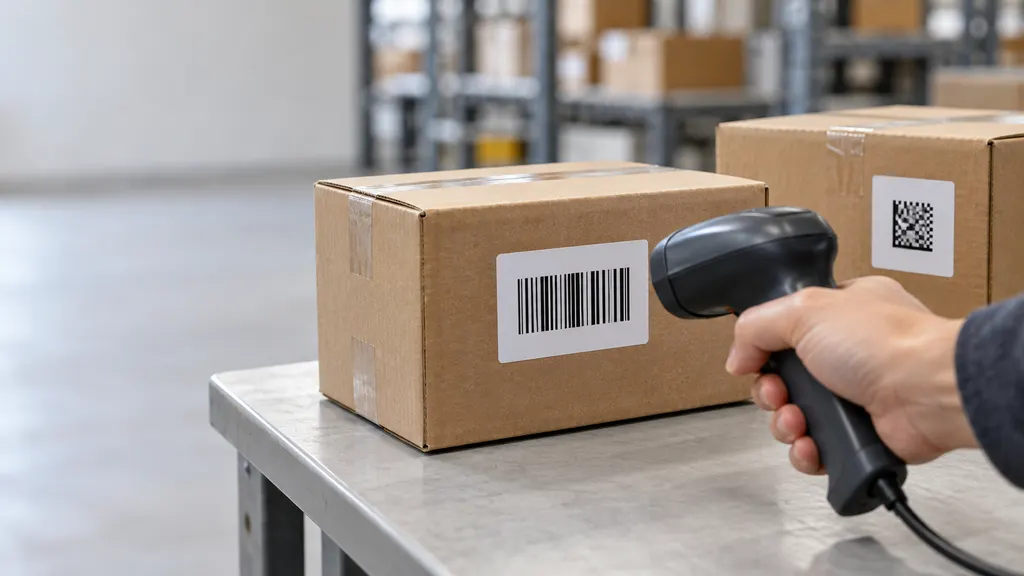
Assign every parcel its own label and tracking number. If clothes are split across several cartons, do not assume that the first delivered box means the shipment is complete. Save the tracking numbers in one place and tell the recipient how many packages to expect. This is particularly useful for a move, a store replenishment shipment, or an ecommerce order containing multiple cartons.
Tracking events are scans and operational updates, not a guarantee of a delivery time. A package can move between facilities without a new public scan, and a delivery estimate can change because of weather, address problems, or carrier network conditions. If the shipment appears stalled, verify the last event on the carrier’s official tracking page before contacting support. For business shipments, tracking data can also help identify whether a delay is caused by pickup, transit, an address issue, or the final delivery attempt.
When to insure clothing
Consider declared value or shipping protection when replacing the contents would be expensive or difficult. Keep receipts, photographs, an item list, and evidence of the package condition. Read the carrier’s terms before purchase because coverage can have exclusions, claim deadlines, documentation requirements, and limits for particular items. Carrier liability, declared value, and third-party insurance are not interchangeable.
For ordinary used clothing, the cost of protection may not be justified, but that decision should reflect the garments’ replacement value and sentimental importance. A carrier may not reimburse sentimental value, so irreplaceable items are often better transported personally rather than placed in a shipment.
A practical shipping checklist
- Count the cartons and write down each carton’s packed dimensions and weight.
- Use sturdy, dry packaging and protect clothing from moisture.
- Compare at least two official carrier quotes using identical information.
- Check oversize, maximum-weight, address, and pickup rules before payment.
- Decide whether delivery speed, protection, or the lowest total cost matters most.
- Keep receipts, labels, tracking numbers, photographs, and the contents list.
- Tell the recipient how many packages are in the shipment and when to expect them.
The simplest decision rule is straightforward: use parcel shipping for manageable cartons, split a bulky shipment when the quotes support it, and request freight pricing when the load is large enough to require palletization or coordinated handling. Measure first, quote second, and pack according to the carrier’s current requirements.
FAQ
Is it cheaper to ship clothes in one big box?
Not necessarily. One large box may have a high dimensional weight or incur an oversize charge. Two smaller boxes may cost less, but they also create additional labels and handling. Compare complete quotes using the final packed measurements.
Can I ship clothes in a suitcase?
A suitcase may be accepted by some services if it is properly protected and labeled, but the carrier may treat it differently from a standard carton. Check the selected carrier’s current packaging rules and consider placing the suitcase inside a shipping carton if its exterior could be damaged.
Should clothes be vacuum-sealed for shipping?
Vacuum-sealing can reduce volume for some garments, but it does not eliminate the need for a rigid outer carton. It may also compress or crease clothing. Use it only when the contents and packaging remain within the carrier’s size and weight requirements.
Is freight better for a cross-state move?
Freight may fit a large, palletized shipment, but it requires more coordination and may involve accessorial charges. For a few cartons, parcel shipping is usually easier to arrange. Request both types of quotes when the shipment size is near the boundary between them.
How should I track several boxes of clothing?
Save every tracking number and record which items are in each carton. Monitor the carrier’s official tracking results for each label, and tell the recipient the total number of packages so a partial delivery is not mistaken for completion.