How to Ship a Large Quantity of Books: Bulk Boxes, Freight, and Heavy Loads
To ship a large quantity of books, first divide the order into manageable cartons, then compare parcel shipping with palletized freight. Small and medium shipments may be practical in strong book cartons, while a large, dense order is often easier to handle on one or more pallets. The best method depends on the total weight, carton dimensions, delivery destination, required speed, and whether the receiver has a loading dock or forklift.

Books are unusually dense and can become difficult to lift long before a carton looks full. They also shift inside boxes, place concentrated pressure on seams, and can be damaged by moisture or rough handling. A reliable shipping plan therefore starts with packaging and handling limits, not simply with the number of books.
Choose parcel shipping or freight
There is no single quantity at which every book shipment should move by freight. The practical decision is based on the shipment’s handling profile.
Use parcel shipping when
- The order can be divided into cartons that are safe for one person or a normal parcel network to handle.
- The recipient has a standard business or residential delivery location.
- You need individual package-level tracking and delivery to a specific address.
- The shipment is distributed across several destinations rather than going to one consignee.
- A postal or parcel service offers a suitable rate for the books and the delivery time.
Parcel shipping can be convenient because each carton receives its own label and tracking record. It is often a reasonable choice for direct-to-consumer orders, school orders divided into smaller cartons, and moderate shipments that do not justify pallet preparation.
Use palletized freight when
- Many cartons are going to one destination.
- The total weight makes manual handling impractical.
- Cartons need to stay together during transportation.
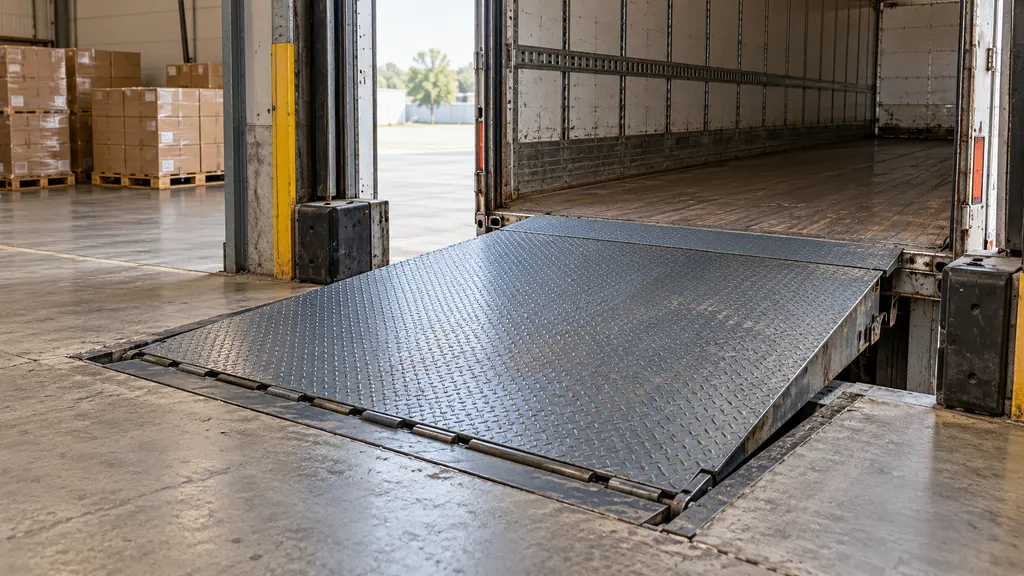
- The receiver can accept a freight delivery and provide suitable unloading access.
- You want to reduce the number of loose packages moving through a parcel network.
Freight is not automatically cheaper or faster. A freight quote may depend on the pallet dimensions, total weight, origin and destination, freight classification, delivery appointment requirements, residential service, liftgate service, and other accessorial charges. Ask the carrier or freight broker to identify which services are included before comparing quotes.
Estimate the shipment before buying packaging
Start with a simple packing worksheet. Record the number of books, the approximate weight of each book or book type, the number of cartons, the packed weight of each carton, and the outside dimensions of every carton. If the books vary significantly in size, measure representative groups instead of relying on one average.
For each carton, calculate:
- Net book weight: the weight of the books only.
- Packaging weight: the carton, void fill, tape, labels, and any inner protection.
- Gross shipping weight: the total packed weight shown on the shipping documentation.
- Outside dimensions: the length, width, and height after closing the carton.
Do not fill a box until its bottom, seams, and handles can tolerate the packed load. A carton that is technically large enough may still be unsuitable if the books make it too heavy to lift safely or cause the bottom to bow. Test one sample carton by sealing it, lifting it from the bottom, and checking whether the contents move or the seams separate.
Measure the loaded pallet as well as the cartons. The freight carrier needs the finished pallet’s footprint, height, and total weight. Include the pallet itself in the quoted shipment weight.
How to pack books in bulk cartons
Choose strong cartons with a practical weight limit
Use clean, dry corrugated cartons with enough strength for the book weight. Double-wall cartons may be appropriate for heavy loads, repeated handling, or long-distance transport, but the correct choice depends on the carton’s specifications and the packed weight. Avoid damaged, damp, or previously weakened cartons.
A box should be large enough to close without forcing the books, but not so large that the contents can move freely. Oversized cartons encourage void space and may collapse when stacked. Undersized cartons can place pressure on book corners, jackets, and bindings.
Control movement inside the box
Place books so their edges and covers are supported. A mixed carton may need a layer of paperboard or a divider between different sizes. Fill open spaces with suitable cushioning or paper-based void fill so books do not slide from side to side. Do not rely on loose fill alone to support a dense load; the books should remain stable when the carton is turned or gently moved.
For valuable, signed, collectible, or easily scuffed books, wrap or sleeve each item as needed and separate it from the outer carton with cushioning. Standard commercial books may need less individual protection, but the corners and dust jackets still benefit from reduced movement.
Seal and label the carton correctly
Use a strong packing tape and seal all major seams. For a heavy carton, apply tape across the bottom seam and reinforce the edges rather than using a single narrow strip. Place the shipping label on a flat surface, keep it away from seams, and remove or cover old labels and barcodes.
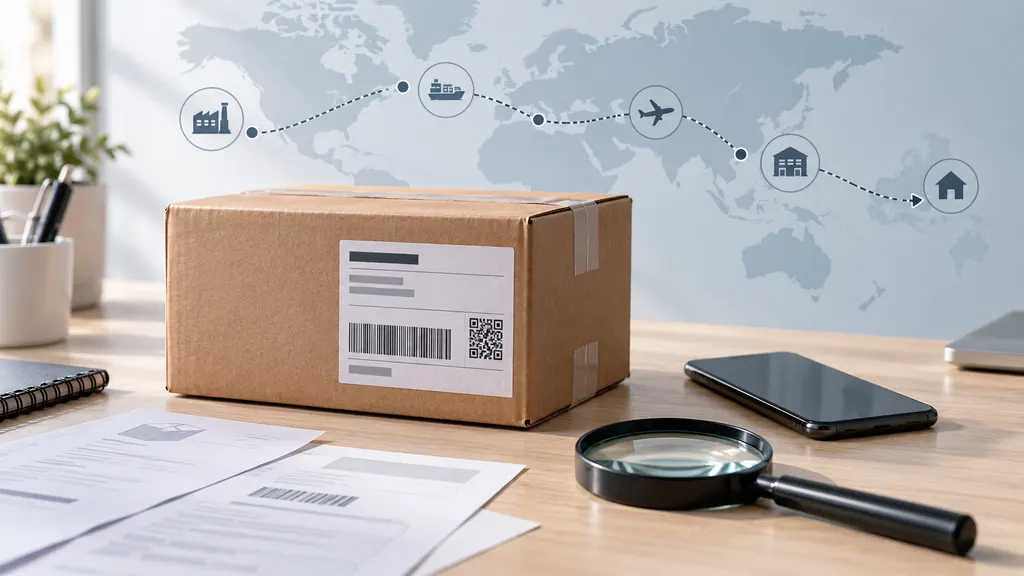
Mark cartons with a sequential identifier such as “1 of 12” and keep a packing list that maps each carton to its contents. This helps the recipient identify a missing carton and makes a partial delivery easier to investigate. A packing list should not replace the carrier label or tracking number.
When to use USPS Media Mail
For eligible domestic U.S. materials, USPS Media Mail can be worth checking when delivery speed is less important than a lower-cost media-specific service. The USPS Domestic Mail Manual describes the qualifying contents and service conditions, so eligibility should be confirmed before mailing a particular book order. Not every item packed with books automatically qualifies, and the service is not designed as a general-purpose method for unrelated merchandise.
USPS lists a maximum weight of 70 pounds for a Media Mail piece. That limit is a service limit, not a recommendation to pack a carton to the maximum. A lighter carton may be safer for employees, customers, and delivery handling. Media Mail is also subject to inspection, and its delivery time is not the same as a guaranteed expedited service. See the current USPS rules before preparing a large mailing.
How to prepare books for palletized freight
For a large single-destination order, place sealed cartons on a sound pallet with a stable, square footprint. Keep the heaviest cartons low, distribute weight evenly, and avoid an overhanging load. Align cartons so the stack can resist side-to-side movement. If cartons have different strengths, place stronger cartons below lighter cartons.
Secure the load with stretch wrap, strapping, corner protection, or a combination appropriate to the shipment. Stretch wrap alone may not prevent a dense load from shifting during braking or transfers. Corner boards can help distribute strap pressure and protect carton edges. Attach the freight label and any handling instructions where they remain visible after wrapping.
Before collection, photograph the finished pallet from several sides. Record the pallet count, carton count, gross weight, dimensions, and visible condition. These records are useful if the carrier reports a shortage or if cartons arrive with crushed corners or water exposure.
Confirm delivery conditions
Ask the receiver whether the address is commercial or residential, whether a dock or forklift is available, and whether an appointment is required. If the receiver cannot unload a standard freight vehicle, ask about liftgate service before the shipment is booked. A missed appointment or unsuitable delivery location can create additional charges and delays.
Give the carrier accurate shipment details. Calling a shipment “books” is not enough for a freight quote; the carrier may need the number of pieces, packaging type, dimensions, weight, origin, destination, and any special delivery services. Keep the quoted details consistent with the actual pallet.
Compare quotes on the same shipment profile
Obtain parcel and freight quotes using identical information. A useful comparison includes the total cost, estimated transit time, pickup window, delivery appointment requirements, tracking visibility, insurance or declared-value terms, fuel or residential surcharges, liftgate charges, and claims procedure.
For parcel shipments, compare the cost of the complete carton set rather than the price of one box. Check whether the service uses actual weight, dimensional weight, or another rating method. For freight, compare the complete shipment rather than the base linehaul rate. A low headline rate may not include accessorial services required at delivery.
Do not split a shipment solely to make individual cartons look lighter. Splitting can improve handling, but it can also create more labels, more tracking records, more opportunities for a partial delivery, and a higher combined shipping cost. Use a carton plan that balances safe lifting, protection, and total landed cost.
Receiving, tracking, and claims control
Send the recipient a carton count and tracking information before delivery. Ask the receiver to count cartons and inspect visible damage before signing, following the carrier’s delivery and claims rules. If a pallet is wrapped, note whether the wrap appears broken or replaced. Keep photos, the packing list, shipping receipt, and delivery record together until the order is accepted.
For multi-carton orders, monitor every tracking number rather than treating the shipment as complete when the first carton arrives. A tracking platform can help consolidate events from different carriers, but tracking does not replace accurate carton numbering or a physical receiving check. If the order is sold through an online store, clear delivery updates can also reduce customer-service questions when cartons arrive separately.
A practical decision checklist
- Count the books and group them by size, weight, value, and destination.
- Build and weigh one representative carton.
- Set a safe internal carton weight based on handling conditions, not just available space.
- Estimate the number of cartons and record their packed dimensions.
- Request parcel and freight quotes when the order is large enough for both methods to be plausible.
- Confirm delivery access, appointment needs, residential status, and liftgate requirements.
- Choose strong cartons, stabilize the contents, and reinforce the bottom.
- Number cartons or pallets and keep a matching packing list.
- Photograph the finished shipment and save the quote and shipping documents.
- Track each package or pallet and inspect the delivery before closing the order.
FAQ
Is freight always better for a large book order?
No. Freight is often useful for a dense, single-destination shipment, but parcel shipping may be more practical when the cartons are manageable, the destination is residential, or the order is going to multiple addresses. Compare complete shipment costs and delivery requirements.
How heavy should a box of books be?
There is no universal safe weight for every carton, employee, or carrier. Use a weight that the people handling it can lift without losing control, and confirm any applicable carrier limits. A sample packed carton test is more useful than filling every box to its maximum volume.
Can books be shipped on a standard pallet?
Yes, books can be palletized when the cartons are stacked evenly and secured against movement. The finished pallet must be stable, protected from moisture as far as practical, and compatible with the carrier’s handling equipment and delivery conditions.
Does USPS Media Mail work for every book shipment?
No. Media Mail has eligibility rules and a stated piece-weight limit. Check the current USPS Domestic Mail Manual for qualifying contents and service conditions before using it for a bulk mailing.
What should I do if a multi-carton order arrives incomplete?
Compare the delivered cartons with the packing list, check each tracking record, photograph the shipment, and contact the carrier or shipping provider using the relevant tracking numbers. Do not assume that delivery of one carton means the entire order has been delivered.