Cheapest Way to Ship Books in the Us: Media Mail, Ground Advantage, or Priority
For eligible books shipped within the United States, USPS Media Mail is usually the cheapest option. USPS Ground Advantage is the better everyday choice when faster delivery, broader package eligibility, or included insurance matters. Priority Mail is generally the fastest of the three, but it usually costs more unless its flat-rate packaging fits your shipment especially well. The right service depends on the book’s eligibility, packed weight, destination, delivery promise, and the value of a predictable customer experience.
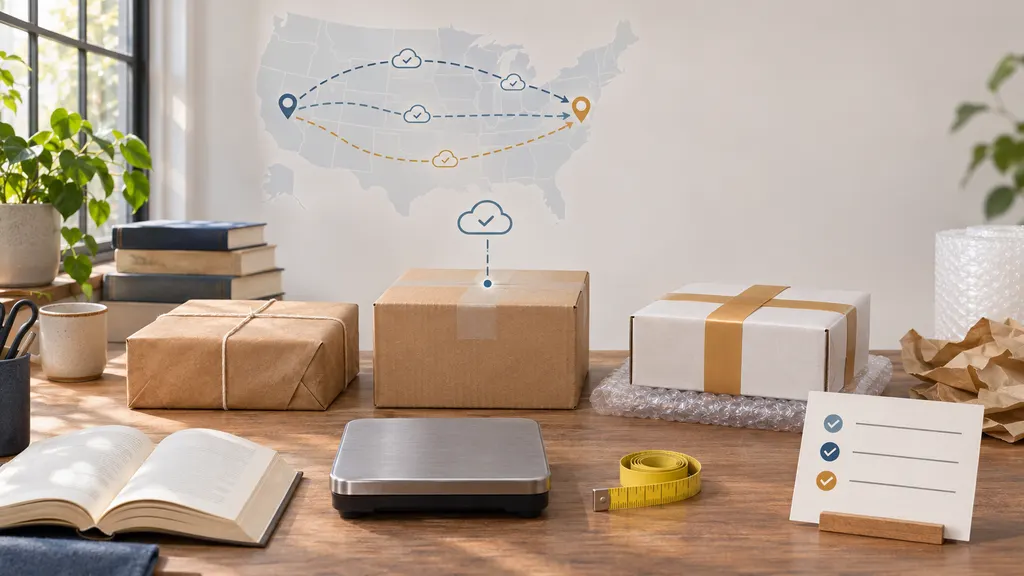
This guide is designed for individual sellers, bookstores, libraries, and ecommerce businesses choosing a domestic USPS service. Prices change with USPS rate updates and depend on package details, so use the current USPS postage calculator for a final quote rather than relying on a fixed price shown in an older article.
Quick comparison
| Service | Best use | Delivery positioning | Main limitation |
|---|---|---|---|
| Media Mail | Eligible books and other qualifying media where cost matters most | USPS states 2–8 business days | Strict content rules and slower service |
| Ground Advantage | Routine book shipments that need broader eligibility and a faster service | USPS states 2–5 business days | Usually costs more than Media Mail for qualifying books |
| Priority Mail | Time-sensitive orders or shipments that benefit from Priority packaging | USPS states 1–3 business days | Higher postage in many ordinary book-shipping situations |
The delivery ranges above are USPS service descriptions, not guaranteed arrival dates. Weather, peak periods, transportation issues, address problems, and local processing can affect actual delivery.
Media Mail: usually the lowest-cost choice for eligible books
Media Mail is a USPS service for qualifying educational and media items. Books, including books with advertising only incidental to their primary purpose, can generally qualify under USPS rules. The service also covers certain other media categories, but adding unrelated merchandise to a Media Mail package can make the shipment ineligible.
For a seller shipping a standard paperback, hardcover, textbook, or used book by itself, Media Mail is the first service to price. Its main economic advantage is that it is designed for qualifying media rather than general merchandise. The trade-off is speed: USPS lists a 2–8 business-day delivery window, and Media Mail is not intended for urgent orders.
When Media Mail is the right answer
- The package contains only qualifying media or items specifically permitted by USPS rules.
- The buyer accepts a slower, non-expedited delivery option.
- The book’s selling price or margin makes postage cost a major consideration.
- The seller can package the book securely without adding non-qualifying promotional items or merchandise.
Media Mail limitations to check
USPS reserves the right to inspect Media Mail packages to verify eligibility. A package that includes a mug, apparel, toy, unrelated gift, or other merchandise should not automatically be treated as Media Mail simply because a book is also inside. A seller that routinely bundles products should compare the cost of Ground Advantage with the risk of using a service that does not fit the contents.
Media Mail includes USPS Tracking according to USPS service information, but it does not provide the same included insurance position as Ground Advantage or Priority Mail. If a high-value or fragile book needs stronger protection, compare the total cost of the service, packaging, and optional insurance rather than looking only at the base postage.
Ground Advantage: the practical default for many book sellers
USPS Ground Advantage is a ground service for packages and merchandise. USPS describes delivery as 2–5 business days and includes USPS Tracking. The service also includes up to $100 of insurance for loss, damage, or missing merchandise for eligible domestic shipments, subject to USPS terms and exclusions.
Ground Advantage is often the better operational choice when an order contains more than an eligible book, when the seller wants a broader merchandise service, or when the buyer is paying for a more predictable delivery experience. It can also be useful when package weight, dimensions, or destination make the price gap from Media Mail relatively small.
For ecommerce fulfillment, Ground Advantage can simplify service selection. A store may use one general ground workflow for books, stationery, book-related accessories, and small merchandise instead of separating qualifying Media Mail orders from mixed-content orders. That convenience has value, especially when fulfillment staff process many orders or when shipping rules are configured in software.
Priority Mail: pay for speed or a better-fitting package
Priority Mail is intended for faster domestic delivery than the two ground-oriented options discussed here. USPS lists a 1–3 business-day delivery window and includes USPS Tracking. Eligible domestic Priority Mail shipments include up to $100 of insurance for merchandise, subject to the applicable USPS terms.
Priority Mail is usually not the cheapest way to ship an ordinary book when delivery speed is not important. It becomes more reasonable when a customer needs the book quickly, when a shipment is going to a distant destination, or when a Priority Mail Flat Rate box accommodates the packed order efficiently. Flat Rate pricing is based on the selected USPS-provided box or envelope rather than the normal weight-and-zone calculation, but the package must fit within the packaging rules and the current postage price must be checked.
Do not choose Priority Mail solely because the order is valuable or because the package is heavy. Compare the actual quote for the packed shipment. A larger box, dimensional constraints, or an inefficient Flat Rate format can change the result.
How to choose the cheapest service for a specific book
- Confirm the contents. Decide whether the parcel contains only eligible books or qualifying media. If it includes unrelated merchandise, start with Ground Advantage rather than assuming Media Mail is allowed.
- Pack the order before comparing prices. Weigh the book with the box, mailer, padding, tape, and label. Measure the finished package if the service or postage tool requests dimensions. Packaging can move an order into a different price category.
- Enter the actual origin and destination. Ground and Priority prices can vary with weight, zone, package format, and other details. A national average is not a reliable quote for one customer order.
- Compare the service level, not just postage. Place the Media Mail price beside Ground Advantage and Priority Mail, then account for delivery expectations, tracking, included insurance, handling time, and the cost of a possible replacement or refund.
- Check the customer promise. If a product page says “fast shipping,” Media Mail may conflict with the promise even when it is technically the cheapest option. Set realistic delivery language and communicate the selected service at checkout or after purchase.
Packaging books without increasing avoidable costs
A book can be damaged by corner impact, moisture, bending, or movement inside an oversized box. Use a sturdy mailer or box that fits the book with enough protective material to prevent shifting. For valuable hardcovers, signed books, or books with dust jackets, add protection around corners and surfaces, and consider a water-resistant inner layer.
Avoid choosing packaging based only on the empty box price. Extra material adds weight and may increase postage. At the same time, an under-protected book can produce replacement costs, customer-service work, and a poor delivery experience. A simple packaging test is to close the parcel, shake it gently, and check whether the book moves or its corners can contact the box directly.
For repeat ecommerce shipments, standardize a small number of package formats and record their packed weights. This makes rate comparisons faster and reduces errors in shipping rules. Recheck the weights when packaging, inserts, or product bundles change.
Bottom line
Choose Media Mail when the shipment contains eligible books, the buyer can wait, and the lowest postage is the priority. Choose Ground Advantage when the parcel contains general merchandise, when you want a faster ground service with included domestic insurance, or when a simpler fulfillment workflow is worth the additional postage. Choose Priority Mail when delivery speed is commercially important or when a Priority Flat Rate format produces a competitive quote.
The cheapest service is not always the lowest-cost business decision. For each order, compare the current USPS quote for the completed package with the delivery promise, protection needs, and consequences of delay or damage. That calculation gives sellers a more reliable answer than applying one service to every book.
FAQ
Is Media Mail always the cheapest way to ship a book?
No. Media Mail is usually the first service to check for an eligible book, but the final price depends on the packed shipment and destination. A Priority Mail Flat Rate package can sometimes be competitive for a particular order, and Ground Advantage may provide better overall value when the contents are mixed or faster delivery matters.
Can I send a book with other products by Media Mail?
Do not assume that a book makes the entire parcel eligible. Media Mail has specific content rules, and unrelated merchandise may disqualify the package. If a bundle includes non-qualifying items, price Ground Advantage or another appropriate USPS service.
Does Media Mail include tracking?
USPS service information lists USPS Tracking for Media Mail. Tracking shows handling and delivery events, but it does not make Media Mail an expedited service or replace careful packaging and a realistic delivery estimate.
Which service is best for a valuable book?
Compare Ground Advantage and Priority Mail first because USPS lists included domestic merchandise insurance for eligible shipments, subject to terms and limits. Confirm the current coverage, exclusions, and claim requirements with USPS. For a value above the included amount, investigate additional protection or a service better suited to the shipment.
How can a bookstore reduce book-shipping costs?
Standardize mailers and boxes, weigh packed orders accurately, separate eligible single-book shipments from mixed-product bundles, and compare current USPS rates by destination and service. Review the workflow regularly after rate changes or packaging changes. Lower damage and re-shipment rates can matter as much as a small reduction in postage.
Sources
- USPS Service Alerts for current operational disruptions and delivery advisories.
- USPS Media Mail for service positioning, eligible media, delivery information, and service conditions.
- USPS Ground Advantage for delivery positioning, tracking, and included insurance information.
- USPS Priority Mail for delivery positioning, tracking, insurance, and packaging options.
- USPS Postage Calculator for current shipment-specific quotes.
- USPS Domestic Mail Manual, Postal Rates, Fees, and Eligibility for detailed service rules and eligibility requirements.