Gofo Package Delivered That Doesn'T Belong to Me? How to Report It
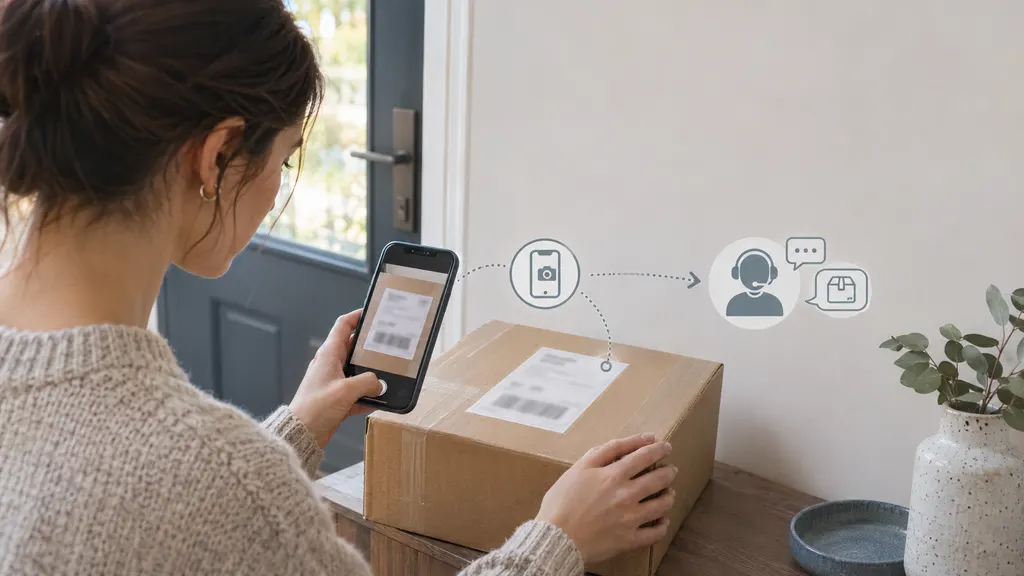
If a Gofo package was delivered to you but belongs to someone else, leave it unopened, photograph the shipping label without sharing it publicly, and report the misdelivery to Gofo through the contact information on its official website or the delivery notice. Give the tracking number and your delivery address, and ask how the package should be collected or redirected. If you recognize the intended recipient, you can also let them know, but you do not need to arrange a shipment at your own expense.
Before reporting it, check whether this is a parcel addressed to another person, an unfamiliar parcel addressed to you, or a tracking update for a package you never received. Those situations call for different next steps.
First, identify what was delivered
Read only the outside of the package. The recipient name, address, tracking number, and any delivery notice should usually give you enough information to describe the problem. You do not need to open the parcel to find out who owns it.
- Another person’s name and another address: This is the clearest case of a parcel delivered to the wrong location. Report the address mismatch and ask for collection instructions.
- Another person’s name but your address: The sender may have used an incorrect or outdated address. Report what the label says; do not assume the named recipient lives nearby.
- Your name and address, but no order you recognize: Check with other members of your household and review recent orders before deciding it was sent in error. If it remains unfamiliar, treat it as an unexpected shipment rather than a straightforward misdelivery.
- No physical parcel, only a “delivered” status: This is a missing-package inquiry. Check the delivery details and contact the seller or sender as well as the carrier. Do not report that you received someone else’s package unless you actually did.
If the label is damaged or partly unreadable, report only what you can confirm. Do not guess the recipient’s address or alter the label to make it readable.
How to report a Gofo package delivered to the wrong person
- Keep the package secure and unopened. Move it out of public view if you can do so safely. Leave the label attached and avoid covering the tracking number or address.
- Record the delivery details. Note when and where you found it. Take a clear photo of the label and, if useful, a photo showing where the parcel was left. Keep those images private because labels contain personal information.
- Find the official contact route. Use Gofo’s official website, a legitimate delivery notice, or contact information supplied by the retailer. Be wary of links in unexpected texts, search ads, or messages claiming you must pay a fee to correct the delivery.
- Describe the mismatch precisely. Provide the tracking number, the address where the parcel was delivered, and whether the name or address on the label differs from yours. Say whether the package is still in your possession and whether it has been opened.
- Ask for a specific next step. Request instructions for pickup, redelivery, or another authorized handoff. Ask for a case number or written confirmation if one is available, and retain a copy of your message.
Keep the report factual. You can say, “A package with tracking number [number] was left at my address. The label names another recipient at [street name or other limited detail]. It is unopened and available for collection. Please tell me how to return it to your delivery network.” Use the carrier’s private support channel for full address details; do not post a readable label in a public comment.
If you cannot find a working contact option or receive no useful response, contact the retailer or sender shown on the label if that information is available. The sender may be able to initiate an investigation or provide delivery instructions. Avoid sending the parcel to an address supplied by an unverified stranger.
Should you give it to a neighbor?
If the package clearly names a nearby address and you know the recipient, letting them know is a reasonable option. A direct handoff may resolve an obvious doorstep mix-up faster than a carrier inquiry. Check the full address first: similar street names, apartment numbers, and building entrances are easy to confuse.
Do not feel obliged to visit an unfamiliar address, enter a building, or leave the parcel unattended at another doorstep. If you are unsure of the address, the recipient cannot be reached safely, or the package appears valuable or damaged, ask the carrier or sender for instructions instead. If you hand it over, make sure you are giving it to the person or address shown on the label, not someone who merely claims it is theirs.
If you found the parcel in a shared mailroom or lobby, tell the property manager or front desk where it was found, if that is a normal way your building handles delivery problems. This can help preserve a record without exposing the recipient’s details to everyone in the building.
What if the package has your address but someone else’s name?
This is not necessarily a driver delivering to the wrong building. The address on the label could be incorrect, or it could belong to a former occupant. Report the exact label details to Gofo or the sender and explain that the named person does not live at your address, if you know that to be true. Do not forward the parcel yourself based on an address supplied in a text or phone call.
If the person previously lived at your address, avoid assuming you have permission to open the package or choose a new destination for it. A carrier or sender can advise on the appropriate return or correction process for that shipment. Keep the packaging intact while you wait for instructions.
What if the label has your name, but you did not order anything?
Start with ordinary explanations: a household member may have placed the order, a retailer may have shipped items separately, or someone you know may have sent a gift. Check your order history and payment activity without clicking links in an unexpected delivery message. If you identify the seller, contact it through its official website to ask about the shipment.
An unexpected package can also be associated with a brushing scheme, in which goods are sent to people who did not order them. That possibility does not establish what happened in your case. If the parcel or accompanying message seems suspicious, do not scan a QR code or provide account credentials, payment details, or a one-time verification code to someone offering to “fix” the delivery. The U.S. Federal Trade Commission advises consumers to use contact information they know is genuine rather than links or numbers in a suspicious message.
Do not apply a general “unordered merchandise” rule to a package clearly addressed to someone else. A mistaken delivery and an unsolicited order are different situations. If you are unsure which applies, explain the label and order history to the seller or carrier rather than assuming the contents are yours to keep.
If the package is damaged or someone asks you to pay
If the parcel is leaking, has a strong odor, appears unsafe, or contains an item that may require special handling, do not handle it further just to photograph the label. Keep people and pets away as appropriate and contact local emergency services if there is an immediate hazard. Otherwise, tell the carrier or sender about the condition when you report the delivery.
Be cautious if someone contacts you after you post about the package. A person who knows a tracking number or recipient name is not automatically authorized to collect it. Arrange any pickup through a verified carrier or sender channel. Do not pay a “redelivery,” “release,” or “verification” charge simply because an unsolicited message says it is required; verify the request independently first.
If the tracking says “delivered,” but your own parcel is missing
That problem is related, but the person who received a stranger’s package and the customer missing an order have different information. If you are the customer, check the delivery address on your order, any delivery photo, and places where parcels are normally left. Ask household members or building staff whether they accepted it. Then contact the seller and the carrier with your order number and tracking number, making clear that the parcel has not reached you.
A tracking tool, including 17TRACK, can help you review shipment updates, but a delivered scan alone cannot tell you who physically has the package. The carrier or sender is better placed to investigate a delivery location or arrange a correction. If the seller asks for proof, preserve the tracking record, delivery notice, and your correspondence rather than trying to reconstruct them later.
FAQ
Do I have to open the package to identify its owner?
No. Use the name, address, and tracking information visible on the outside. If those details are incomplete, tell the carrier or sender what you can read and leave the parcel sealed.
Can I leave a misdelivered package outside for Gofo to collect?
Ask for collection instructions first. Leaving it outside without an agreed pickup may expose it to theft, weather, or another delivery mistake. If you cannot store it securely, tell the carrier when you report the problem.
What should I do if the intended recipient contacts me directly?
You can arrange a handoff if you can verify that the person or address matches the label and you feel safe doing so. Otherwise, direct them to the carrier or seller and keep the package available for an authorized collection.
Should I post the label online to find the owner?
No. A shipping label may reveal a person’s name, address, phone number, or tracking number. Contact the carrier, sender, or a building manager privately instead.
What if I already opened it by mistake?
Stop handling the contents, keep the packaging and items together, and tell the carrier or sender what happened when you report the delivery. Do not discard the label or try to repackage the shipment in a way that hides the mistake.
Sources
- Gofo official website — starting point for identifying the carrier’s current official contact channel.
- Federal Trade Commission: How to Recognize and Avoid Phishing Scams — guidance on verifying unexpected messages through trusted contact information.
- 17TRACK shipment tracking — referenced for checking shipment updates, not for resolving a delivery dispute.