Food and Beverage Shipping for Ecommerce: Parcel, Ltl, and Temperature Control
Food and beverage shipping for ecommerce depends on more than choosing a carrier. The product’s shelf life, packaging, shipment size, delivery distance, temperature requirement, and regulatory obligations should determine whether you use parcel, less-than-truckload (LTL), or a temperature-controlled service. A reliable operating model starts by classifying products and orders, then matching each shipment to packaging, transit, monitoring, and customer-communication requirements.
For most direct-to-consumer orders, parcel is the practical starting point. LTL becomes relevant when cases, pallets, equipment, or wholesale quantities make parcel inefficient. Temperature control is not a separate replacement for parcel or LTL; it is a set of packaging, handling, service, and monitoring choices that can apply to either mode.
Start with the product, not the carrier
Food products do not all have the same shipping risk. A shelf-stable snack, a glass bottle of sauce, frozen seafood, fresh meal kits, and a probiotic supplement may require very different fulfillment controls. Before comparing services, document the conditions that can affect product quality and customer safety.
- Temperature range: Define the acceptable range for the product and distinguish between ambient, refrigerated, and frozen orders.
- Time sensitivity: Record the maximum practical transit time, including weekends, carrier exceptions, fulfillment delays, and time spent at the recipient’s address.
- Physical fragility: Consider breakage, leakage, crushing, vibration, and pressure changes during handling.
- Moisture sensitivity: Condensation, melted coolant, and wet cartons can damage labels, packaging, and neighboring products.
- Regulatory status: Check the rules that apply to the product, destination, ingredients, labeling, and shipping method. Requirements may differ by country and by product category.
- Value and loss tolerance: A low-value case of dry goods and a high-value frozen order should not necessarily use the same level of packaging or monitoring.
Food safety and labeling responsibilities remain with the shipper. The U.S. Food and Drug Administration publishes food safety and regulatory resources, while the U.S. Department of Agriculture provides guidance for shipping certain perishable foods. These resources are useful starting points, but they do not replace product-specific legal or technical advice.
When parcel shipping is the right fit
Parcel is usually the best fit for individual ecommerce orders, small cases, subscription boxes, and shipments that can be handled through a standard delivery network. It offers a relatively simple fulfillment flow: pick the order, pack it in a validated carton, create a label, hand it to the carrier, and provide tracking to the customer.
Parcel works particularly well when products are shelf-stable, compact, and not unusually fragile. It can also support chilled or frozen products when the packaging and service level are designed for the required transit window. The carrier’s standard transit estimate alone is not enough evidence that a package will remain within a safe temperature range. The shipper must evaluate the complete pack-out, including insulation, coolant, product load, outside temperature, and likely delay scenarios.
Parcel strengths
- Suitable for one-to-one customer orders and geographically distributed demand.
- Easy integration with ecommerce fulfillment and order-management workflows.
- Tracking events can support delivery planning and customer notifications.
- Often more practical than freight for low-volume shipments.
Parcel limitations
- Packages may pass through multiple handling points and facilities.
- Small shipments can have a high packaging cost relative to product value.
- Temperature-sensitive products may require expedited service, special packaging, or both.
- A delivery scan does not prove that the product stayed within its required temperature range.
For temperature-sensitive parcel orders, set a clear shipping calendar. Some merchants avoid dispatching late in the week so that a delayed package is less likely to remain in a carrier facility over the weekend. That is an operating choice, not a universal rule; it should be tested against actual transit performance and the product’s validated stability window.
When LTL shipping makes more sense
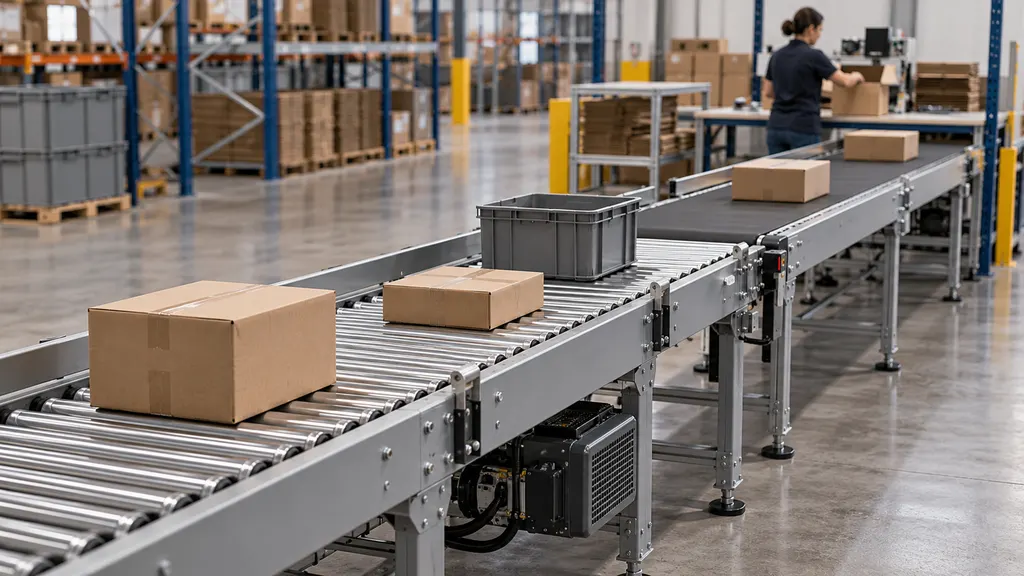
LTL is designed for freight that does not fill an entire truck. It may be appropriate for palletized food and beverage shipments, replenishment orders, restaurant or retail deliveries, commercial equipment, and larger wholesale quantities. For ecommerce businesses, LTL often appears when order volume grows beyond parcel economics or when the product is too bulky, heavy, or difficult to divide into individual cartons.
LTL requires more operational coordination than parcel. The shipper may need to prepare a pallet, provide freight dimensions and weight, specify pickup and delivery conditions, confirm whether the destination has a dock, and arrange a liftgate or appointment when required. Residential deliveries, limited-access locations, and inside delivery can affect the service process and cost. These requirements should be confirmed before a shipment is tendered.
LTL strengths
- Efficient for pallets, multiple cases, and larger replenishment orders.
- Can reduce the number of individual parcel labels and handling units.
- Supports business deliveries that need scheduled or coordinated receiving.
- Can accommodate freight packaging and pallet configurations that are impractical for parcel.
LTL limitations
- Transit and appointment planning may be more complex than parcel delivery.
- Freight can experience transfers, dock handling, and longer dwell times.
- Damage claims require accurate documentation, photographs, and timely inspection.
- Temperature control is not automatic simply because a shipment moves as freight.
Use a freight classification and packaging process that reflects the actual product. Carton dimensions, pallet height, total weight, stackability, and handling instructions should be accurate. A pallet that is unstable, overhanging, or inadequately protected can create damage and receiving problems even when the carrier service itself is suitable.
Temperature control: three layers of protection
Temperature-controlled shipping should be treated as a system rather than a single service purchase. The system has three connected layers: product protection, transportation execution, and verification.
1. Product protection
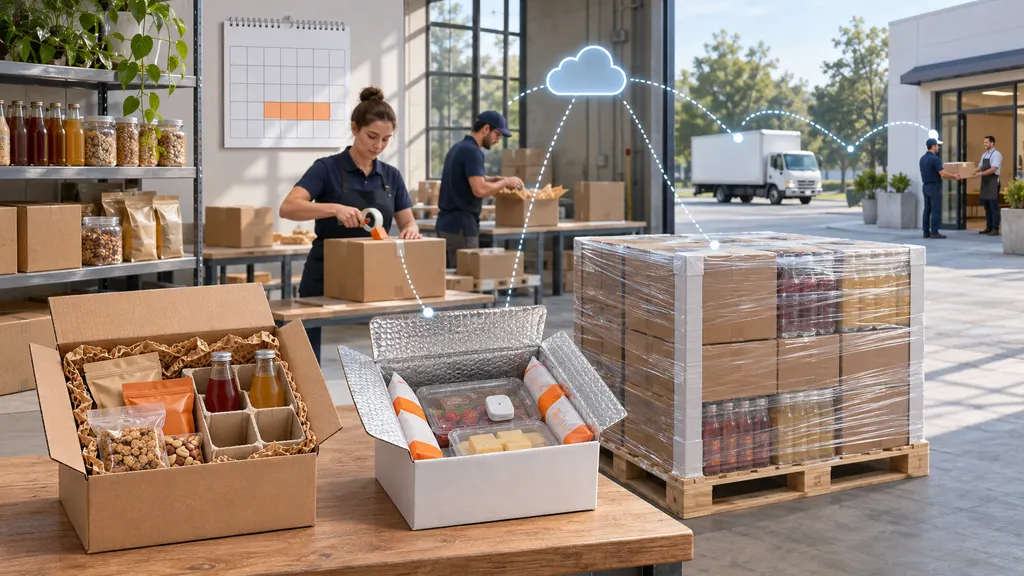
Packaging should protect both the food and the surrounding shipment. Common components may include insulated liners, gel packs, dry ice, absorbent material, leak-resistant inner packaging, tamper-evident seals, and a rigid outer carton. The correct combination depends on the product, desired temperature, pack-out size, season, and lane.
Do not assume that adding more coolant always improves performance. Excess coolant can increase weight, create condensation, damage packaging, or introduce handling and regulatory requirements. Dry ice, for example, requires appropriate packaging, labeling, and transport procedures. The International Air Transport Association publishes guidance for shipping dry ice by air, but the shipper must also confirm the rules of the selected carrier and destination.
2. Transportation execution
Choose a service that gives the packaging enough margin for the actual route. A nominal one-day service may still involve pickup cutoffs, sorting, weather disruption, address issues, or a missed delivery. Temperature-sensitive orders should be packed with a realistic delay buffer rather than an idealized transit time.
Delivery instructions also matter. If a package requires refrigeration or freezing, the recipient should know when it is expected and what to do after delivery. For products that cannot safely wait outside, a signature requirement, delivery appointment, pickup option, or insulated last-mile solution may be appropriate.
3. Verification and exception handling
Temperature indicators or data loggers can help verify conditions for selected products and lanes. They add cost and may not be necessary for every order, but they are valuable when a temperature excursion would create a material safety, quality, or financial risk. Use them as part of a documented test program, not as a substitute for sound packaging.
Build an exception workflow before launch. Define what happens when tracking shows a delay, a package is delivered but not retrieved, coolant is exhausted, a carton arrives damaged, or a customer reports an off-condition product. The workflow should identify who reviews the case, what evidence is collected, whether the order is replaced or refunded, and how the incident is recorded for future packaging or carrier decisions.
Freight packaging for food and beverages
Packaging must address the product’s most likely failure modes. Bottles and cans need cushioning, separation, and leak containment. Flexible pouches may need puncture protection and a carton that resists compression. Heavy cases need strong corrugated packaging and a pallet pattern that does not shift during handling. Frozen shipments need insulation and coolant placement that protects the product across the full pack-out.
Run packaging tests using representative products, not empty cartons. Include the heaviest realistic order, mixed-SKU configurations, seasonal temperatures, and the shipping orientation expected in practice. Test both normal delivery and plausible delay conditions. For fragile products, inspect not only whether the item survives but also whether the package remains clean, sealed, and acceptable to the customer.
Packaging changes should be controlled. A new carton supplier, revised bottle, different coolant, or altered pallet height can change performance. Record the pack-out version, materials, product quantity, ship date, lane, and outcome so that recurring failures can be traced to a specific configuration.
How to choose between parcel, LTL, and temperature control
Use a decision process that combines operational fit with product risk:
- Classify the order: Identify whether it is a consumer parcel, a multi-case shipment, or palletized freight.
- Identify the product constraint: Determine whether the primary risk is temperature, breakage, leakage, shelf life, or regulatory handling.
- Set the delivery window: Include fulfillment time, weekends, cutoff times, expected delays, and the recipient’s ability to receive the shipment.
- Select the service architecture: Choose parcel or LTL first, then add the necessary packaging, expedited service, appointment, monitoring, or delivery controls.
- Validate the complete lane: Test the packaging and service combination from the actual fulfillment location to representative destinations.
- Monitor outcomes: Track damage, late delivery, temperature excursions, customer complaints, replacement cost, and packaging waste.
Cost should be evaluated at the order level, not only by freight charge. Include packaging materials, labor, dimensional weight, expedited service, monitoring, spoilage, replacement shipments, refunds, claims, and customer-support time. A cheaper label can produce a higher total cost if it increases failed deliveries or product loss.
Tracking and delivery experience
Tracking is especially useful when a shipment has a narrow delivery window or requires customer action. The customer should receive a clear dispatch notice, an estimated delivery date, instructions for receiving the package, and an exception message when the shipment is delayed. Tracking data does not replace temperature validation, but it helps the merchant identify shipments that may need intervention.
For LTL orders, the delivery experience also includes appointment coordination, freight visibility, proof of delivery, and damage documentation. For parcel orders, it may include delivery-photo review, address correction, and proactive communication about delays. In both cases, the goal is to reduce the time between an operational exception and a useful action.
A practical launch checklist
- Define product-specific storage and shipping conditions.
- Document approved parcel and LTL pack-outs.
- Confirm carrier rules for dry ice, liquids, food products, and restricted destinations.
- Test representative lanes during different seasonal conditions where relevant.
- Set dispatch cutoffs and weekend policies for perishable orders.
- Confirm receiving requirements for commercial and residential destinations.
- Prepare customer instructions for delivery, storage, and damaged or compromised orders.
- Record shipment data and review failure patterns regularly.
- Revalidate packaging after product, carton, coolant, carrier, or fulfillment changes.
The right shipping model is the one that protects the product through the actual delivery journey while remaining workable for the fulfillment team and understandable to the customer. Parcel is often the simplest option for individual ecommerce orders, LTL is better suited to palletized or commercial volume, and temperature control must be designed across packaging, transit, monitoring, and exception handling. Treating these as connected decisions creates a more reliable food and beverage operation than selecting a carrier by price alone.
FAQ
Is parcel shipping suitable for perishable food?
It can be, provided the product, packaging, transit service, and delivery process have been evaluated together. Perishable parcel shipments may need insulation, coolant, expedited service, carefully chosen dispatch days, and recipient instructions. A standard delivery estimate is not proof that the product will remain within its required temperature range.
When should an ecommerce business use LTL instead of parcel?
LTL is generally worth evaluating when an order contains pallets, many cases, bulky items, or commercial quantities. It may also fit replenishment shipments to stores, restaurants, distributors, or other business locations. Confirm dock, appointment, liftgate, residential, and limited-access requirements before booking the freight.
Does temperature-controlled shipping guarantee food safety?
No. Temperature control depends on the complete system, including product stability, packaging, coolant, route, handling, delivery timing, and exception management. Monitoring can provide useful evidence, but it does not correct unsuitable packaging or an unrealistic transit plan.
Should every food shipment include a temperature logger?
Not necessarily. A logger may be justified for high-risk, high-value, regulated, or difficult-to-validate shipments. For lower-risk products, documented packaging tests and operational monitoring may be sufficient. The decision should reflect the consequences of a temperature excursion and the level of evidence the business needs.
What should a merchant do if a food shipment is delayed?
Use a predefined exception process. Review the tracking status, shipment age, product requirements, weather or route conditions, and available delivery options. Contact the recipient when action is possible, document the decision, and follow the company’s food safety and replacement policy. When product safety is uncertain, do not rely only on appearance or the delivery scan.