UVAN Tracking
Please enter the UVAN tracking number to check the latest shipping status.
About Uvan
Uvan is the carrier name supplied for this tracking page. Shipment-specific information should be taken from the tracking record, the shipping label, the merchant’s dispatch notice, and the official Uvan website. A carrier identification in 17TRACK indicates that tracking events can be aggregated; it does not mean that 17TRACK transports the shipment or controls delivery decisions.
| Field | Verified page information |
|---|---|
| Official display name | Uvan |
| Official website | http://www.uvan56.com/ |
| Tracking role | Use the tracking number shown by the merchant or shipping label. The shipment record determines the operational carrier and current handoff stage. |
| Parent organization | Use the legal or group name printed on the shipping documents when contacting the carrier. |
Carrier Entity Relationships
| Entity | Relationship to Uvan |
|---|---|
| Uvan | Uvan is the carrier entity selected for this landing page and is the name to use when matching a shipment record. |
| Merchant or sender | The merchant or sender issues the order reference and normally supplies the tracking number to the recipient. |
| 17TRACK | 17TRACK aggregates available tracking events and does not replace Uvan, the merchant, a customs authority, or a destination delivery operator. |
| Destination carrier | A destination carrier may receive the shipment after an international or domestic handoff; the tracking record should be used to identify the responsible party. |
Quick Answer
Enter the tracking number printed on the shipping label or supplied in the merchant’s dispatch email into the official Uvan tracking channel or 17TRACK. If no result appears, first check whether you entered an order number instead of a tracking number, remove accidental spaces, confirm each character, and ask the seller whether the parcel has physically been handed to the carrier.
How to Track Uvan Packages
The reliable workflow is to use the number associated with the physical shipment, compare the merchant notice with the label, and then check the official carrier route or 17TRACK for aggregated events.
| Step | Action |
|---|---|
| 1. Find the identifier | Check the merchant dispatch email, order page, parcel label, receipt, or handover document. |
| 2. Classify the number | Separate the tracking number from an order number, reference number, invoice number, or delivery notice number. |
| 3. Track officially | Open the official Uvan website and use its tracking route when the shipment documentation directs you there. |
| 4. Compare events | Use 17TRACK to compare available events across carriers, especially when a shipment changes hands. |
| 5. Escalate correctly | Ask the seller or sender to investigate when the shipment has no acceptance scan, requires a claim, or is still controlled by the shipping account holder. |
Tracking Number Formats and Examples
Uvan-specific number rules should be taken from the shipment label or the official tracking result. A number that can be searched through a carrier does not necessarily mean that the carrier issued it; merchants, origin transport providers, postal operators, and destination carriers can each create identifiers.
Tracking Number Format
| Identifier family | Normalized pattern and use |
|---|---|
| Carrier or logistics tracking number | Use the exact alphanumeric string printed by the shipping provider. Preserve all letters and digits; use a redacted form such as UV######## when publishing examples. |
| Postal S10 identifier | Some cross-border shipments use the international postal structure of two letters, nine digits, and a two-letter country code, such as AB#########XY. The format alone does not prove which carrier currently holds the parcel. |
| Merchant order or reference ID | An order ID such as ORDER-######## identifies the purchase or fulfilment record and may not produce carrier scans. |
| Destination or handoff identifier | A new last-mile identifier may appear after handoff. Compare the event history and seller notice before assuming that two identifiers represent different parcels. |
Tracking Statuses and Meanings
A tracking status describes the latest recorded event, not necessarily the parcel’s continuous physical position. The responsible party can change at acceptance, export, customs, handoff, and final delivery.
Status Quick Lookup
| Status stage | Meaning and next action |
|---|---|
| Pre-shipment or label created | Shipping data exists, but physical acceptance may not have occurred. Ask the sender to confirm handover. |
| Accepted or received | A carrier or facility has recorded receipt. Wait for sorting or transport events unless the record shows an exception. |
| In transit | The shipment is moving through the recorded network. Scan gaps can occur between facilities. |
| Customs or handover | The shipment is being reviewed, exchanged, or transferred. Customs arrival is not the same as customs release. |
| Out for delivery | A delivery route has been assigned. Keep the address accessible and monitor delivery instructions. |
| Delivered | A delivery event was recorded. Check the location, household, reception desk, neighbours, and proof of delivery before escalating. |
| Exception or return | An address, customs, damage, refusal, or delivery issue requires action by the sender, recipient, or responsible carrier. |
Services and Delivery Times
A dependable delivery estimate requires the actual service, origin, destination, acceptance date, customs path, and last-mile operator. Tracking alone should not be treated as a guaranteed delivery commitment.
Service Comparison
| Service record | How to interpret it |
|---|---|
| Service named on the label | Use the exact product name shown by the sender or carrier; service level, coverage, protection, and tracking depend on that product. |
| Domestic or cross-border movement | Domestic movement may have fewer handoffs. Cross-border movement can add export processing, customs, destination exchange, and last-mile events. |
| Economy or expedited movement | The label’s service description controls the applicable delivery expectation; a faster label does not remove customs or address risks. |
Delivery Time
| Timing factor | Practical interpretation |
|---|---|
| Counting start | Check whether the seller’s estimate starts at order creation, label creation, physical acceptance, or dispatch. |
| Business days or calendar days | Confirm the unit used by the merchant or service terms before comparing an estimate with elapsed time. |
| Delay factors | Customs review, weekends, holidays, weather, peak volume, address quality, security checks, and partner handoffs can extend transit. |
| Guarantee status | An estimated delivery window is not a money-back guarantee unless the applicable service terms expressly say so. |
Destination Country Delivery Times
| Destination record | Use for a shipment estimate |
|---|---|
| Country and postal code on the label | Use the exact destination and postal code in the carrier or merchant estimate. Country-level averages cannot replace a route-specific estimate. |
| Destination last-mile partner | Check the latest handoff event to identify which operator currently controls delivery and whether a second tracking identifier exists. |
| Customs and clearance | Prepare invoices, product descriptions, recipient details, and tax information when requested. Arrival at a customs facility does not establish release. |
Common Tracking Problems and Solutions
The correct escalation path depends on the latest scan and the person who purchased the shipping service. Recipients should normally begin with the seller when a claim, label correction, refund, or carrier investigation requires the shipping account holder.
Problem & Solution
| Problem or status | First action |
|---|---|
| Invalid number | Compare every character with the label, remove spaces, and ask the seller to confirm the carrier and identifier type. |
| No tracking events | Check whether the parcel was physically accepted. Ask the sender for a handover receipt or dispatch confirmation. |
| No update for several days | Review the last facility and transport stage, then account for weekends, customs, and scan gaps before escalating. |
| Delivery exception or failed attempt | Check the address, notices, delivery instructions, pickup options, and any action deadline in the latest event. |
| Delivered but not received | Check the delivery location, household, reception desk, neighbours, building access point, and proof of delivery; then contact the seller and delivery operator. |
| Customs hold | Review requests for invoices, identification, tax, duties, or product information. Customs authorities, not 17TRACK, decide release. |
| Lost or damaged parcel | Preserve packaging and photographs, keep the invoice and value evidence, and ask the sender to open the appropriate investigation or claim. |
| Returned to sender | Ask the merchant why the return occurred and whether a corrected address, new postage, or refund process applies. |
International Shipping, Customs and Carrier Handoffs
International tracking normally represents a chain of custody rather than one continuous carrier journey. Electronic pre-advice, physical handover, the first acceptance scan, customs processing, and last-mile delivery are separate events.
International Flow
| Stage | Customer action |
|---|---|
| Origin booking and pre-advice | Confirm that the tracking number belongs to the parcel and understand that electronic data may precede physical acceptance. |
| Origin acceptance and export processing | Wait for a physical acceptance or processing event before treating the shipment as moving through the network. |
| Line-haul and destination arrival | Allow for scan gaps while the shipment is between facilities or transport modes. |
| Import customs | Provide documents or pay assessed charges through the official customs or carrier channel when requested. |
| Partner handoff and last mile | Use the latest event to identify the destination operator and search any linked local identifier. |
| Delivery, pickup, or return | Follow the delivery notice, pickup instructions, proof-of-delivery record, or return instructions. |
Customer Service
Use the official Uvan website for the current contact route. For an online purchase, contact the seller first when the issue concerns a missing parcel, refund, shipping label, incorrect address, or insurance claim.
Customer Service
| Channel | Best use |
|---|---|
| Official website | Uvan official website; use the current tracking or contact route displayed there. |
| Merchant or sender | Best first contact for marketplace orders, label errors, refunds, claims, missing acceptance scans, and shipping-account investigations. |
| Destination delivery operator | Use when the latest scan identifies a local delivery operator and the parcel is already in the destination delivery stage. |
| 17TRACK | Use for aggregated tracking visibility. 17TRACK cannot change an address, release customs, approve a refund, or decide a claim. |
Prepare the tracking number, order number, sender and recipient details, dispatch date, service description, latest scan, delivery address, product description, value evidence, photographs, and any customs or delivery notice before requesting help.
FAQ
Basic FAQs
Enter the shipment tracking number on the official Uvan website or use 17TRACK to view available events.
Check the dispatch email, marketplace order page, parcel label, receipt, or message supplied by the sender.
The exact pattern depends on the shipment record; use the complete string printed on the label rather than guessing from a prefix.
The number may be new, mistyped, an order reference, or awaiting a physical acceptance scan; confirm it with the sender.
Tracking can remain unchanged between facilities, during transport, or during customs processing; review the last event before escalating.
Delivery depends on the service, origin, destination, handoffs, customs, address, weekends, and network conditions; use the shipment-specific estimate.
Check the latest notice for redelivery or pickup instructions and verify that the address and access details are correct.
Check the delivery location, household, reception desk, neighbours, and proof of delivery, then contact the seller and delivery operator.
Keep the packaging and evidence and ask the sender to start the applicable carrier investigation or claim.
Use the contact route on the official Uvan website and provide the complete tracking number and latest event.
Expert FAQs
No. Label creation or electronic pre-advice can occur before physical acceptance; look for a receipt or acceptance event.
No. Address changes, delivery instructions, and redelivery depend on the responsible carrier, sender, or destination operator.
No. Arrival, inspection, document requests, duty assessment, and release are separate customs events.
Yes, a destination or handoff operator may use another identifier; compare linked events before treating it as a separate parcel.
An estimate is not a guarantee unless the applicable service terms expressly provide a delivery commitment or remedy.
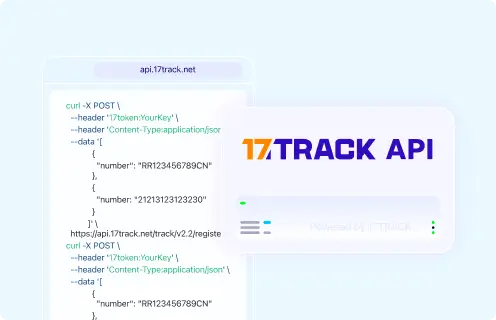
Tracking API
// Carrier official tracking API:
// Current public official tracking API endpoint and authentication details
// were not included in the available evidence. Use the carrier's current
// developer documentation before implementing a direct integration.

// 17TRACK API
// Documentation: https://api.17track.net/en/doc
POST https://api.17track.net/track/v2.4/register
17token: YourKey
Content-Type: application/json

[
  {
    "number": "TRACKING_NUMBER",
    "carrier": "CARRIER_CODE"
  }
]
Sources & References
- Uvan official website. Uvan
- 17TRACK API documentation. 17TRACK
- 17TRACK tracking platform. 17TRACK
17TRACK is an independent tracking platform and is not affiliated with Uvan.
Track your package
Global express parcel tracking service